
Handling slurry in industrial systems is one of the toughest challenges in flow control engineering. Slurry is a mixture of liquid and suspended solid particles such as sand, ore, ash, or fibers. These particles cause severe erosion, abrasion, and clogging when passing through pipelines and equipment. Conventional valves such as gate, globe, or ball valves often struggle in such conditions because their internal components are exposed directly to the abrasive flow.
As a result, seat erosion, disc damage, leakage, and operational failure occur much faster than expected. Frequent valve replacement leads to increased operational expenses (OPEX), unplanned shutdowns, and productivity losses. In industries where uptime is critical, valve failure in slurry service can have major financial consequences. Selecting the correct valve type for abrasive applications is therefore essential for long-term reliability.
Why Butterfly Valves Are a Practical Choice
Among various valve technologies, butterfly valves have proven to be one of the most practical and efficient solutions for slurry and abrasive media. Unlike bulky gate or globe valves, butterfly valves feature a compact quarter-turn design with lower torque requirements. This makes them suitable for quick shut-off as well as controlled throttling, even in harsh operating environments.
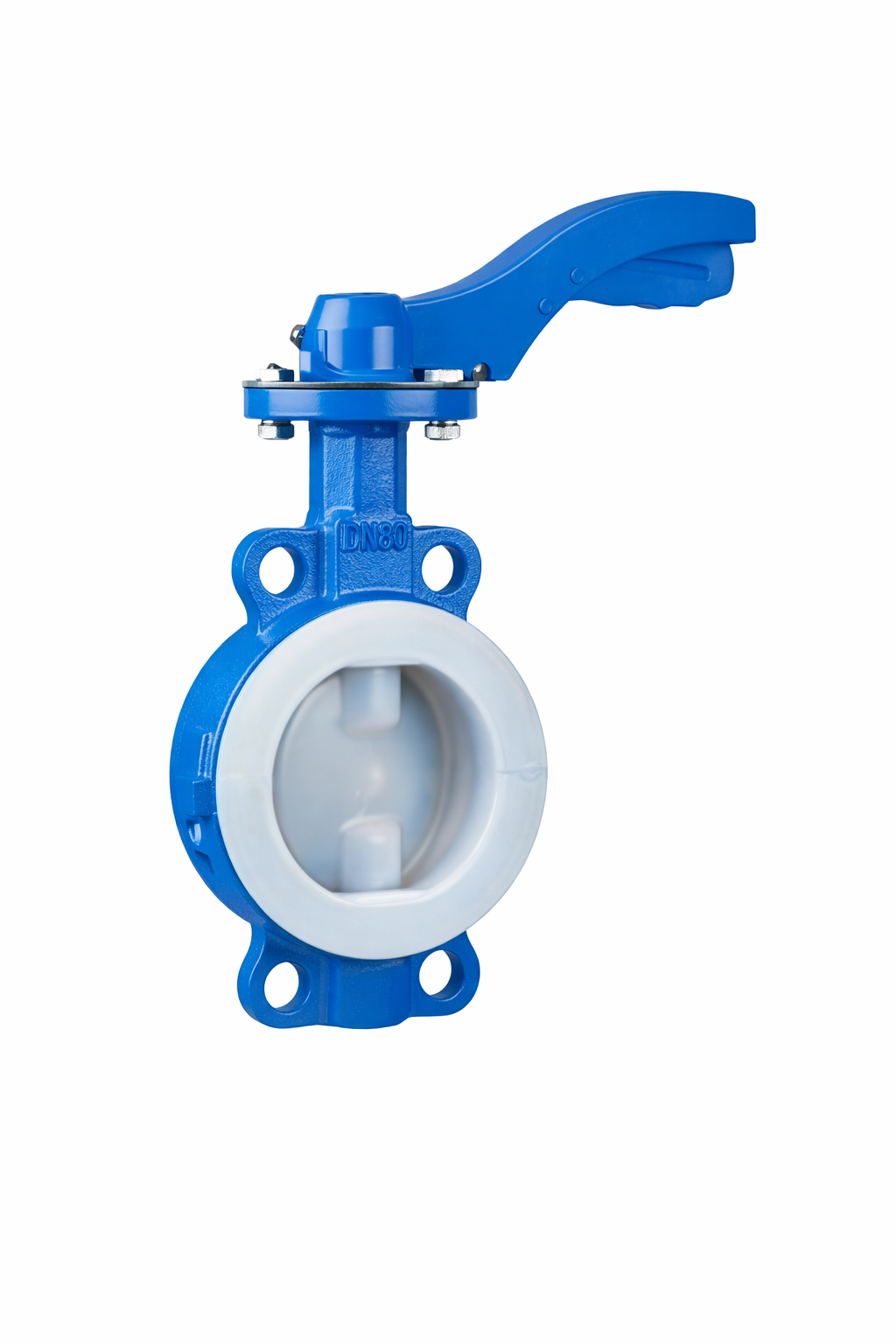
When equipped with abrasion-resistant linings such as PTFE, EPDM, or reinforced rubber, butterfly valves can withstand continuous exposure to solids-laden fluids. Their streamlined flow path also reduces turbulence and minimizes the chances of particle accumulation or clogging. These advantages significantly extend service life compared to traditional valve types.
Alis Valves, a trusted industrial valve manufacturer in India, offers high-performance lined butterfly valves specifically engineered for slurry and abrasive applications. Available in wafer and lug configurations, these valves provide installation flexibility for different pipeline systems and maintenance requirements.
Key Features for Slurry Applications
Not all butterfly valves are suitable for abrasive media. Proper design, materials, and engineering determine whether a valve will perform reliably or fail prematurely. The following factors are critical when selecting a valve for slurry service:
Seat Material
The seat plays a vital role in sealing and wear resistance. Reinforced rubber or PTFE seats provide excellent protection against abrasion while maintaining tight shutoff. These materials absorb particle impact and resist erosion better than metal seats.
Valve Body Construction
A robust body made from ductile iron, carbon steel, or stainless steel ensures mechanical strength and corrosion resistance. Protective coatings or linings further shield the valve from chemical attack and physical wear.
Shaft Design
An anti-blowout shaft with advanced sealing prevents leakage under fluctuating pressures. High-quality bearings and seals also reduce friction and improve durability during frequent operation. Actuator Compatibility.
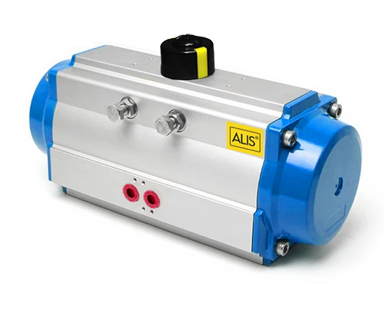
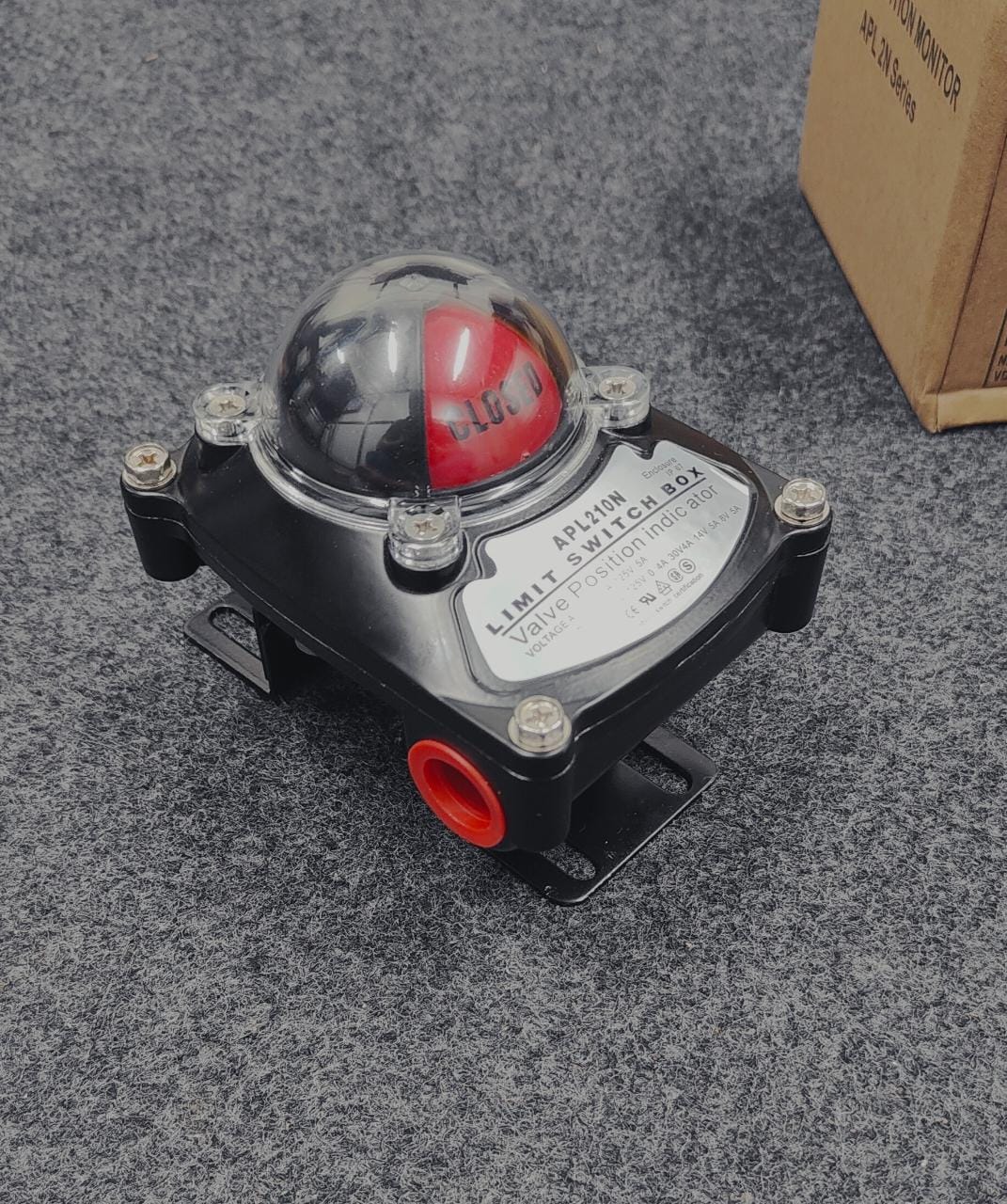
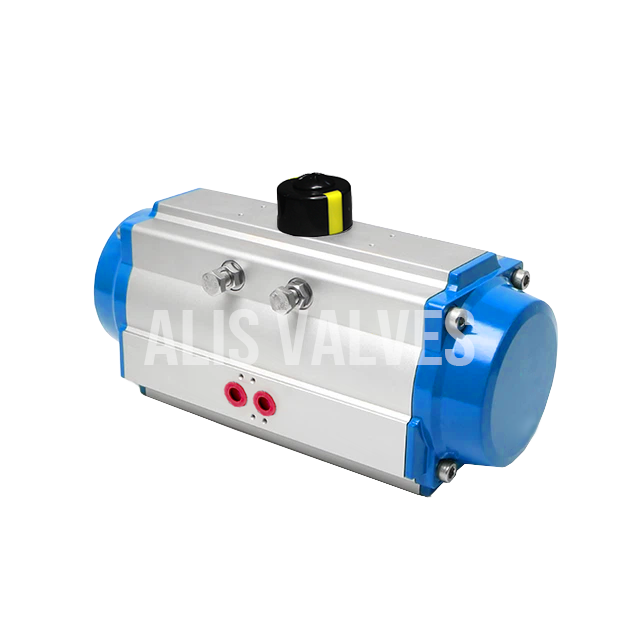
Butterfly valves support manual, pneumatic, or electric actuation. This flexibility allows operators to choose the appropriate level of automation depending on process requirements, safety considerations, and system complexity.
At Alis Valves, lined butterfly valves are designed with these critical parameters in mind, ensuring long service life and seamless integration into automated systems. Whether for manual isolation or fully automated control, these valves meet the demanding needs of modern industries.
Industry Applications
Slurry and abrasive media are common in several heavy industries. High-performance butterfly valves significantly improve reliability and operational efficiency in these sectors:
Mining and Mineral Processing
Mining operations handle tailings, ore slurry, and sand-laden fluids that can quickly destroy conventional valves. Lined butterfly valves provide durable sealing and extended service cycles in such extreme conditions.
Cement Plants
Cement production involves fly ash, dust-laden water, and abrasive by-products. Abrasion-resistant butterfly valves help prevent frequent failures and reduce maintenance costs.
Chemical Processing
Many chemical slurries are both corrosive and abrasive. Special linings protect the valve internals from chemical attack while maintaining structural integrity under harsh conditions.
Pulp and Paper Industry
Thick fiber-rich fluids and black liquor require valves that resist clogging while providing precise flow control. Butterfly valves offer reliable performance in these demanding applications.
Water and Wastewater Treatment
Municipal systems often handle grit, sludge, and suspended solids that damage standard valves. Lined butterfly valves ensure dependable operation in mud lines, grit chambers, and slurry pipelines.
By addressing the specific challenges of each industry, Alis Valves delivers solutions that improve uptime and operational safety.
Performance Benefits and Return on Investment
Upgrading from traditional valves to high-performance butterfly valves provides measurable improvements in both reliability and cost efficiency.
Reduced maintenance frequency due to durable materials
Lower torque requirements, enabling smaller actuators
Improved sealing performance to prevent leakage
Minimal clogging and buildup inside the valve
Faster operation for emergency shutoff situations
These benefits translate into lower lifecycle costs and higher productivity. For industries operating around the clock, even small improvements in valve reliability can result in substantial savings.
Why Choose Alis Valves?
When performance and durability matter, engineering expertise makes the difference. Alis Valves has established itself as a reliable manufacturer of industrial valves designed for demanding applications. With a strong focus on quality, innovation, and industry-specific solutions, the company provides valves that perform consistently under extreme conditions.
Each butterfly valve is manufactured using advanced production techniques and tested to ensure dependable operation. From manual valves for simple installations to actuator-ready designs for automated plants, Alis Valves offers a comprehensive range of solutions for slurry handling.
Their valves are widely used in mining, cement, chemical, wastewater, pulp and paper, and power industries. By combining robust construction with competitive pricing, Alis Valves delivers excellent value and long-term performance.
Conclusion
Slurry and abrasive media present unique challenges that conventional valves cannot handle effectively. High-performance lined butterfly valves provide a practical solution by offering durability, corrosion resistance, low torque operation, and reliable sealing.
By selecting properly engineered valves from experienced manufacturers such as Alis Valves, industries can significantly reduce downtime, maintenance costs, and operational risks. Investing in the right valve technology ensures safe, efficient, and cost-effective flow control for even the most demanding applications.