
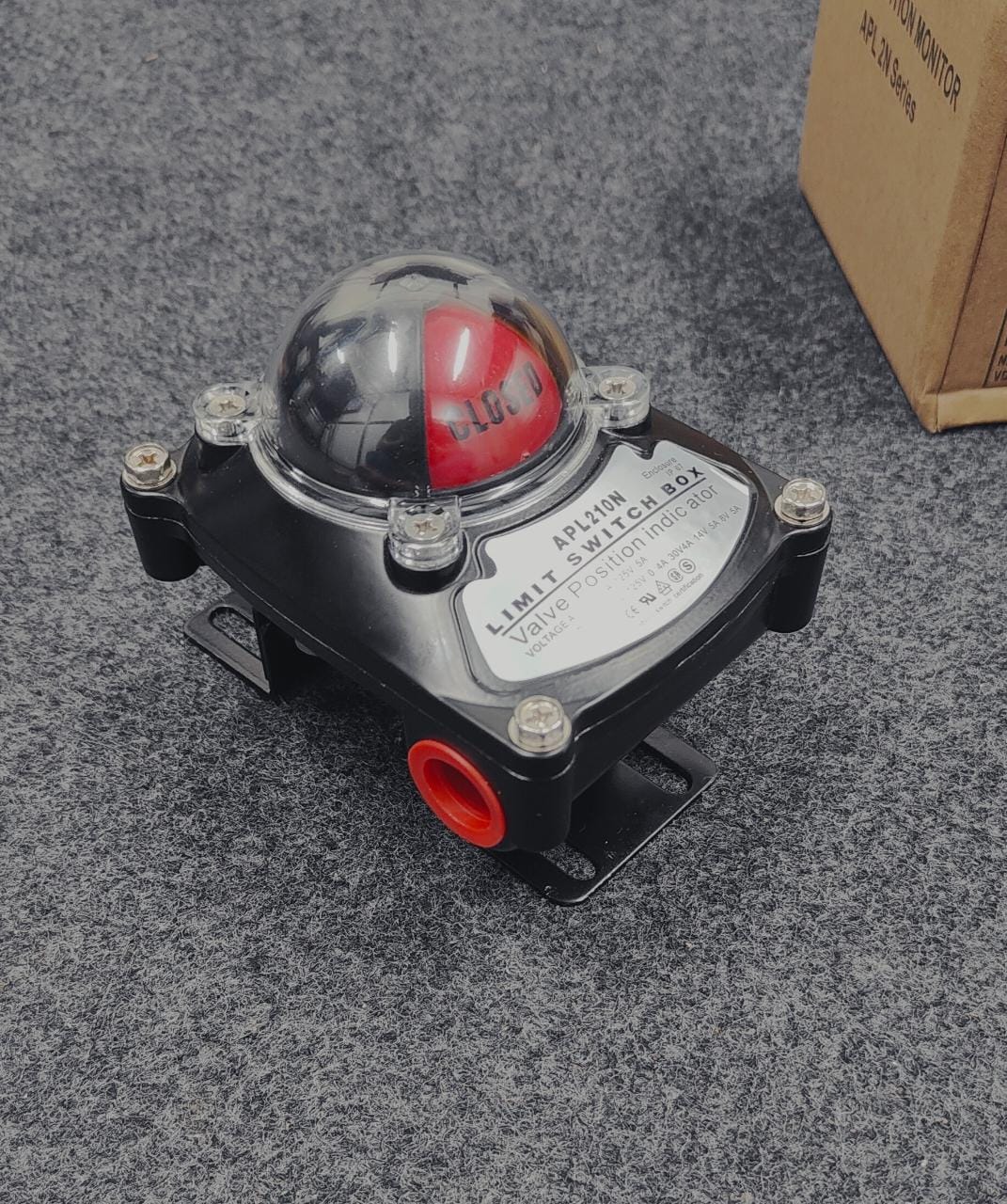
In modern industrial systems, valve automation plays a crucial role in maintaining operational efficiency and safety. Whether it’s an oil refinery, chemical plant, water treatment facility, or power plant, precise control and monitoring of valve positions are essential. One of the key components in valve automation and monitoring is the limit switch. Among the various types available, weatherproof limit switches are especially important for outdoor and harsh environments.
A weatherproof limit switch is designed to provide reliable feedback on the open or closed position of a valve, even under severe weather conditions such as rain, humidity, dust, and temperature extremes. This ensures continuous monitoring and control, reducing the chances of operational errors or downtime caused by environmental factors.
What is a weatherproof limit switch?
A limit switch is a device used to detect the presence or absence, or the position of an object—in this case, a valve. It sends an electrical signal when a certain movement is detected, usually when a valve has reached its fully open or fully closed position. A weatherproof limit switch is encased in a sealed enclosure, often with an IP67, IP68, or NEMA 4/4X rating, to protect the internal components from water, dust, and corrosive materials.
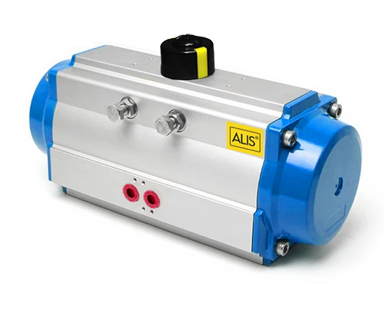
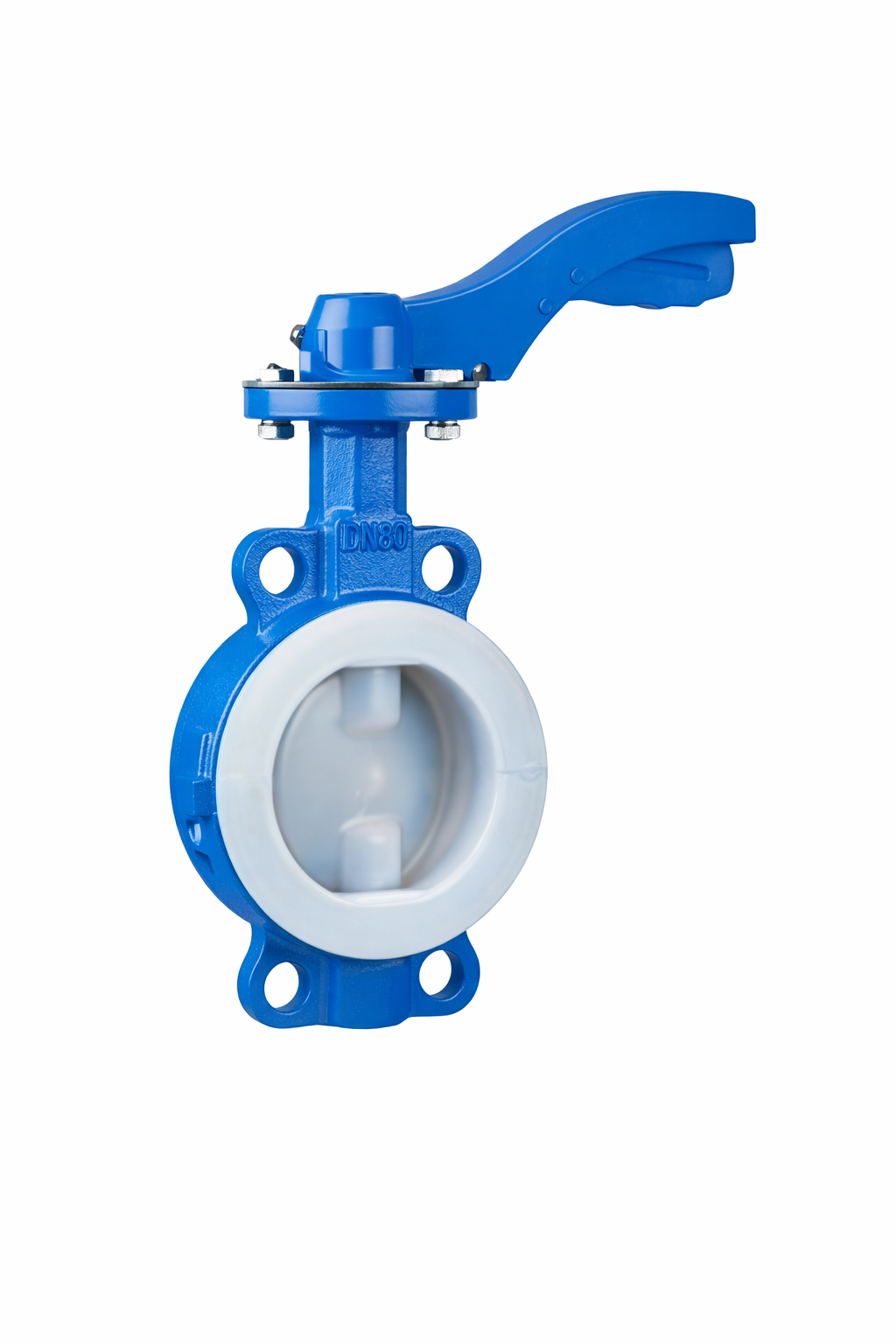
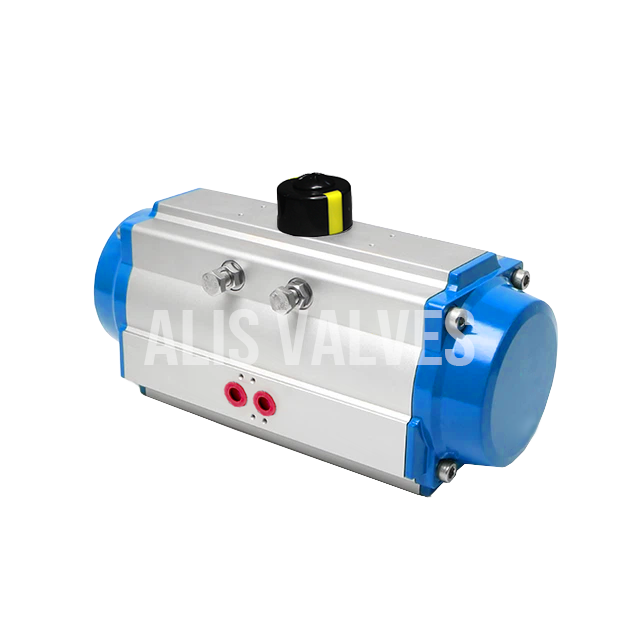
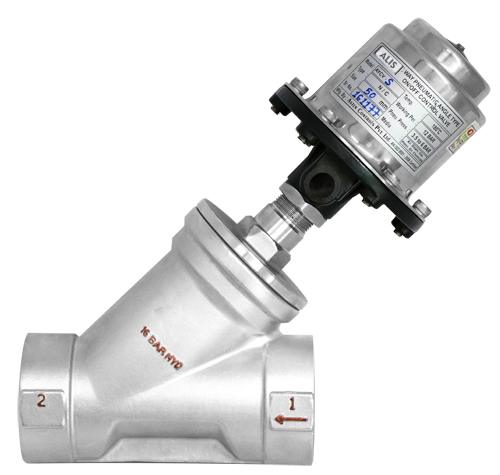
These switches can be mounted directly onto manual, electric, or pneumatic valve actuators and are commonly used with ball valves, butterfly valves, gate valves, globe valves, and knife gate valves.
Key features of weatherproof limit switches
Environmental protection
Weatherproof limit switches are built to endure challenging conditions. Their enclosures prevent ingress of water, dust, oil, and other contaminants. They are suitable for use in outdoor environments, wet processing areas, and regions exposed to corrosive chemicals.Durable housing materials
The housings are typically made from high-strength engineering plastics, stainless steel, or powder-coated aluminum, providing excellent resistance to corrosion, UV radiation, and impact.Accurate position feedback
These switches provide reliable electrical signals corresponding to the valve’s position. This ensures accurate feedback to distributed control systems (DCS), programmable logic controllers (PLCs), or supervisory control and data acquisition (SCADA) systems.Compatibility with various valve types
Weatherproof limit switches are suitable for integration with different valve types such as ball, butterfly, gate, and plug valves. They can be used on manually operated valves or actuated valves (pneumatic, electric, or hydraulic).Visual indicators
Many weatherproof limit switch boxes feature mechanical visual indicators showing the valve’s open or closed status, which helps with onsite inspection and manual verification.Easy electrical integration
Most models offer multiple conduit entries and terminal blocks to facilitate wiring. They may also support multiple micro-switches or proximity sensors for dual feedback.
Types of weatherproof limit switches
Mechanical limit switches
These operate through direct physical contact with a cam or actuator. When the valve reaches a certain position, the cam depresses the actuator of the switch, triggering the signal.Proximity limit switches
These use magnetic or inductive sensing to detect valve positions without physical contact. They are ideal for applications where mechanical wear or contamination must be avoided.NAMUR sensors
Used in hazardous and intrinsically safe environments, NAMUR proximity sensors comply with international standards and are often integrated into weatherproof housings.
Applications of weatherproof limit switches
Oil and gas industry
In upstream and downstream operations, valves are often located outdoors or in offshore environments. Weatherproof limit switches ensure that position feedback remains consistent despite exposure to saltwater, high humidity, and explosive atmospheres.Water and wastewater treatment
In water treatment plants, valves are regularly exposed to wet conditions, chlorine, and aggressive cleaning agents. Weatherproof switches offer protection against corrosion and water ingress, providing dependable operation in SCADA-monitored systems.Power generation
In thermal and hydroelectric plants, valves control steam, water, and fuel lines. Limit switches with weatherproof enclosures help monitor valve movement in high-temperature and moisture-prone areas.Chemical and pharmaceutical plants
Where aggressive chemicals or cleaning processes are common, a weatherproof and chemically resistant limit switch ensures uninterrupted feedback while preventing contamination or damage.Marine and shipbuilding
Ships and offshore platforms rely on weatherproof valve control devices that can function in salty, wet, and high-vibration environments. Limit switches with corrosion-resistant materials ensure durability at sea.Mining and bulk material handling
In dusty and abrasive environments like mines, limit switches on slurry or pneumatic transport valves need robust protection from debris and moisture.
Benefits of using weatherproof limit switches
Reduced maintenance and downtime
These switches are sealed against external elements, minimizing the risk of malfunction due to water, dust, or chemicals. This reduces the need for frequent inspections or replacements.Improved process safety
Accurate position feedback ensures valves are in the desired state, reducing the risk of spills, leaks, or accidents. This is especially important in industries handling hazardous materials.Reliable automation
In automated systems, valve position data is critical. Weatherproof limit switches ensure the control system has accurate, real-time information, supporting reliable automation and process efficiency.Long service life
Thanks to their durable enclosures and robust internal components, these switches can operate reliably for years, even in harsh environments, making them a cost-effective investment.Easy installation and compatibility
Weatherproof limit switch boxes are often designed with ISO mounting patterns and universal fitment, making them easy to integrate with a wide range of actuators and valves.
Selection criteria for weatherproof limit switches
When choosing the right weatherproof limit switch for an industrial application, consider the following:
Environmental conditions (temperature, humidity, dust, chemical exposure)
Type of actuator or valve it will be mounted on
Required electrical interface (voltage, contact type, explosion-proof compliance)
Certification needs (ATEX, IECEx, UL, CE)
Desired feedback type (mechanical contact, proximity sensor, NAMUR signal)
Mounting pattern (ISO 5211 or custom)
Visual indicator preference
Number of output signals required (single, dual feedback)
Conclusion
Weatherproof limit switches play a vital role in ensuring reliable and safe valve operation in industrial environments where exposure to moisture, dust, and chemicals is unavoidable. Their rugged construction, precise feedback, and ease of integration make them essential components in automated process systems.
Whether in water treatment, chemical production, or oil refining, the use of a high-quality weatherproof limit switch ensures accurate valve monitoring, reduces maintenance costs, and supports uninterrupted plant operations. For industries that rely on performance, safety, and efficiency, weatherproof limit switches are not just a convenience—they are a necessity.