
Cement
Engineered valve solutions tailored for critical Cement operating processes.

Alis Valves offers Multi-Turn Electric Actuator designed for reliable and precise automation of multi-turn valves such as Gate Valves, Globe Valves, and rising-stem valves. The actuator converts electrical energy into controlled rotary output to provide accurate opening, closing, and positioning of industrial valves.
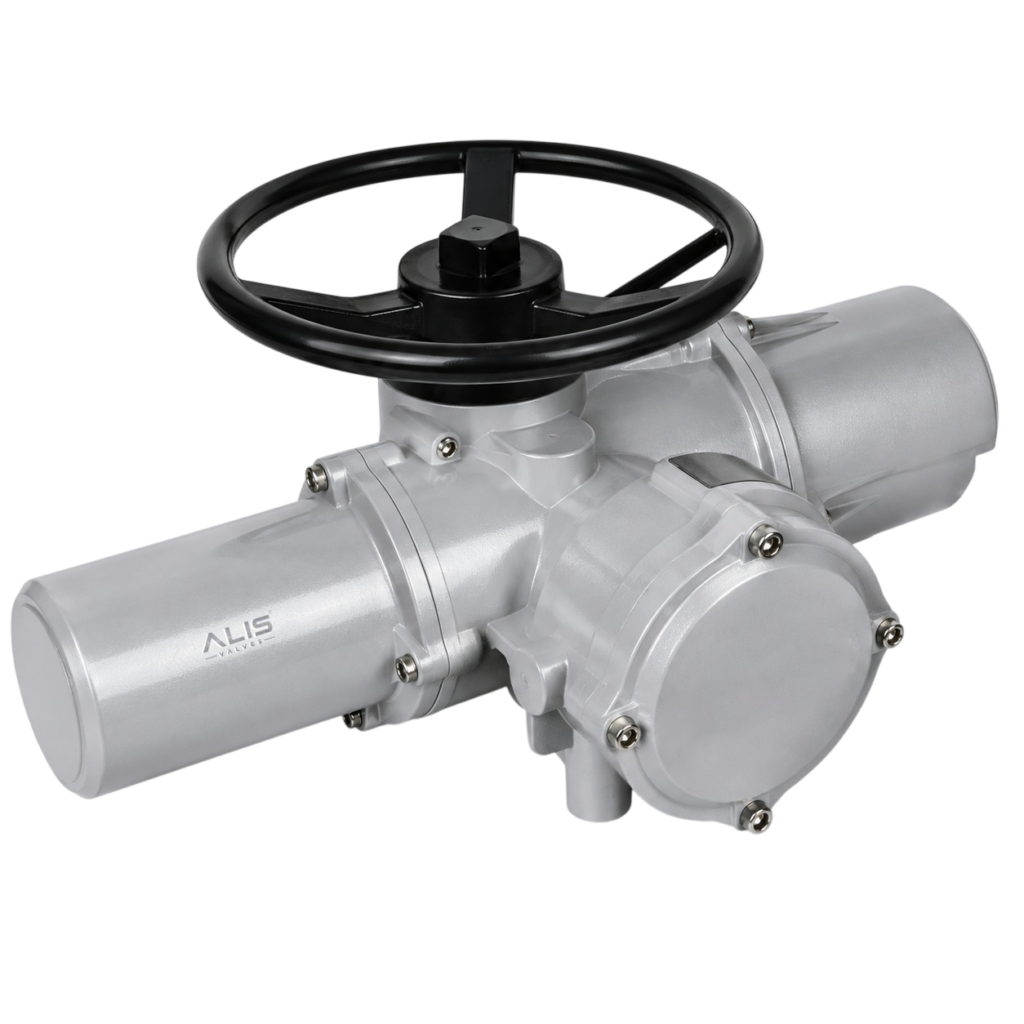
Alis Valves offers multi-turn electric actuator designed for reliable and precise automation of multi-turn valves such as Gate Valves, Globe Valves, and rising-stem valves. The actuator converts electrical energy into controlled rotary output to provide accurate opening, closing, and positioning of industrial valves.
Output Type
Multi-Turn Rotary
Torque Range
Model Dependent
Frequency
50 / 60 Hz
Protection Class
IP65 / IP67 / IP68 (Model Dependent)
Ambient Temperature
Typically -20°C to +60°C
Accessories
Local Control Station / Position Indicator / Positioner / Torque Switch
Output Torque
Application & Valve Size Dependent
Power Supply
24V DC / 110V AC / 230V AC / 415V AC
Duty Type
S2 / S4 (Model Dependent)
Insulation Class
Class F
Control Signal
Open/Close / 4–20 mA (Modulating Model)
Engineered valve solutions tailored for critical Cement operating processes.
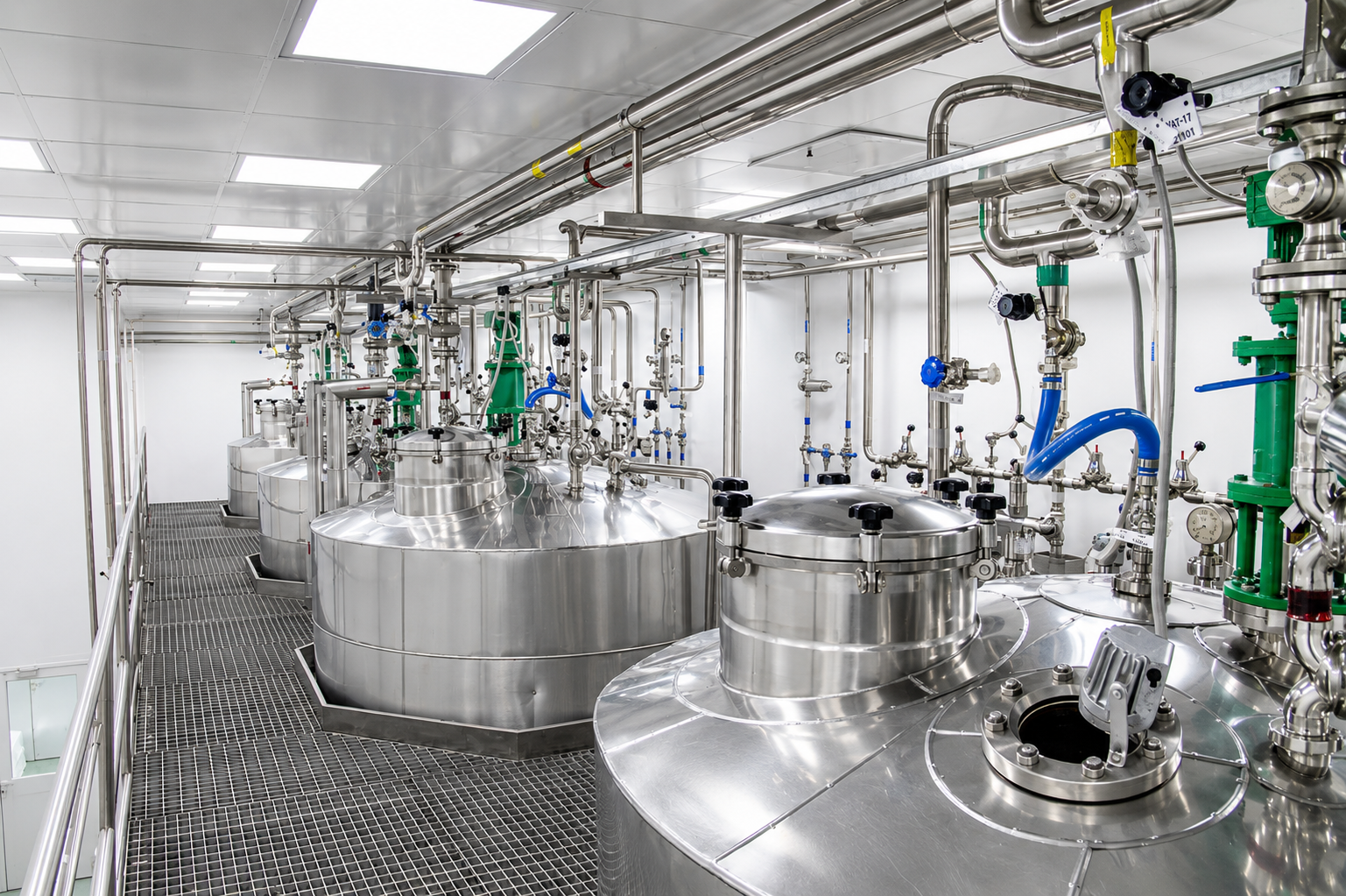
Engineered valve solutions tailored for critical Chemical operating processes.

Engineered valve solutions tailored for critical Data centres operating processes.

Engineered valve solutions tailored for critical Fertilizer operating processes.

High-performance flow automation engineered for Ammonia operations.

High-performance flow automation engineered for CO₂ operations.
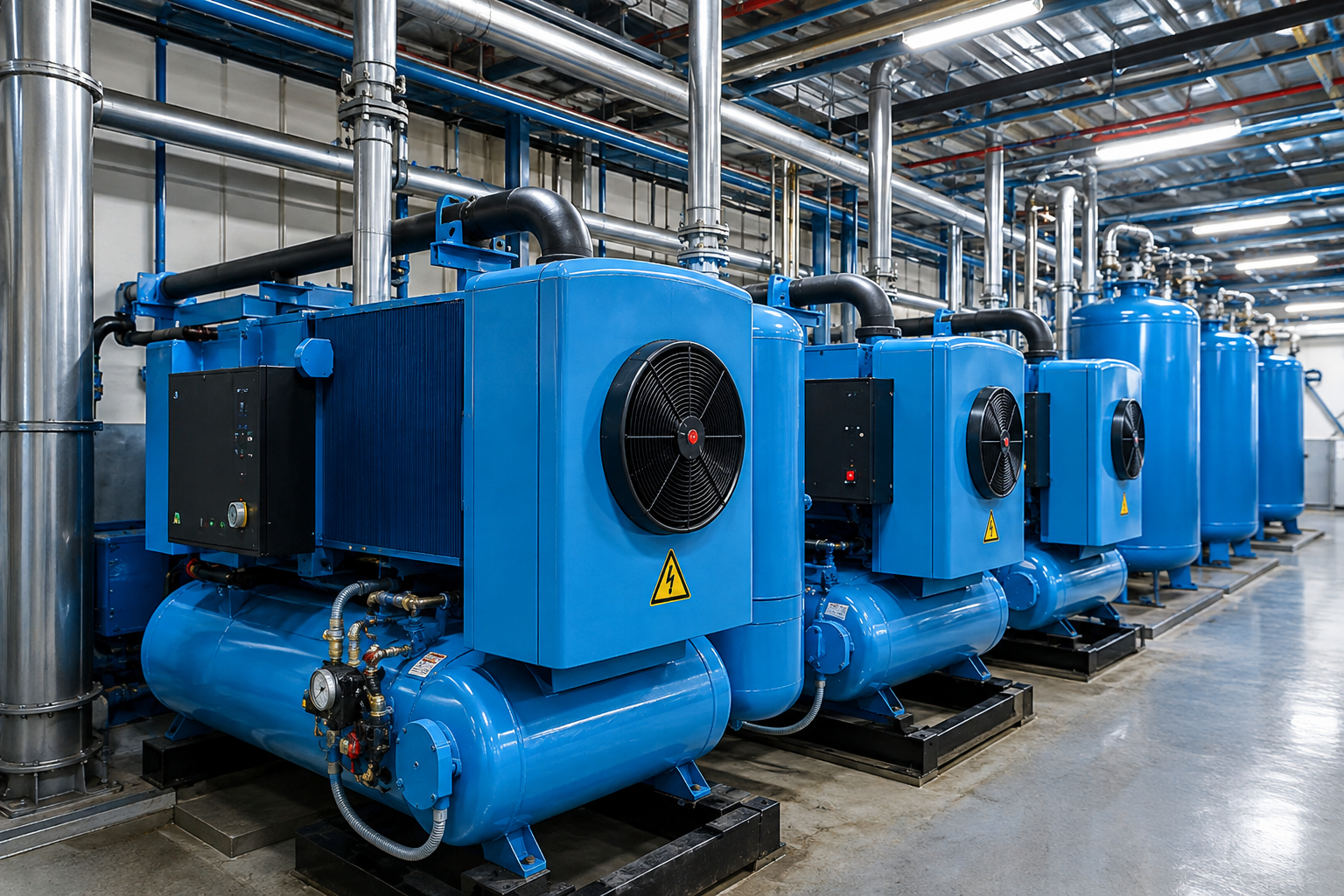
High-performance flow automation engineered for Compressed Air operations.
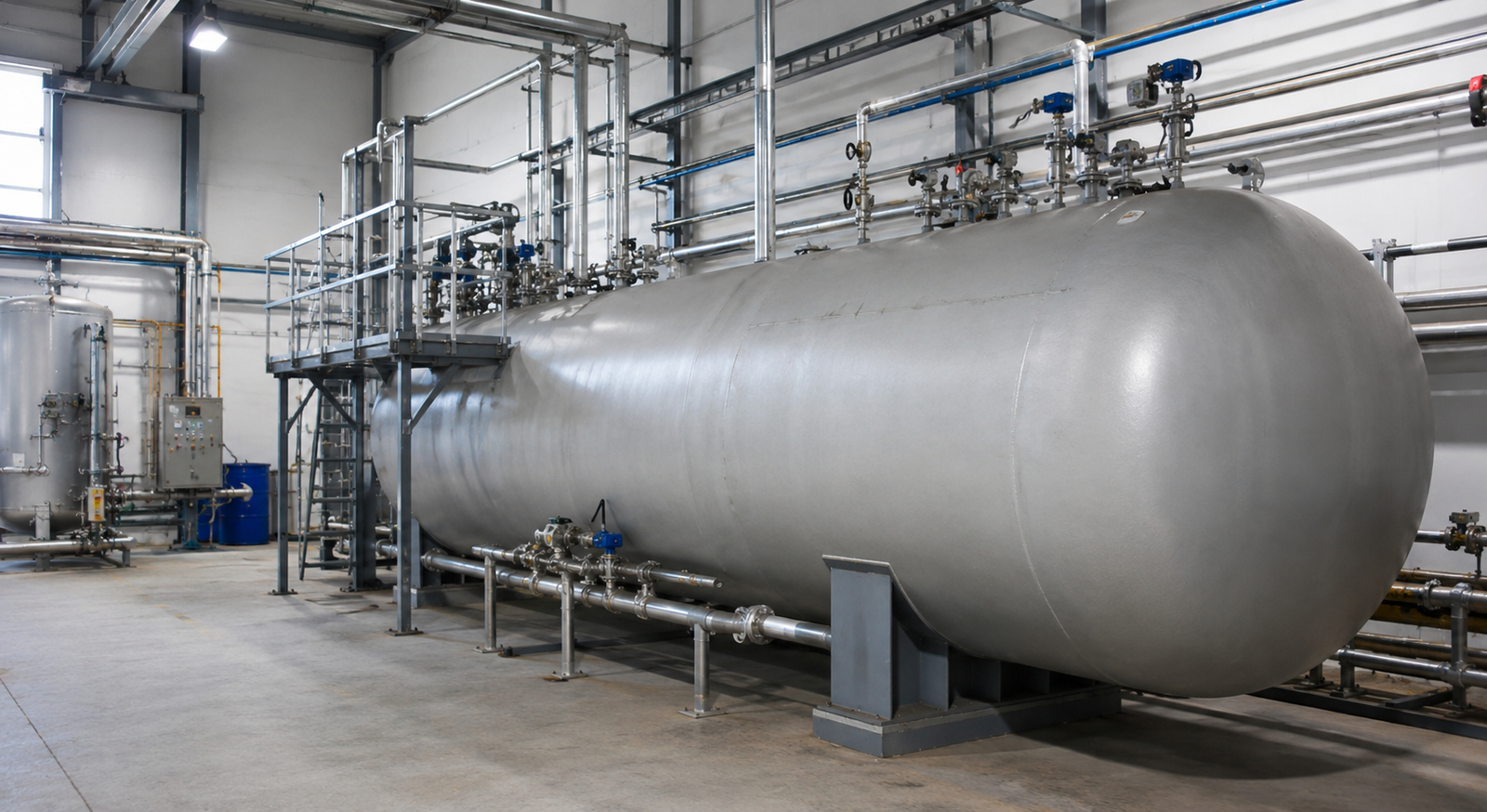
High-performance flow automation engineered for Cryogenic operations.
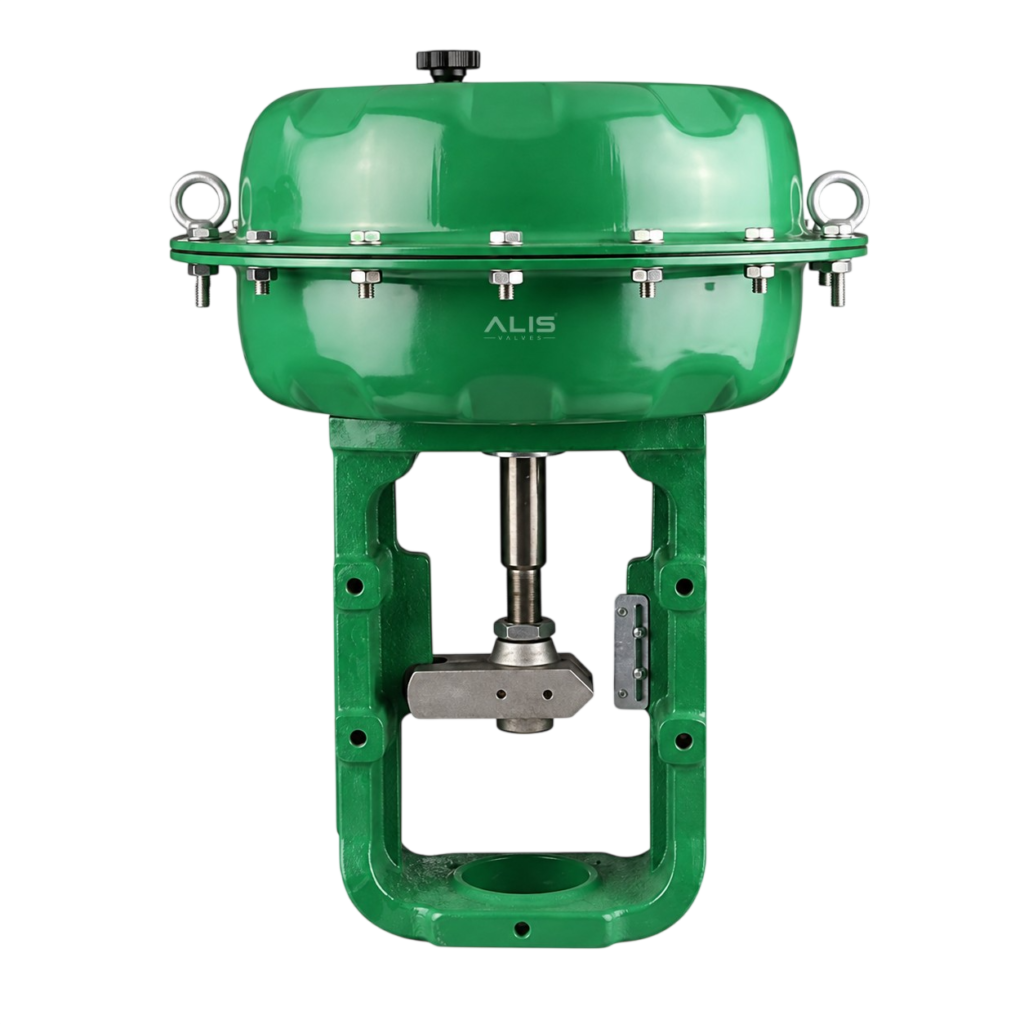
Alis Valves offers high-performance Diaphragm Actuators designed for accurate and reliable control…
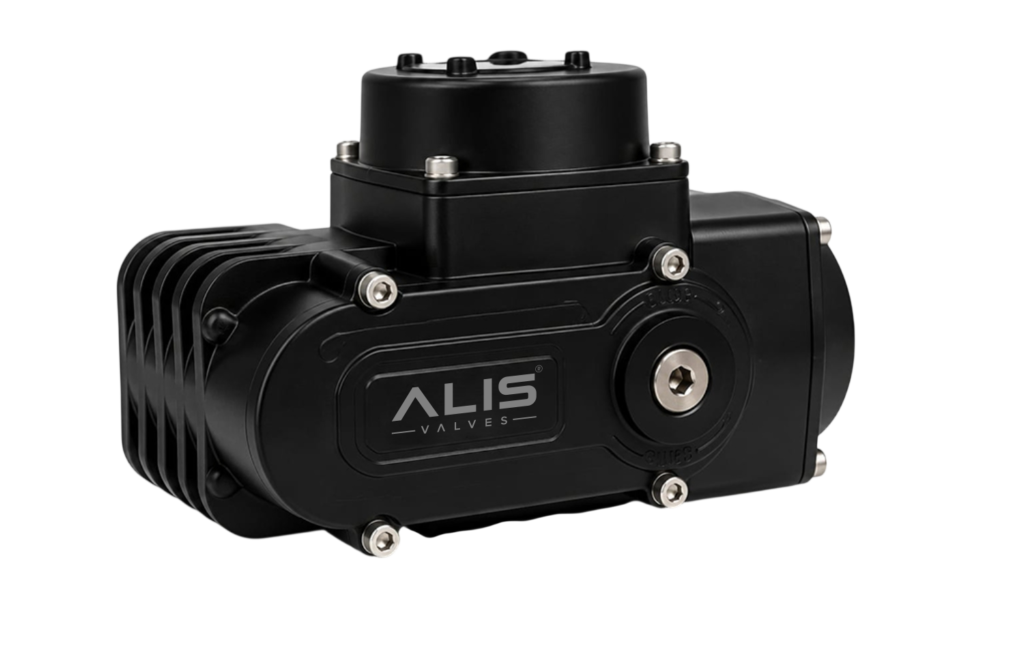
Alis Valves is a trusted Electric Actuator Manufacturer & Supplier in India,…
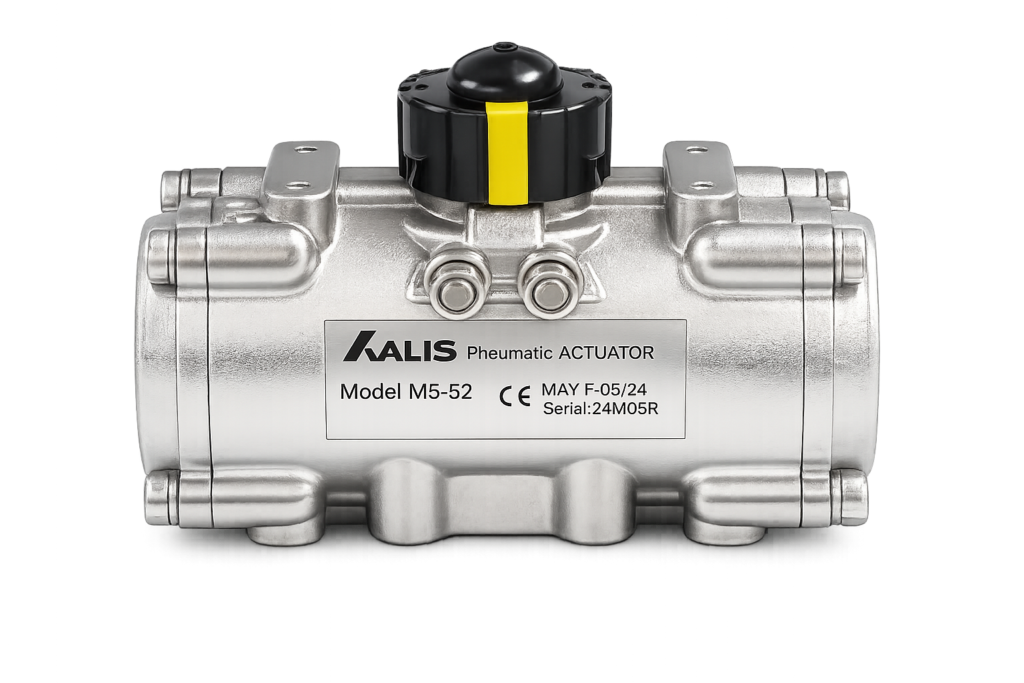
A Stainless Steel Pneumatic Actuator is a corrosion-resistant quarter-turn actuator designed to…
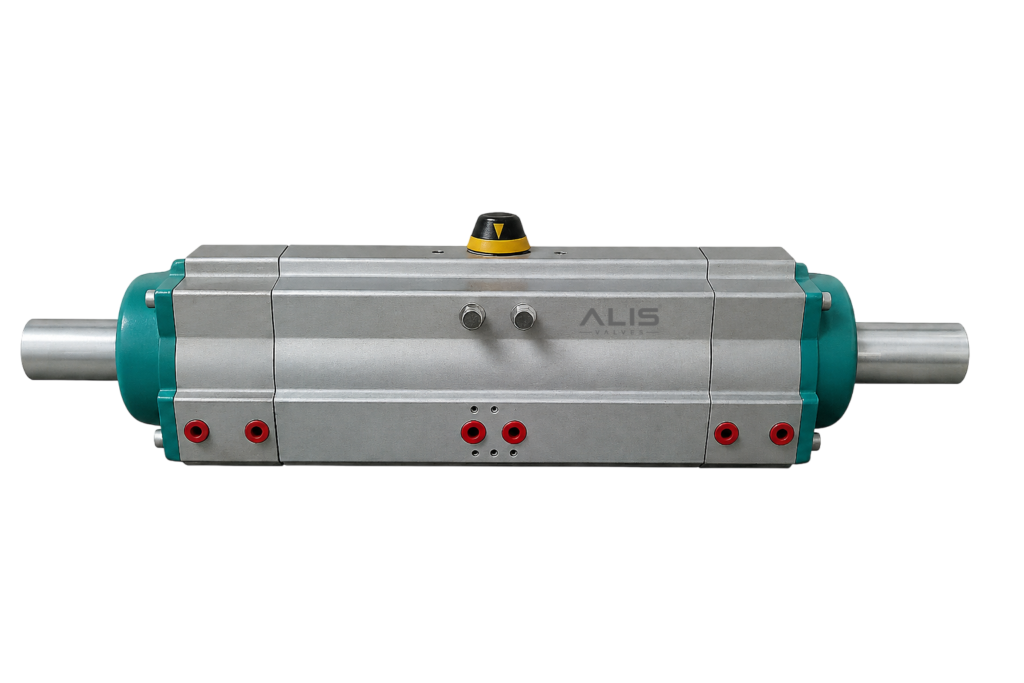
The Scotch Yoke Pneumatic Actuator is a high-performance quarter-turn actuator engineered to…