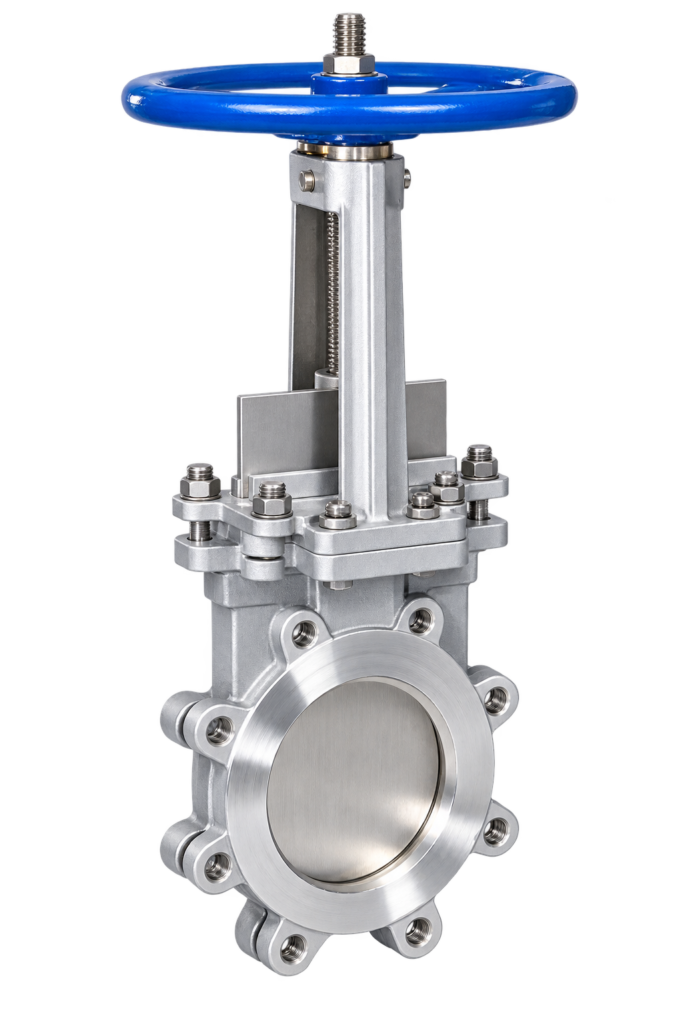
KNIFE EDGE GATE VALVE
Slurry Knife Gate Valve
Alis Valves offers high-performance Knife Gate Slurry Valves specially engineered for handling…

Engineered for Safety, Reliability & Performance in Demanding Process Applications
Alis Valves manufactures premium industrial valves for slurry applications, Slurry Valves Manufacturer in India engineered to deliver reliable flow control in mining, mineral processing, cement plants, power plants, wastewater treatment, chemical processing, and other abrasive fluid handling systems. Our comprehensive range of knife gate valves, ball valves, butterfly valves, pinch valves, gate valves, check valves, control valves, pneumatic actuated valves, and electric actuated valves is designed to handle abrasive slurries, tailings, ash, ore, pulp, and high-solid-content media. Built to international standards, our valves provide exceptional wear resistance, leak-free sealing, and long service life under severe operating conditions.
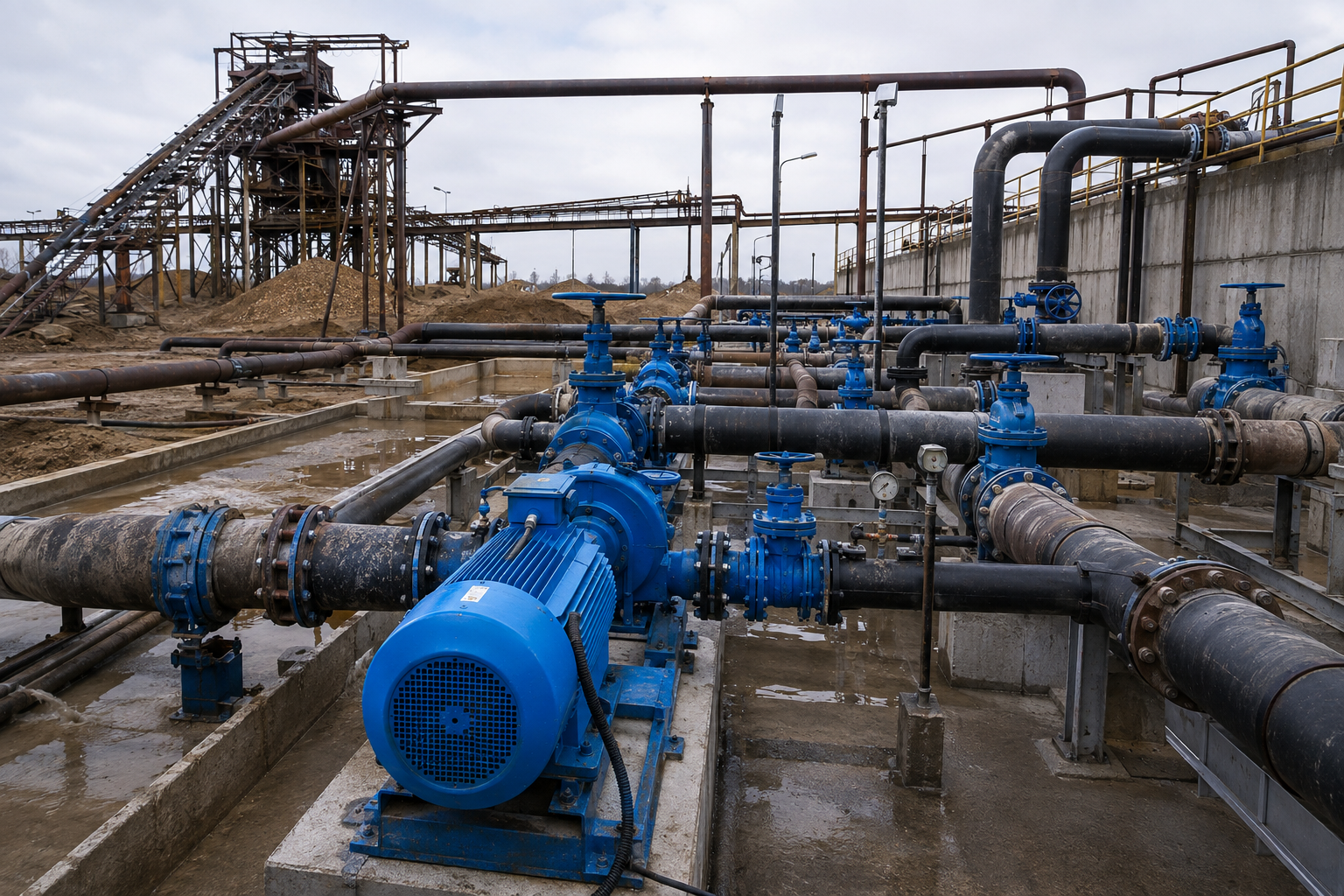
Valve Solutions for Slurry
A wide range of high-performance valves designed to meet the critical demands of Slurry applications.
Alis Valves offers high-performance Knife Gate Slurry Valves specially engineered for handling…
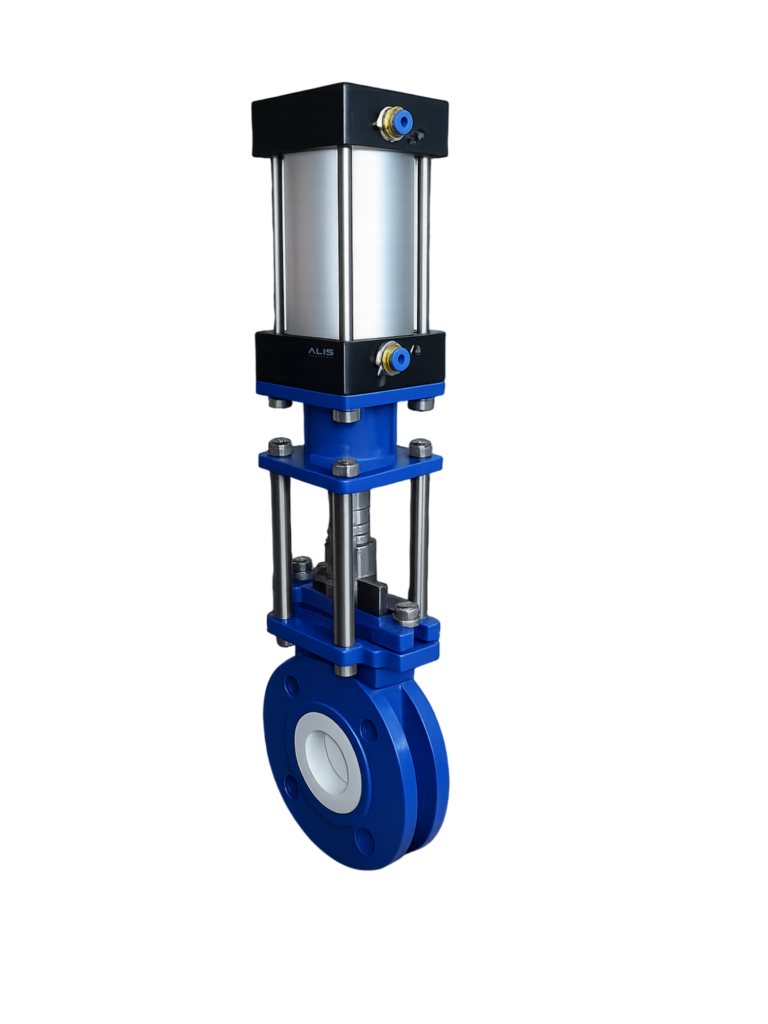
Alis Valves offers high-performance Ceramic Lined Slurry Valve Manufacturer Supplier in India…
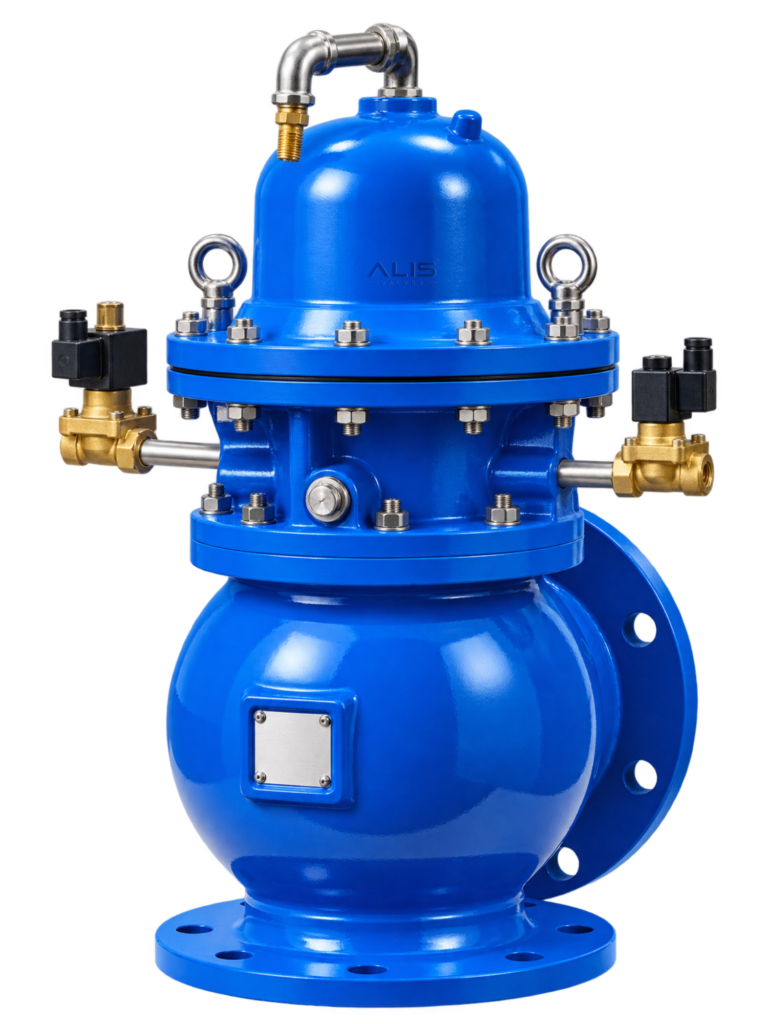
Alis Valves is a trusted Slurry Discharge Valve Manufacturer & Supplier in…
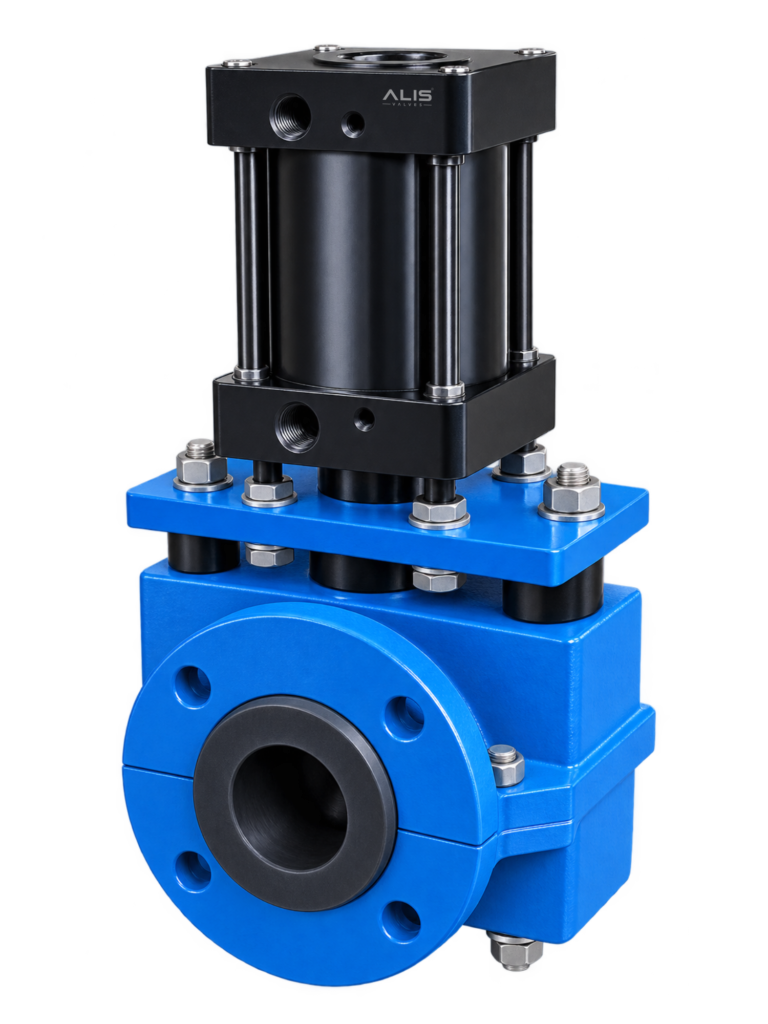
Alis Valves is a trusted Slurry Pinch Valve Manufacturer Supplier in India…
Product Categories for Slurry
Explore key valve categories and automated packages engineered for Slurry applications.
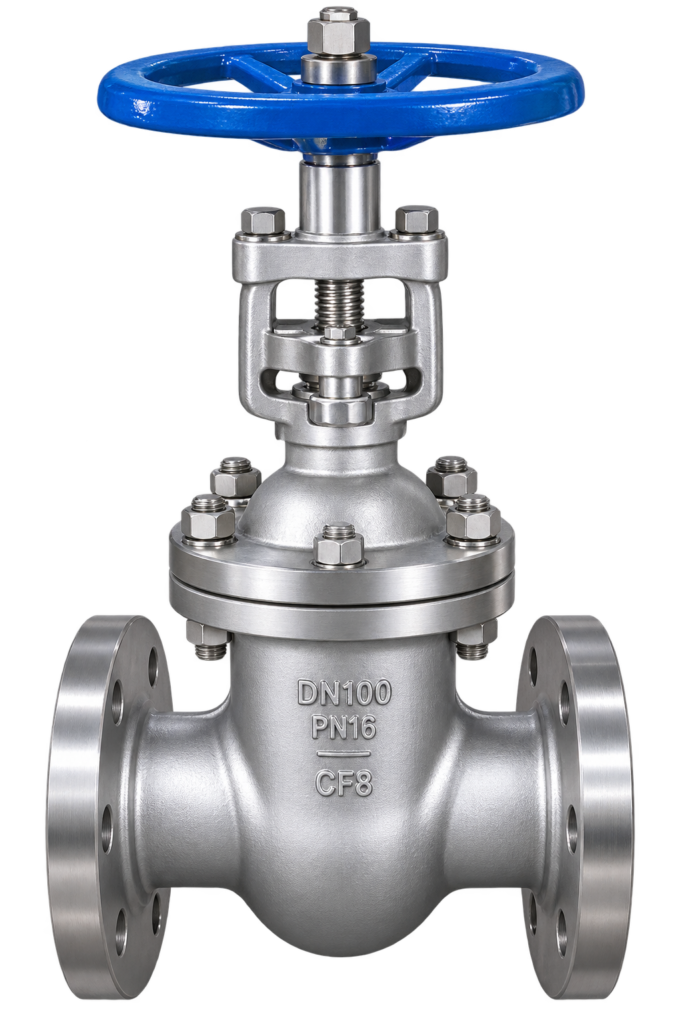
Engineered Gate Valve engineered for superior reliability and severe service performance.
Slurry Valve engineered for efficient flow control of slurry, tailings, ash, and process fluids in mining, chemical processing, power plants,…
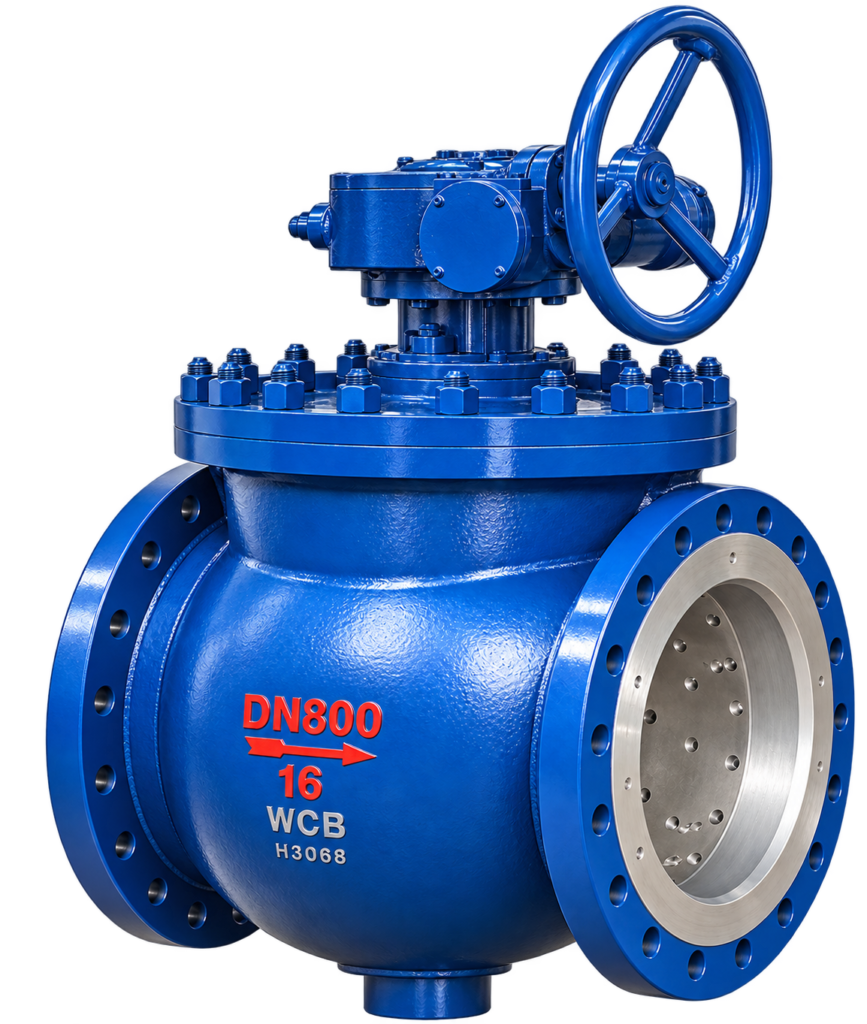
Special Valves engineered to meet unique process requirements, including high pressure, high temperature, corrosive media, and abrasive service. Built for…
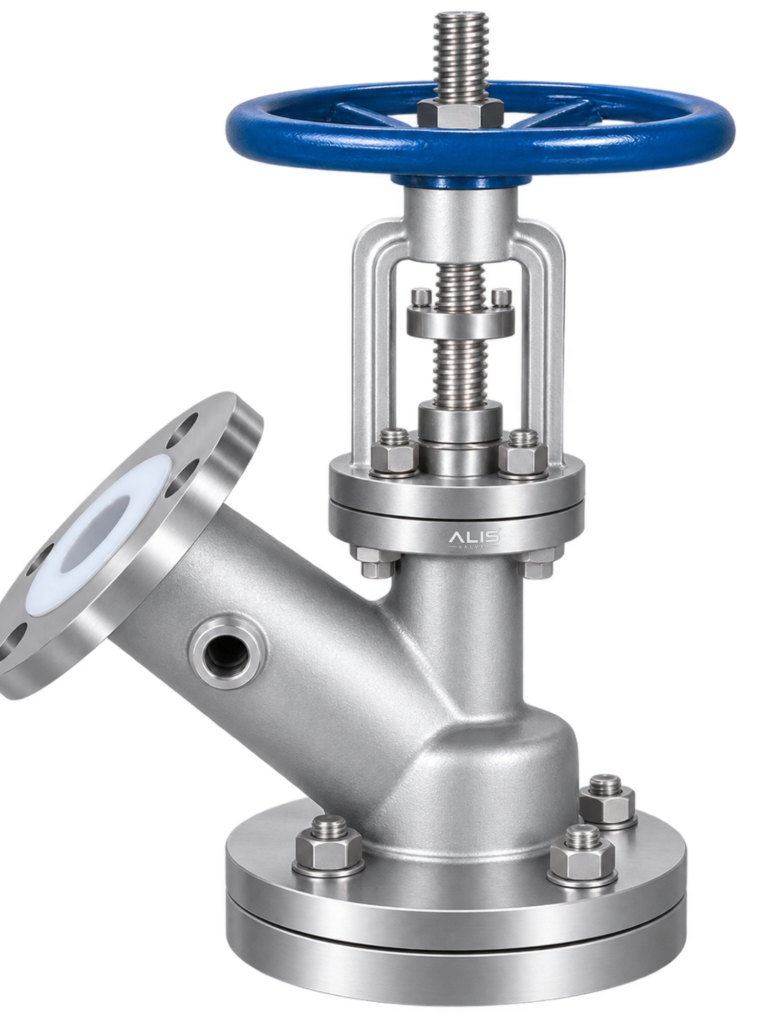
Discharge Valve engineered for accurate flow control and safe discharge of bulk materials and process fluids. Ideal for chemical processing,…
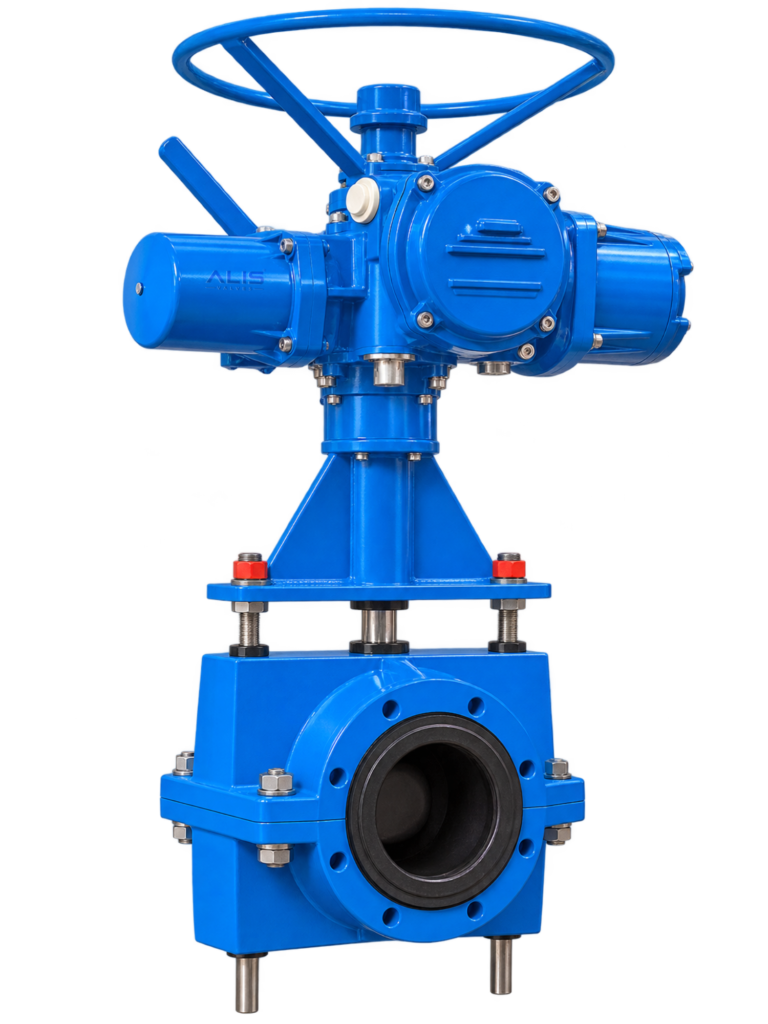
Pinch Valves engineered with an elastomer sleeve to provide full-bore flow, bubble-tight sealing, and clog-free performance. Ideal for handling slurries,…
Application Scope & Process Solutions
Engineered valve packages, automated assemblies, and specialized flow control systems designed for critical operating units.
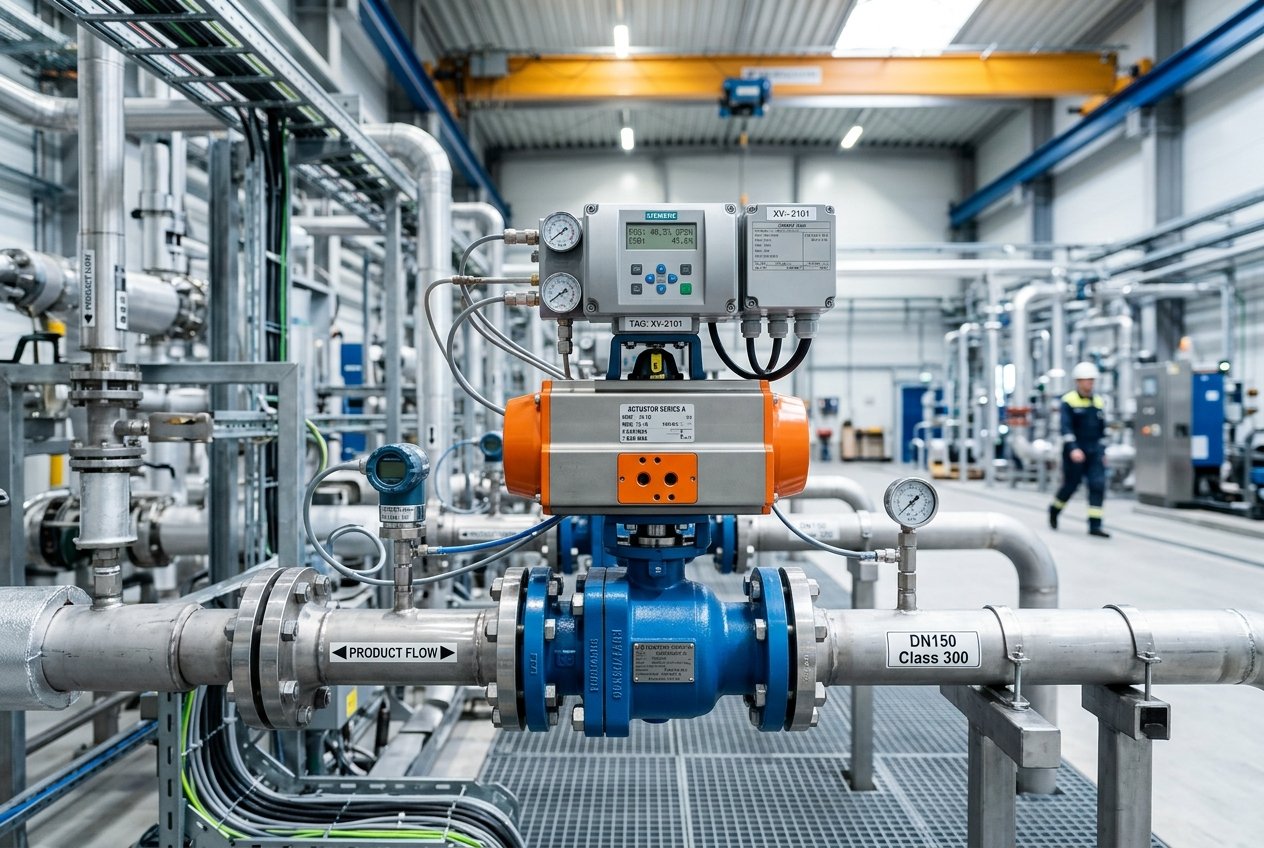
Factory-assembled valve packages with pneumatic or electric actuators, accessories, and control components for reliable and efficient process automation.
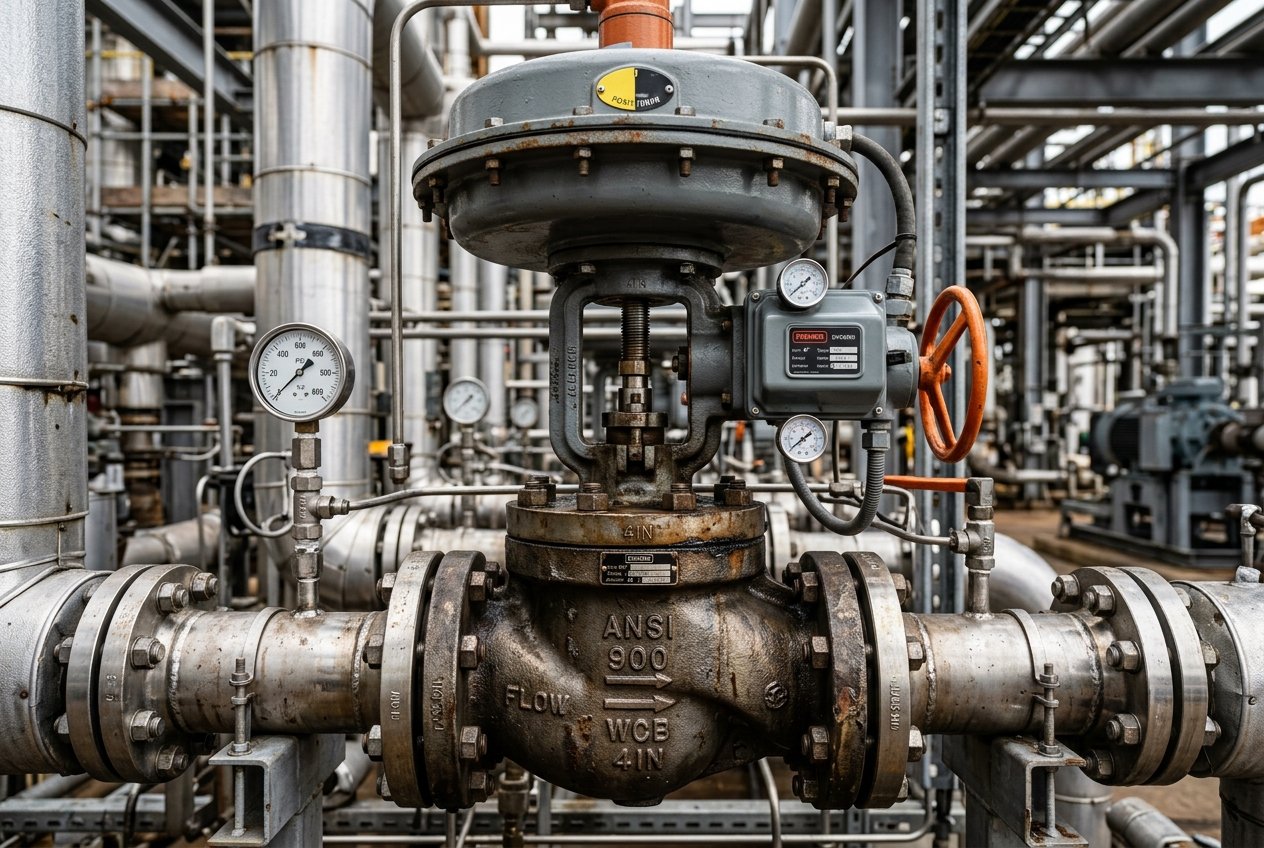
Engineered control and isolation valves for high-pressure, high-temperature, abrasive, and corrosive process conditions across demanding industrial applications.
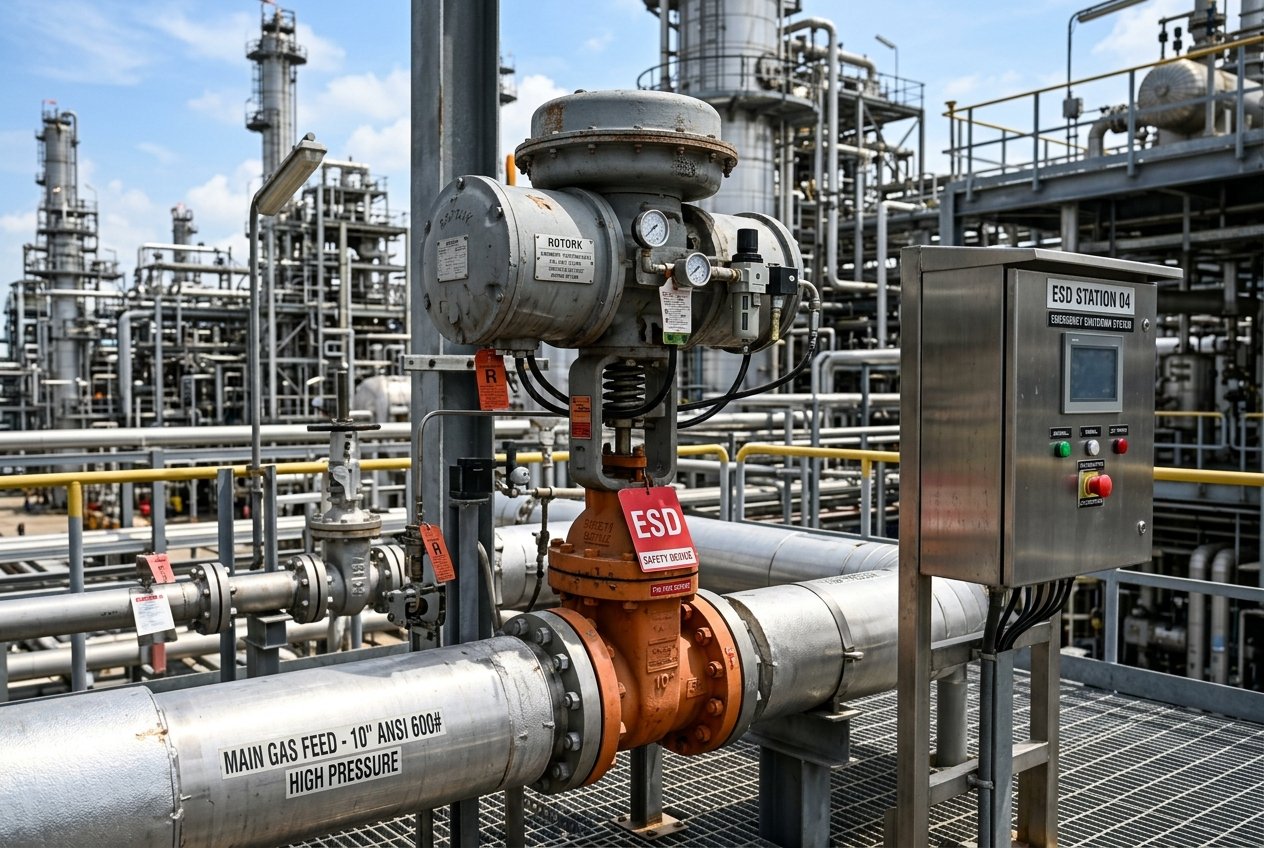
Safety-focused emergency shutdown valve assemblies with suitable fail-safe actuation and control interfaces to support rapid process isolation in critical applications.
Built for Demanding Conditions
Up to Class 1500 (ASME B16.34)
-20°C to +450°C
1/2" to 20"
DN 15 to DN 500
Flanged, Wafer, Lug, Threaded, Butt Weld, Socket Weld
WCB, CF8, CF8M, SS304, SS316, Duplex Stainless Steel, High Chrome Alloy, Ceramic-Lined, Rubber-Lined, PTFE-Lined
API 6D, API 608, API 609, API 598, ASME B16.34, ANSI, DIN, BS, ISO
Got Questions?
Common questions about valve design, performance, and automation for this application.