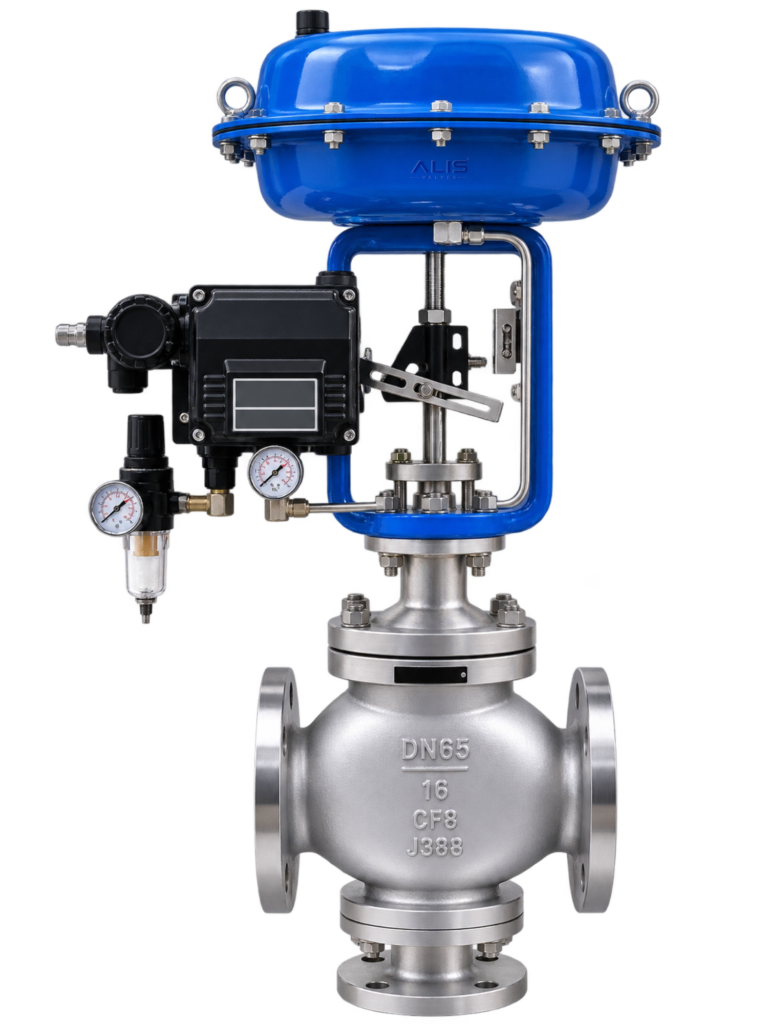
3 Way Control Valve
3 Way Diaphragm Type Control Valve
Alis Valves is an 3 Way Diaphragm Type Control Valve Manufacturer in…

Engineered for Safety, Reliability & Performance in Demanding Process Conditions
Alis Valves manufactures high-performance industrial valves for OEMs and Machinery Industries, delivering reliable flow control solutions for equipment manufacturers, system integrators, process plants, and industrial automation applications. Our comprehensive range of ball valves, butterfly valves, gate valves, globe valves, check valves, control valves, pneumatic actuated valves, electric actuated valves, and customized valve assemblies is designed to integrate seamlessly into OEM machinery and complex process systems. Engineered to international standards, our valves provide precision, durability, and long-term reliability across diverse industrial applications.
Valve Solutions for OEM & Machinery
A wide range of high-performance valves designed to meet the critical demands of OEM & Machinery applications.
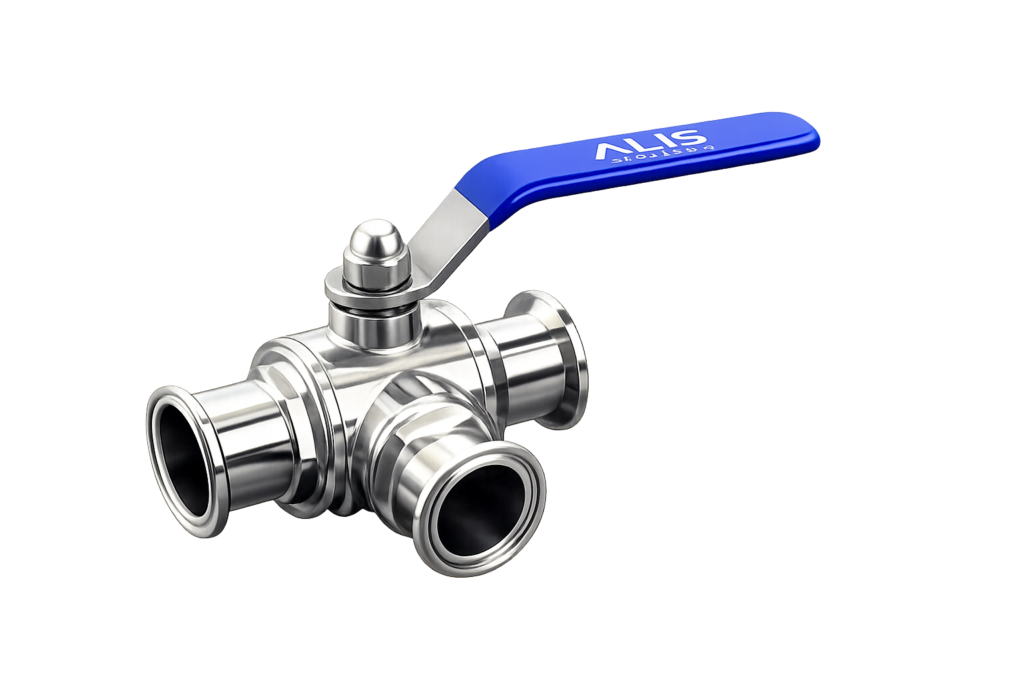
Alis Valves is an 3 Way Diaphragm Type Control Valve Manufacturer in…
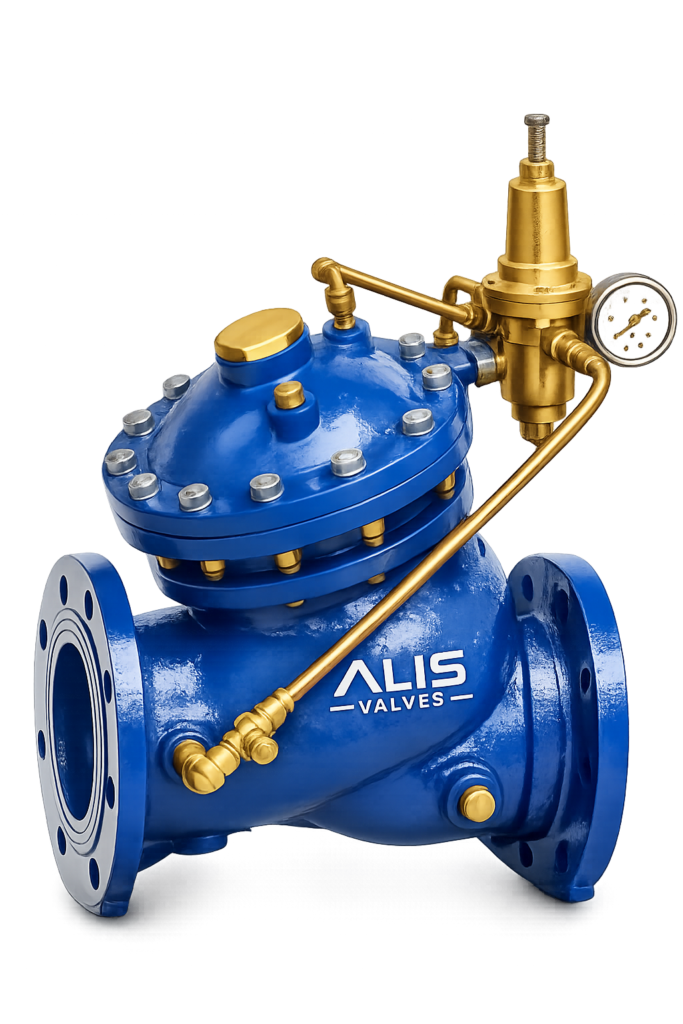
The Adjustable Pressure Reducing Valve (PRV) is a self-operated control valve designed…
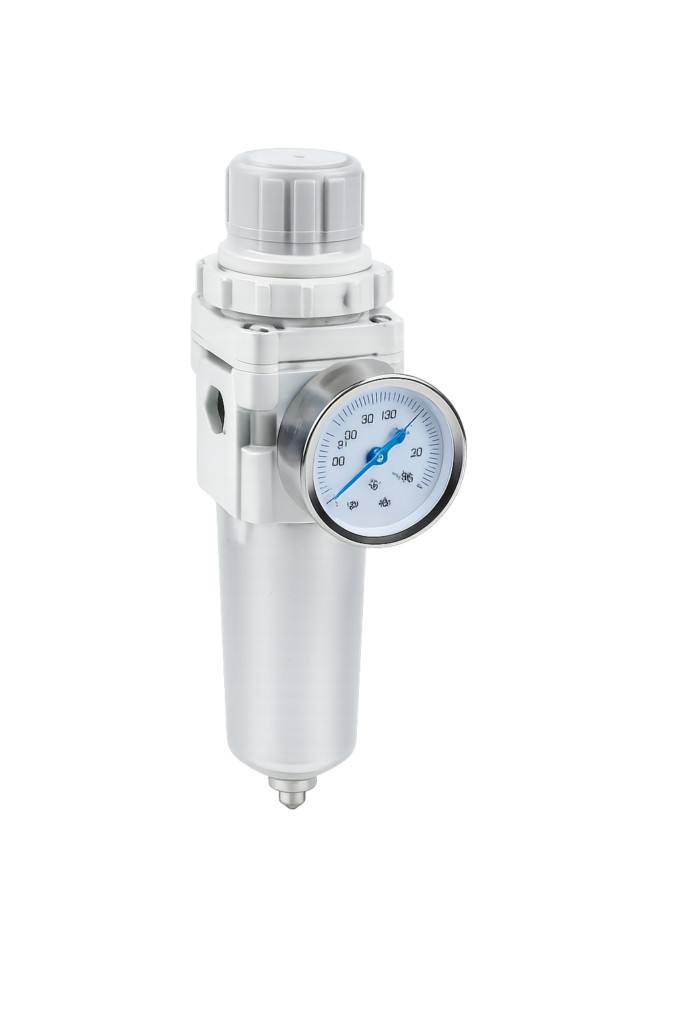
Alis Valves is a trusted Air Filter Regulator (AFR) Manufacturer Supplier in…
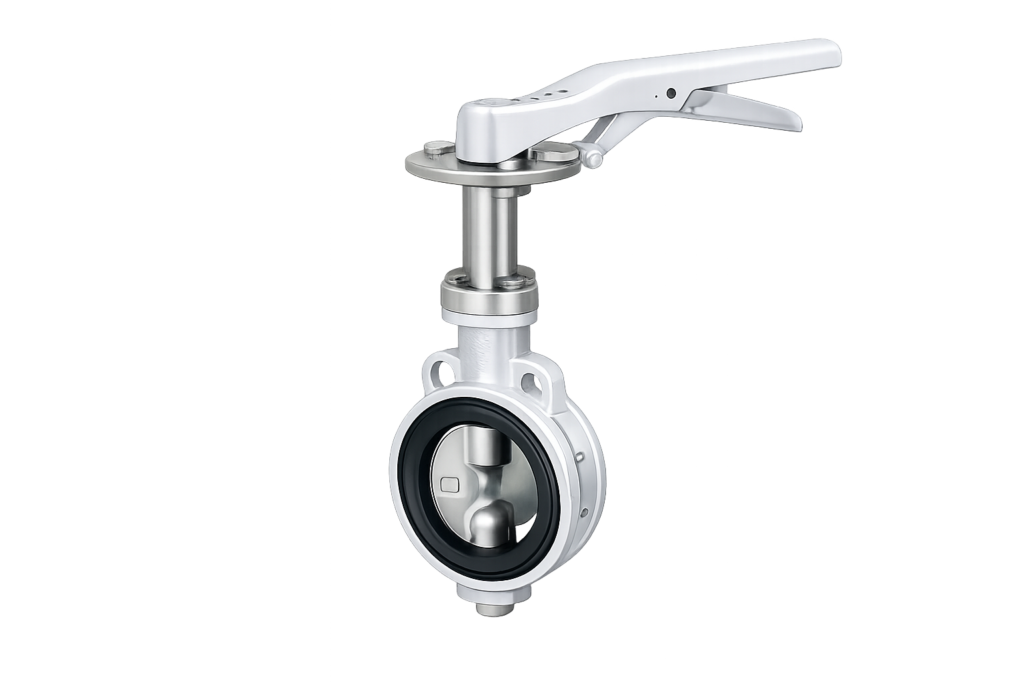
Alis Valves is a trusted Aluminum Butterfly Valve Manufacturer & Supplier in…
Built for Demanding Conditions
Up to Class 2500 (ASME B16.34)
-196°C to +650°C
1/2" to 20"
DN 15 to DN 500
Flanged, Wafer, Lug, Threaded, Socket Weld, Butt Weld, TC End
Cast Iron, Ductile Iron, WCB, CF8, CF8M, SS304, SS316, Duplex, Super Duplex, Hastelloy, Monel, PTFE & PFA Lined
API 6D, API 608, API 609, API 598, ASME B16.34, ANSI, DIN, BS, ISO
Got Questions?
Common questions about valve selection, specifications, and certifications for this industry.