INDUSTRY

LNG Industry Solutions

Engineered for Safety, Reliability & Performance in Demanding Process Conditions

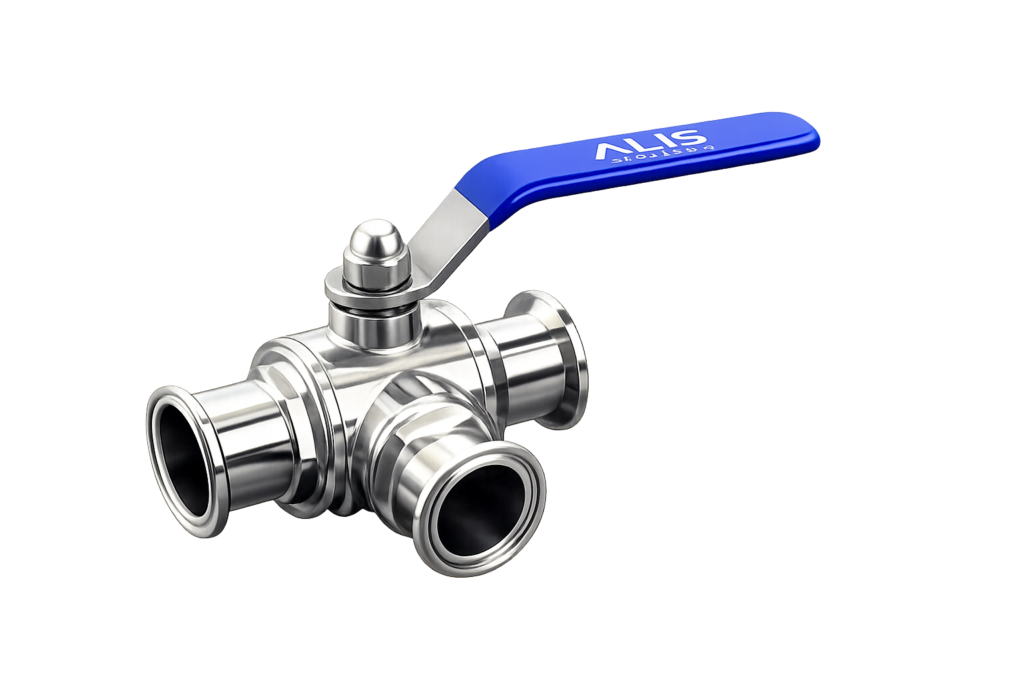
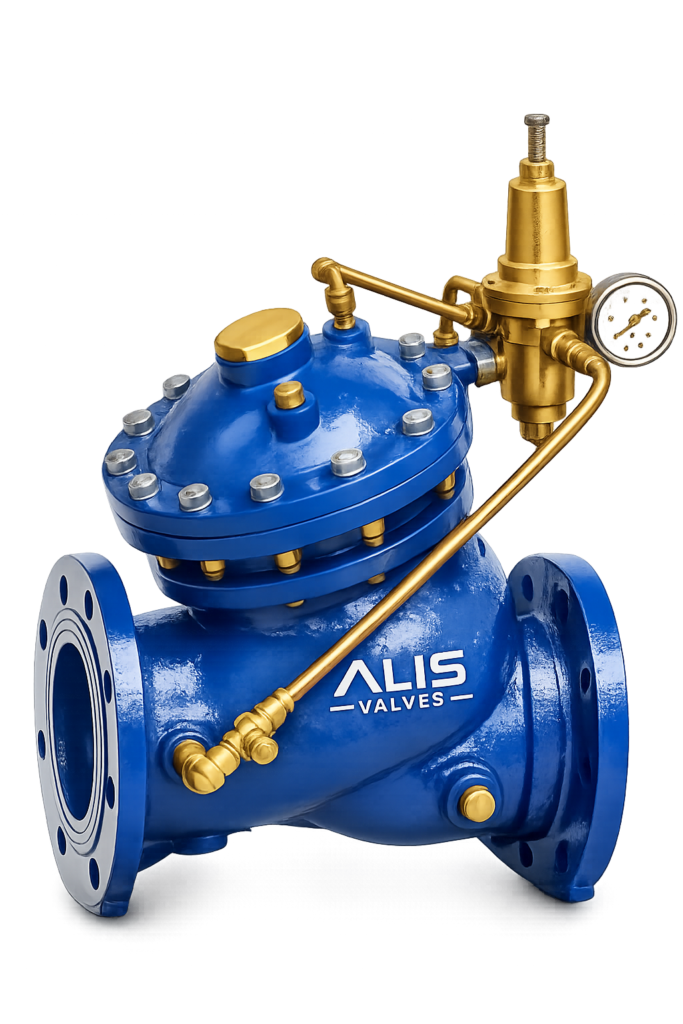
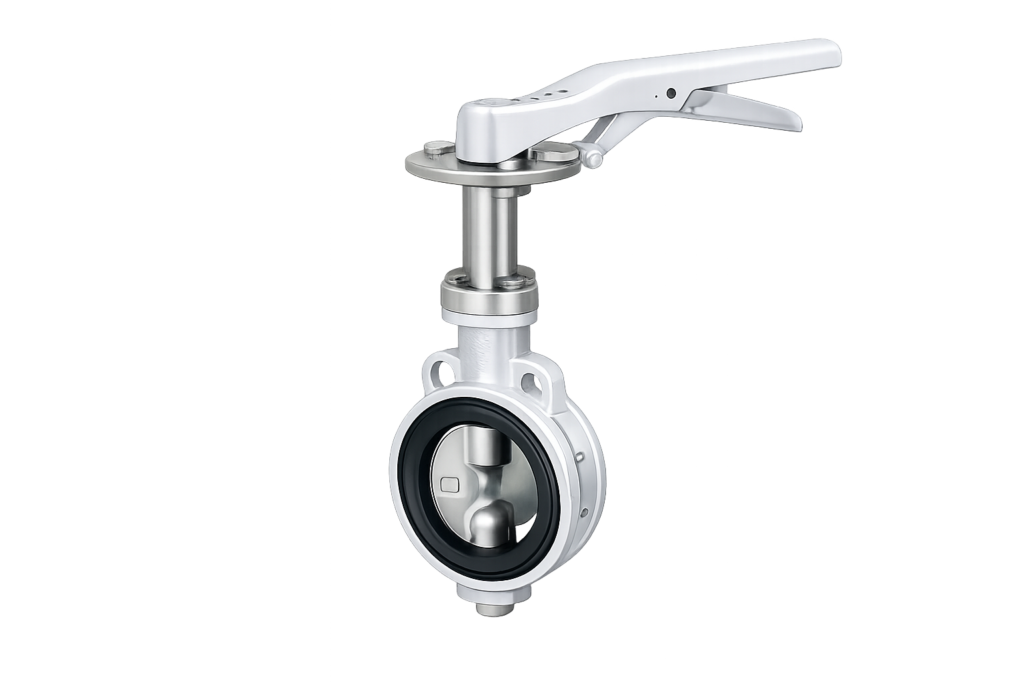
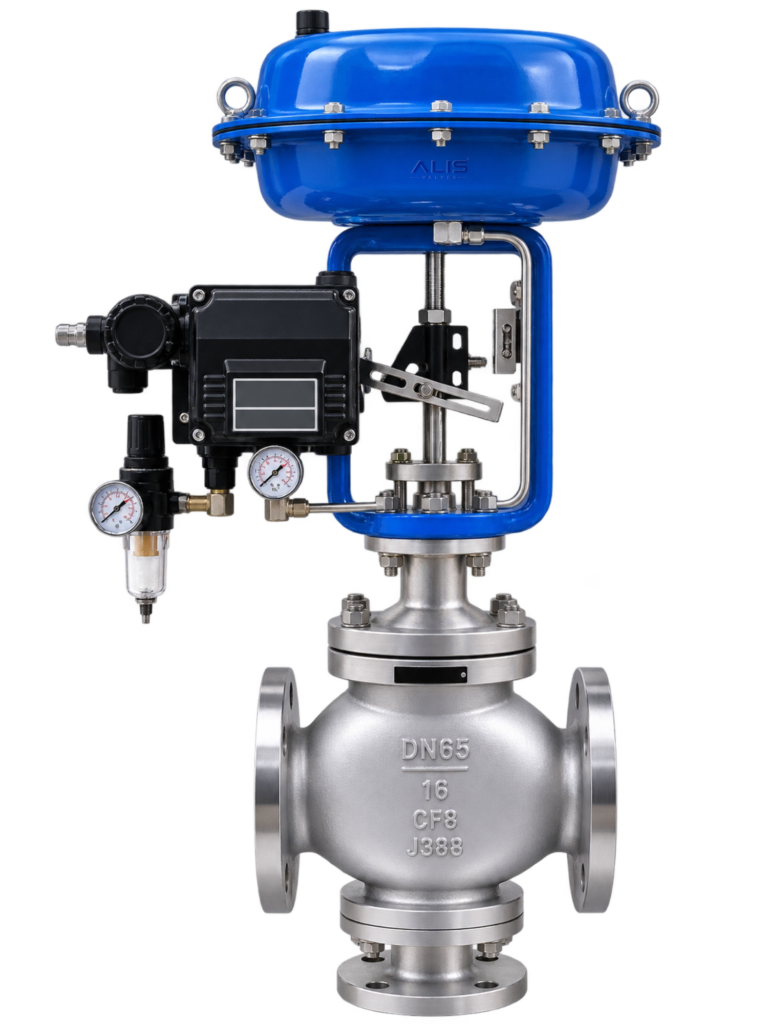
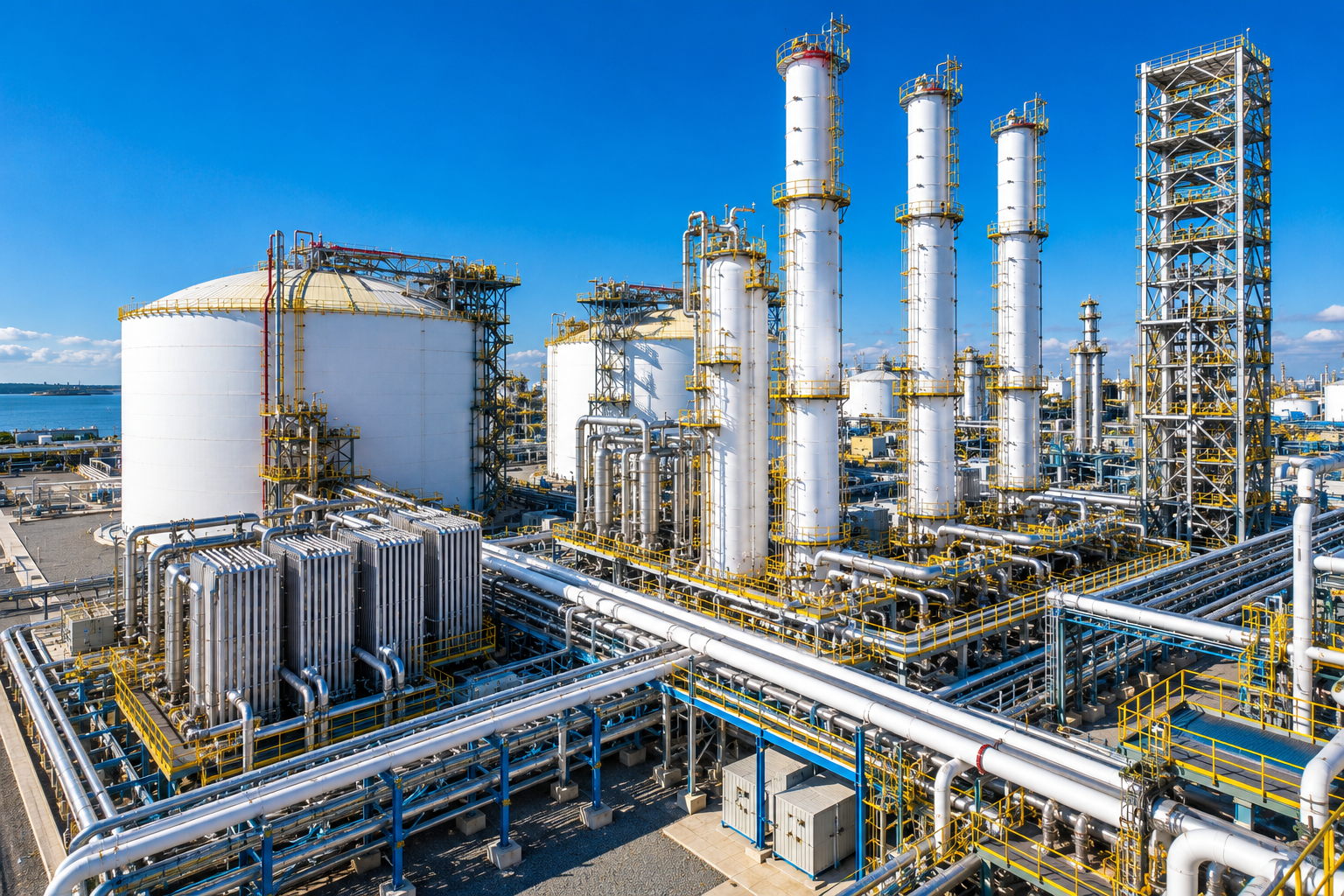
Alis Valves manufactures premium LNG Valves Manufacturer in India, engineered to perform reliably under extremely low temperatures and demanding operating conditions. Our comprehensive range of cryogenic ball valves, butterfly valves, gate valves, globe valves, check valves, control valves, pneumatic actuated valves, and electric actuated valves is designed for LNG terminals, liquefaction plants, regasification facilities, cryogenic storage tanks, industrial gas plants, and pipeline systems. Built to international standards, our valves ensure safe operation, leak-free sealing, and dependable flow control for liquefied natural gas and cryogenic fluids.
Ultra-Low Temperature Performance
Leak-Free Sealing
Cryogenic Safety & Reliability
Automation Ready
LNG

Why ALIS Valves for LNG?

  • Designed for LNG, LNG terminals, and cryogenic process industries
  • Reliable operation at ultra-low temperatures up to -196°C
  • Extended bonnet design for cryogenic service
  • Fire-safe and low-emission valve construction
  • Available with pneumatic and electric automation
  • Manufactured according to API, ASME, BS, ISO & international standards
  • Long service life with minimal maintenance requirements

Typical Applications

  • LNG Liquefaction Plants
  • LNG Regasification Terminals
  • LNG Storage Tanks
  • LNG Loading & Unloading Systems
  • Natural Gas Processing Plants
  • Cryogenic Pipelines
  • Industrial Gas Plants
  • Liquid Oxygen (LOX) Systems
  • Liquid Nitrogen (LIN) Systems
  • Liquid Argon (LAR) Systems
  • Hydrogen Applications
  • Cryogenic Process Control

Pressure Rating

Up to Class 2500 (ASME B16.34)

Temperature Range

-196°C to +200°C

Size Range

1/2" to 20"
DN 15 to DN 500

End Connections

Flanged, Butt Weld, Socket Weld, Threaded, RTJ

Materials

SS304, SS304L, SS316, SS316L, CF8, CF8M, Duplex Stainless Steel, Monel, Inconel

Standards

API 6D, API 608, API 602, API 609, API 598, BS 6364 (Cryogenic Service), ASME B16.34, ISO 28921, ANSI

Frequently Asked Questions

Common questions about valve selection, specifications, and certifications for this industry.
Cryogenic ball valves, gate valves, globe valves and other suitably designed valve types may be used in LNG systems. Selection depends on the process duty, operating pressure, temperature, pipeline design and required isolation or flow-control function.

A cryogenic valve is designed for service at very low temperatures. LNG applications require valves whose body materials, seats, seals and design are suitable for the specified cryogenic conditions, typically around −162°C for LNG at atmospheric pressure.

Materials such as austenitic stainless steels may be considered for cryogenic applications because of their low-temperature toughness. Final selection depends on the design temperature, pressure, valve construction, material specifications and applicable project requirements.

Extended bonnets help keep the valve stem packing farther from the extremely cold process fluid and can support suitable thermal management of the stem and sealing area. The required bonnet design depends on the valve configuration and the manufacturer's cryogenic design specifications.

Select valves designed and tested for the specified cryogenic service. Evaluate seat leakage requirements, stem sealing, thermal contraction, material compatibility and required testing. Follow the applicable project standards and manufacturer's installation instructions.

Yes, when the valve and actuator assembly are correctly specified for the application. Selection should consider operating torque at low temperature, fail-safe requirements, control signals, power or air supply and any required hazardous-area approvals.
Consider the design temperature, operating pressure, flow rate, required isolation, end connections, leakage criteria and compatibility with the loading system. Confirm cryogenic suitability, actuator requirements and applicable project safety standards before finalizing the valve selection.
A cryogenic valve is specifically designed and qualified for low-temperature operating conditions. Its materials, sealing components, stem arrangement and testing requirements must be suitable for the specified LNG service, unlike a standard valve that may not be rated for cryogenic temperatures.
Chemical

Chemical

Food and Beverage

Food and Beverage

Data centres

Data centres

HVAC

HVAC