APPLICATION

Cryogenic Application Solutions

Engineered for Safety, Reliability & Performance in Demanding Process Applications

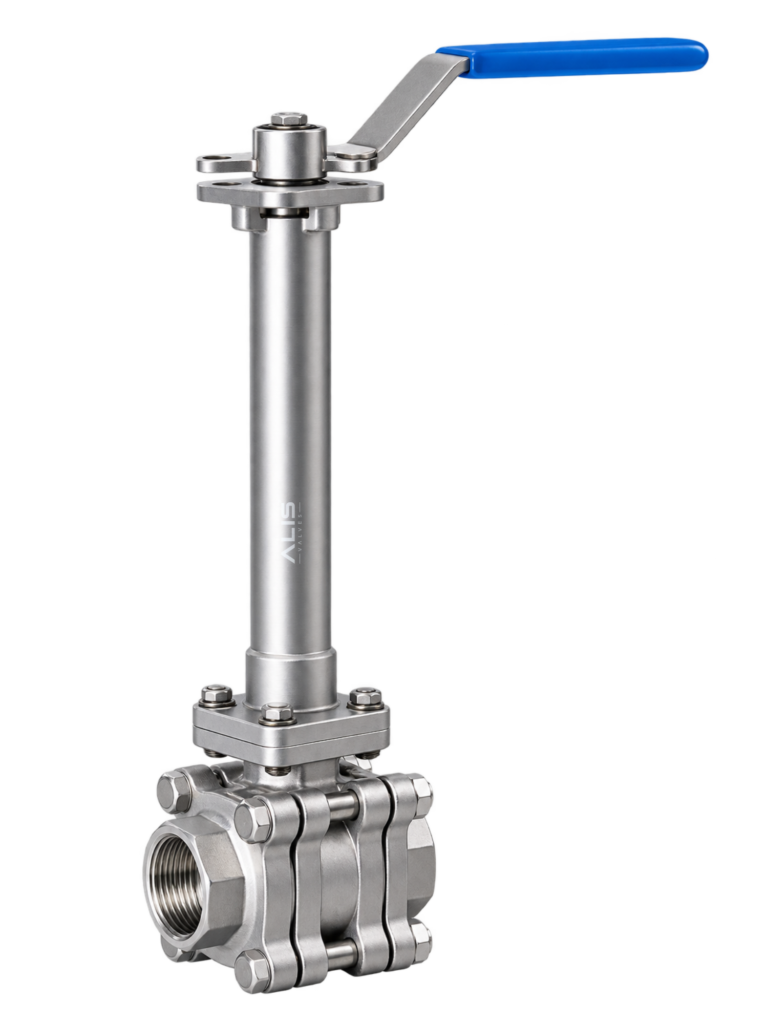
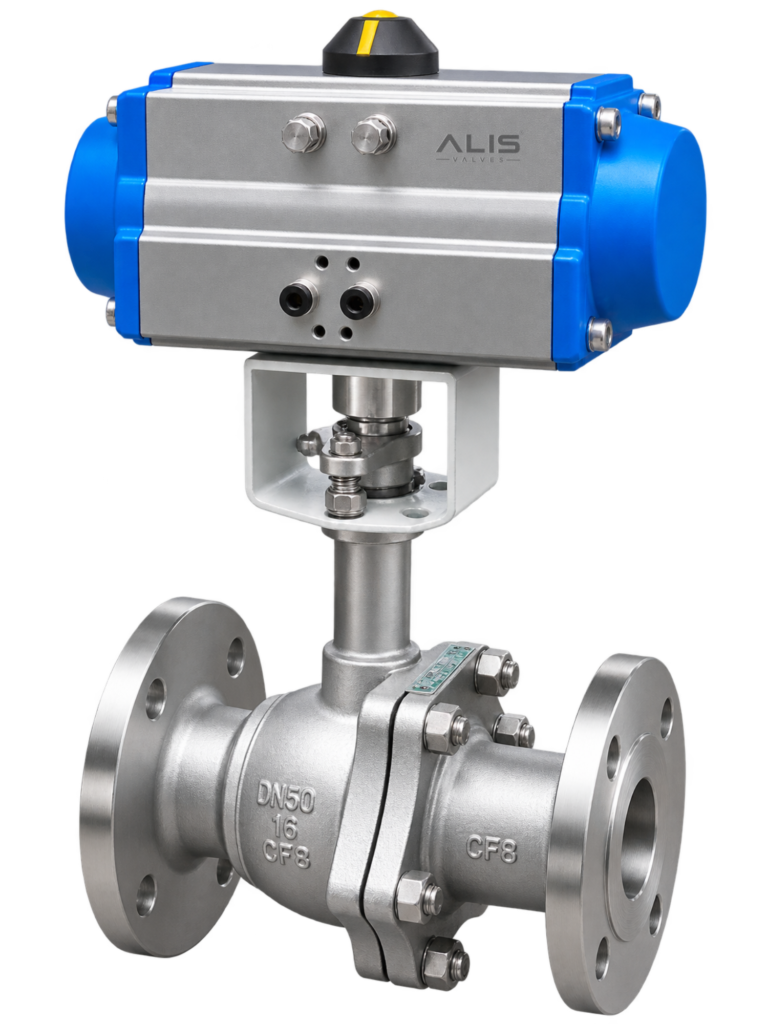
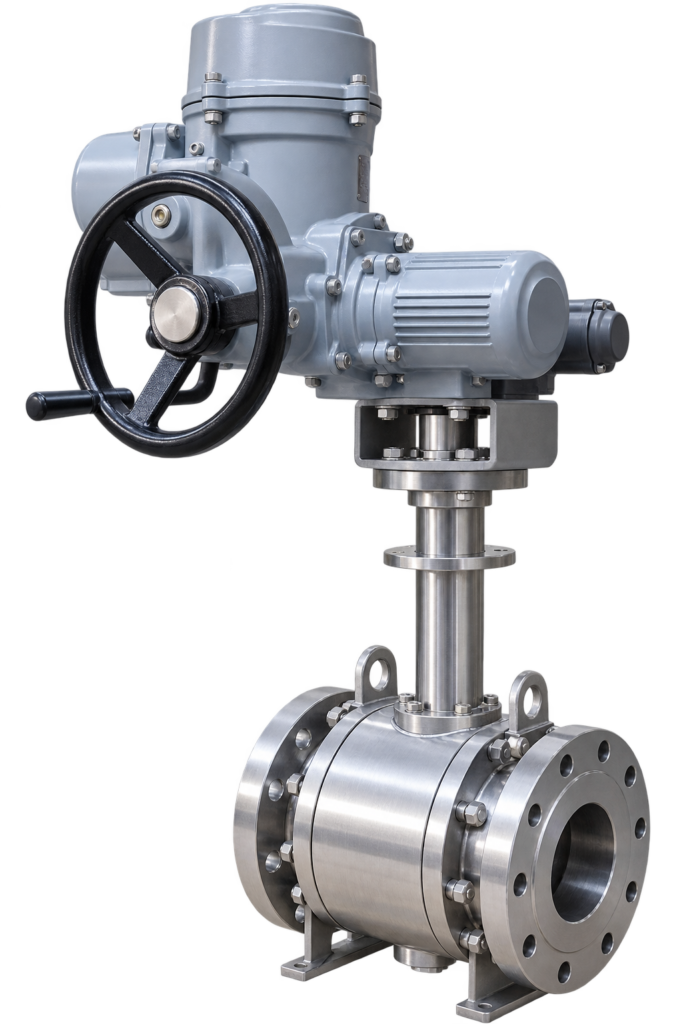
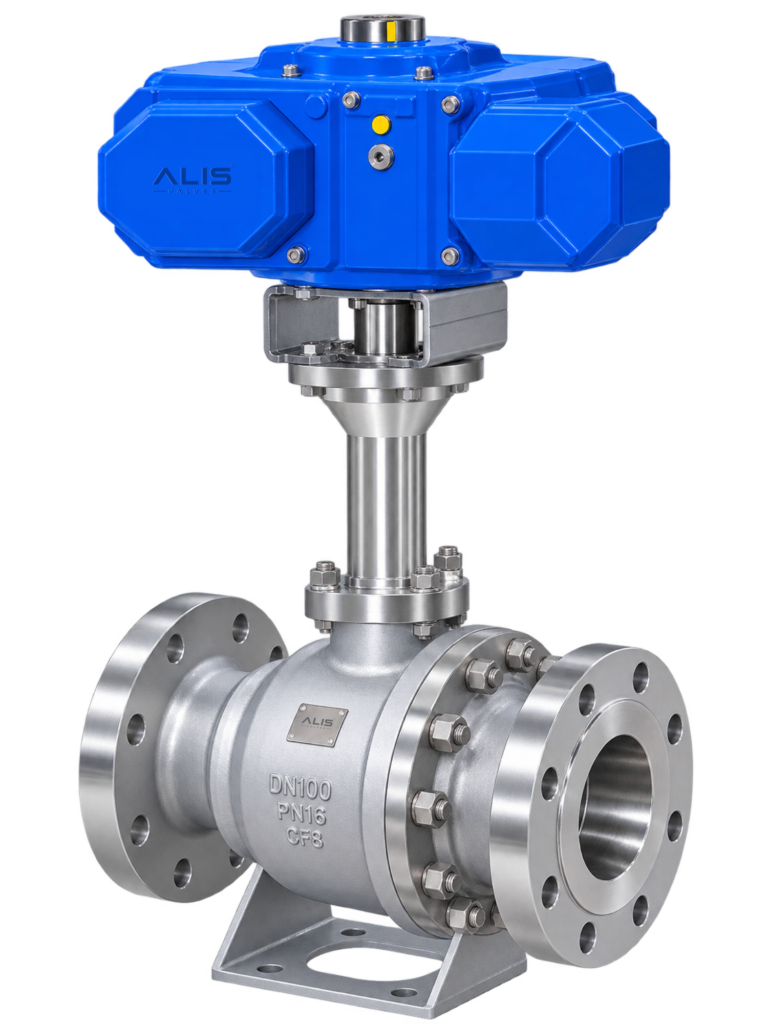
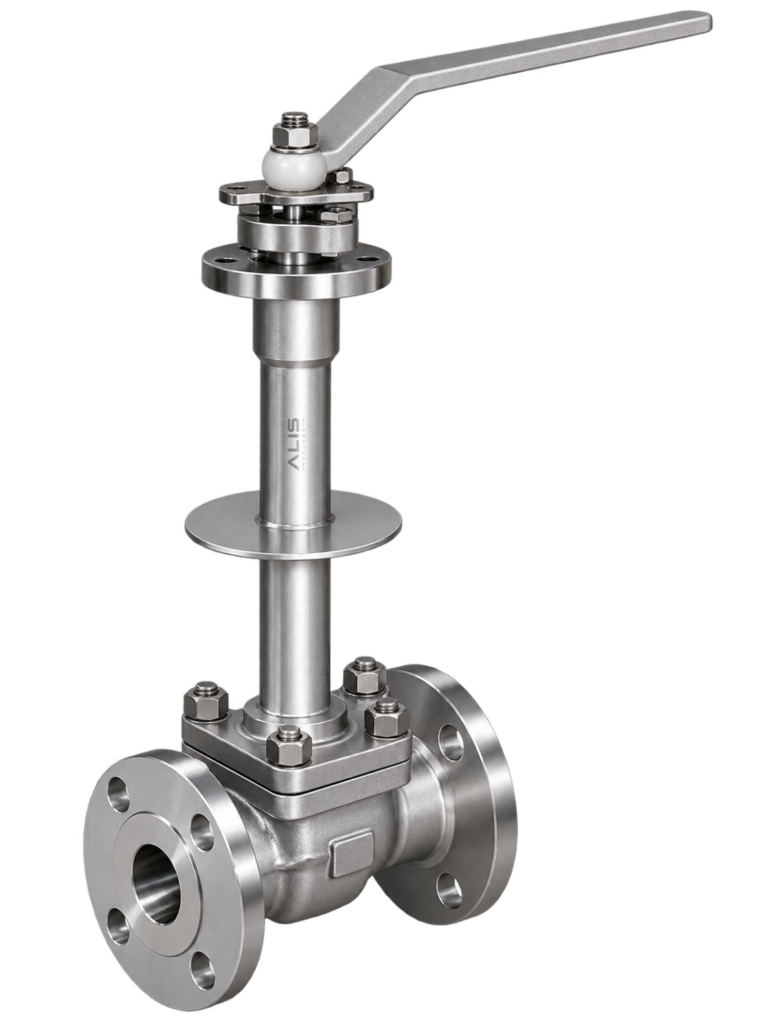
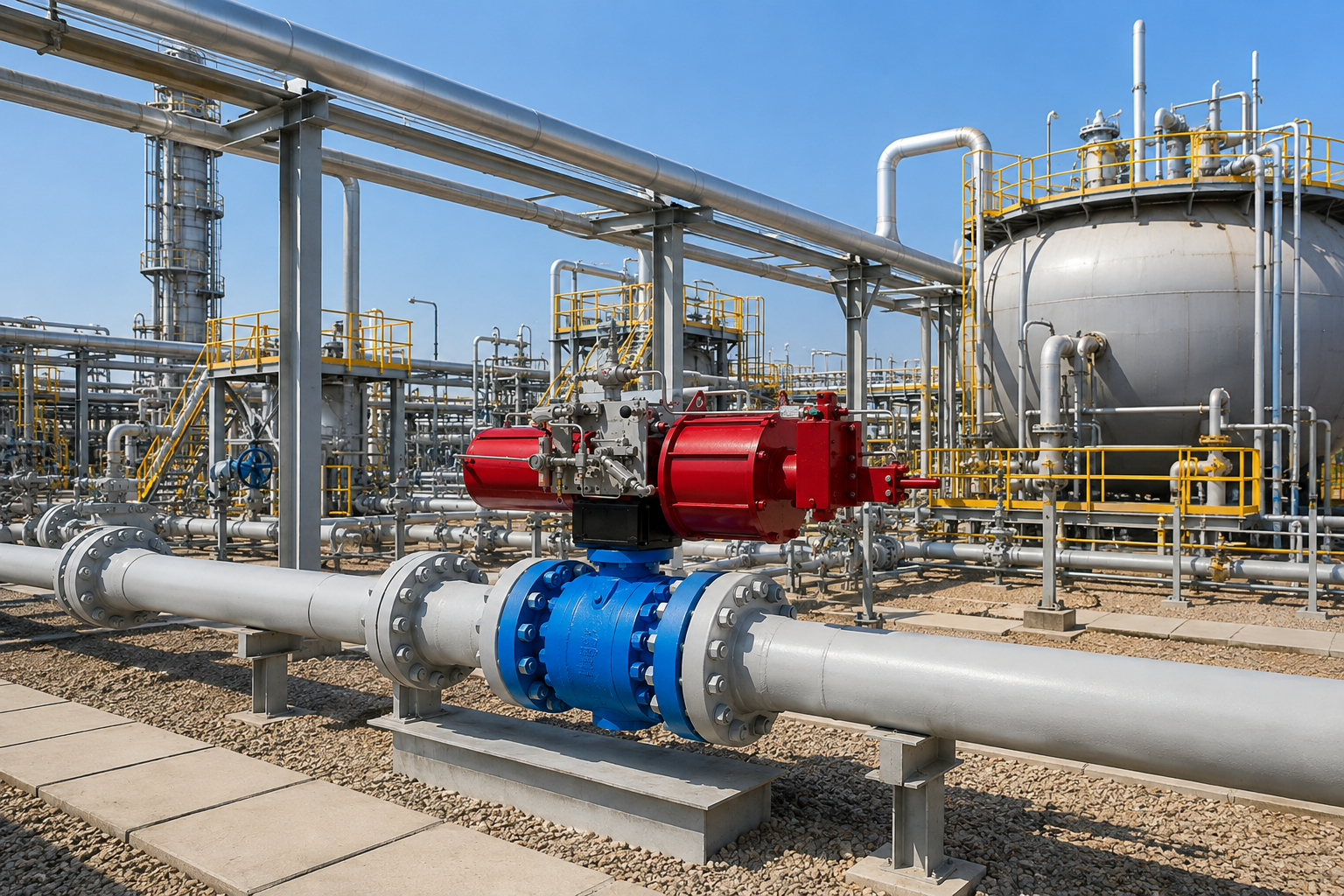
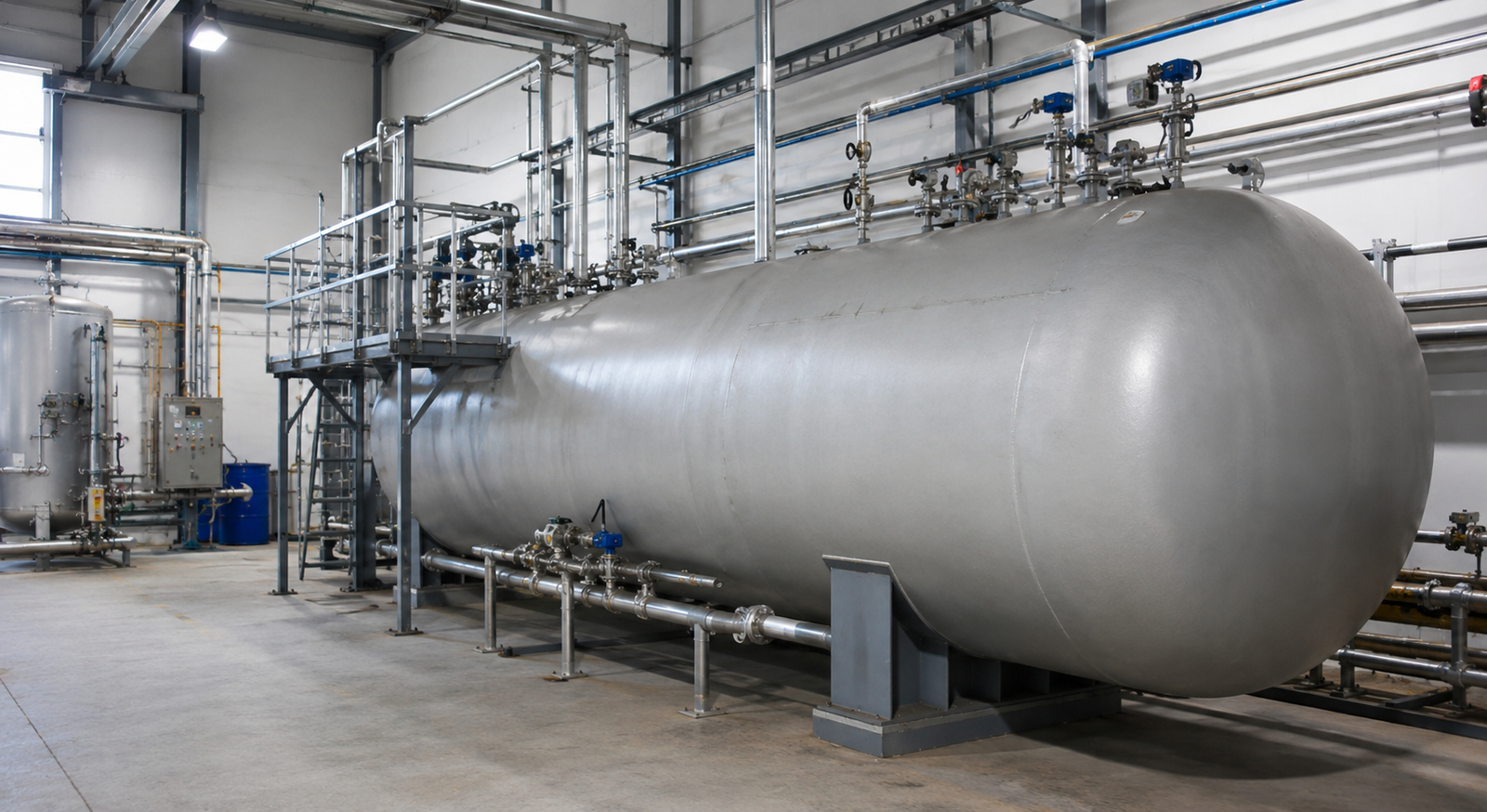
Alis Valves manufactures premium industrial valves for cryogenic applications, Cryogenic Valves Manufacturer in India engineered to deliver safe and reliable flow control in LNG terminals, industrial gas plants, cryogenic storage tanks, liquid oxygen (LOX), liquid nitrogen (LIN), liquid argon (LAR), hydrogen, and other ultra-low temperature systems. Our comprehensive range of cryogenic ball valves, butterfly valves, gate valves, globe valves, check valves, control valves, pneumatic actuated valves, and electric actuated valves is designed to maintain leak-free performance under extreme cryogenic conditions. Built to international standards, our valves ensure maximum safety, durability, and long-term reliability in critical cryogenic services.
Ultra-Low Temperature Performance
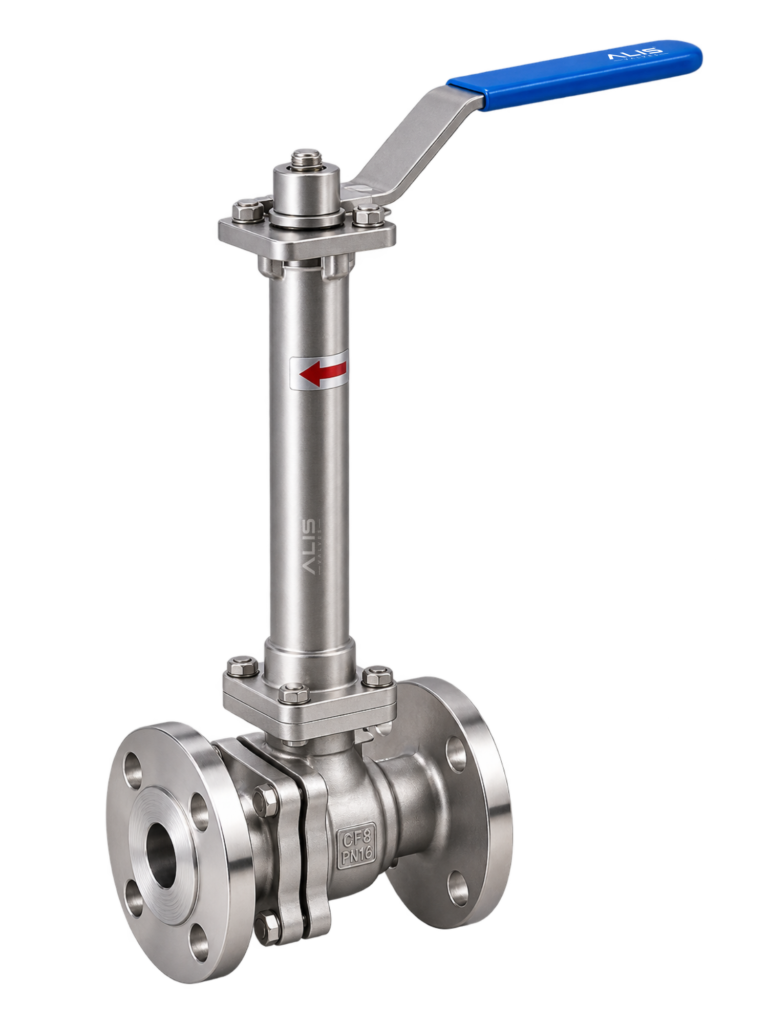
Extended Bonnet Design
Bubble-Tight Shut-Off
Automation Ready
Cryogenic

Application & Process Areas

Engineered valve packages, automated assemblies, and specialized flow control systems designed for critical operating units.
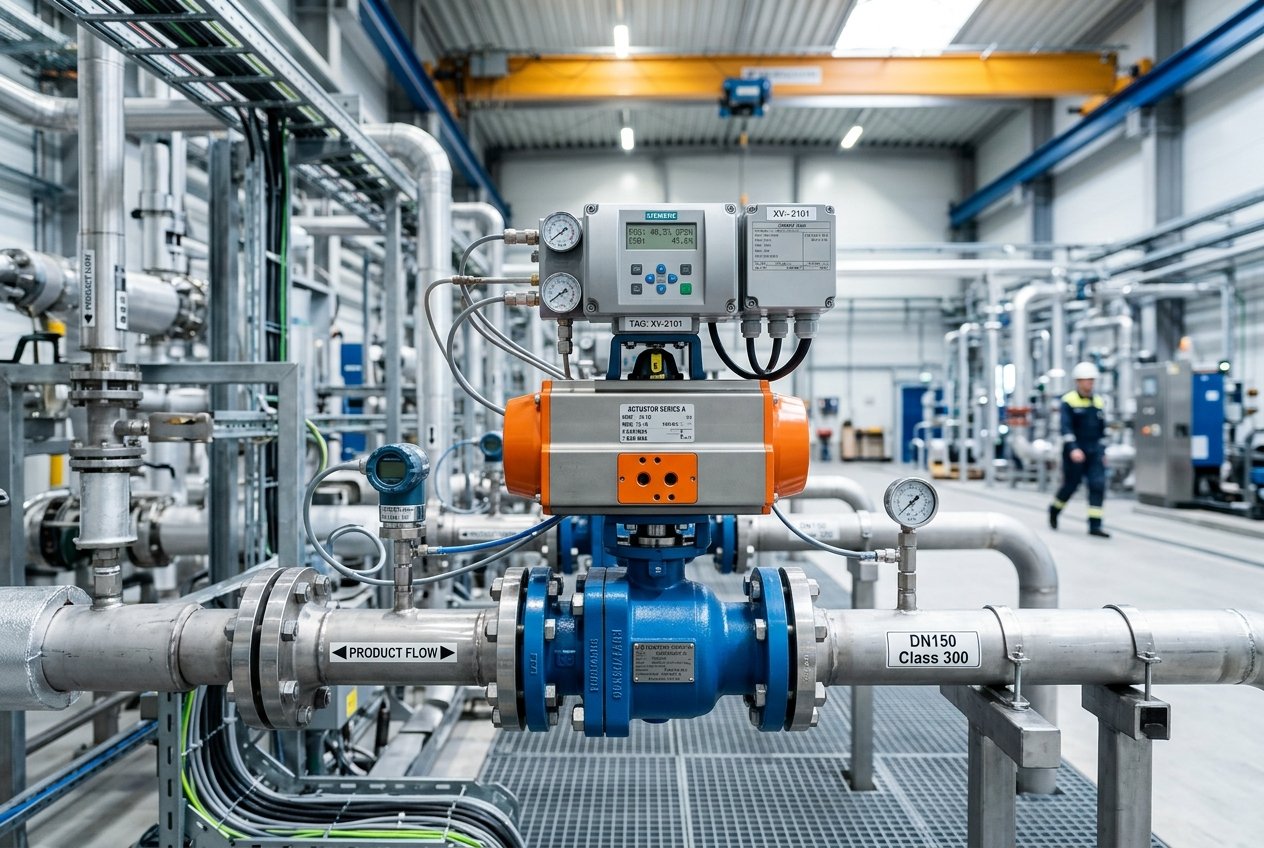
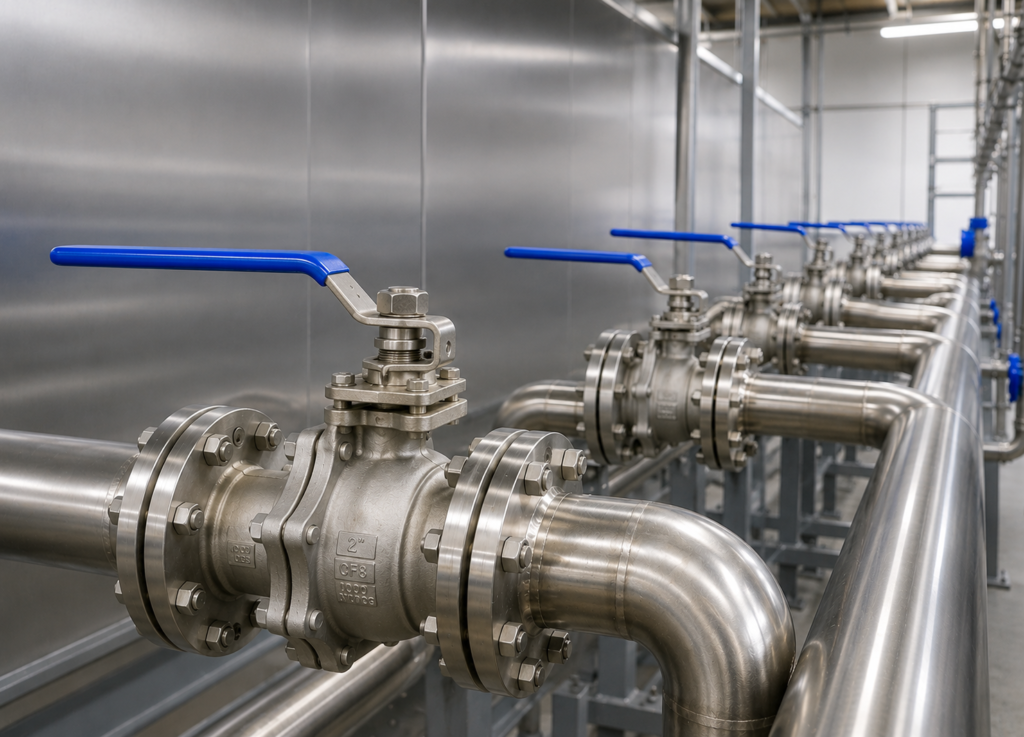
Automated Valve Packages

Automated Valve Packages

Factory-assembled valve packages with pneumatic or electric actuators, accessories, and control components for reliable and efficient process automation.
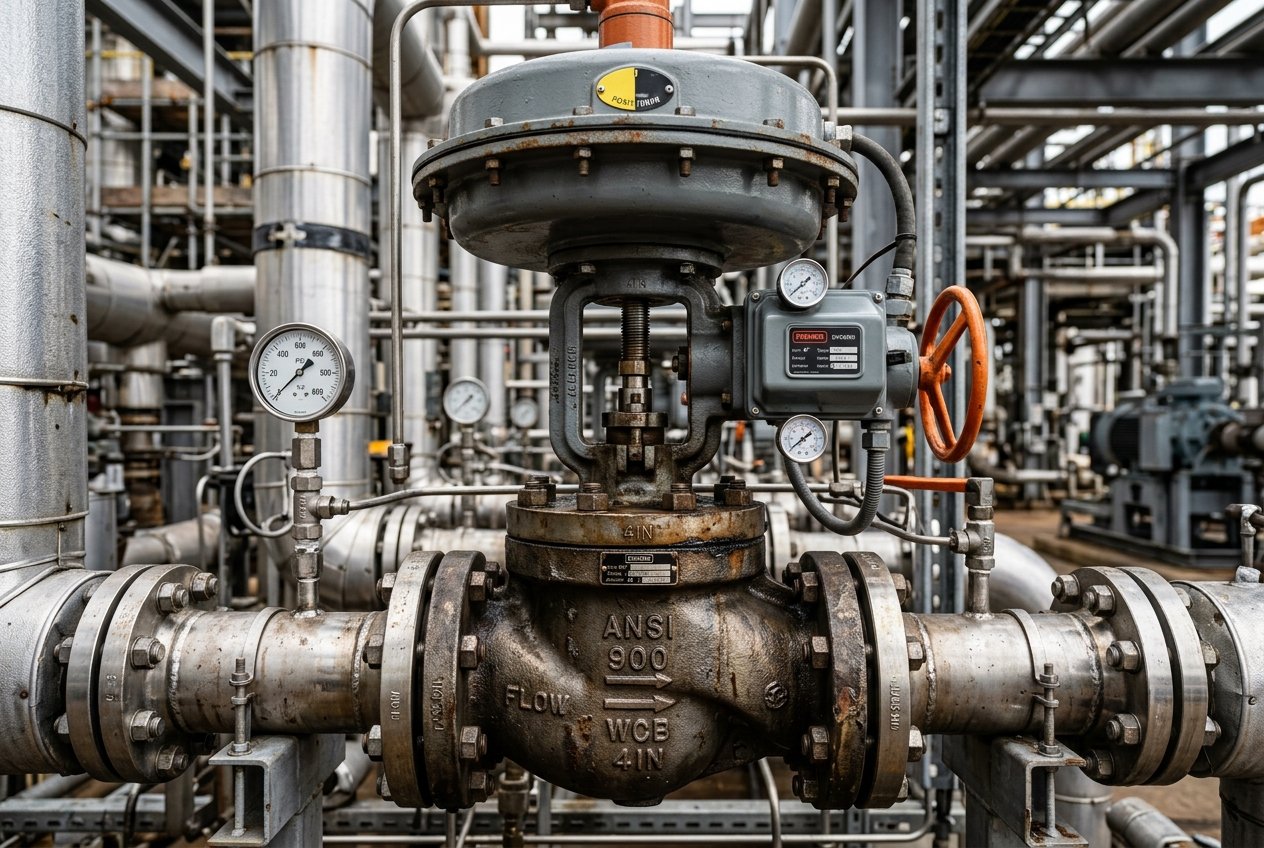
Severe-Service & Control Valves

Severe-Service & Control Valves

Engineered control and isolation valves for high-pressure, high-temperature, abrasive, and corrosive process conditions across demanding industrial applications.
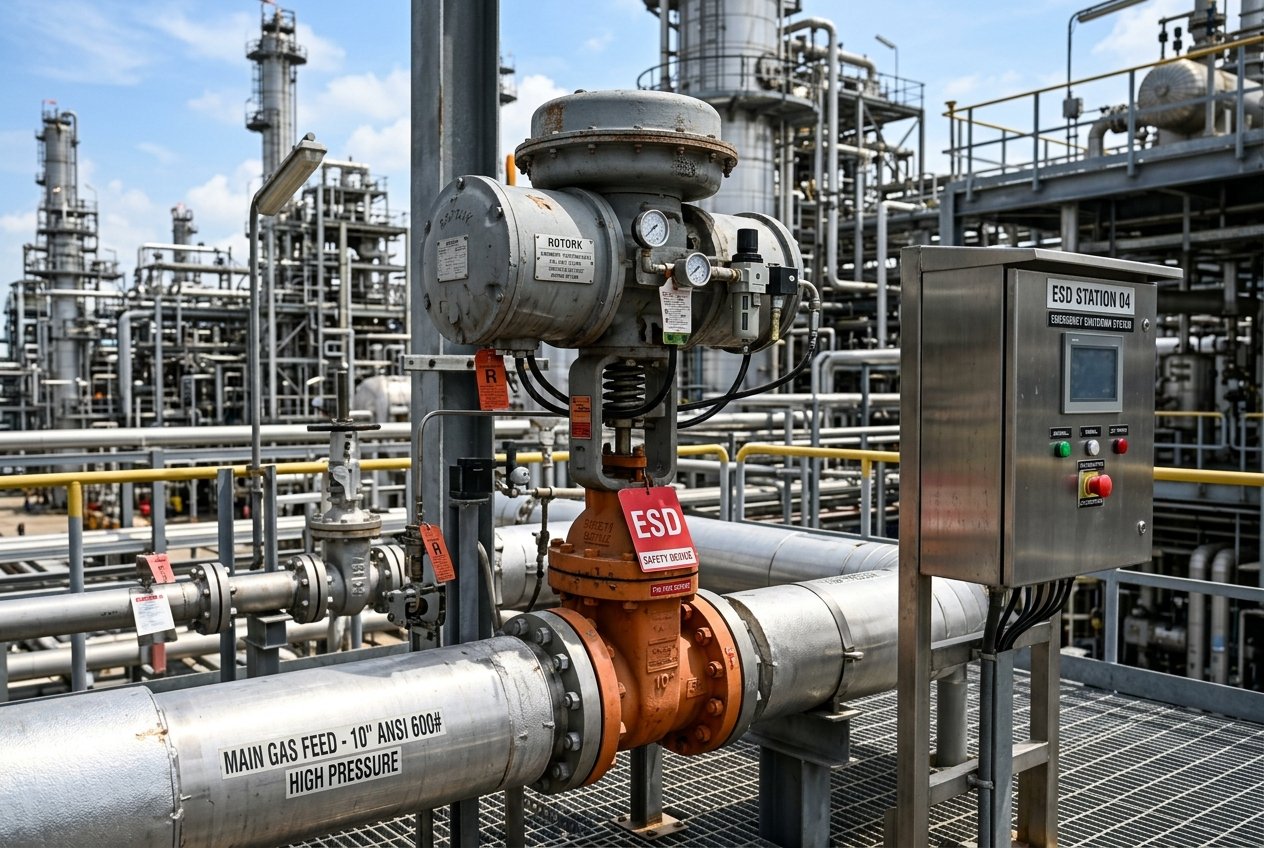
Emergency Shutdown (ESD) Systems

Emergency Shutdown (ESD) Systems

Safety-focused emergency shutdown valve assemblies with suitable fail-safe actuation and control interfaces to support rapid process isolation in critical applications.

Why ALIS Valves for Cryogenic?

  • Engineered for ultra-low temperature service
  • Reliable sealing under cryogenic operating conditions
  • Extended bonnet construction for enhanced thermal protection
  • Suitable for LNG, LOX, LIN, LAR, hydrogen, and industrial gases
  • Available with pneumatic and electric automation
  • Manufactured according to API, ASME, ISO, and BS standards
  • Long service life with minimal maintenance

Key Application Features

  • LNG Terminals
  • LNG Storage Tanks
  • LNG Distribution Systems
  • Industrial Gas Plants
  • Liquid Oxygen (LOX) Systems
  • Liquid Nitrogen (LIN) Systems
  • Liquid Argon (LAR) Systems
  • Hydrogen Processing
  • Cryogenic Tank Farms
  • Air Separation Units (ASU)
  • Cryogenic Pipelines
  • Pharmaceutical & Medical Gas Systems

Pressure Rating

Up to Class 2500 (ASME B16.34)

Temperature Range

-196°C to +120°C

Size Range

1/2" to 20"
DN 15 to DN 500

End Connections

Flanged, Butt Weld, Socket Weld, Threaded

Materials

SS304, SS304L, SS316, SS316L, Duplex Stainless Steel, PTFE, PCTFE

Standards

API 6D, API 602, API 608, API 598, ASME B16.34, BS 6364, ISO, ANSI

Frequently Asked Questions

Common questions about valve design, performance, and automation for this application.
Cryogenic valves are designed for applications involving extremely low temperatures. They may be used in LNG facilities, industrial gas plants, liquid nitrogen systems and other low-temperature processes. Selection depends on the fluid, minimum design temperature, pressure and required sealing performance.
Cryogenic ball valves, gate valves, globe valves and check valves may be used depending on the application. The selected valve must be designed and qualified for the specified low-temperature conditions, pressure range, fluid properties and isolation requirements.

A cryogenic valve is designed or qualified to operate under specified low-temperature conditions. Its materials, seats, seals and construction must maintain suitable mechanical and sealing performance at the required temperature. A standard industrial valve should not be assumed suitable for cryogenic service without verification.
Material selection depends on the minimum design temperature, pressure, fluid and applicable design requirements. Austenitic stainless steels are used in many cryogenic applications, but the suitability of the body, trim, bolting, seats and seals must be verified for the specific service.
An extended bonnet increases the distance between the cryogenic fluid and the valve stem packing area. This helps limit cold transfer to the packing and supports reliable stem sealing. The required bonnet extension depends on the valve design, operating conditions and manufacturer's specifications.

Cryogenic-rated ball valves, gate valves and other suitable designs may be used in LNG systems. Selection depends on LNG temperature, pressure, valve size, leakage requirements, material suitability and applicable project standards. Confirm the specific valve's qualification for LNG service.
Yes, where the valve is specifically suitable for the intended fluid and operating conditions. Liquid nitrogen and liquid oxygen have different service requirements. Liquid oxygen service requires particular attention to oxygen compatibility, cleanliness and ignition hazards, with suitable design and qualification verification.

Select a valve with suitable low-temperature materials, seats and sealing arrangements. Consider thermal contraction, operating cycles and the required leakage performance. Follow the manufacturer's installation and maintenance instructions and verify any specified cryogenic leakage test requirements.

Review the applicable project specifications and valve design, material and testing requirements. BS 6364 is a standard associated with valves for cryogenic service and may be relevant depending on the application. Confirm the required edition, scope, testing and compliance documentation for the specific valve model.

HIPPS

HIPPS

Water

Water

SUB SEA

SUB SEA

Emergency Shut-Off

Emergency Shut-Off