
Cement
Engineered valve solutions tailored for critical Cement operating processes.
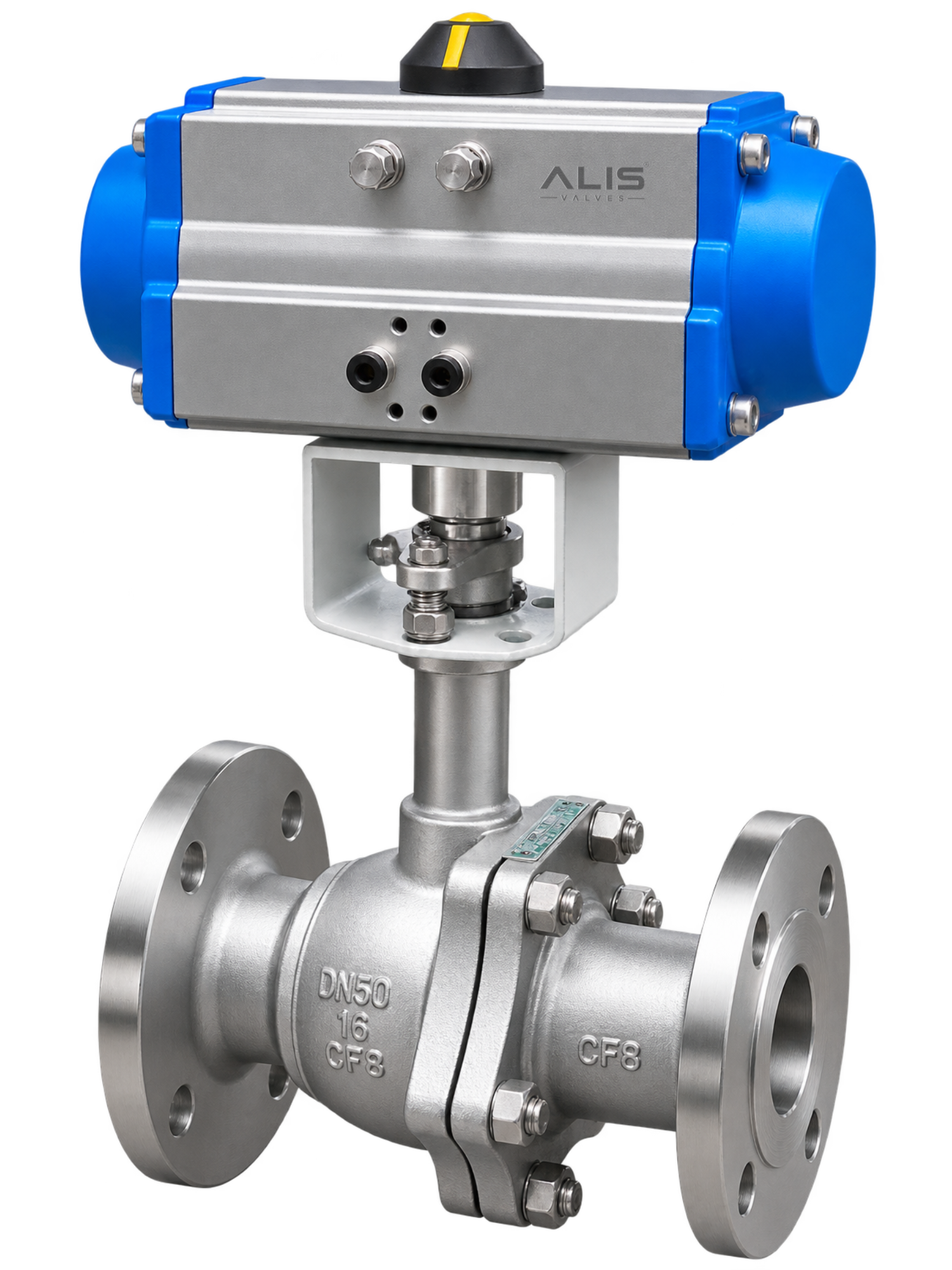
Alis Valves is a leading Pneumatic Cryogenic Ball Valve Manufacturer & Supplier in India, offering precision-engineered automated ball valves for LNG, LPG, liquid oxygen (LOX), liquid nitrogen (LIN), liquid argon (LAR), liquid hydrogen (LH₂), and other cryogenic applications. Designed with an extended bonnet and high-performance pneumatic actuator, these valves provide fast quarter-turn operation, reliable shut-off, and safe automated flow control in extremely low-temperature environments.
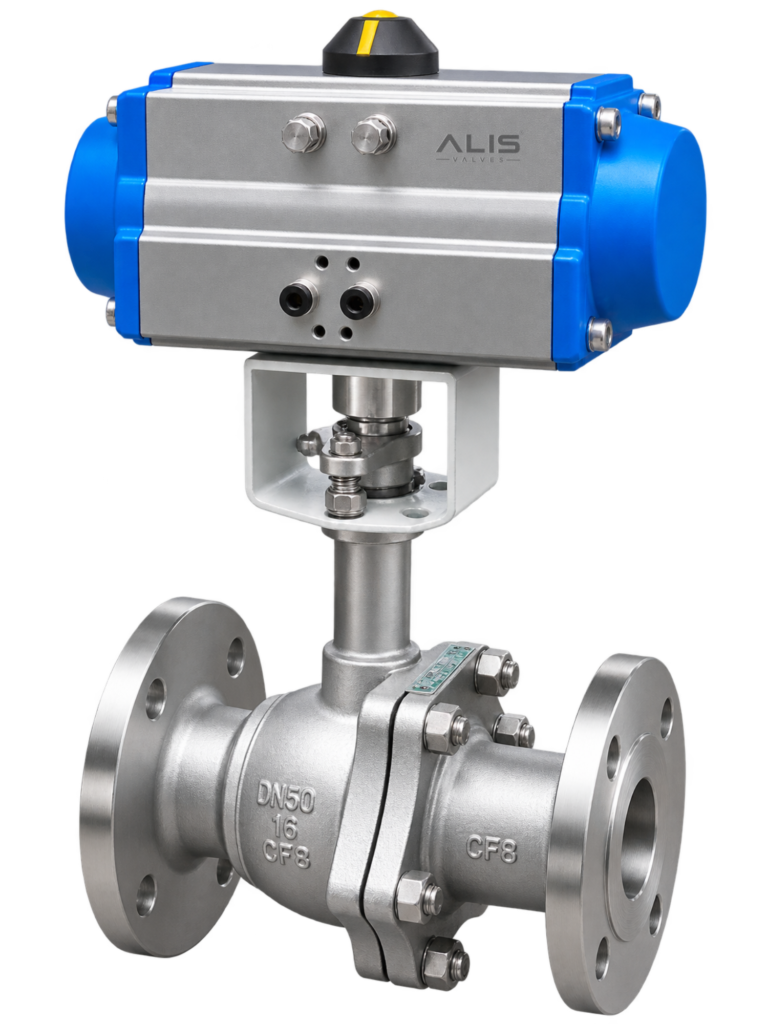
Alis Valves is a leading Pneumatic Cryogenic Ball Valve Manufacturer & Supplier in India, offering precision-engineered automated ball valves for LNG, LPG, liquid oxygen (LOX), liquid nitrogen (LIN), liquid argon (LAR), liquid hydrogen (LH₂), and other cryogenic applications. Designed with an extended bonnet and high-performance pneumatic actuator, these valves provide fast quarter-turn operation, reliable shut-off, and safe automated flow control in extremely low-temperature environments.
Size Range
DN15 to DN300 (½" to 12")
Body Material
ASTM A351 CF8, CF8M, CF3, CF3M, Stainless Steel
Ball Material
SS304, SS316, SS316L
Seat Material
PCTFE, RPTFE, PEEK
Actuator Type
Rack & Pinion / Scotch Yoke Pneumatic Actuator
Air Supply Pressure
4–8 Bar
Accessories
Solenoid Valve, Positioner, Air Filter Regulator (AFR), Limit Switch Box, Manual Override
Temperature Range
-196°C to +80°C
Engineered valve solutions tailored for critical Cement operating processes.
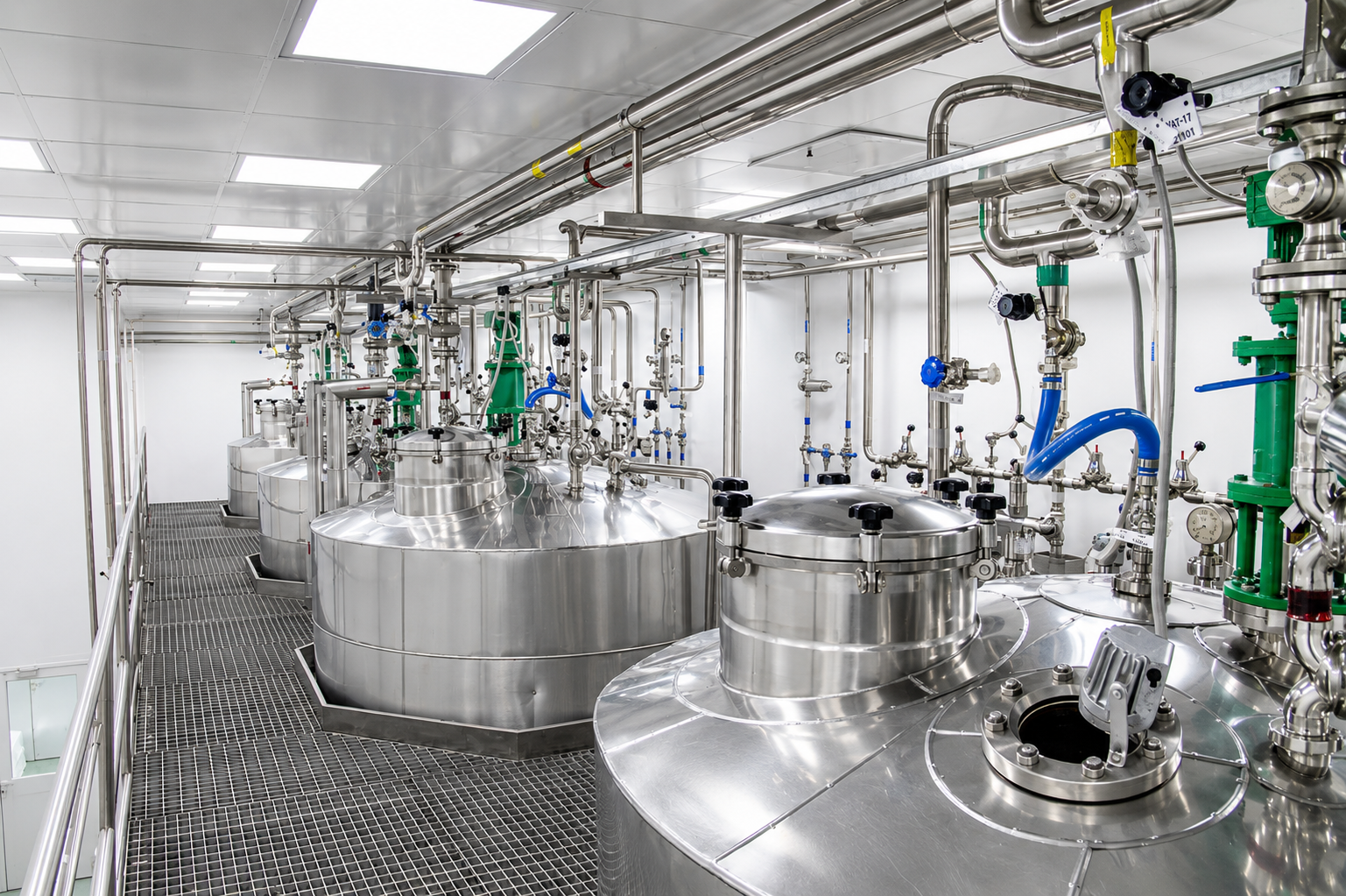
Engineered valve solutions tailored for critical Chemical operating processes.

Engineered valve solutions tailored for critical Data centres operating processes.

Engineered valve solutions tailored for critical Fertilizer operating processes.

High-performance flow automation engineered for Ammonia operations.
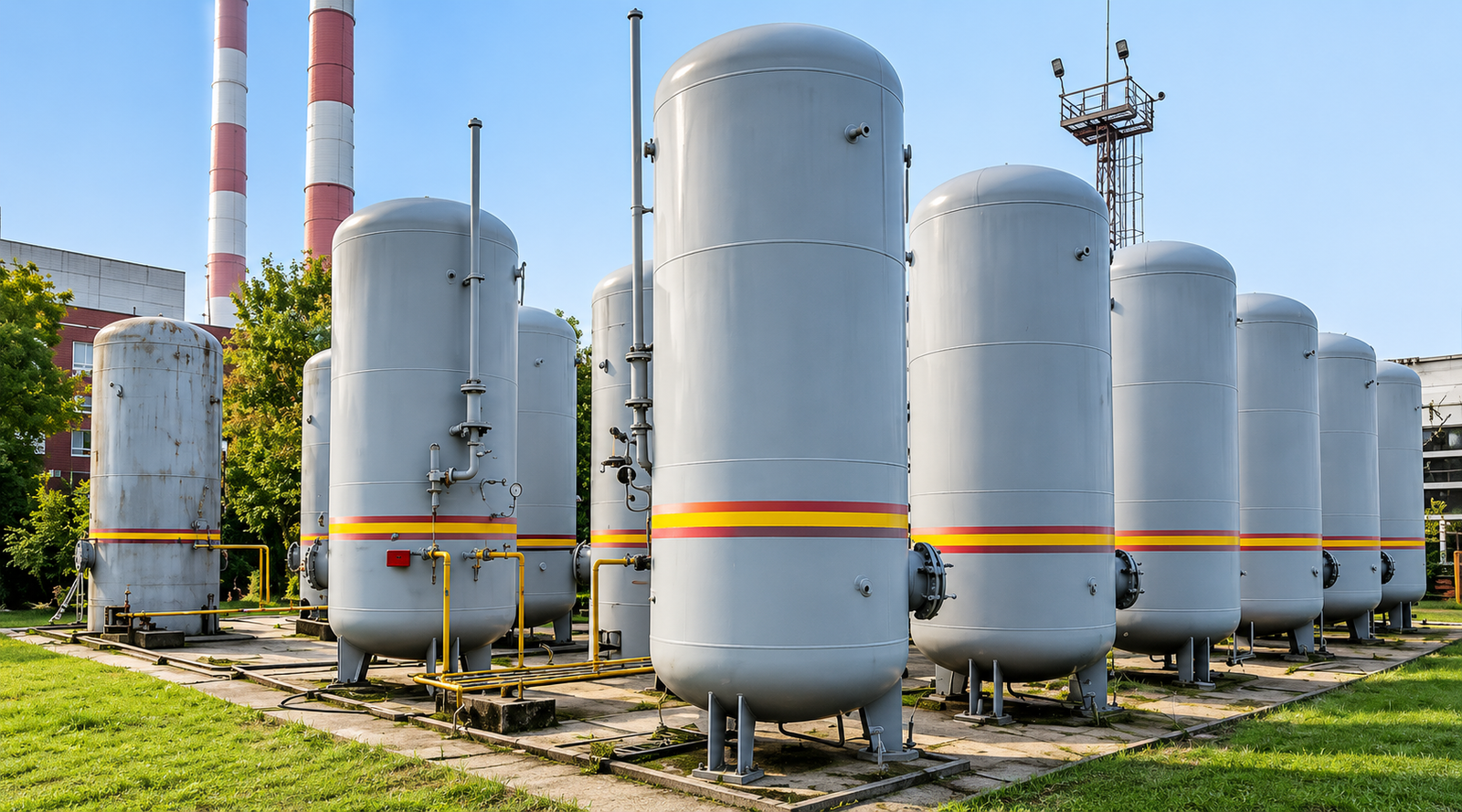
High-performance flow automation engineered for CO₂ operations.
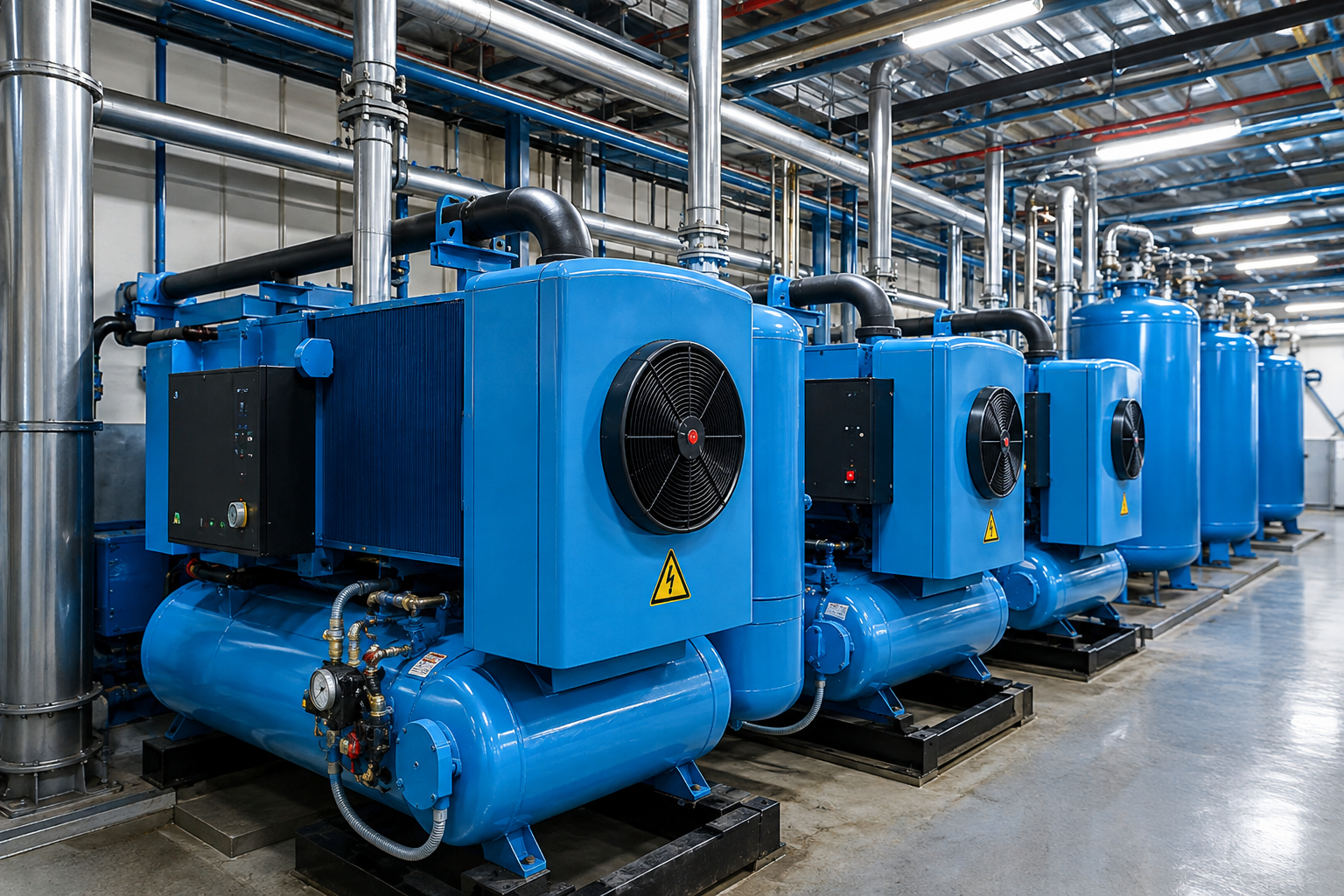
High-performance flow automation engineered for Compressed Air operations.
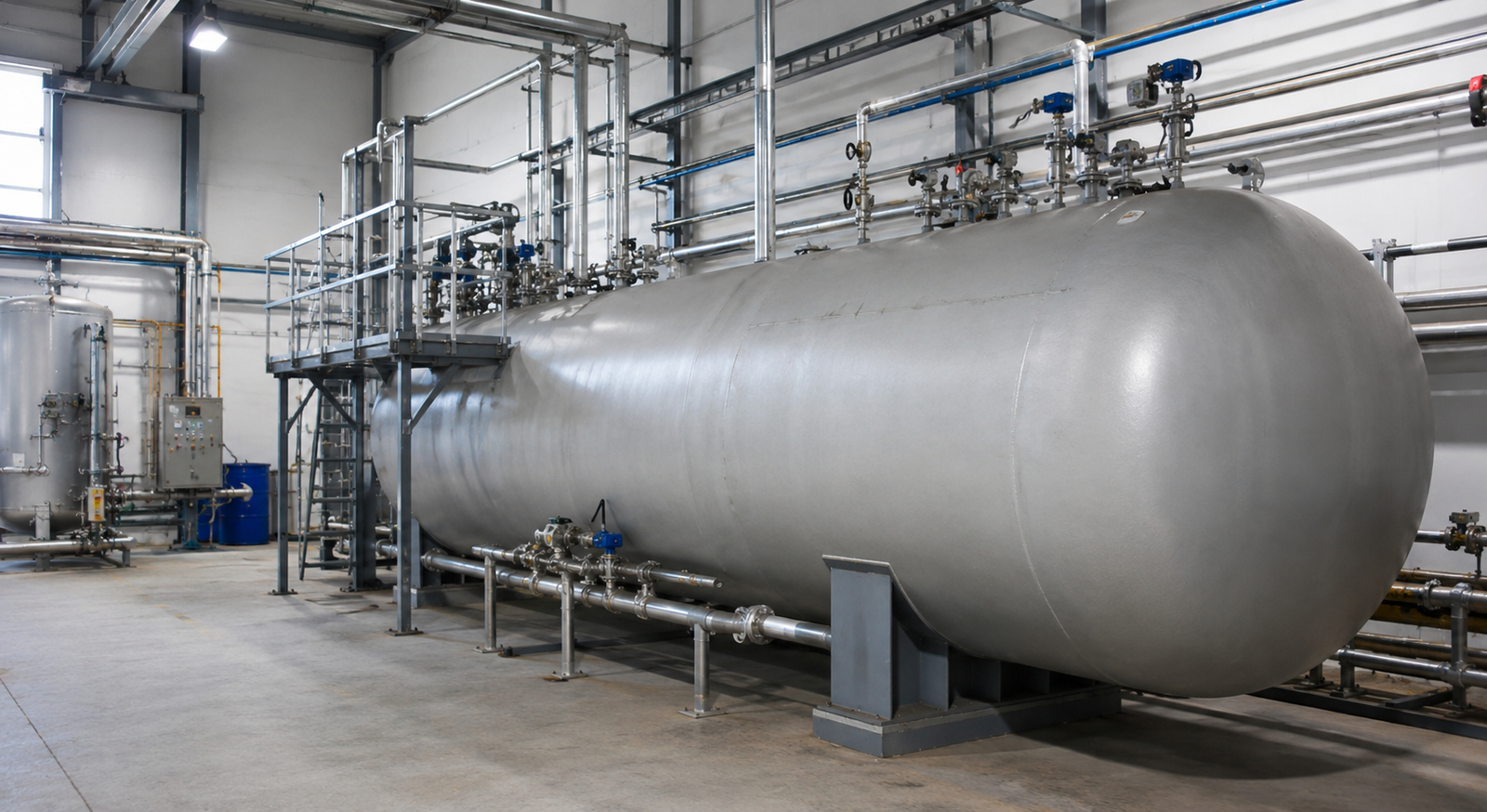
High-performance flow automation engineered for Cryogenic operations.
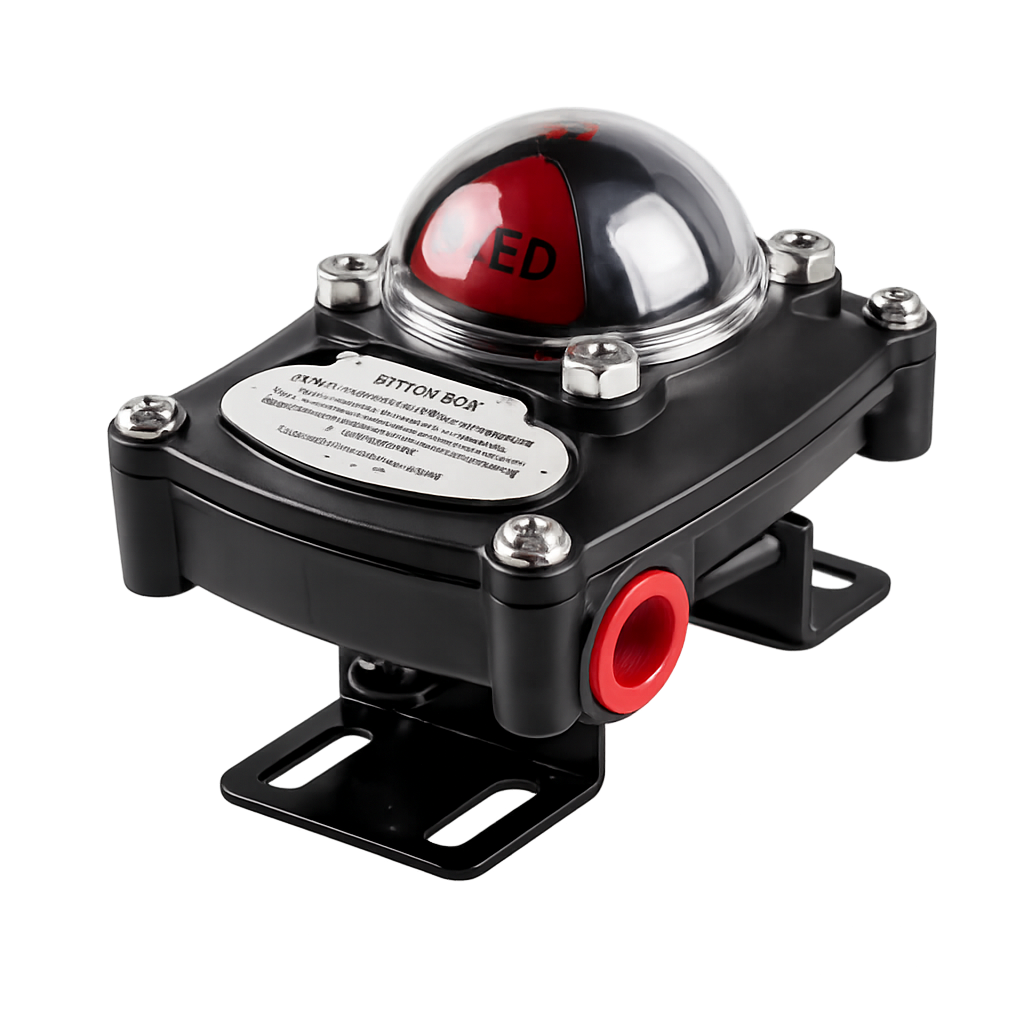
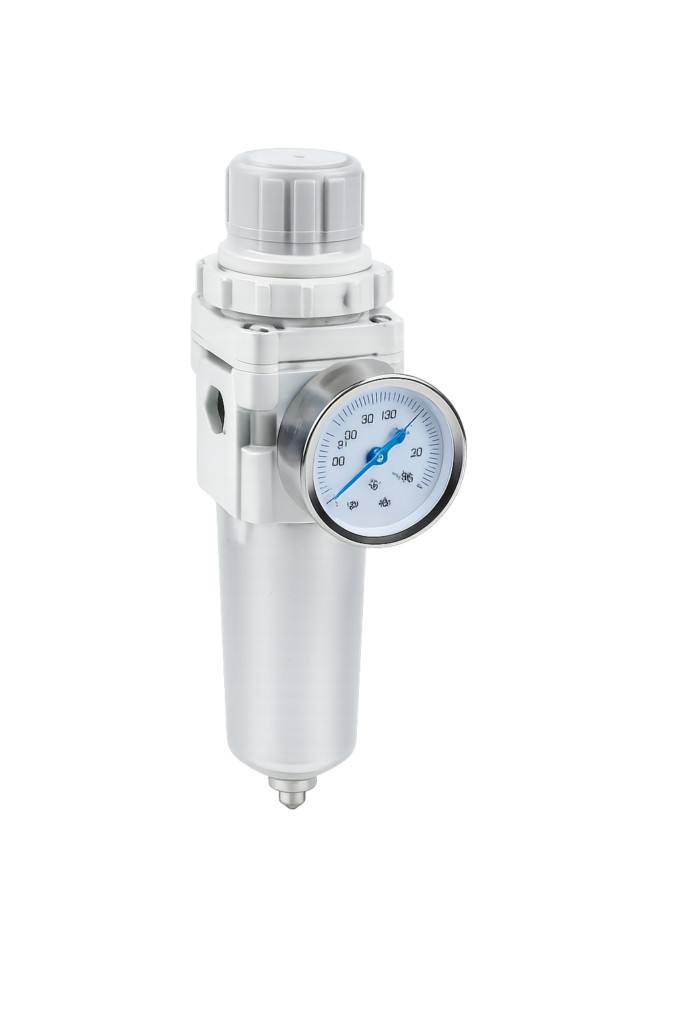
Alis Valves is a trusted Air Filter Regulator (AFR) Manufacturer Supplier in…
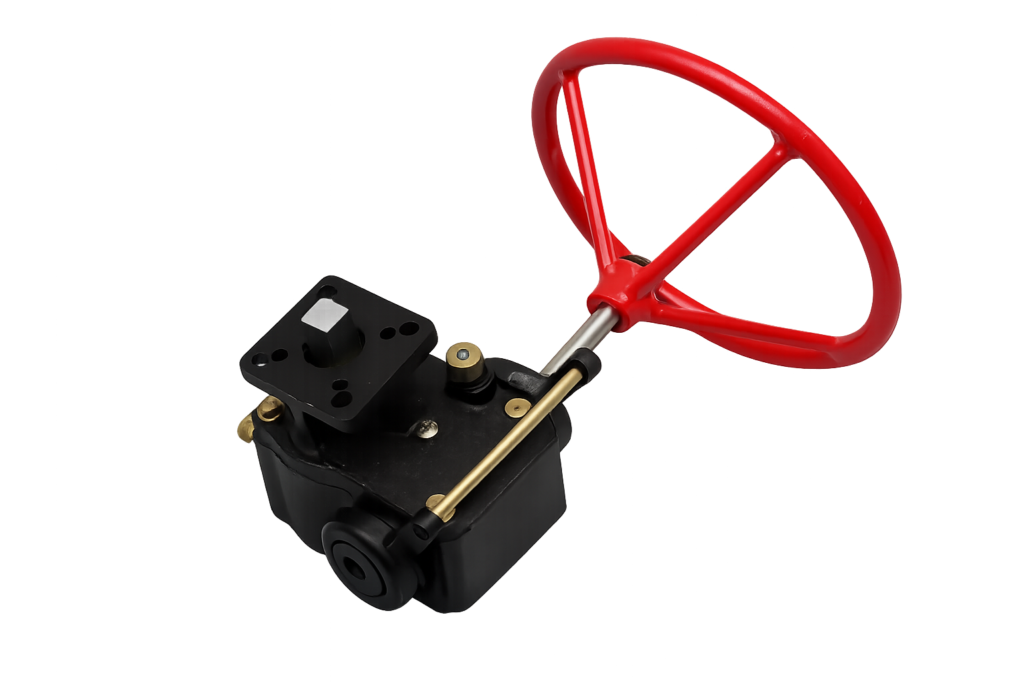
Alis Valves is a leading Manual Override (MOR) Manufacturer & Supplier in…
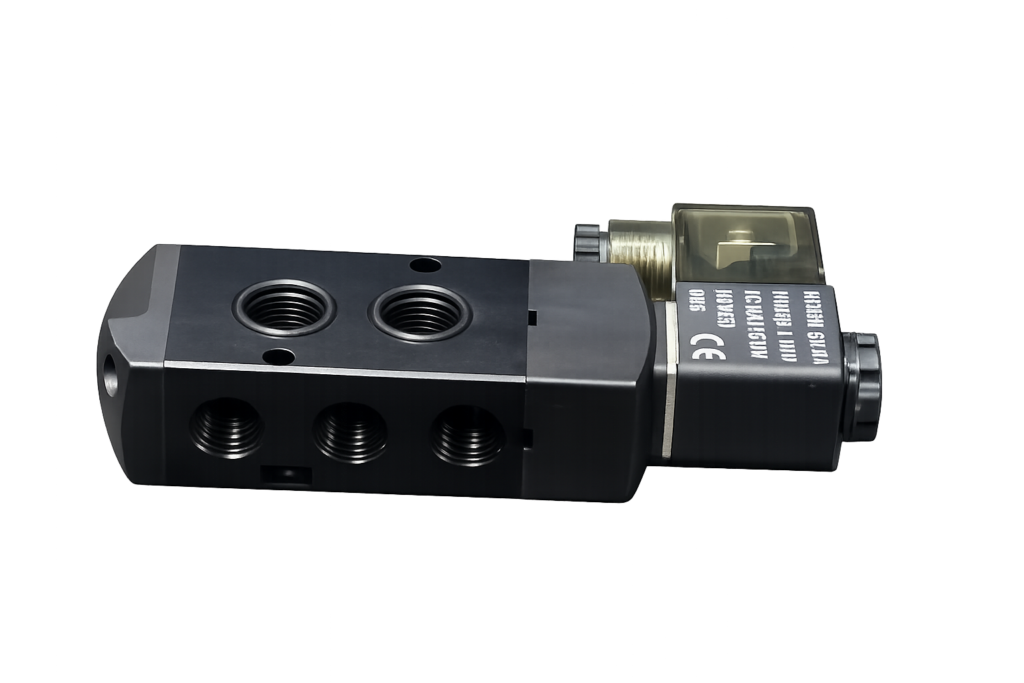
ALIS Valves is a Solenoid Valve Manufacturer and Supplier in India, offering…
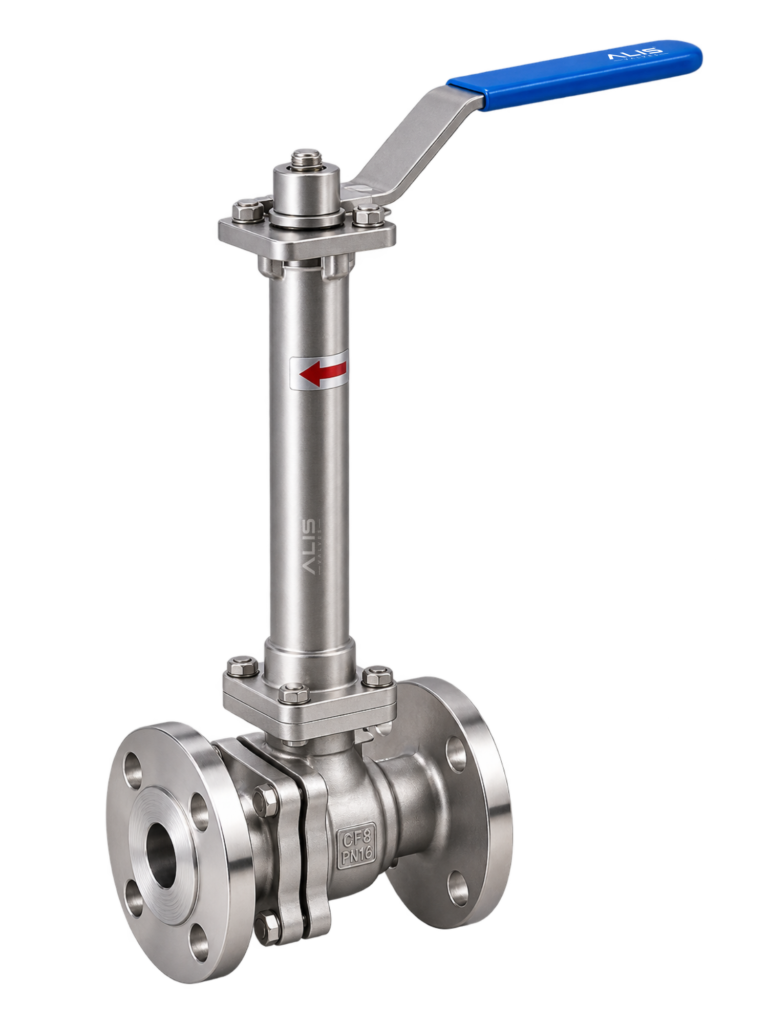
Alis Valves is a trusted 2-Piece Cryogenic Ball Valve Manufacturer & Supplier…
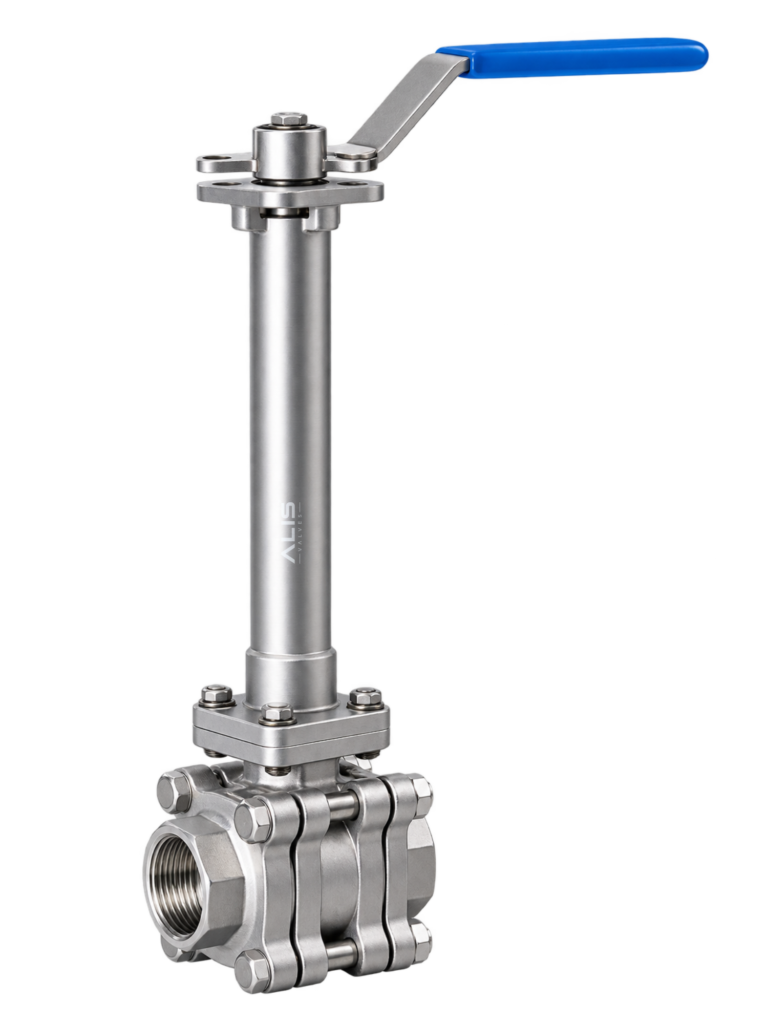
Alis Valves is a trusted 3-Piece Cryogenic Ball Valve Manufacturer & Supplier…
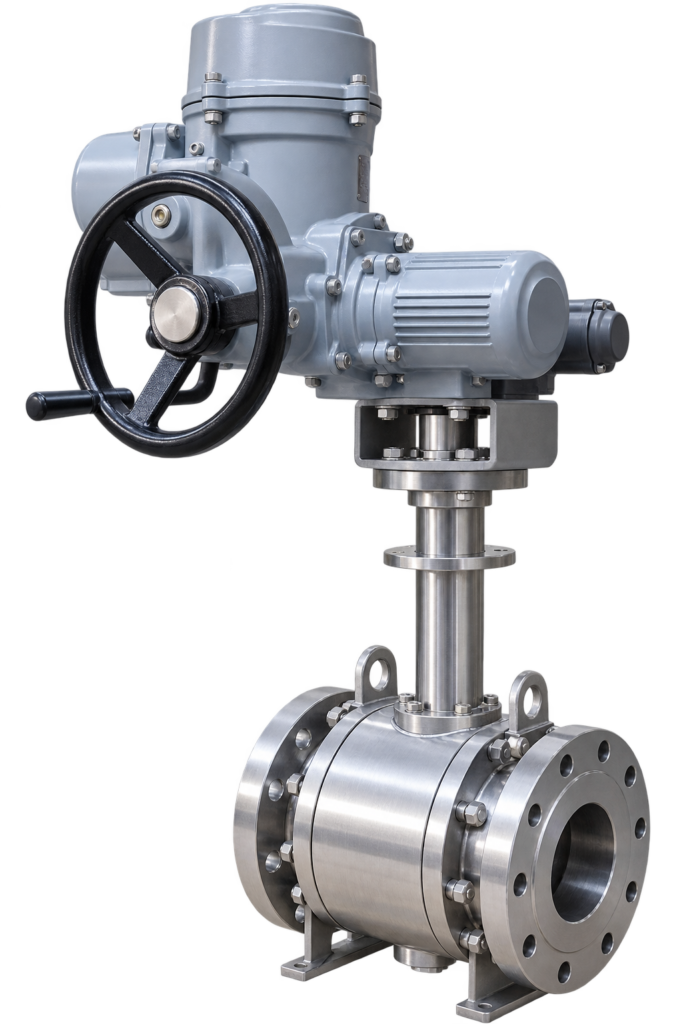
Alis Valves is a trusted Electric Cryogenic Ball Valve Manufacturer & Supplier…
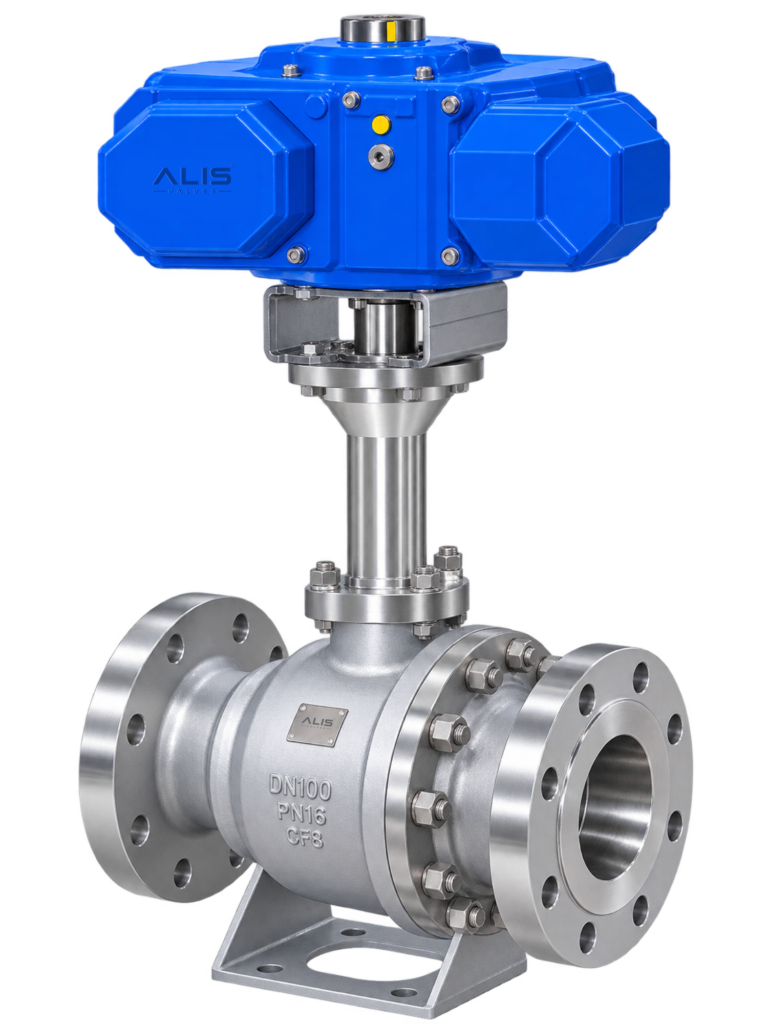
Alis Valves is a trusted Trunnion Mounted Cryogenic Ball Valve Manufacturer &…