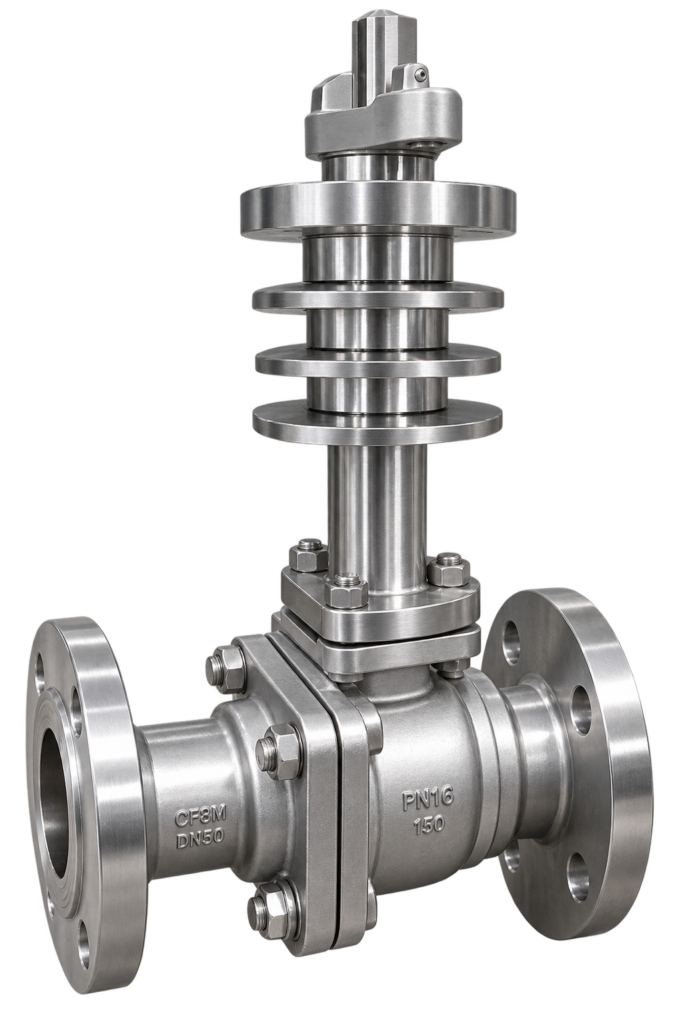
BALL VALVES
High Temperature Metal Seated Ball Valve
Alis Valves is a trusted High Temperature Metal Seated Ball Valve Manufacturer…

Engineered for Safety, Reliability & Performance in Demanding Process Applications
Alis Valves CO₂ Valves Solution & Manufacturer in India, engineered for reliable flow isolation and control across carbon capture, carbon utilization, CO₂ compression, transportation, injection, and storage systems. Our range includes ball valves, gate valves, globe valves, check valves, butterfly valves, control valves, pneumatic actuated valves, and electric actuated valves, with configurations selected according to CO₂ phase, pressure, temperature, fluid composition, corrosion requirements, and service conditions. Designed for demanding carbon management infrastructure, our valve solutions focus on tight shut-off, material compatibility, reliable pressure containment, low leakage, and dependable operation throughout CO₂ handling and CCUS systems.
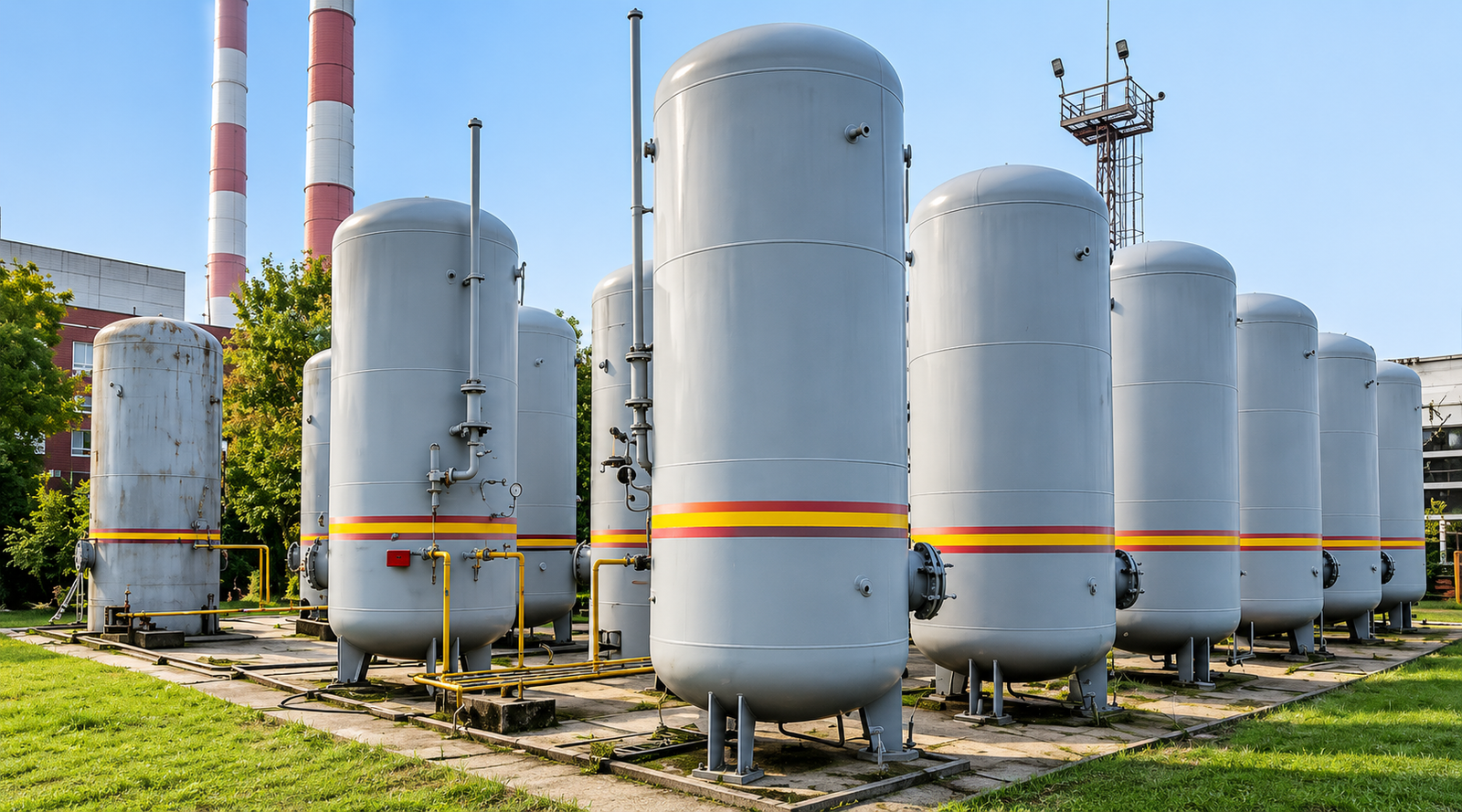
Valve Solutions for CO₂
A wide range of high-performance valves designed to meet the critical demands of CO₂ applications.
Alis Valves is a trusted High Temperature Metal Seated Ball Valve Manufacturer…
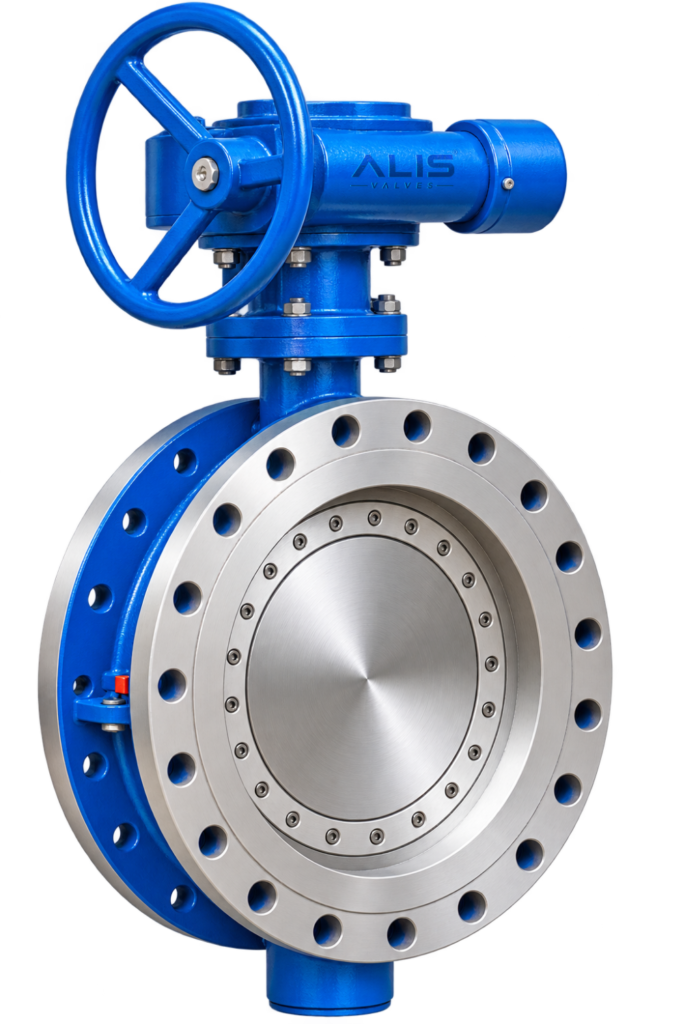
Alis Valves is a trusted Flanged Metal Seated Butterfly Valve Manufacturer India,…
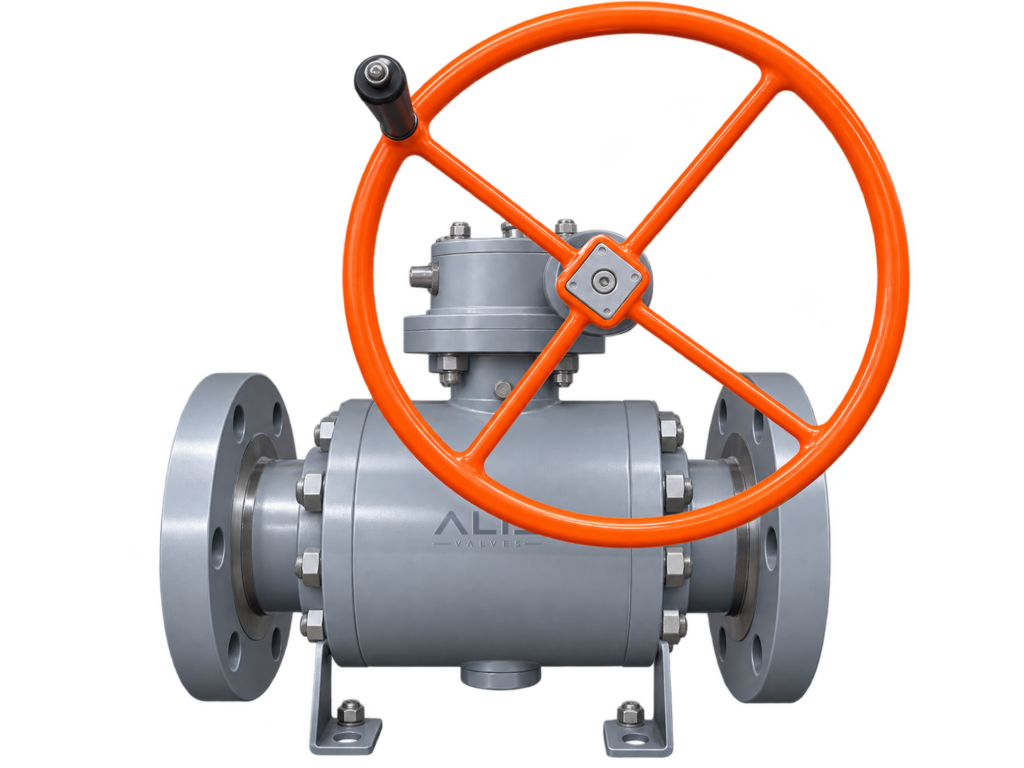
Alis Valves is a trusted Metal Seated Trunnion Ball Valve Manufacturer &…
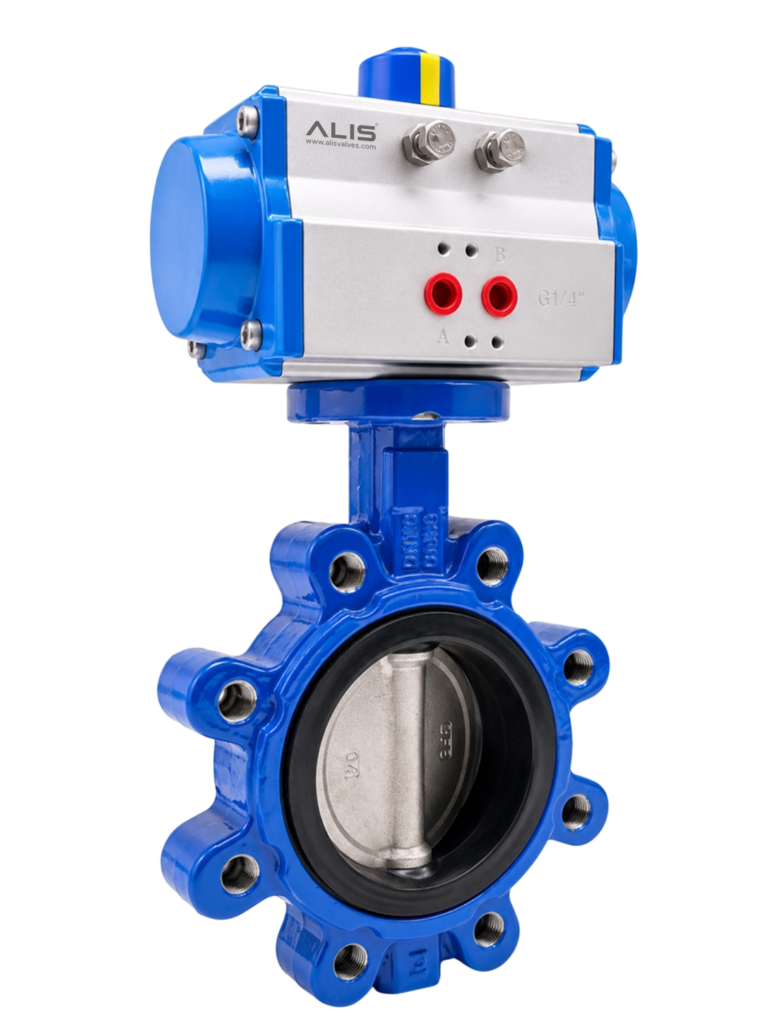
ALIS Valves is a leading Pneumatic Lug Butterfly Valve Manufacturer in India,…
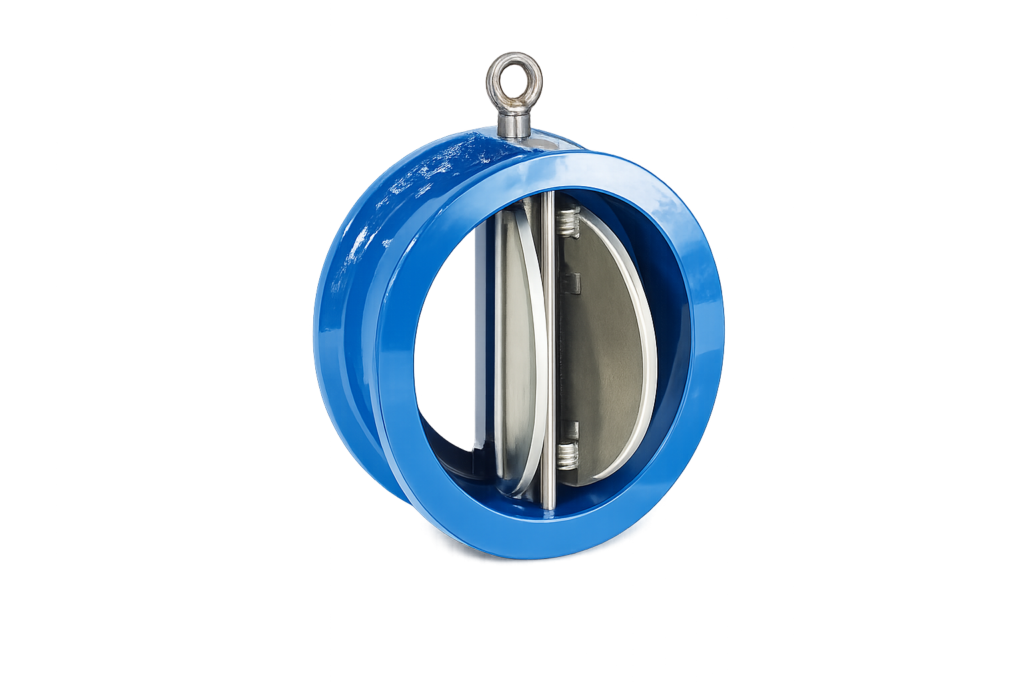
Alis Valves is a leading Dual Plate Check Valve Manufacturer & Supplier…
Product Categories for CO₂
Explore key valve categories and automated packages engineered for CO₂ applications.
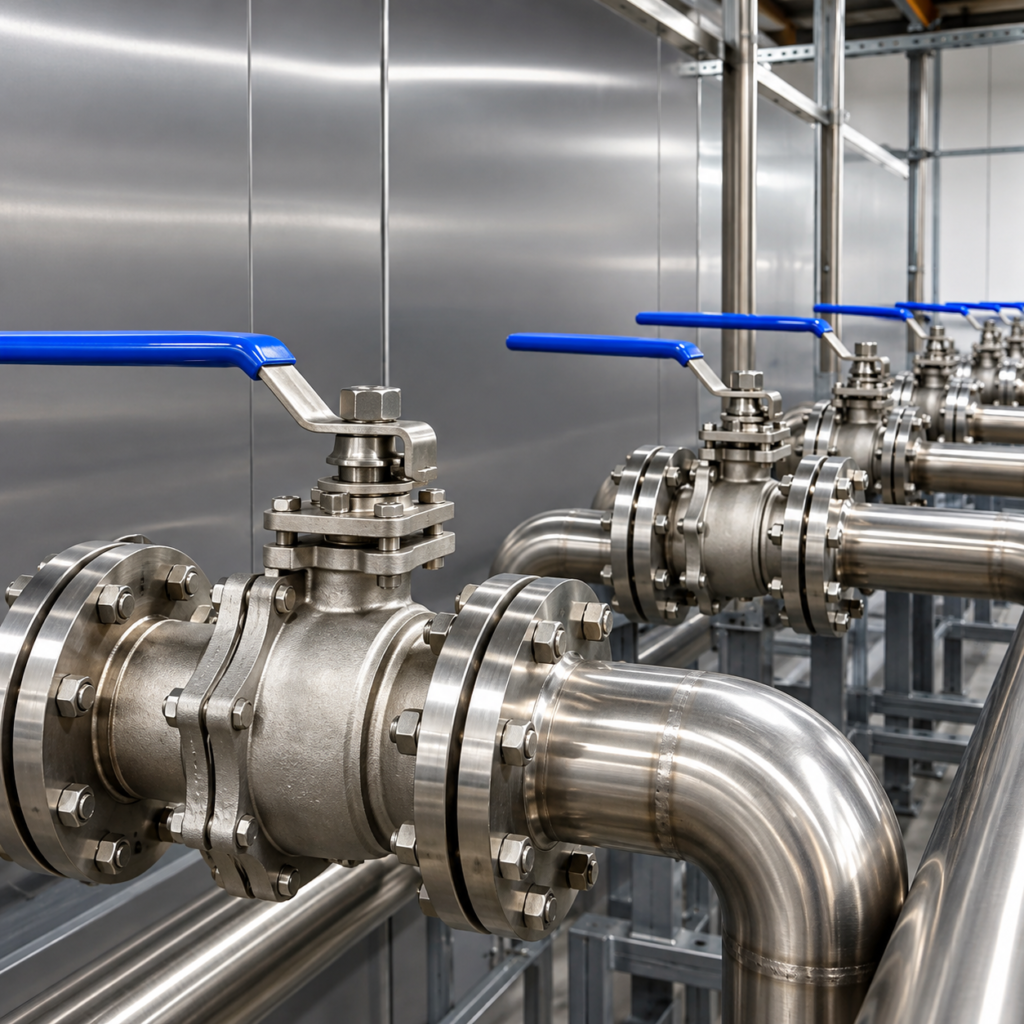
Designed around your needs, our Ball Valves deliver smooth operation, reliable shut-off, and the confidence you need for every flow…
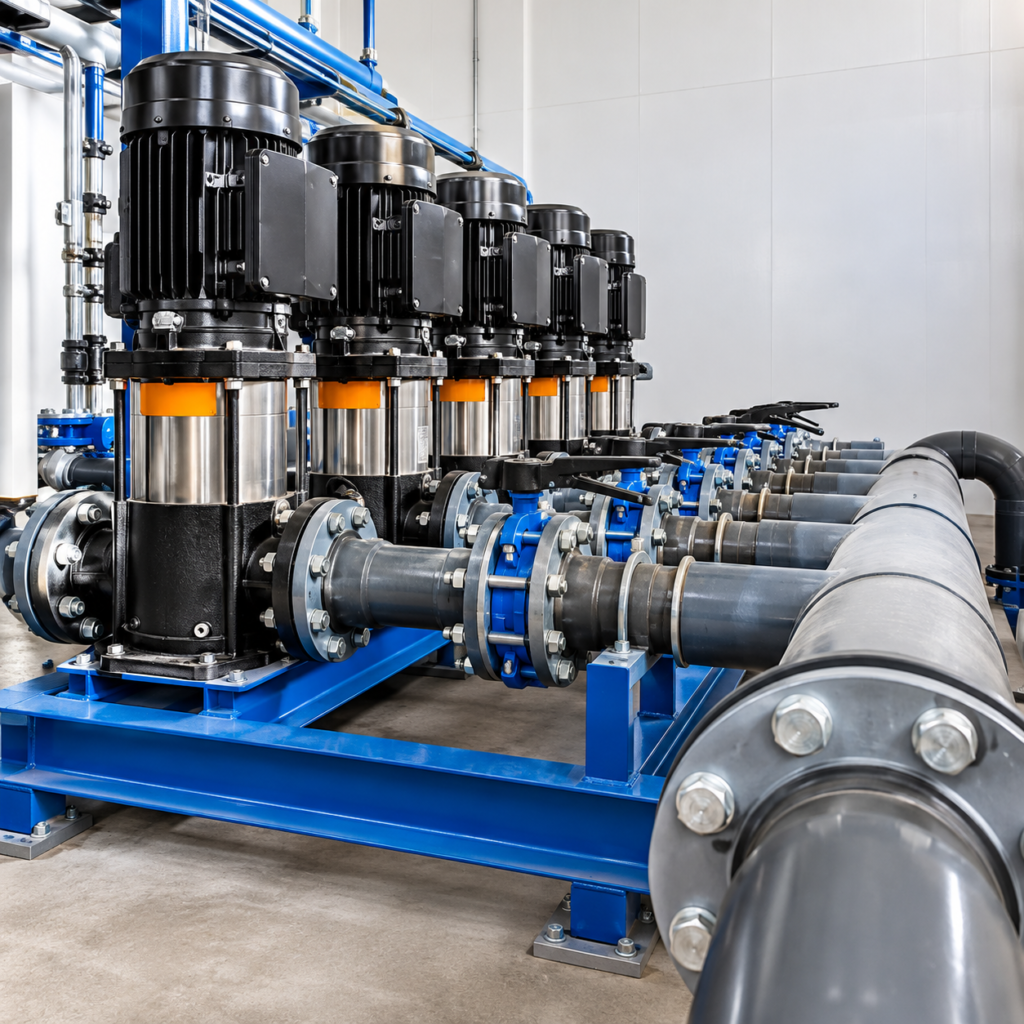
Designed for effortless flow control, our Butterfly Valves combine easy operation, dependable shut-off, and durable performance to keep your processes…
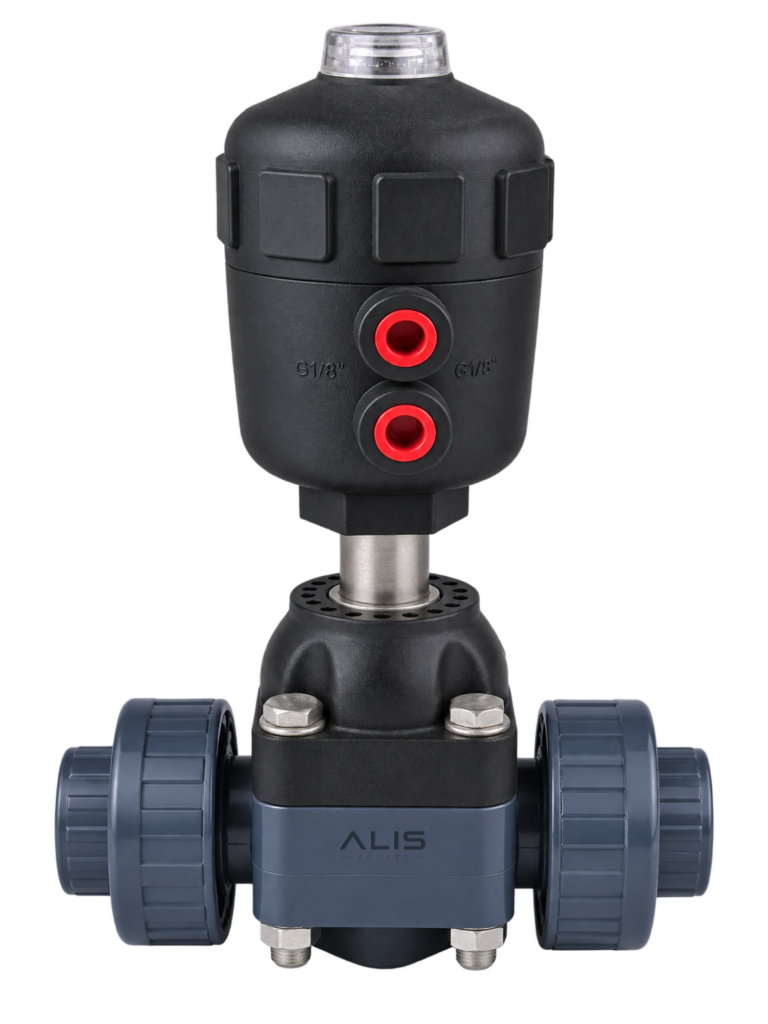
Complete Range of Pneumatic Actuated Ball, Butterfly, Gate, Globe and Control Valves for Reliable Industrial Automation and Precise Flow Control.
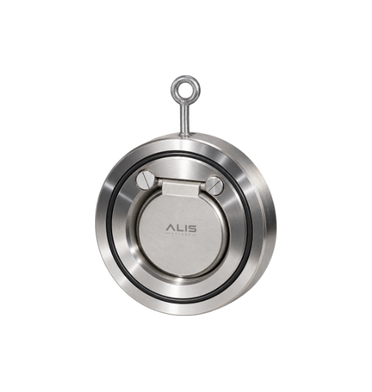
GGC Valves designed to deliver dependable shut-off, precise flow control, and effective non-return protection in demanding industrial process applications.
CO₂ PROCESS SOLUTIONS
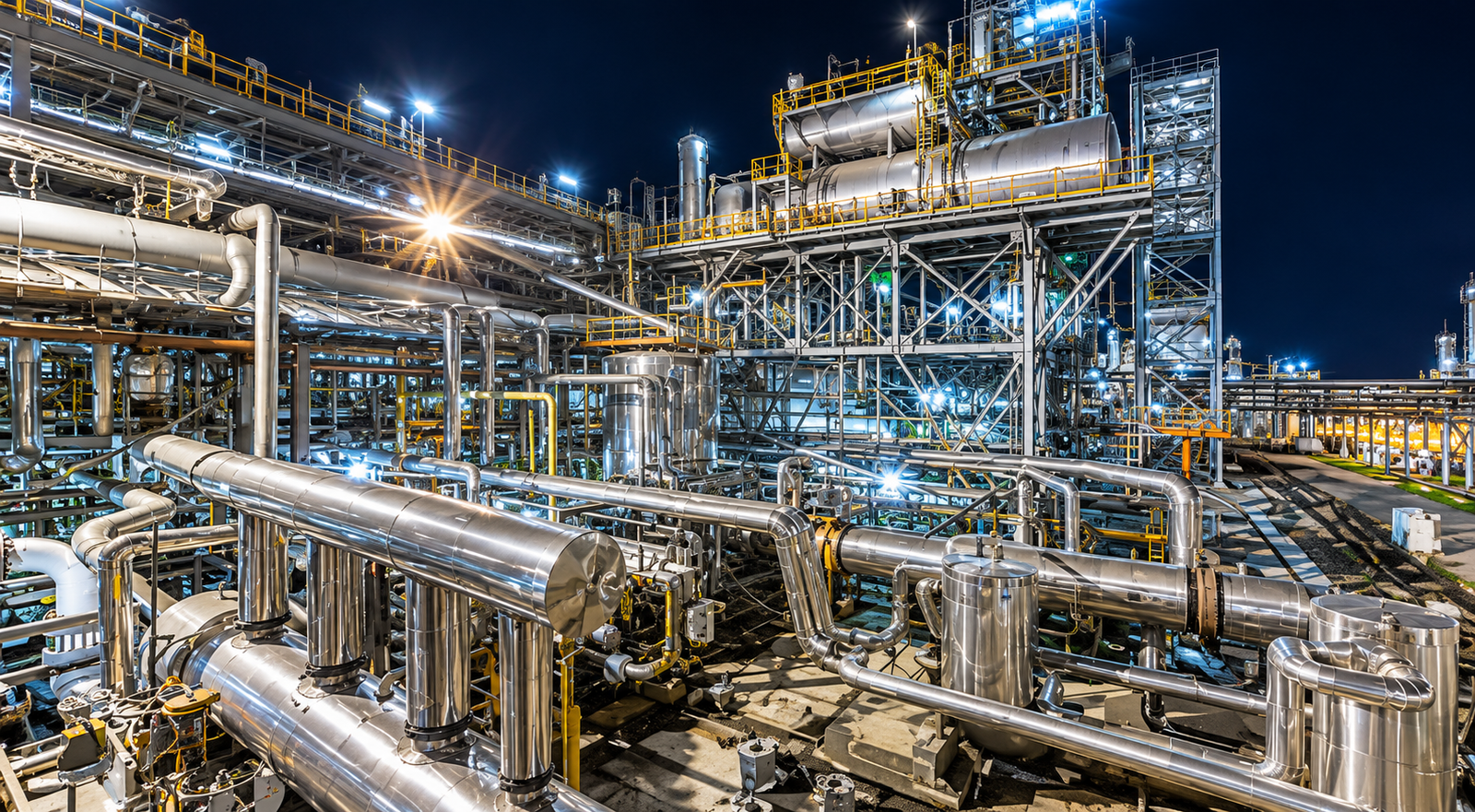
ALIS Valves offers industrial valve solutions for CO₂ capture, compression, storage, transfer and utilization applications. Valve selection is based on operating pressure, temperature, CO₂ phase and process requirements.
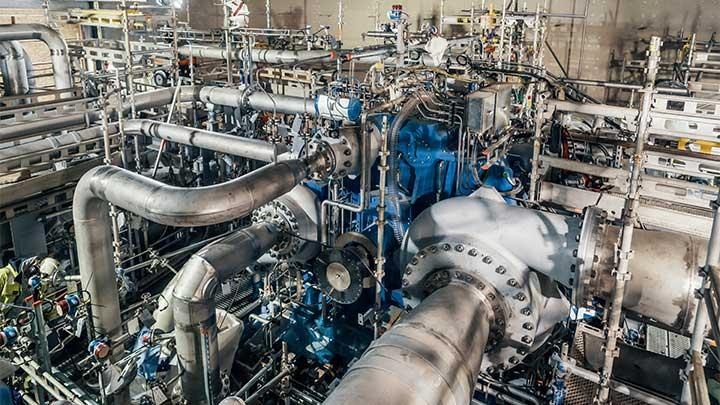
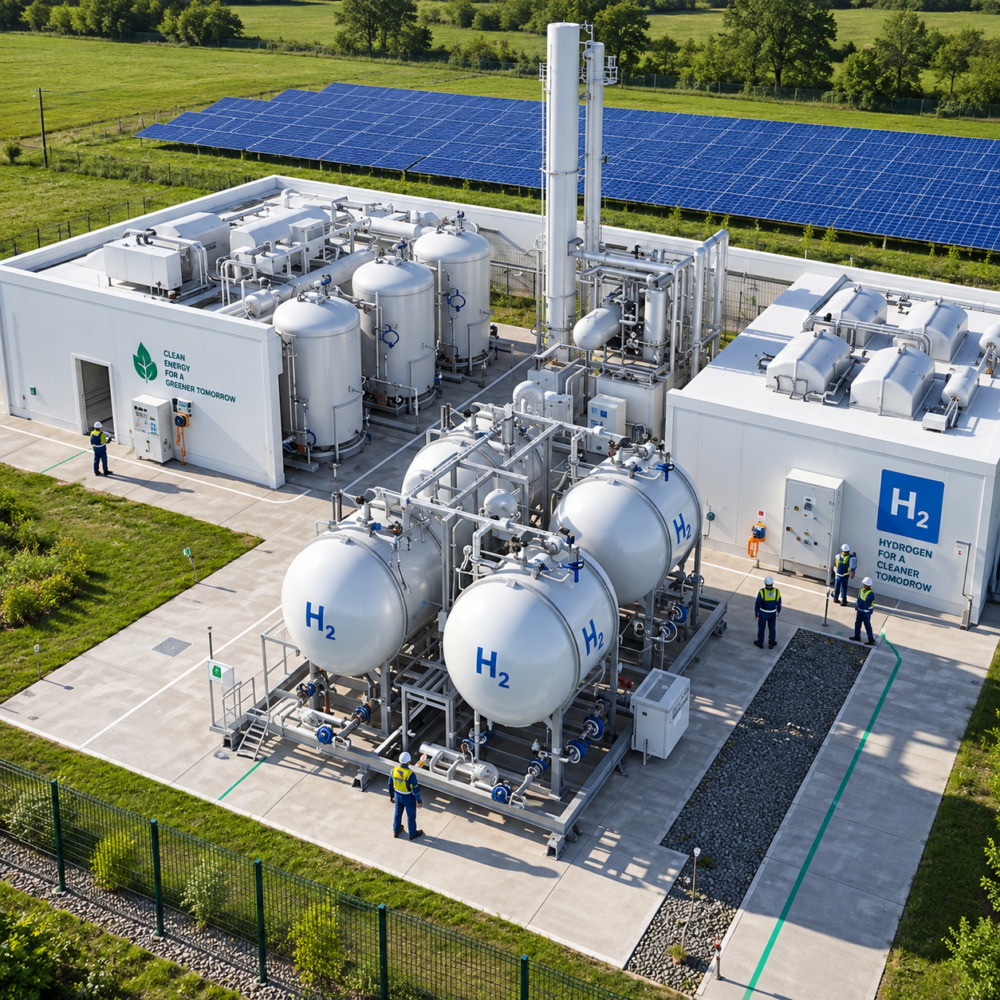
CO₂ capture units, industrial compressors and high-pressure gas pipelines.
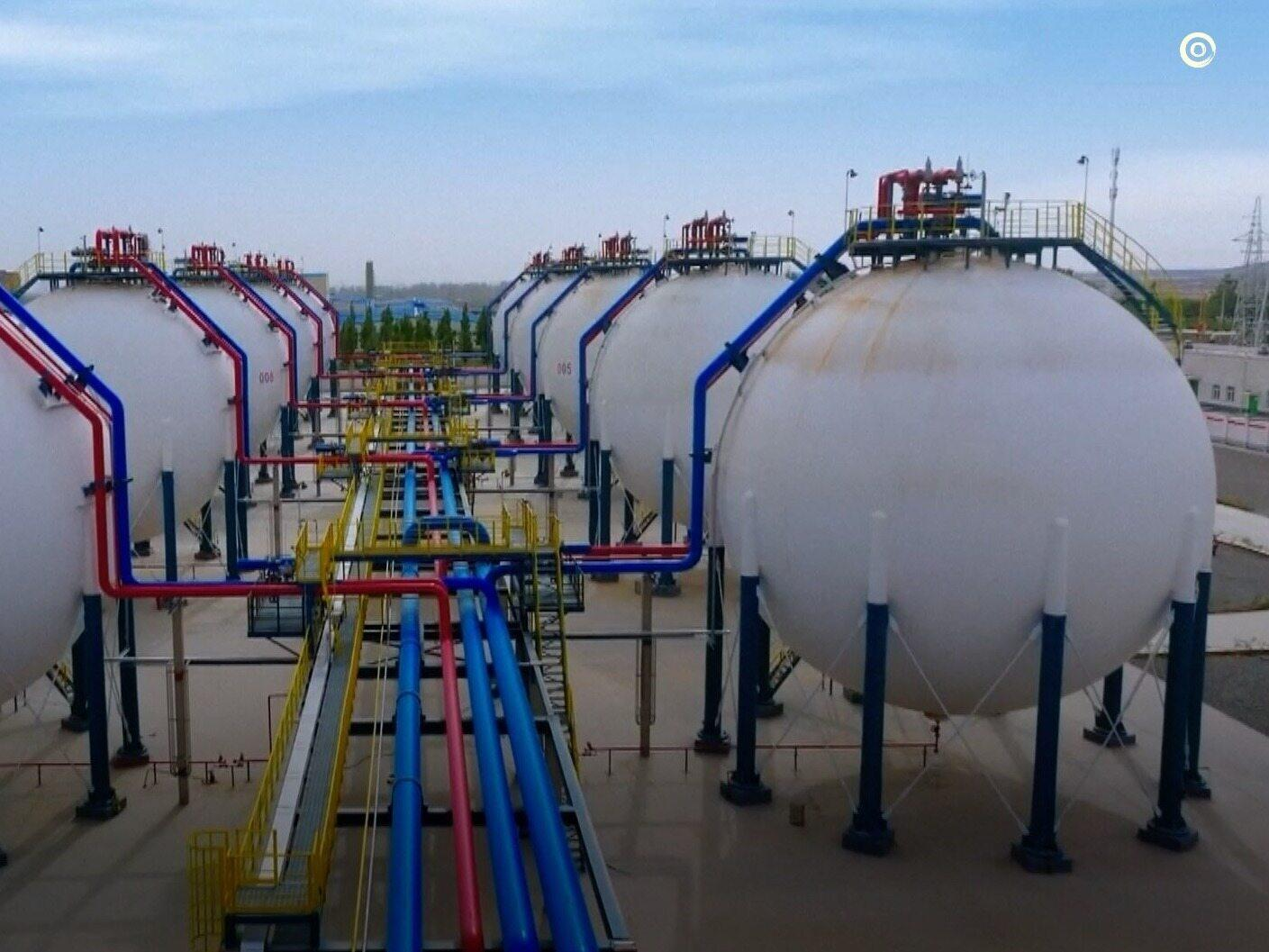
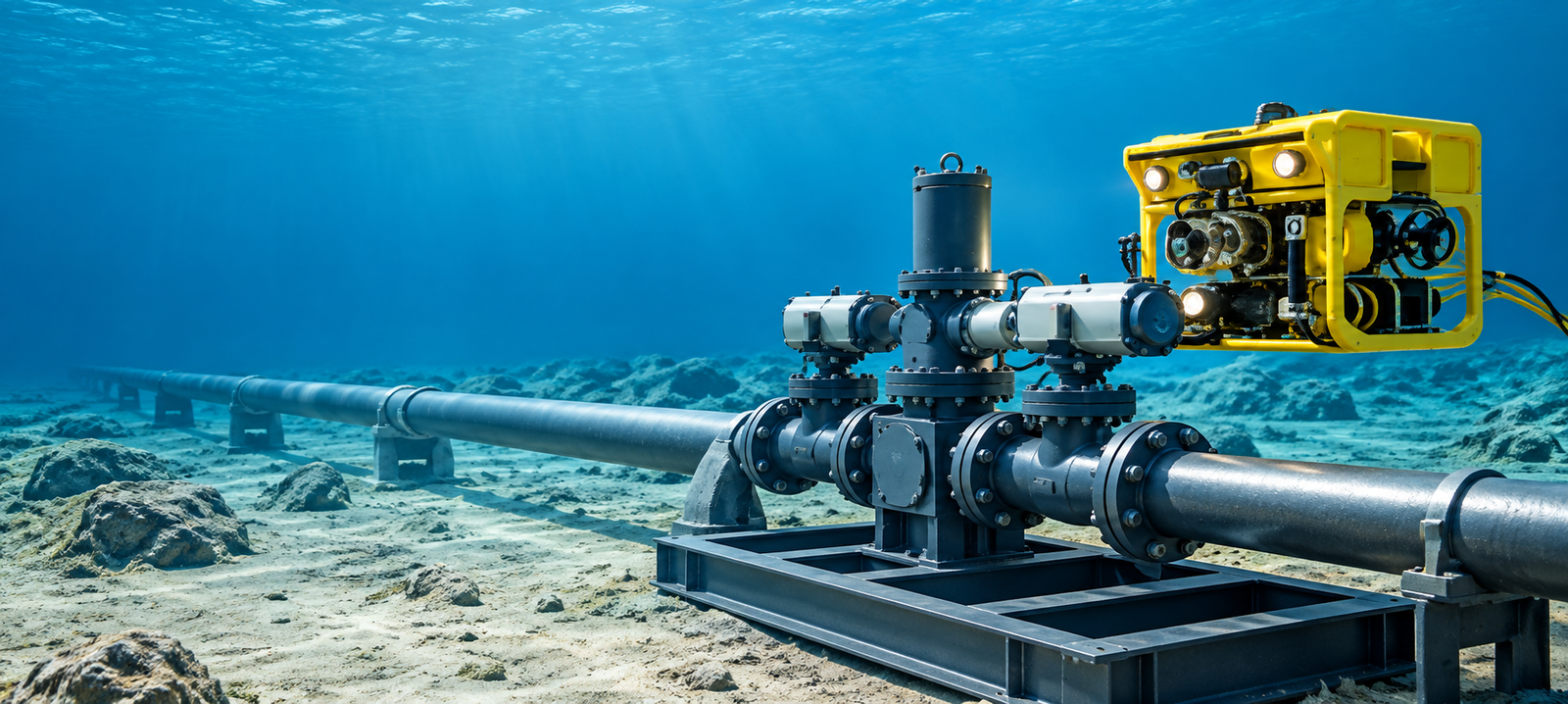
Industrial valve solutions for CO₂ storage, loading, unloading and transfer systems, with materials and sealing selected for operating conditions.
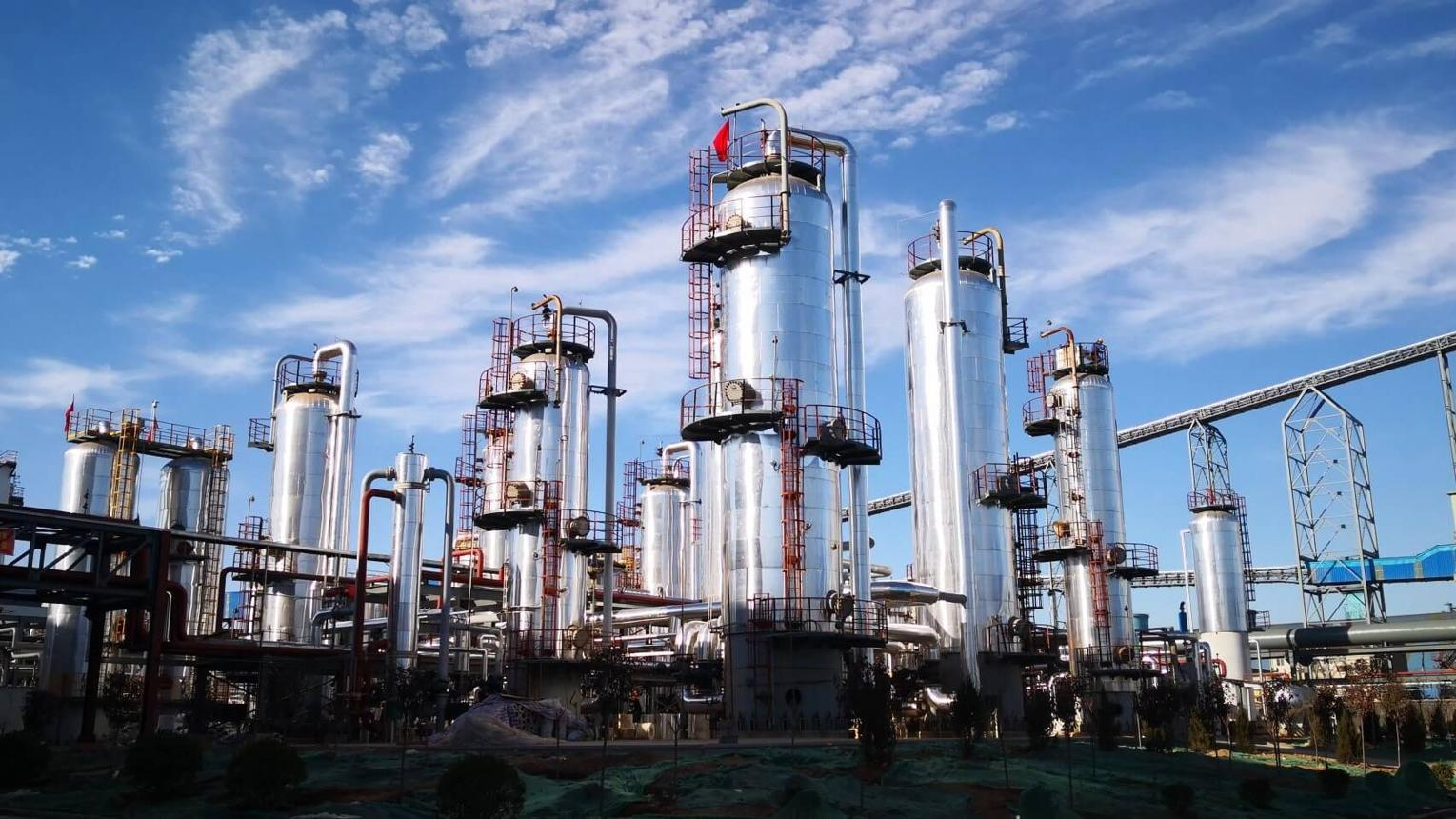
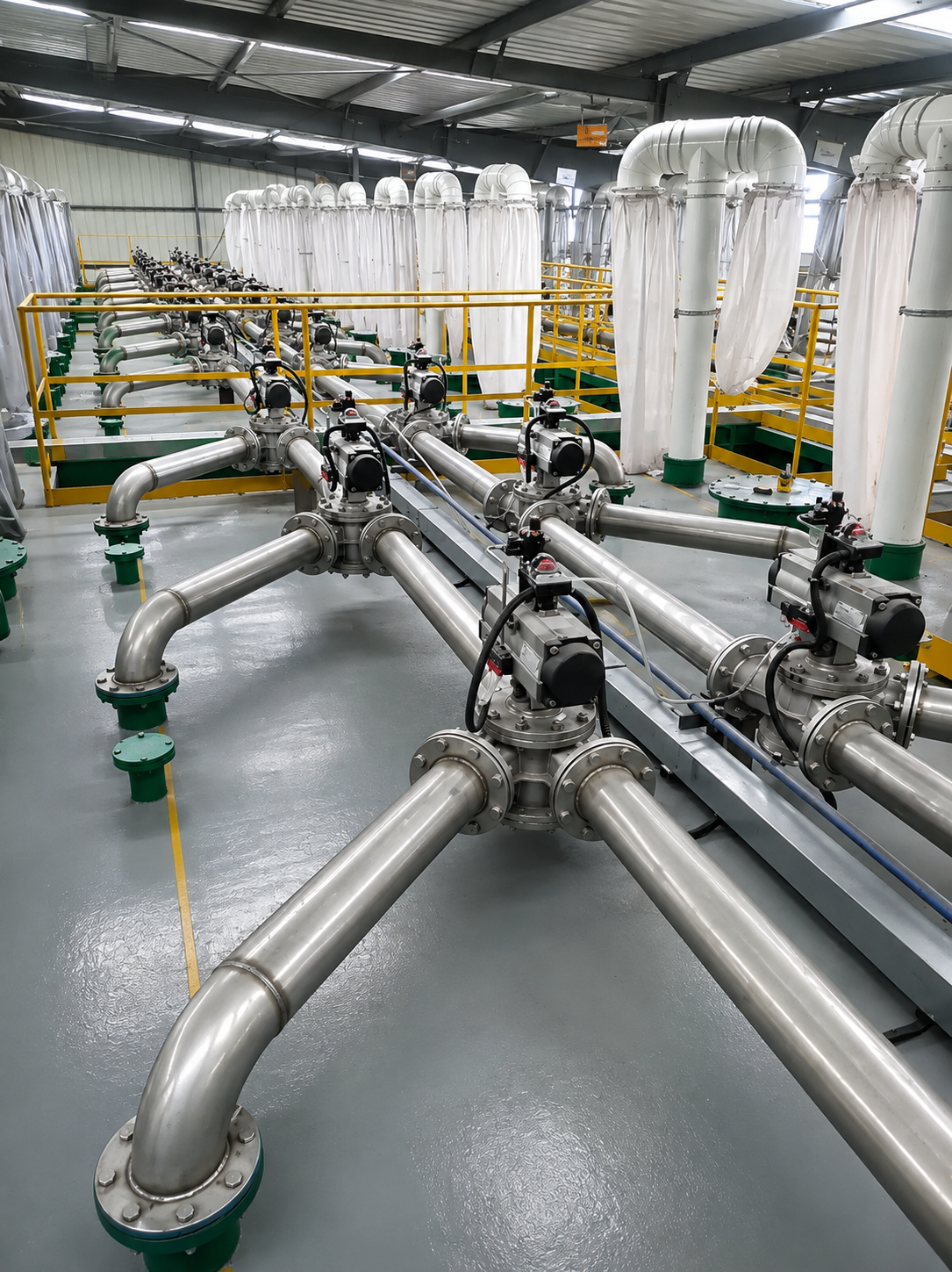
Valve solutions for CO₂-based manufacturing, chemical processing and utilization systems, supporting dependable flow regulation and process isolation.
Built for Demanding Conditions
Up to Class 2500 (ASME B16.34)
(-46°C to +250°C)
(Depending on valve type, material, sealing system, and application)
1/2" to 20"
DN15 to DN500
Flanged, Butt Weld, Socket Weld, Threaded, RTJ
WCB, LCB, CF8, CF8M, SS304, SS316, Duplex Stainless Steel, Super Duplex Stainless Steel, Alloy Steel, Chrome Moly Alloy Steel
API 6D, API 608, API 609, API 598, ASME B16.34, ISO 15848, ISO 27913, ANSI, DIN, BS
Got Questions?
Common questions about valve design, performance, and automation for this application.