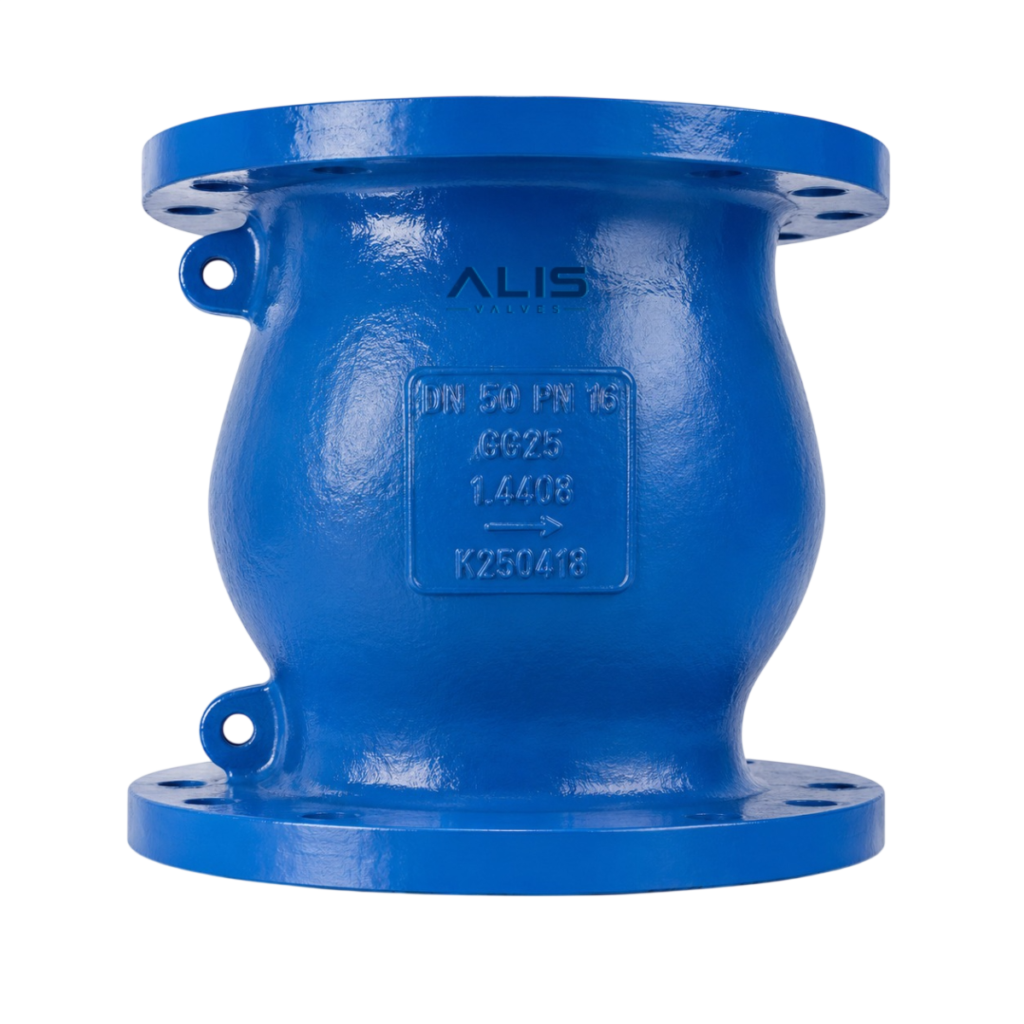
GGC VALVES
Axial Flow Check Valve
Axial Flow Check Valve Manufacturer Supplier in India is designed for reliable…

Engineered for Safety, Reliability & Performance in Demanding Process Conditions
Alis Valves manufactures high-performance industrial valves for the fertilizer industry, Fertilizer Industry Valves Manufacturer engineered to handle corrosive chemicals, aggressive process fluids, slurry, steam, ammonia, urea, phosphoric acid, nitric acid, and high-pressure applications. Our comprehensive range of ball valves, butterfly valves, gate valves, globe valves, check valves, control valves, diaphragm valves, pneumatic actuated valves, and electric actuated valves provides safe, reliable, and efficient flow control for fertilizer manufacturing plants and chemical processing facilities. Designed to international standards, our valves ensure long service life, leak-free performance, and maximum plant reliability.

Valve Solutions for Fertilizer
A wide range of high-performance valves designed to meet the critical demands of Fertilizer applications.
Axial Flow Check Valve Manufacturer Supplier in India is designed for reliable…
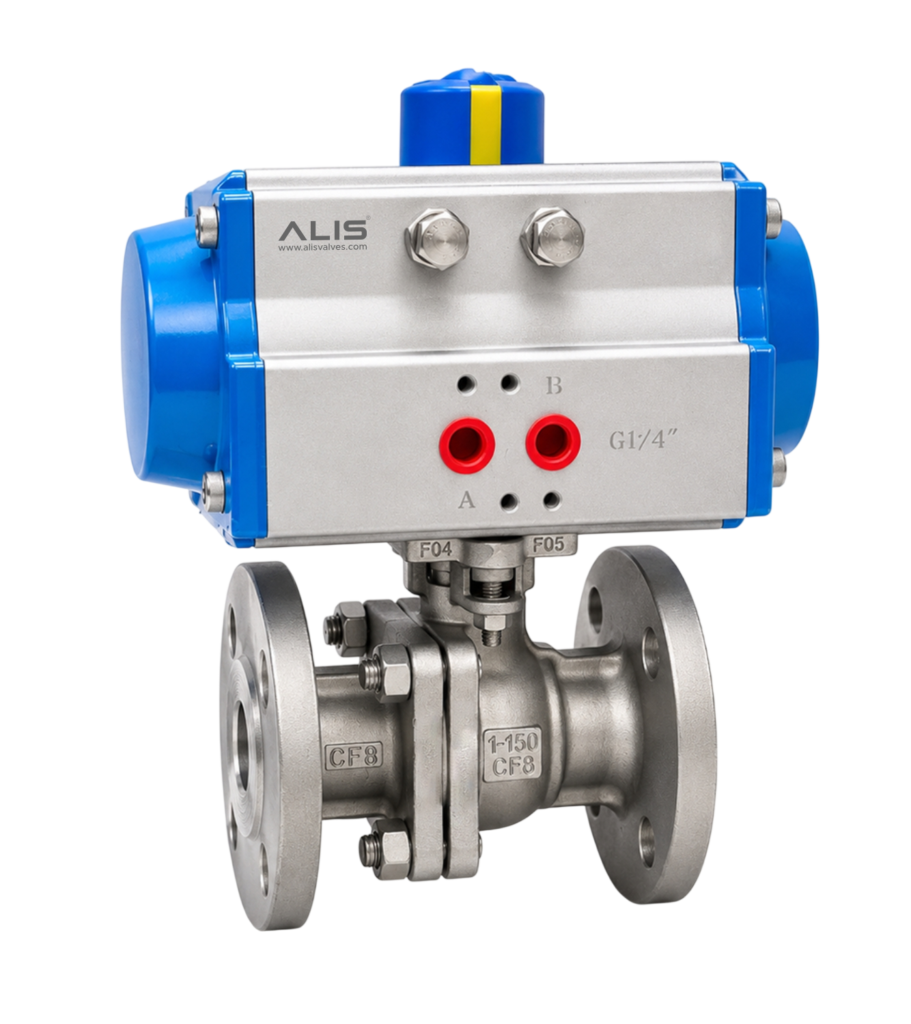
ALIS Valves is a leading Pneumatic 2 Piece Flanged Ball Valve Manufacturer…
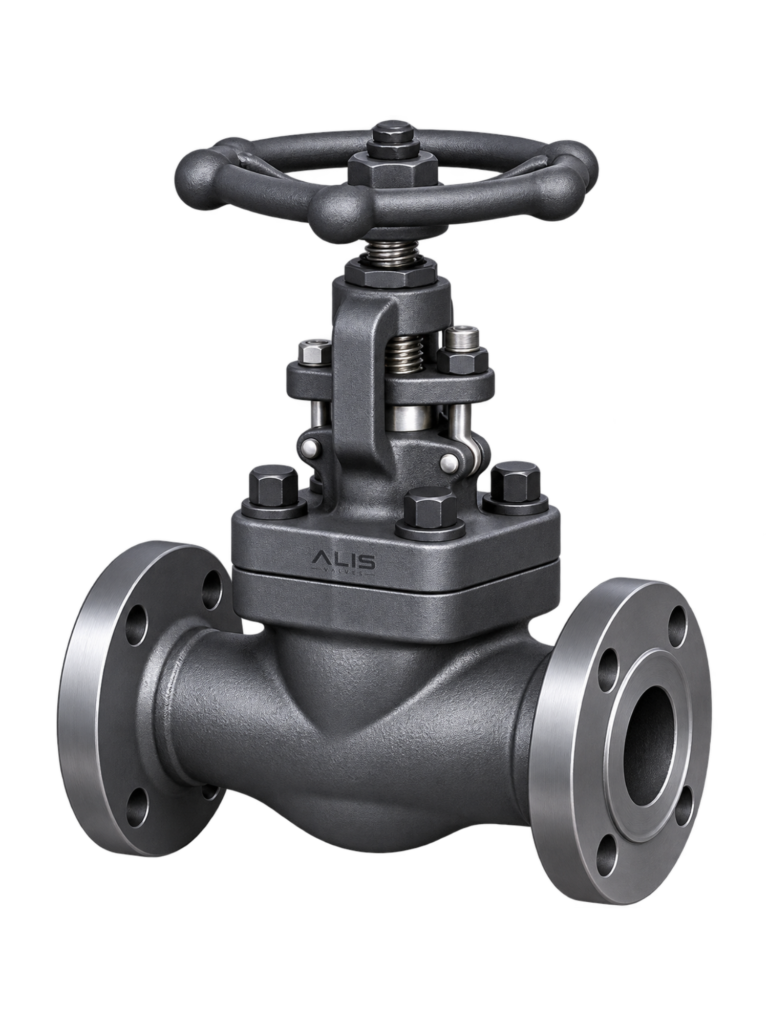
Alis Valves is an Forged Steel Globe Valve Manufacturer, Supplier in India…
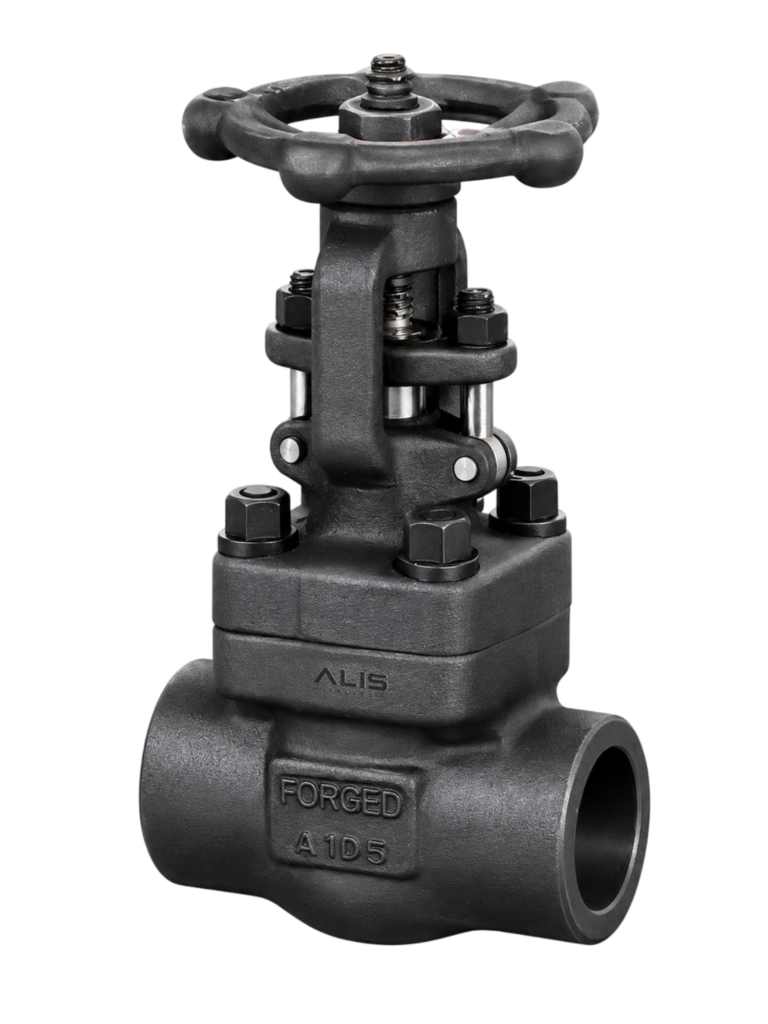
ALIS Valves is a Forged Steel Gate Valve Manufacturer in India, offering…
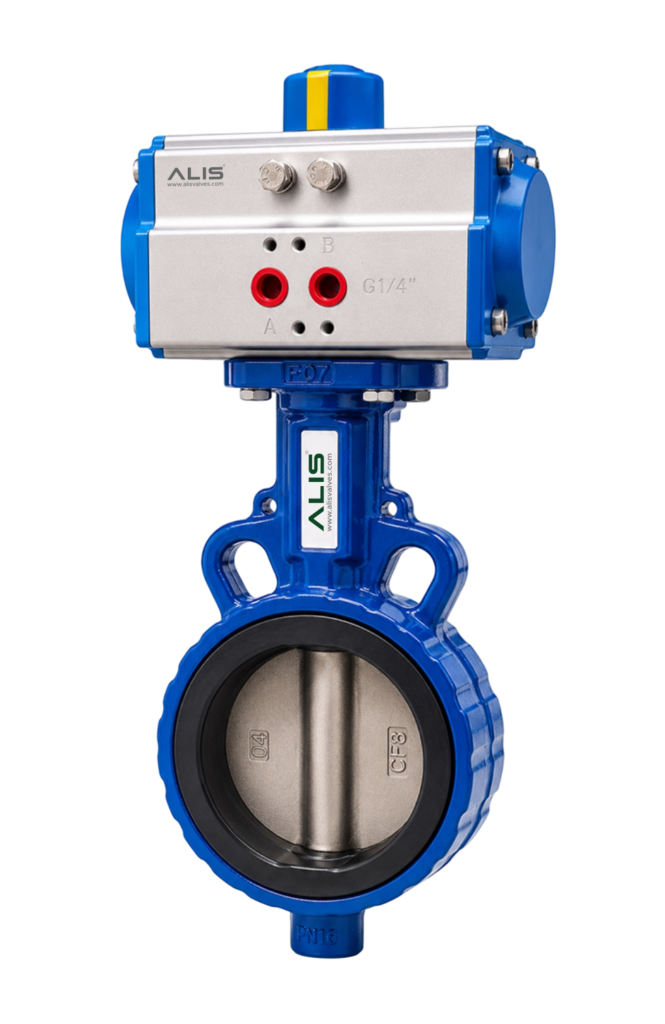
ALIS Valves is a leading Pneumatic Wafer Butterfly Valve Manufacturer in India,…
Product Categories for Fertilizer
Explore key valve categories and automated packages engineered for Fertilizer applications.
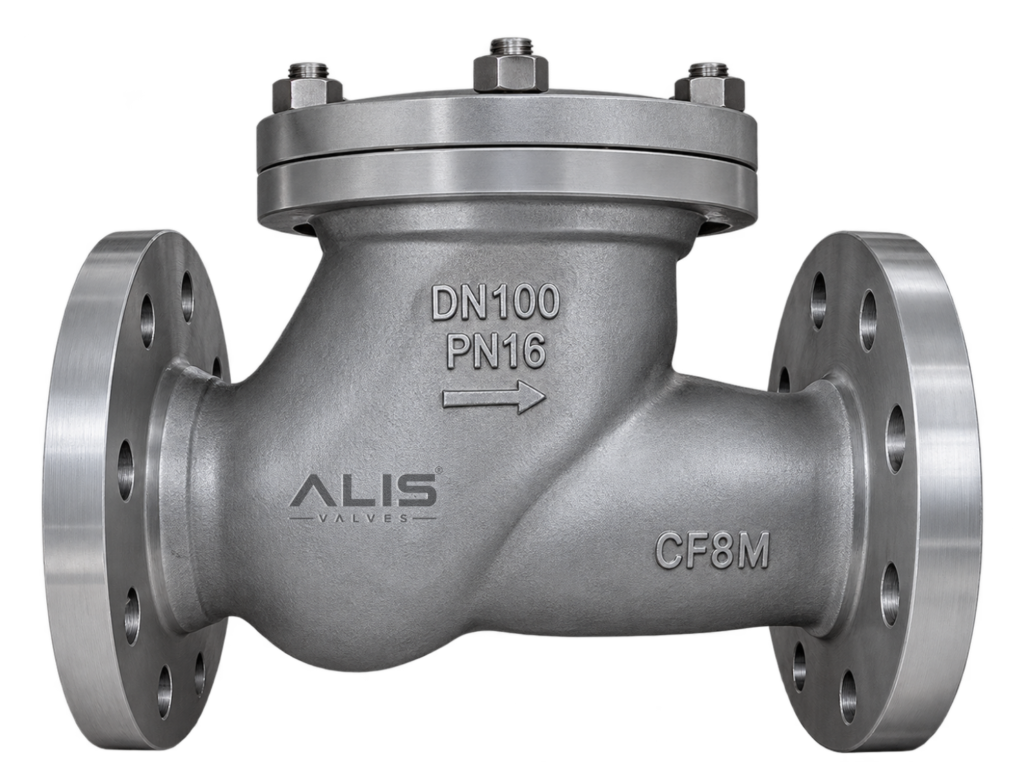
GGC Valves designed to deliver dependable shut-off, precise flow control, and effective non-return protection in demanding industrial process applications.
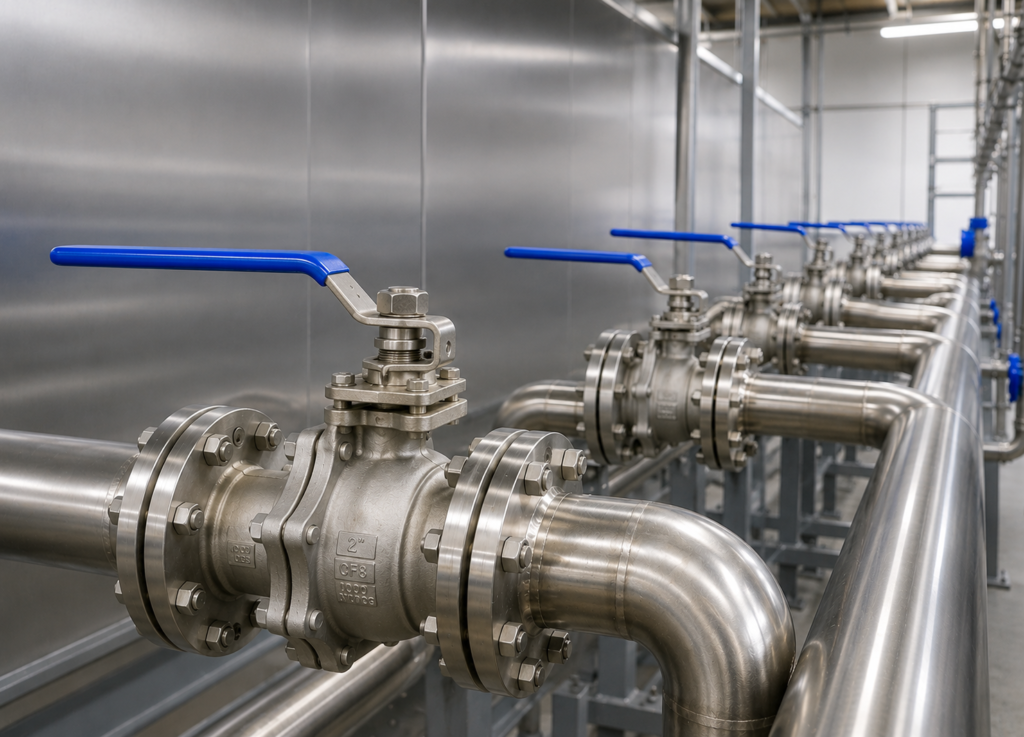
Designed around your needs, our Ball Valves deliver smooth operation, reliable shut-off, and the confidence you need for every flow…
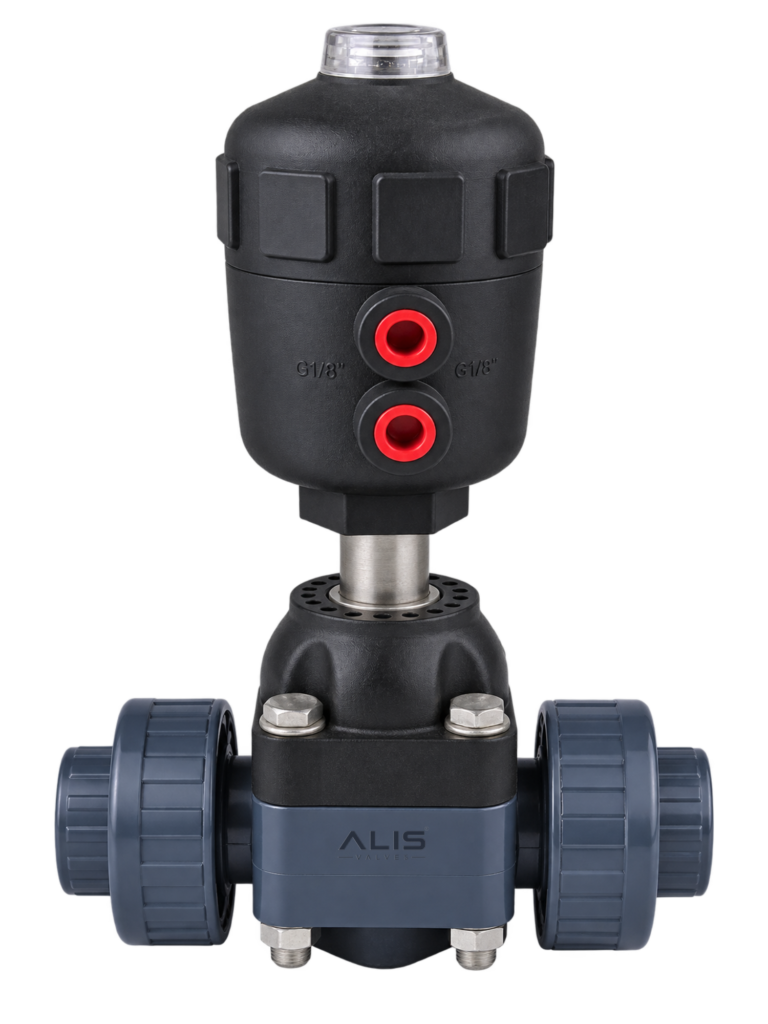
Complete Range of Pneumatic Actuated Ball, Butterfly, Gate, Globe and Control Valves for Reliable Industrial Automation and Precise Flow Control.
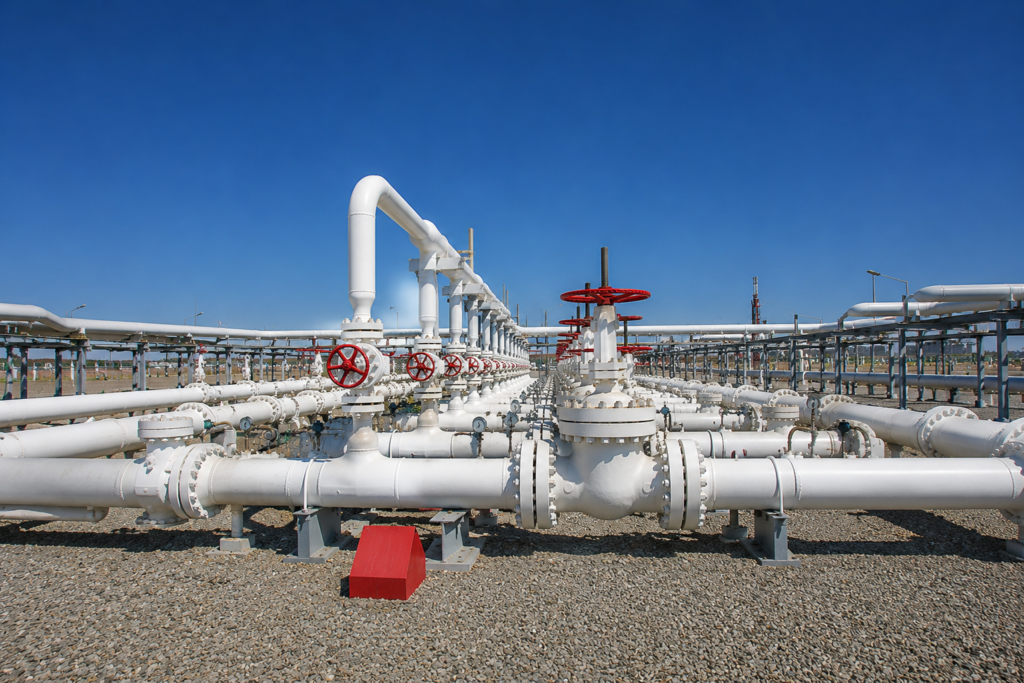
Ensures precise flow regulation and reliable shut-off for steam, water, oil, and other demanding industrial process applications.
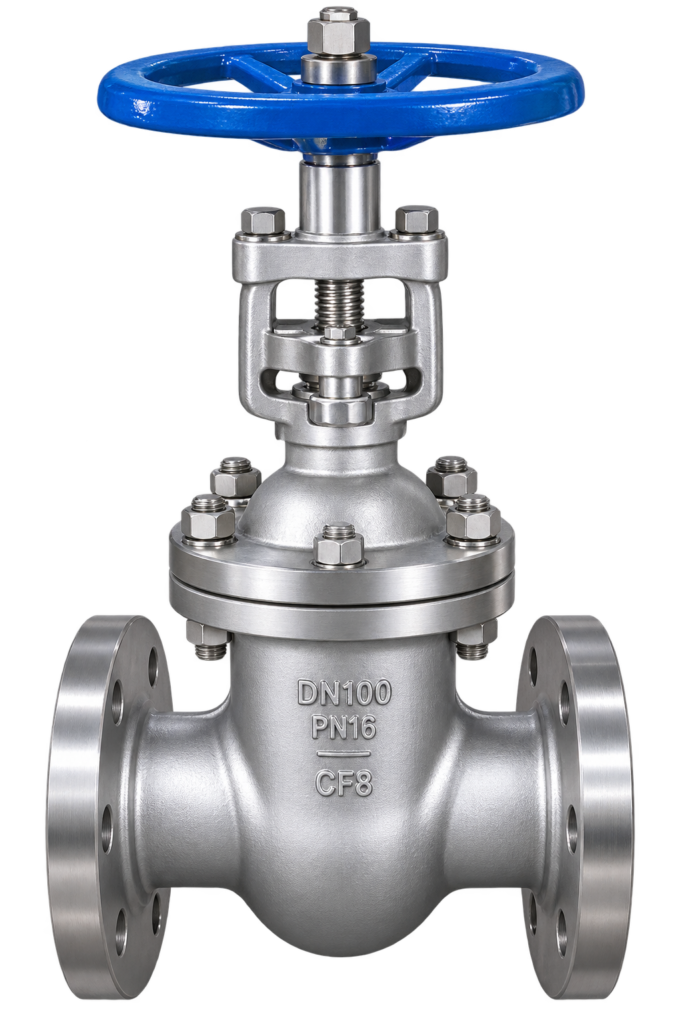
Engineered Gate Valve engineered for superior reliability and severe service performance.
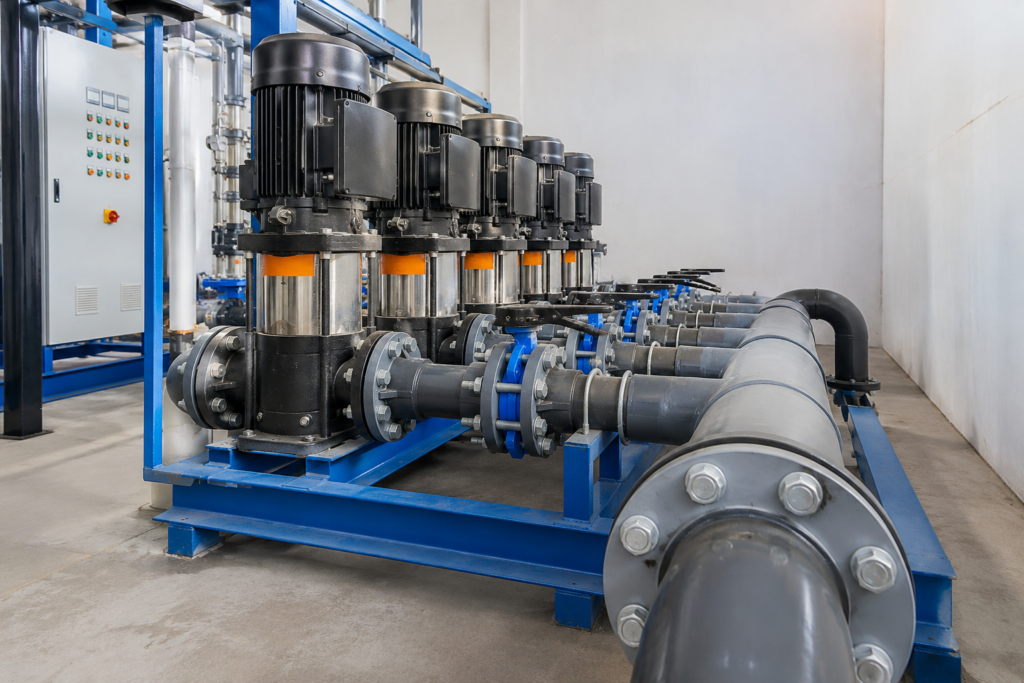
Designed for effortless flow control, our Butterfly Valves combine easy operation, dependable shut-off, and durable performance to keep your processes…
Process Solutions & Applications
Engineered valve packages, automated assemblies, and specialized flow control systems designed for critical operating units.
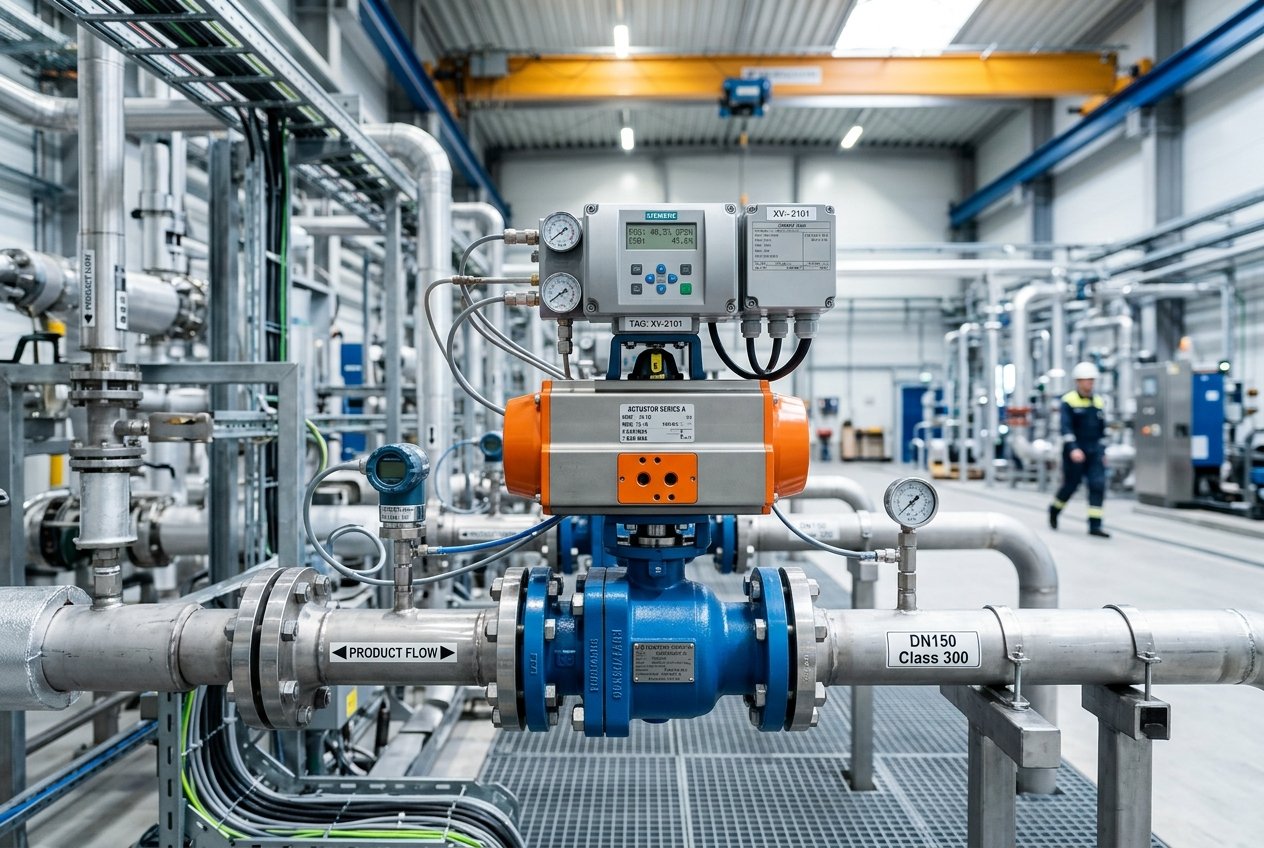
Factory-assembled valve packages with pneumatic or electric actuators, accessories, and control components for reliable and efficient process automation.
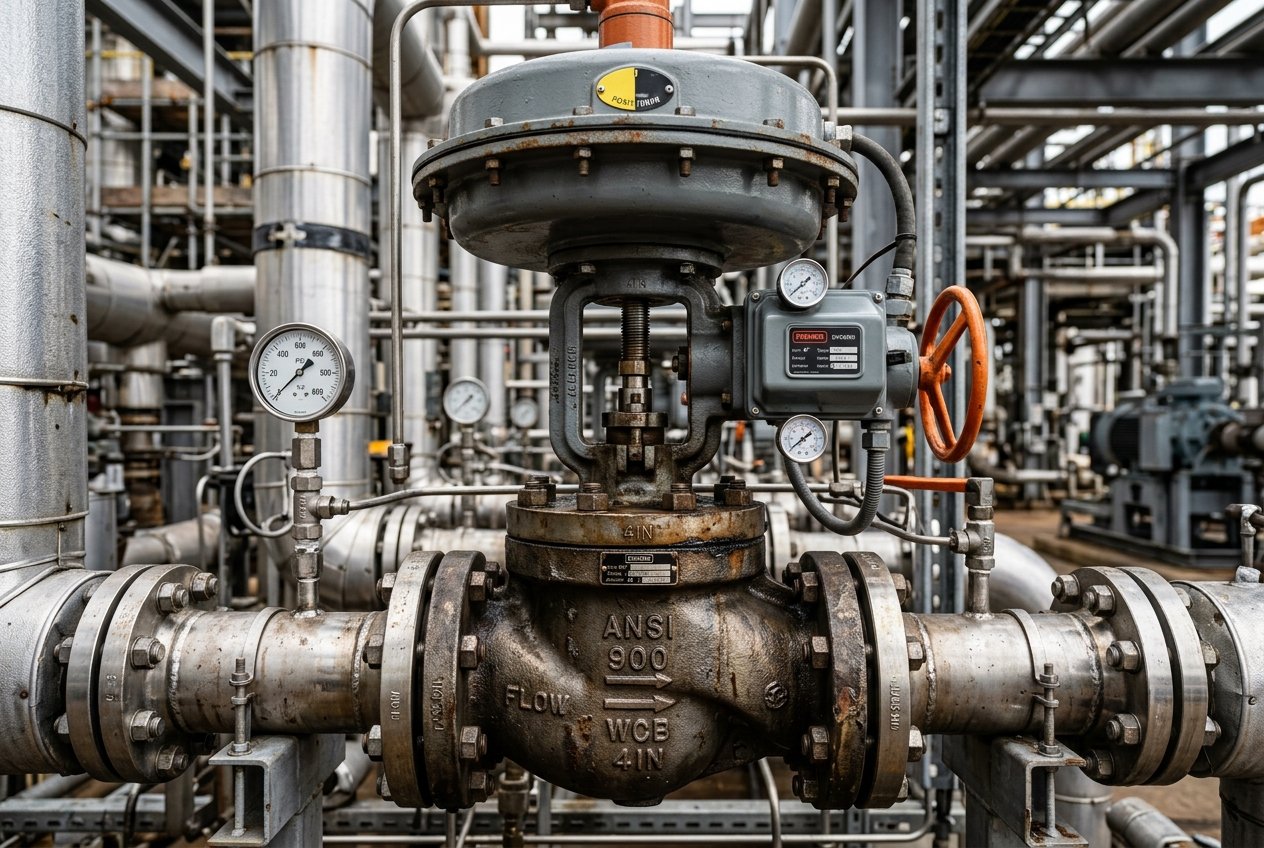
Engineered control and isolation valves for high-pressure, high-temperature, abrasive, and corrosive process conditions across demanding industrial applications.
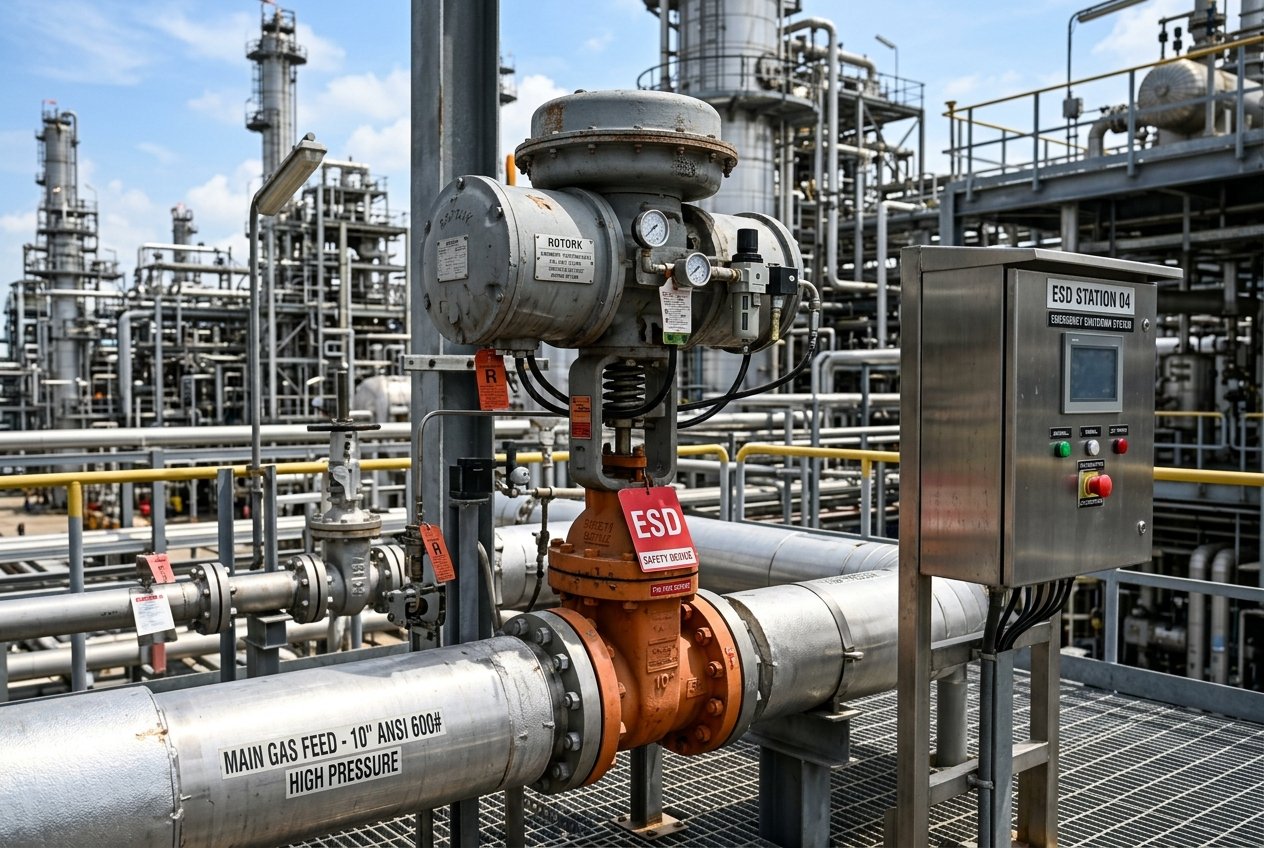
Safety-focused emergency shutdown valve assemblies with suitable fail-safe actuation and control interfaces to support rapid process isolation in critical applications.
Built for Demanding Conditions
Up to Class 2500 (ASME B16.34)
-196°C to +650°C
1/2" to 20"
DN 15 to DN 500
Flanged, Wafer, Lug, Threaded, Butt Weld, Socket Weld
WCB, CF8, CF8M, SS304, SS316, Duplex, Super Duplex, Hastelloy, Monel, PTFE Lined, PFA Lined
API 6D, API 608, API 609, API 598, ASME B16.34, ANSI, DIN, BS, ISO, NACE MR0175
Got Questions?
Common questions about valve selection, specifications, and certifications for this industry.