
Cement
Engineered valve solutions tailored for critical Cement operating processes.
ALIS Valves is a Non Slam Disc Check Valve Manufacturer in India, offering check valves designed to prevent reverse flow and minimize water hammer in industrial piping systems. The valve uses a disc mechanism for quick closing and reliable backflow prevention, making it suitable for water treatment, power, oil & gas, chemical and process industries.
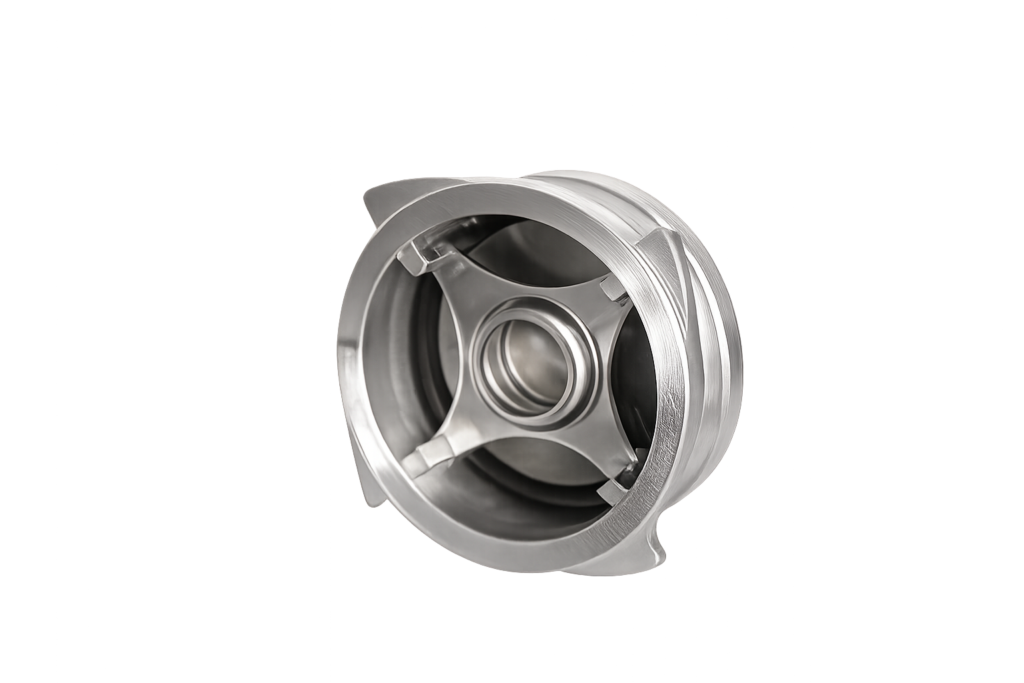
ALIS Valves offers Non Slam Disc Check Valves designed to prevent reverse flow and help minimize water hammer in industrial piping systems. These valves use a disc that moves in response to changes in fluid flow, allowing forward flow and closing automatically when the flow decreases or reverses. Unlike conventional check valves that may close abruptly, a non-slam design uses a controlled disc movement and spring-assisted closing mechanism, depending on the construction, to reduce disc impact against the seat and limit pressure surges. This design helps protect pipelines, pumps and connected equipment from damaging transient forces. Depending on the application, these valves are available in different body materials, disc and seat configurations, pressure ratings and end connections to meet specified operating conditions.
Non Slam Disc Check Valves are commonly used in water supply networks, pumping stations, wastewater treatment plants, power generation, HVAC systems and industrial process piping. Depending on the valve design and material selection, they can handle compatible liquids and other specified process media within their rated pressure and temperature limits. Important selection factors include valve size, flow rate, operating pressure, temperature range, installation orientation, cracking pressure and compatibility with the pumping system. Buyers should also consider the valve’s closing characteristics, pressure drop and required flange or connection standard. Proper sizing is essential because an incorrectly selected check valve may experience excessive pressure loss, unstable disc movement or reduced protection against water hammer. Selecting the appropriate non-slam disc check valve helps prevent reverse flow, reduce closing impact and support reliable operation of pumps and pipeline systems.
Engineered valve solutions tailored for critical Cement operating processes.

Engineered valve solutions tailored for critical Chemical operating processes.

Engineered valve solutions tailored for critical Data centres operating processes.

Engineered valve solutions tailored for critical Fertilizer operating processes.

Industrial Valves for Ammonia Applications Industrial valves used in ammonia systems are selected according…

High-performance flow automation engineered for CO₂ operations.
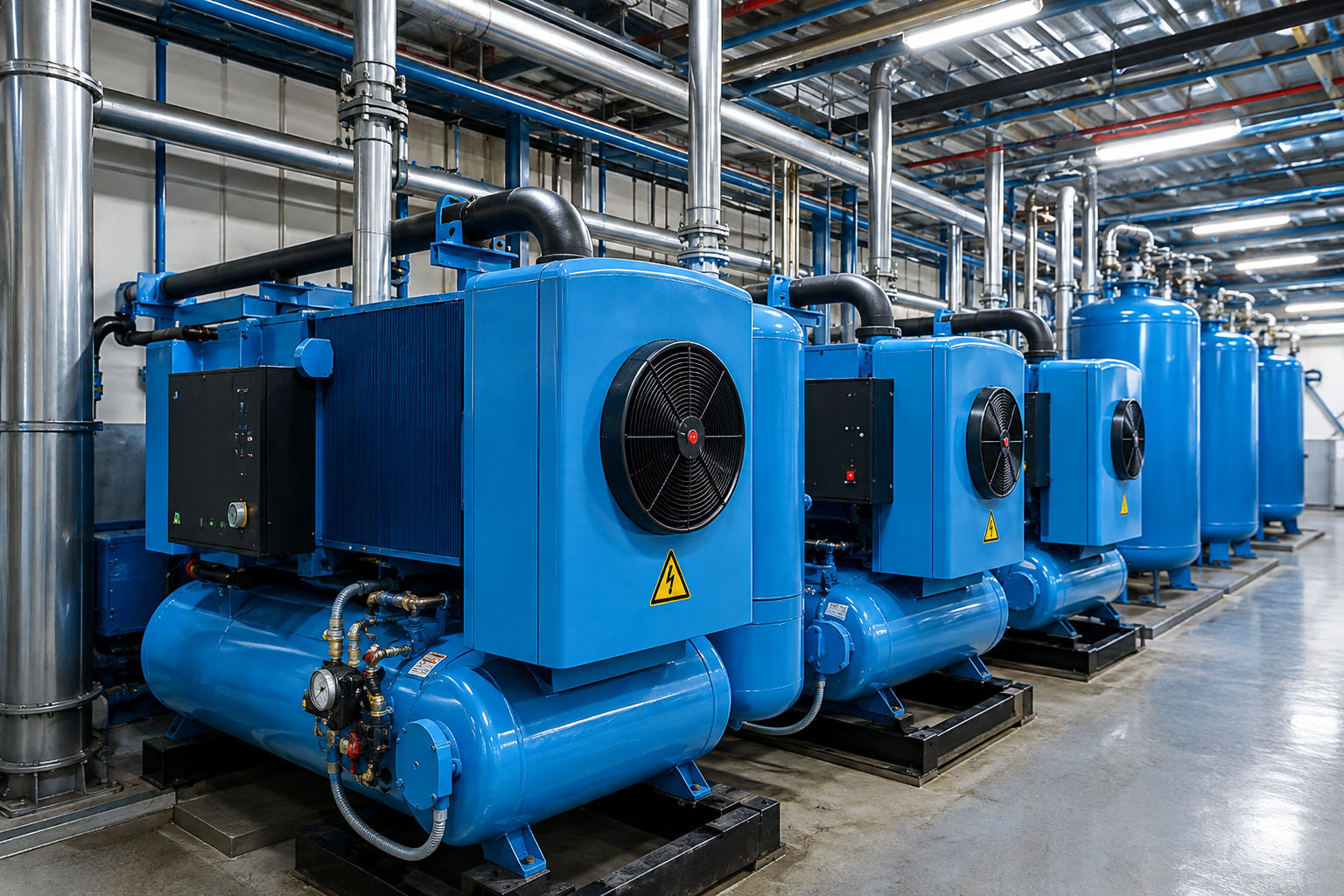
High-performance flow automation engineered for Compressed Air operations.
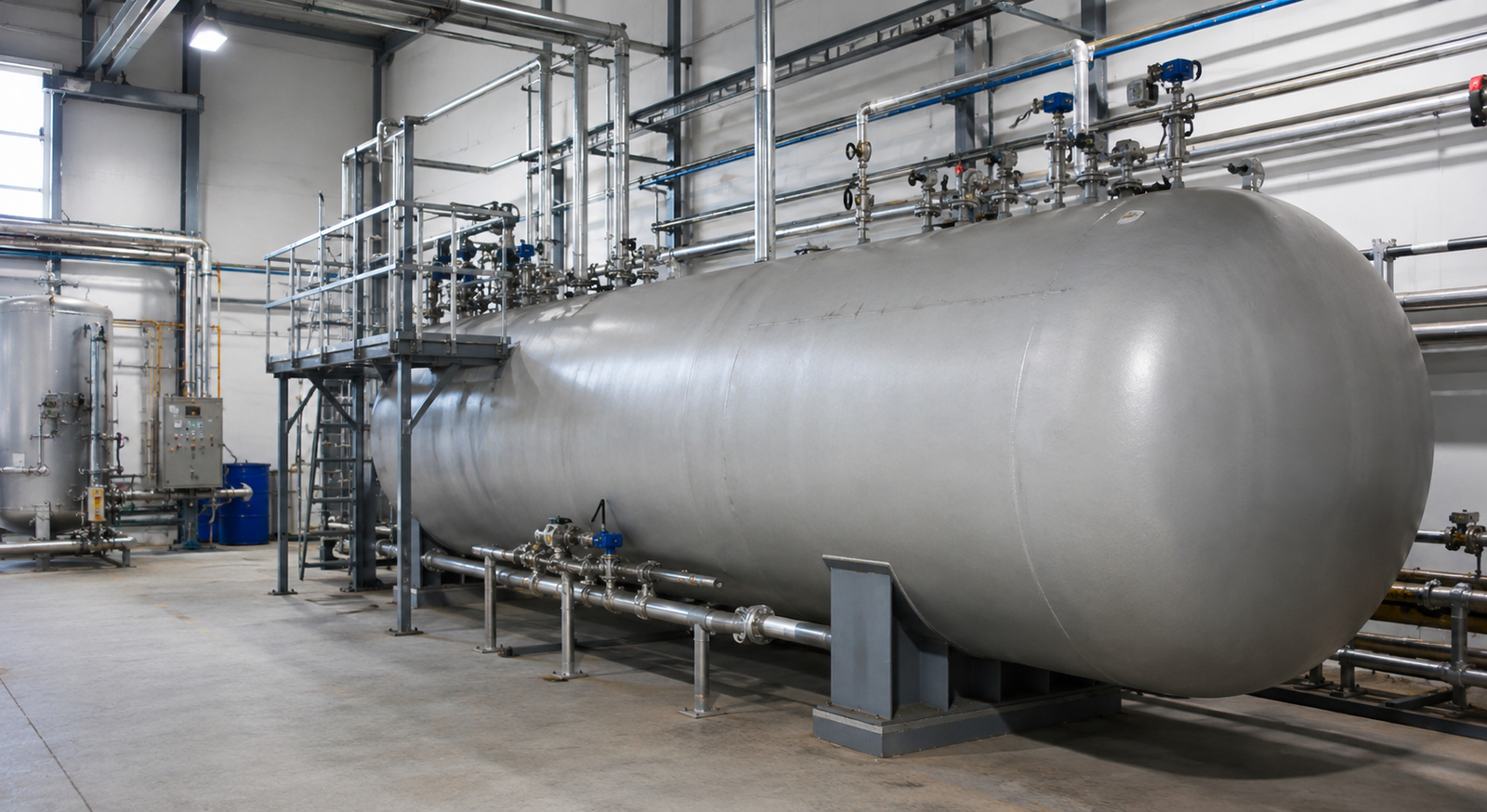
High-performance flow automation engineered for Cryogenic operations.
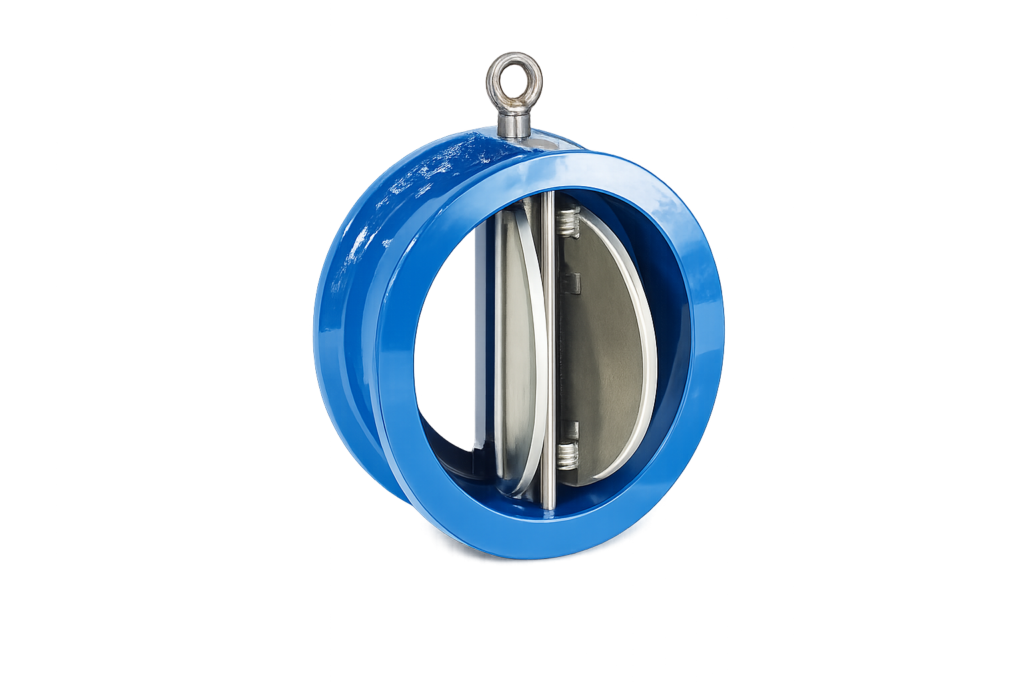
Alis Valves is a leading Dual Plate Check Valve Manufacturer & Supplier…
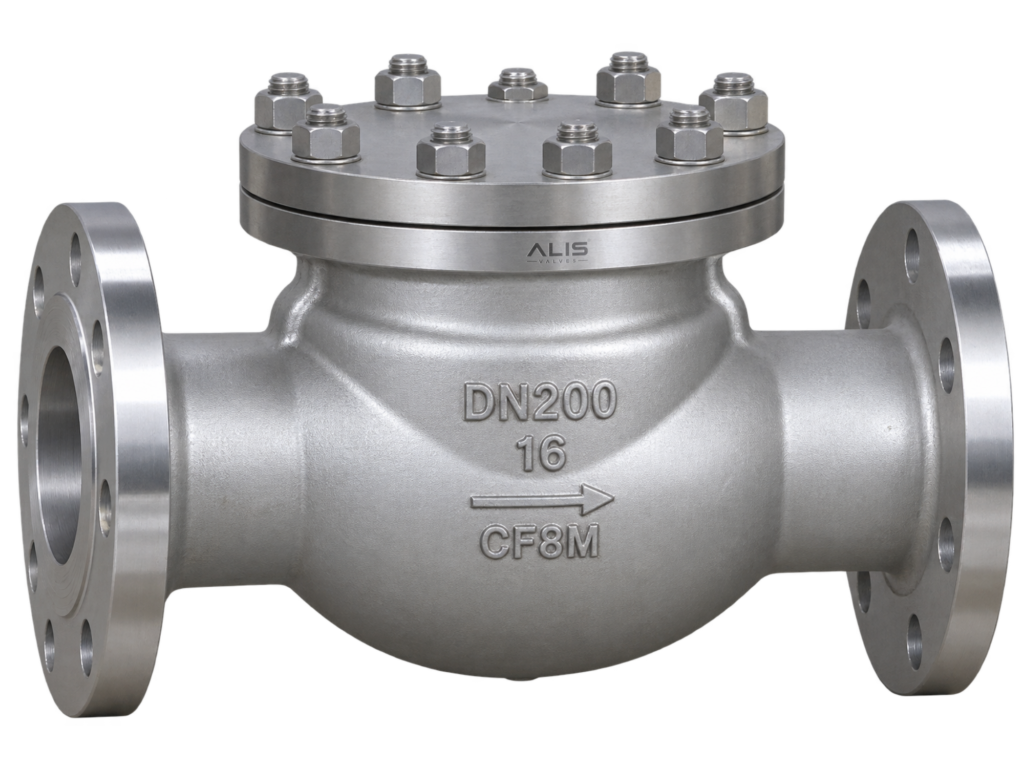
Alis Valves offers high-quality Swing Check Valves designed to prevent reverse flow…
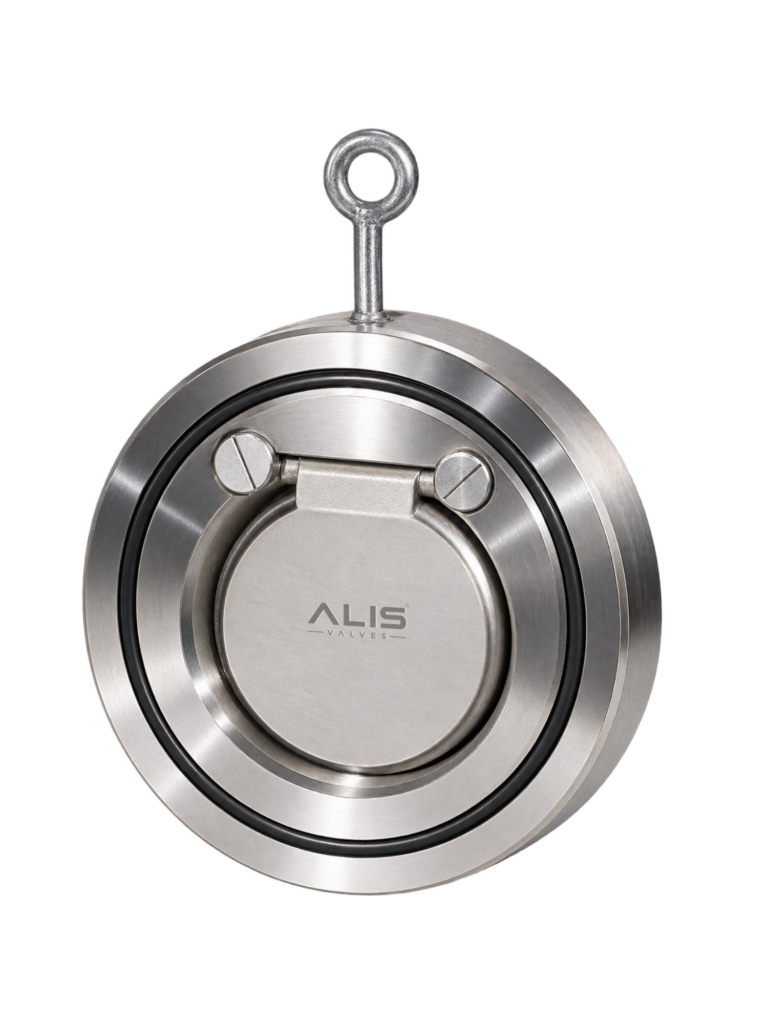
Alis Valves offers high-performance Wafer Type Disc Check Valve Manufacturer and Supplier…
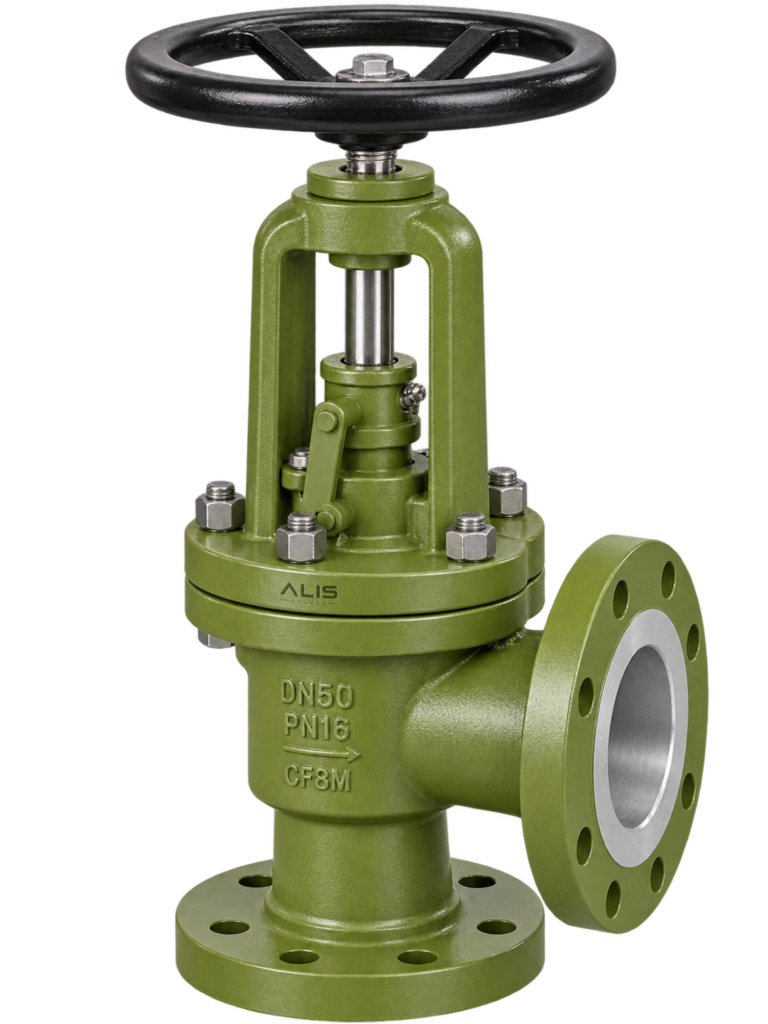
Alis Valves offers high-performance Angle Type Globe Valves designed for applications where…