
Cement
Engineered valve solutions tailored for critical Cement operating processes.

Alis Valves is Manual PTFE PFA FEP Lined Ball Valve Manufacturer in India designed for reliable flow isolation in corrosive and chemical processing applications. Its fluoropolymer lining provides a protective barrier between the process fluid and the valve body, helping resist chemical attack. Operated by a manual lever, it is suitable for chemical plants, pharmaceutical manufacturing and other process industries where material compatibility and reliable shut-off are important.
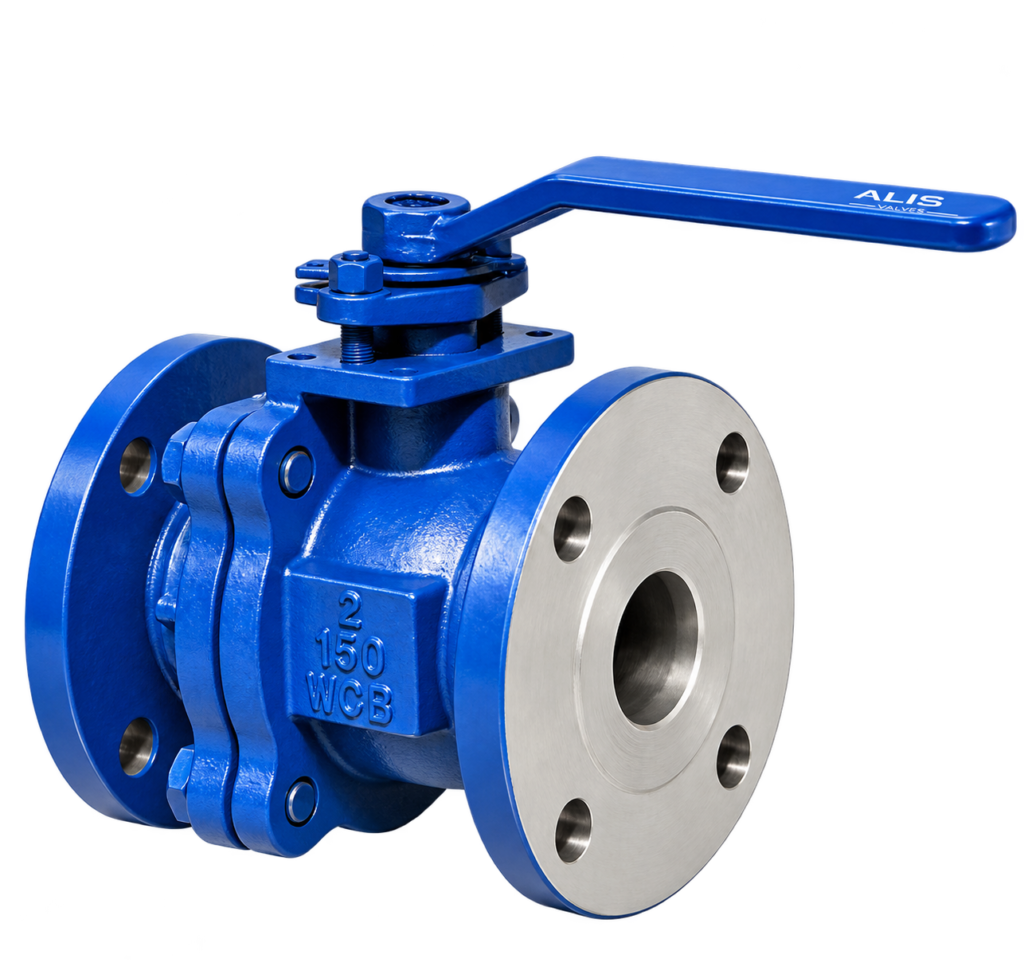
The Manual PTFE/PFA/FEP Lined Ball Valve is used to control the flow of corrosive liquids and compatible process fluids in industrial piping systems. The internal wetted surfaces are lined with a fluoropolymer selected according to the chemical, temperature and operating conditions. This lining helps protect the valve body from direct contact with the process media.
The valve operates through a manual lever that rotates the ball by approximately 90 degrees to open or close the flow passage. Its quarter-turn operation provides straightforward flow isolation without requiring electricity or compressed air.
PTFE, PFA and FEP have different physical and processing characteristics, so the appropriate lining must be selected for the application. PFA is often chosen for demanding chemical service and applications requiring good lining integrity, while PTFE is widely used for its broad chemical resistance. FEP may be suitable for particular chemical and temperature conditions. Actual suitability depends on the specific chemical, concentration, temperature, pressure and valve construction.
These valves are commonly considered for chemical transfer, pharmaceutical processing, specialty chemical production, water treatment and other corrosive-fluid applications. Before selection, confirm the lining material, ball and seat design, pressure-temperature limits and compatibility with the process fluid.
Size Range
½″–6″ (DN 15–DN 150), indicative; confirm availability
Body Material
Carbon Steel / Ductile Iron / other specified material
Lining Material
PTFE / PFA / FEP, depending on model
Ball Material
As per design; may be lined or specially coated
Seat Material
PTFE or other approved compatible material
End Connection
Flanged / other options, depending on model
Pressure Rating
Model and temperature dependent; confirm datasheet
Temperature Range
Depends on lining type, construction and pressure
Flow Passage
Full Bore / Reduced Bore, depending on model
Engineered valve solutions tailored for critical Cement operating processes.
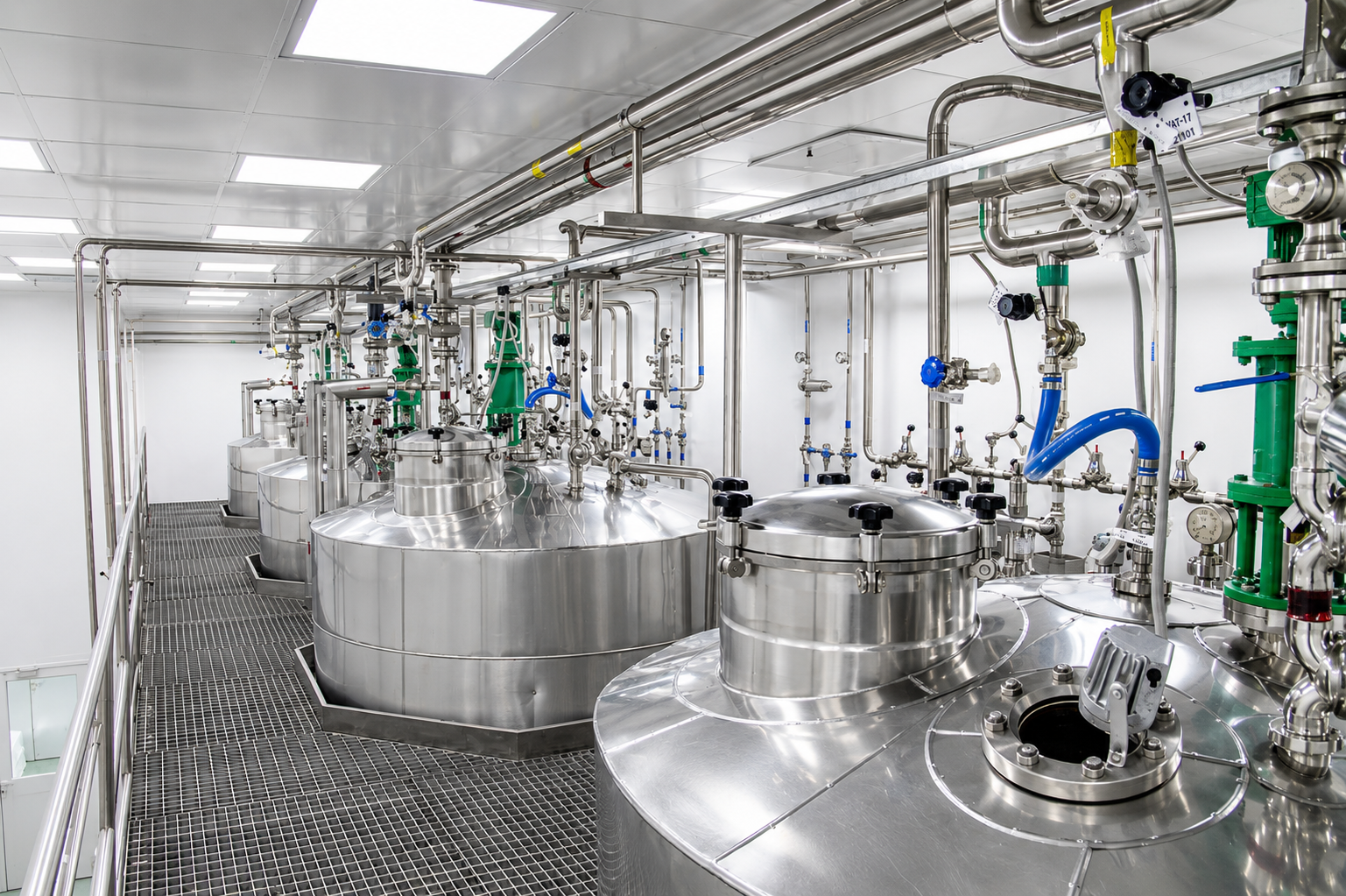
Engineered valve solutions tailored for critical Chemical operating processes.

Engineered valve solutions tailored for critical Data centres operating processes.

Engineered valve solutions tailored for critical Fertilizer operating processes.
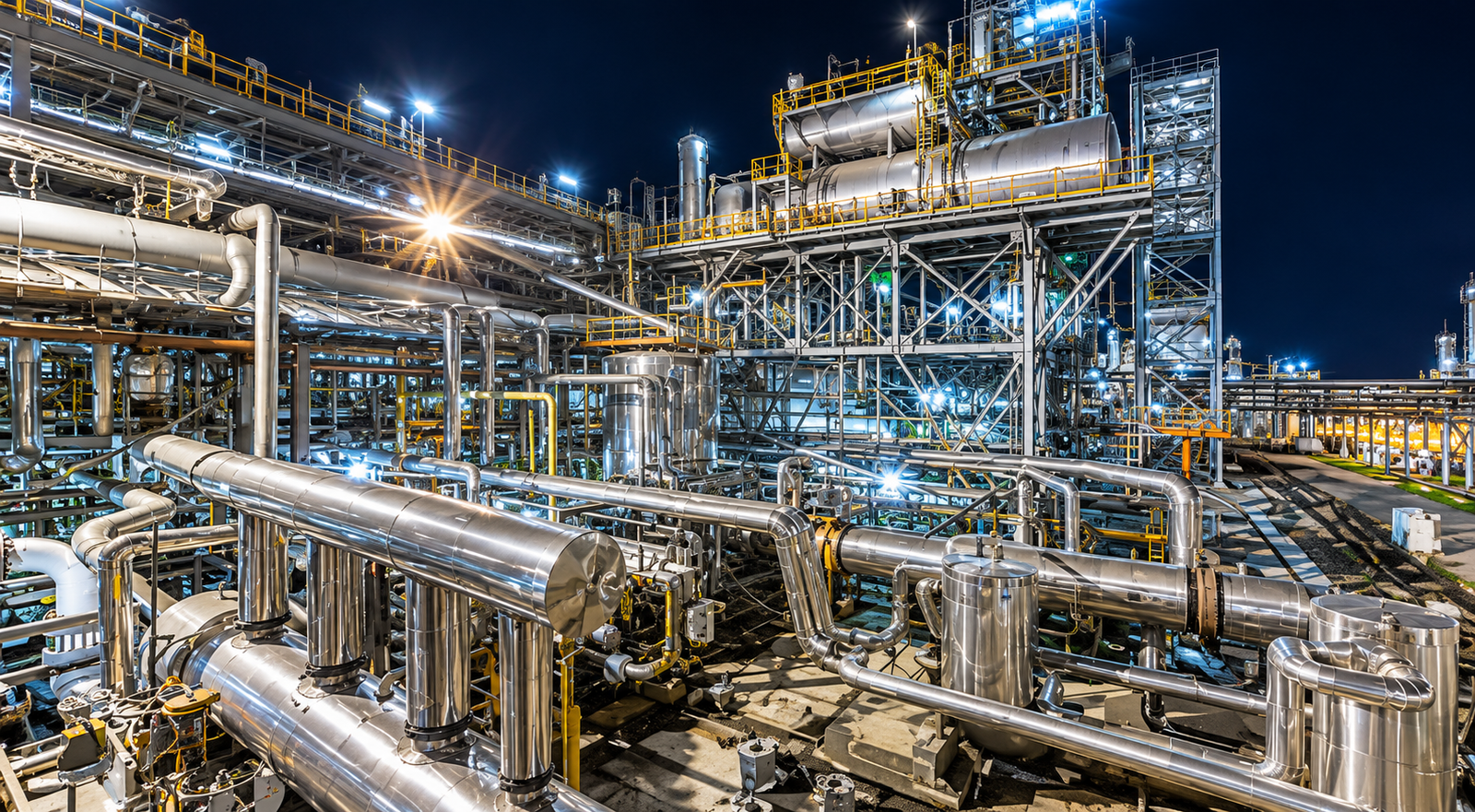
High-performance flow automation engineered for Ammonia operations.
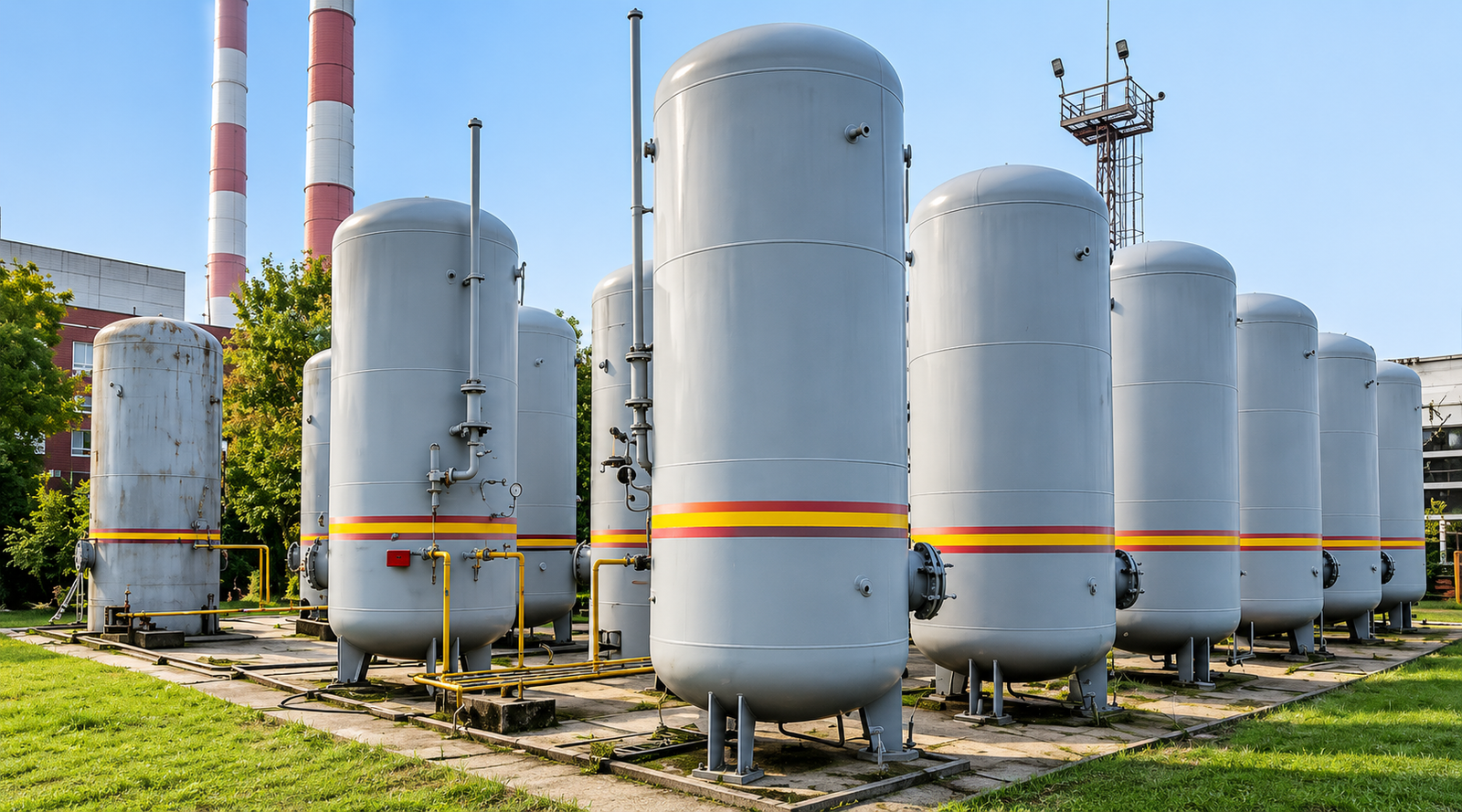
High-performance flow automation engineered for CO₂ operations.
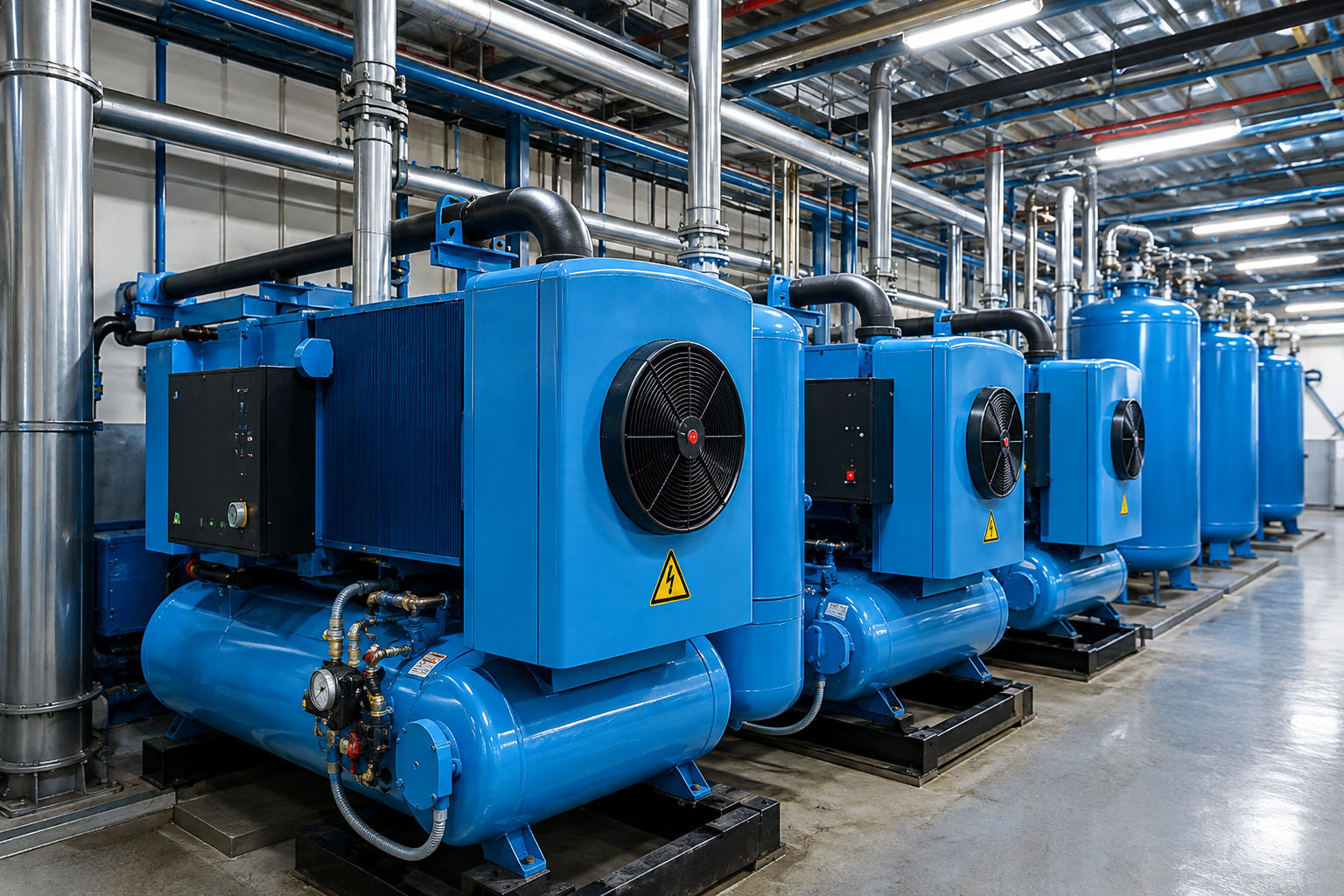
High-performance flow automation engineered for Compressed Air operations.
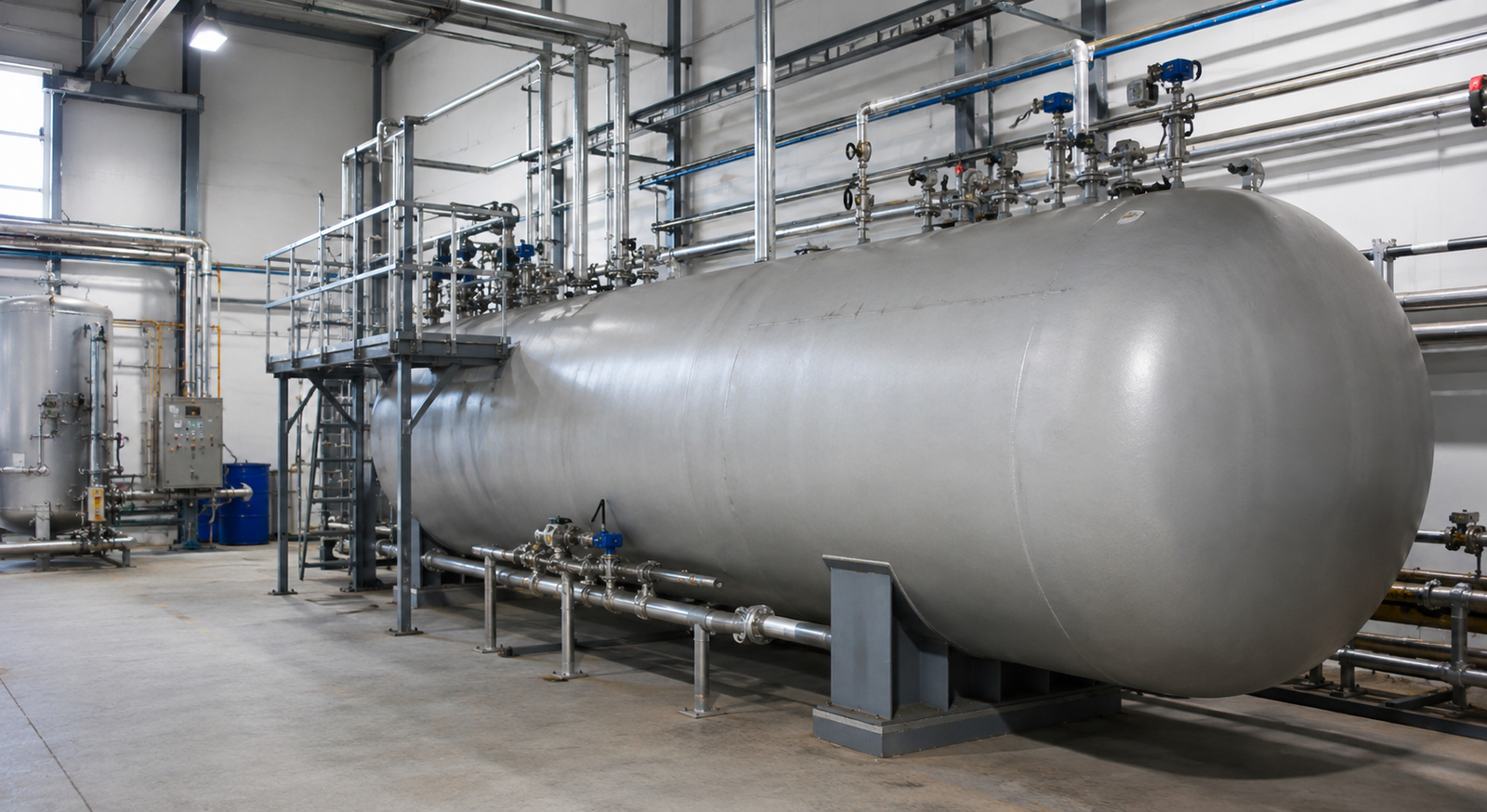
High-performance flow automation engineered for Cryogenic operations.
Manual PTFE/PFA/FEP Lined Ball Valve Product Brochure
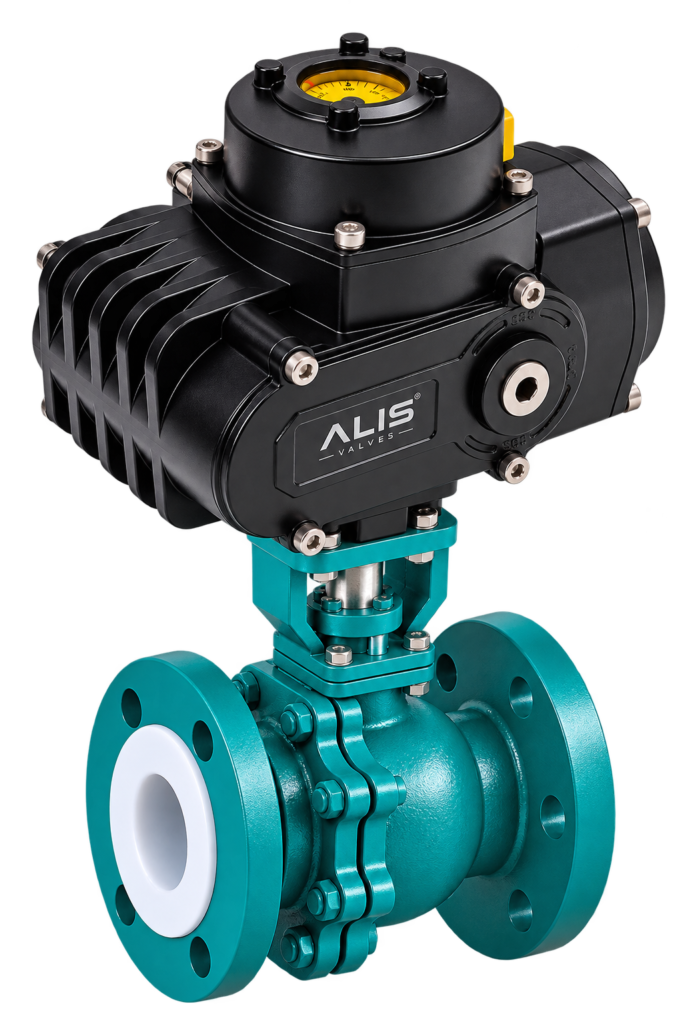
Alis Valves is a trusted Electric PFA PTFE Lined Ball Valve Manufacturer…
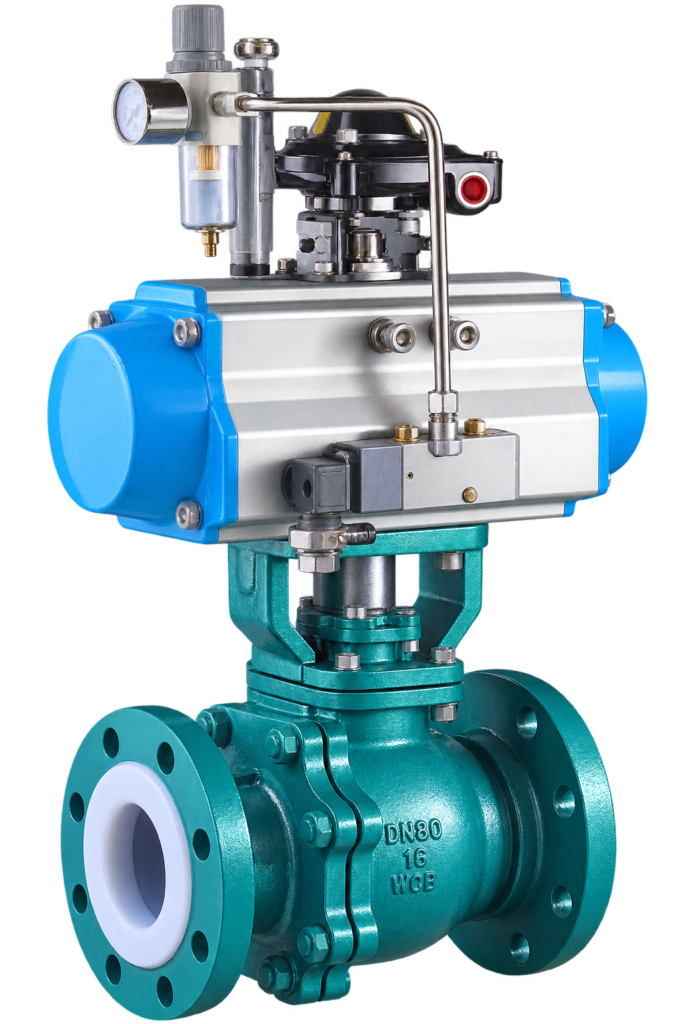
Alis Valves is a trusted Floating PFA PTFE Lined Ball Valve Manufacturer…
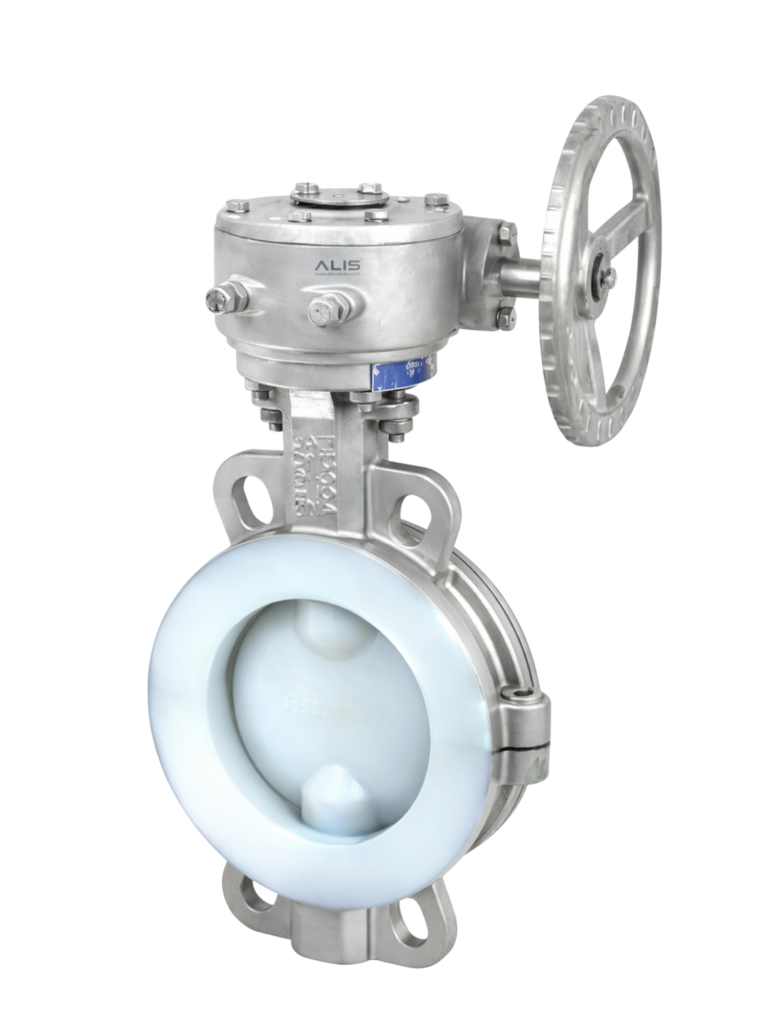
ALIS Valves is a Gear Operated PTFE Lined Butterfly Valve Manufacturer in…
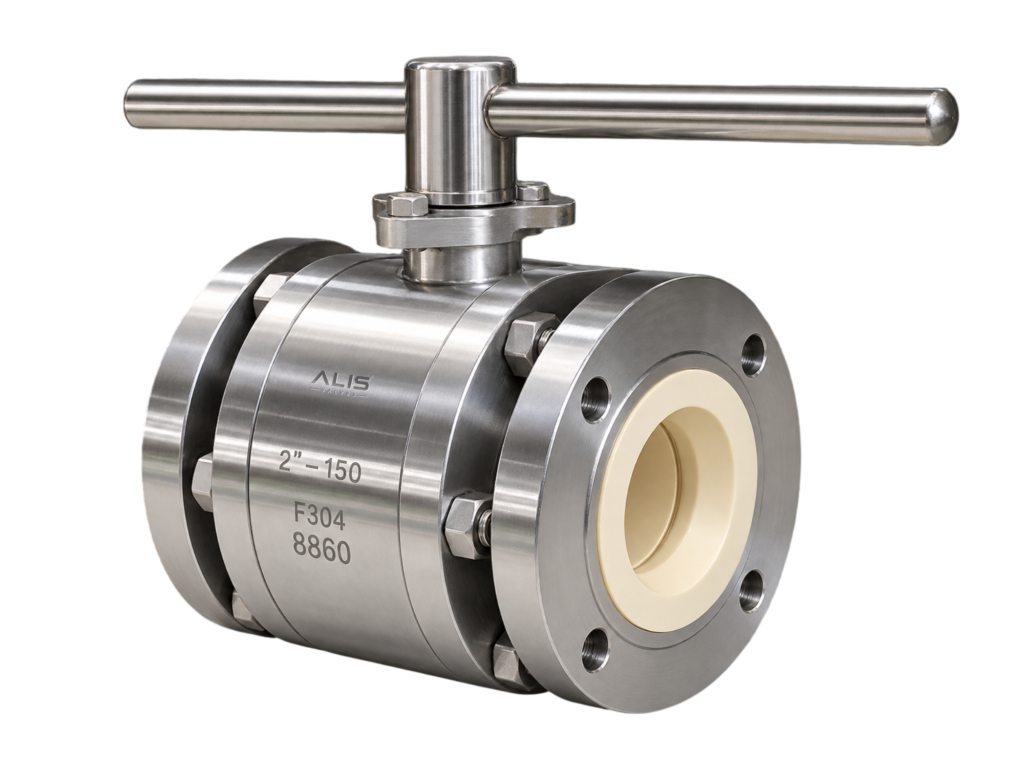
Alis Valves Ceramic Lined Ball Valve Manufacturer Supplier in India are designed…