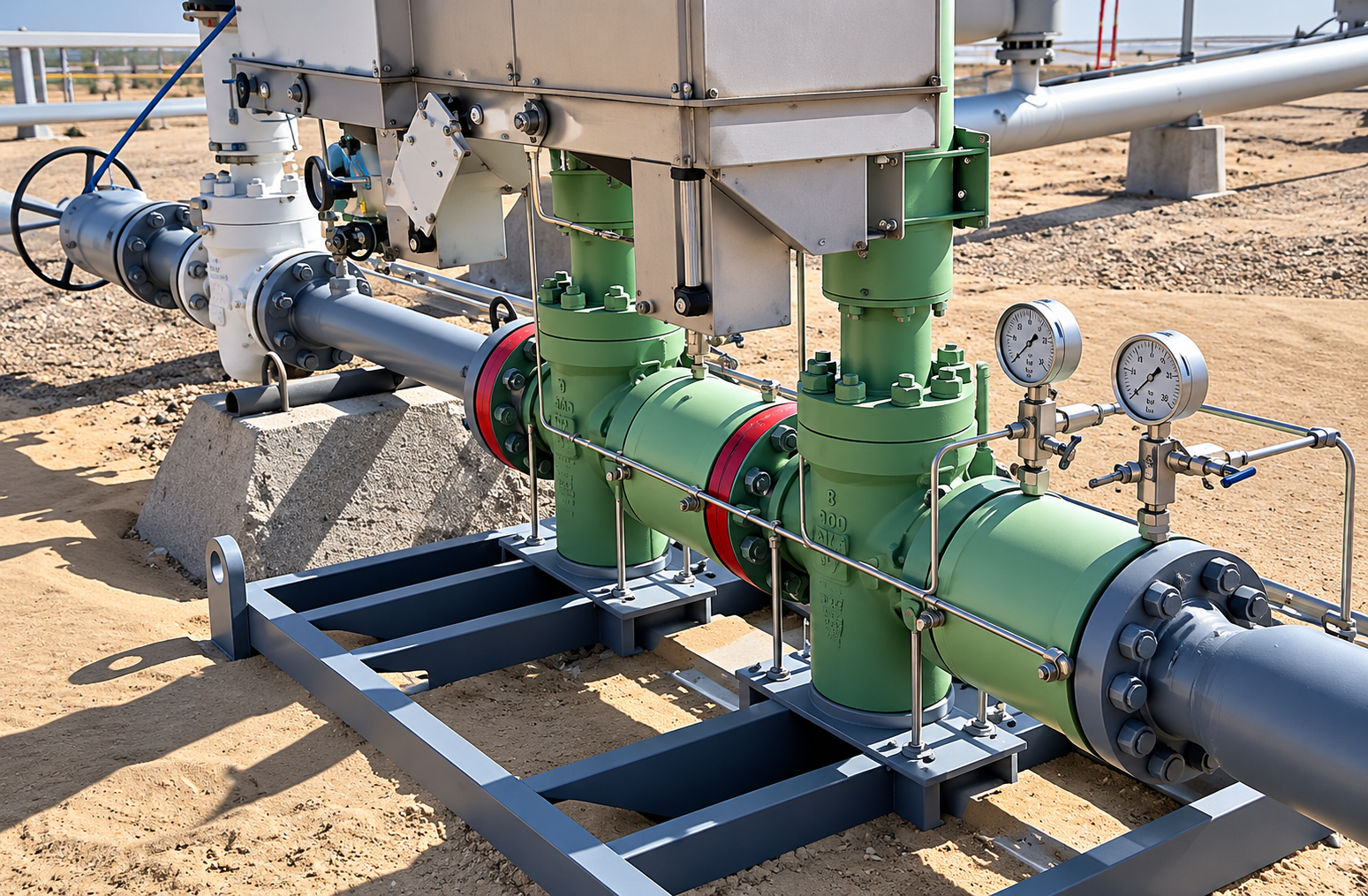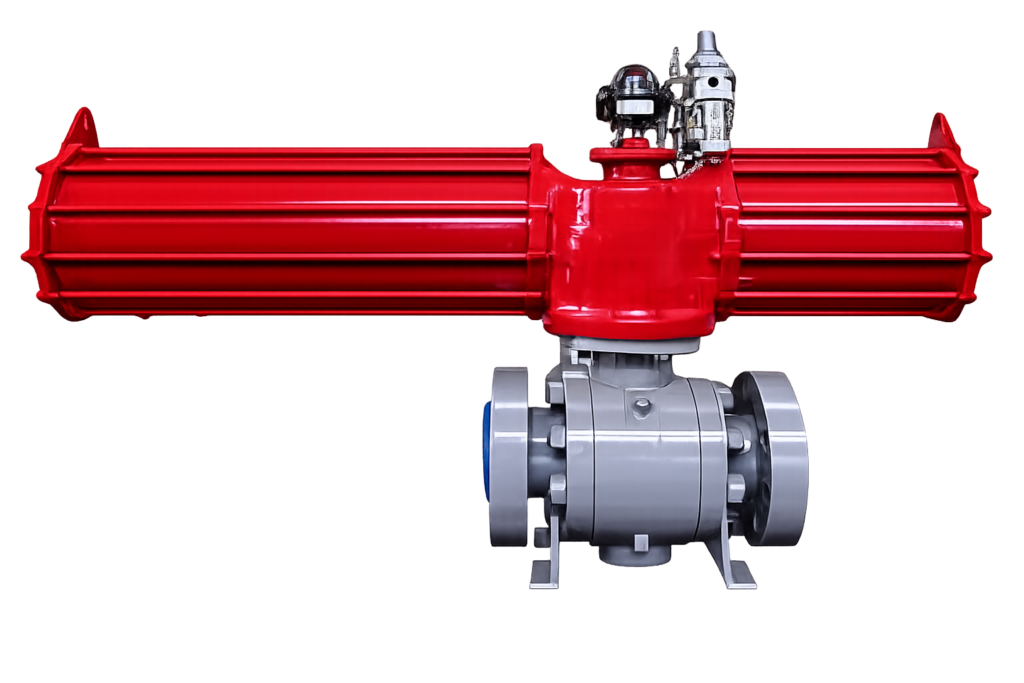
EMERGENCY SHUT DOWN VALVE
Pneumatic Emergency Shut Down Valve
Alis Valves is a leading Pneumatic Emergency Shut Down Valve Manufacturer in…

Engineered for Safety, Reliability & Performance in Demanding Process Applications
Alis Valves manufactures premium Emergency Shut-Off (ESD) valve solutions engineered to provide rapid, reliable, and fail-safe isolation during emergency conditions. Emergency Shut Off Valves Manufacturer in India Our range of ball valves, butterfly valves, gate valves, trunnion ball valves, pneumatic actuated valves, electric actuated valves, and spring-return fail-safe actuators is designed for oil & gas, chemical processing, petrochemical plants, power generation, LNG terminals, storage facilities, and hazardous industrial applications. Built to international standards, our ESD valve solutions ensure immediate process isolation, personnel safety, environmental protection, and asset integrity during emergency shutdown events.
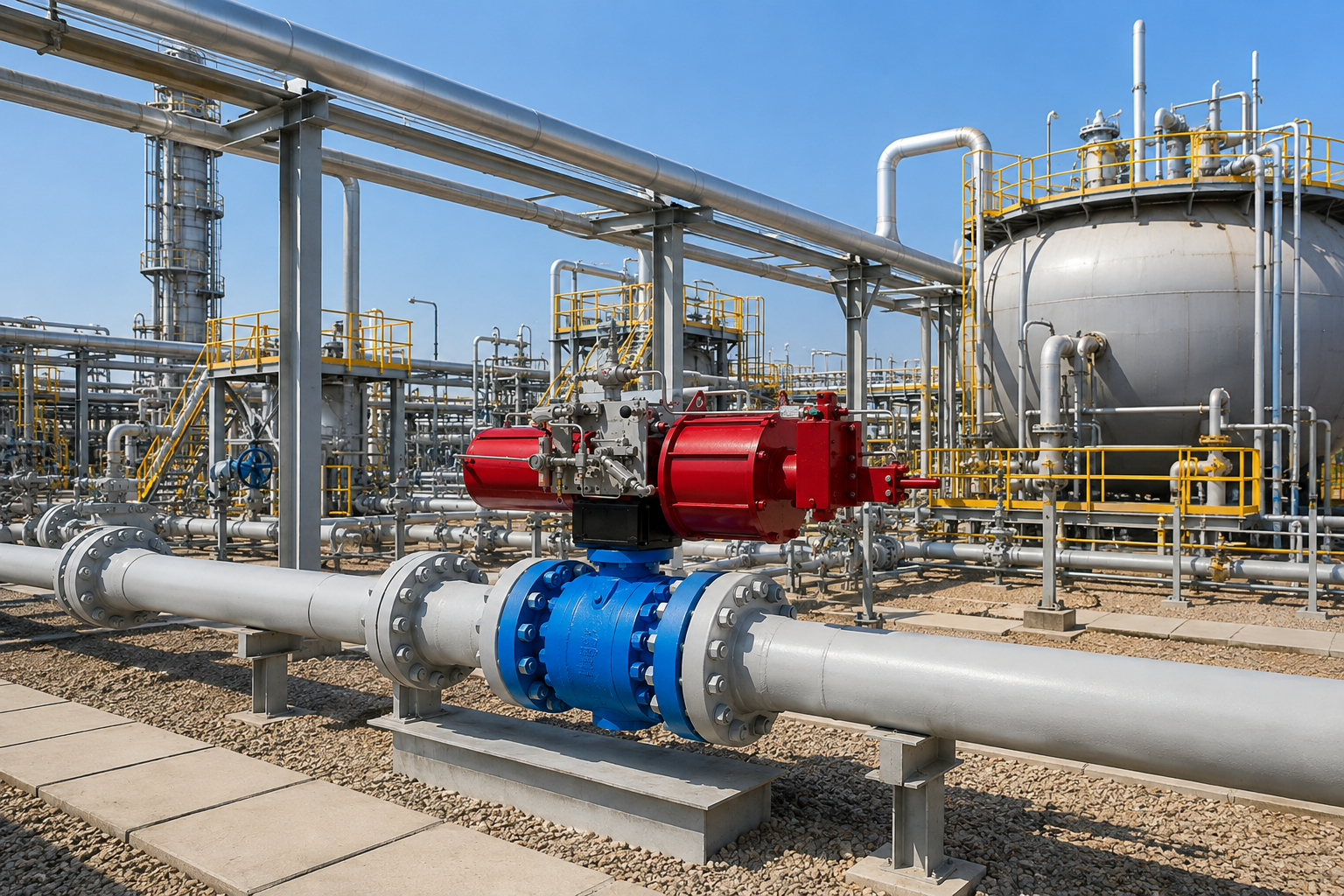
Valve Solutions for Emergency Shut-Off
A wide range of high-performance valves designed to meet the critical demands of Emergency Shut-Off applications.
Alis Valves is a leading Pneumatic Emergency Shut Down Valve Manufacturer in…
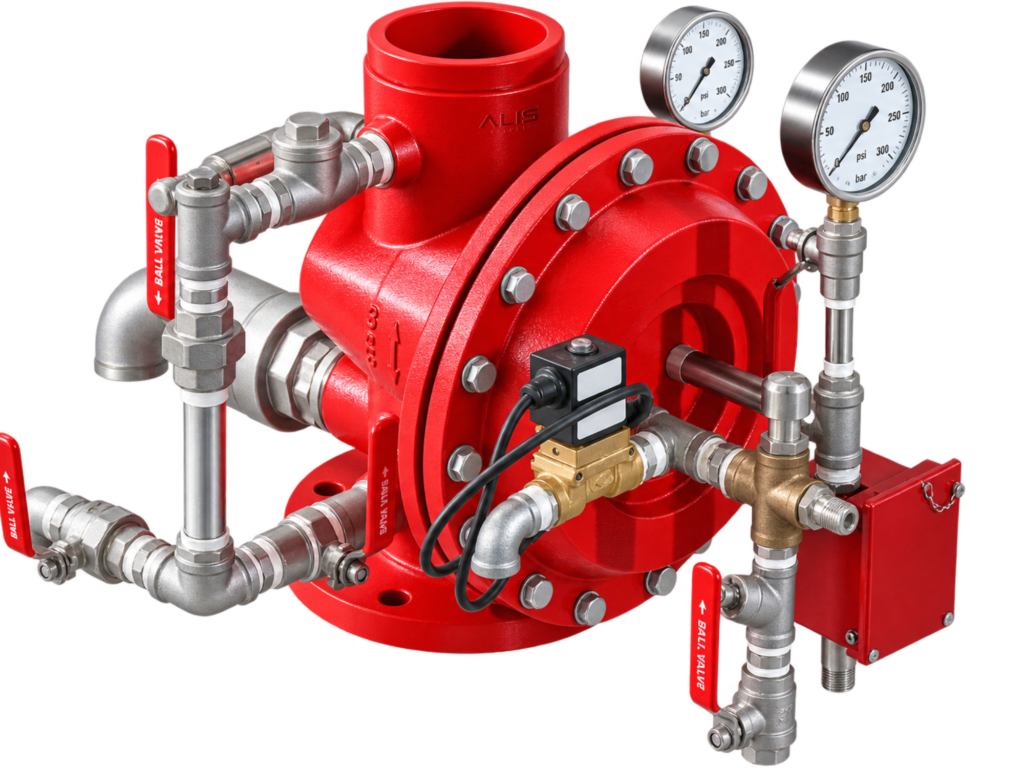
Alis Valves is a trusted Grooved End Deluge Alarm Valve Manufacturer &…
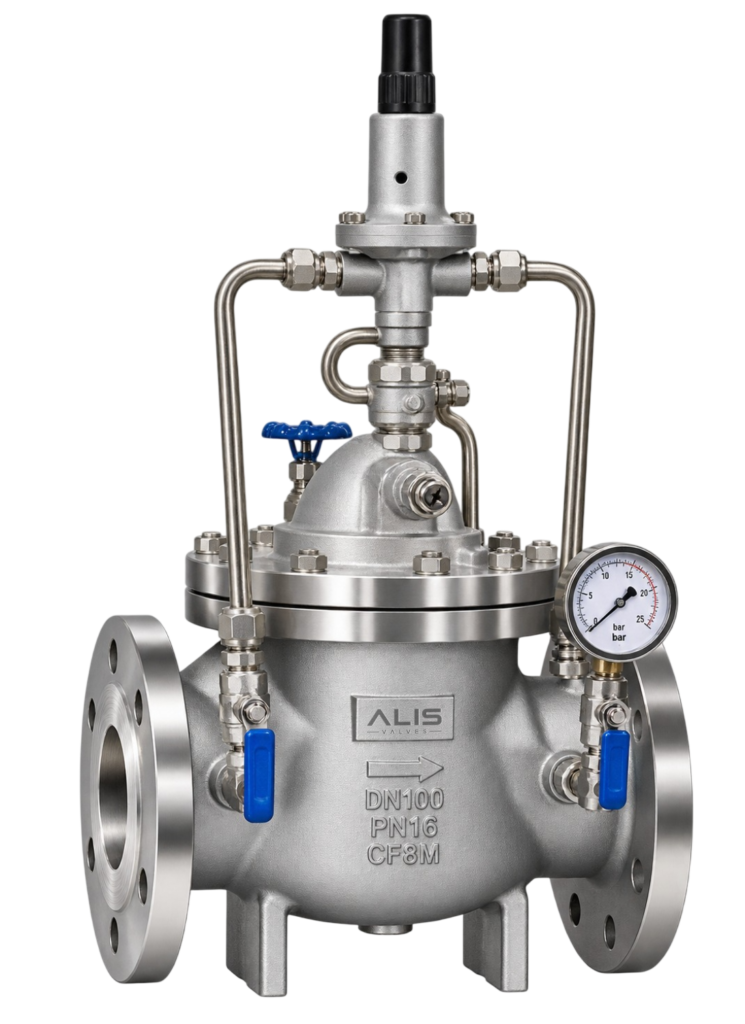
Safety Relief Valve is an automatic pressure protection device designed to protect…
Product Categories for Emergency Shut-Off
Explore key valve categories and automated packages engineered for Emergency Shut-Off applications.
Emergency Shut Down Valve deliver fail-safe operation, quick response, and superior sealing for refineries, offshore platforms, chemical plants, pipelines, and…
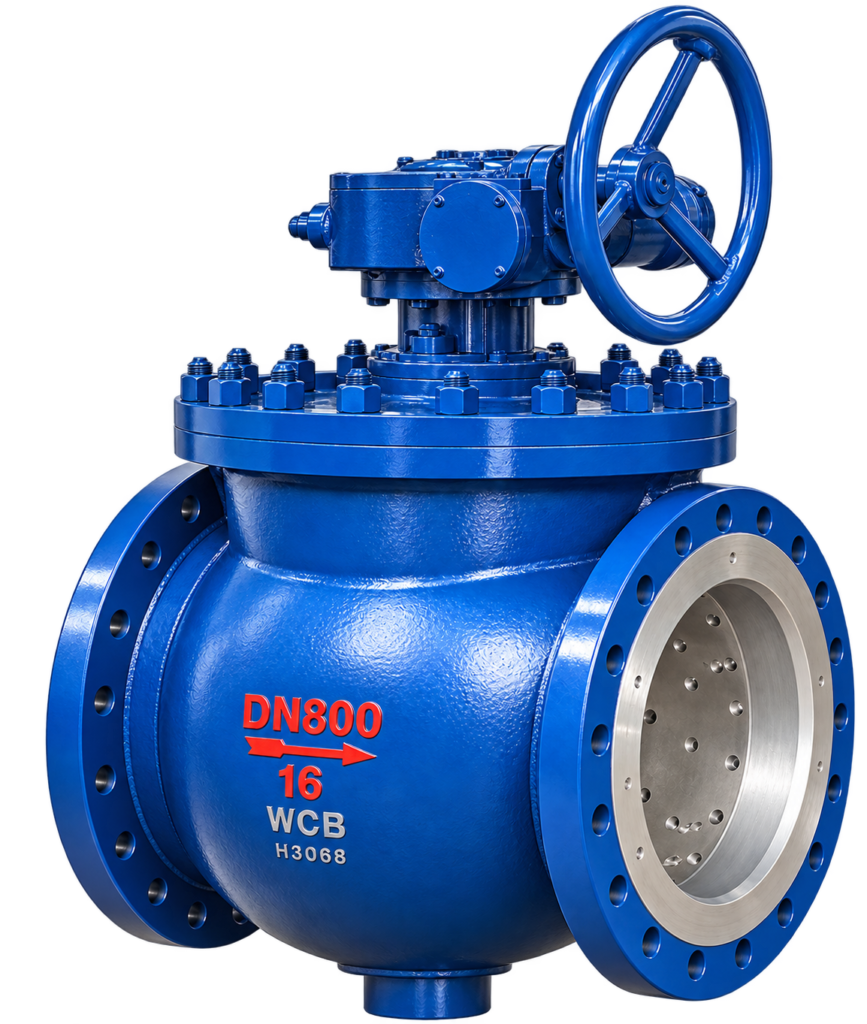
Special Valves engineered to meet unique process requirements, including high pressure, high temperature, corrosive media, and abrasive service. Built for…
Deluge Alarm Valves engineered to automatically control high-volume water flow in deluge fire suppression systems. Ensuring fast activation, reliable operation,…
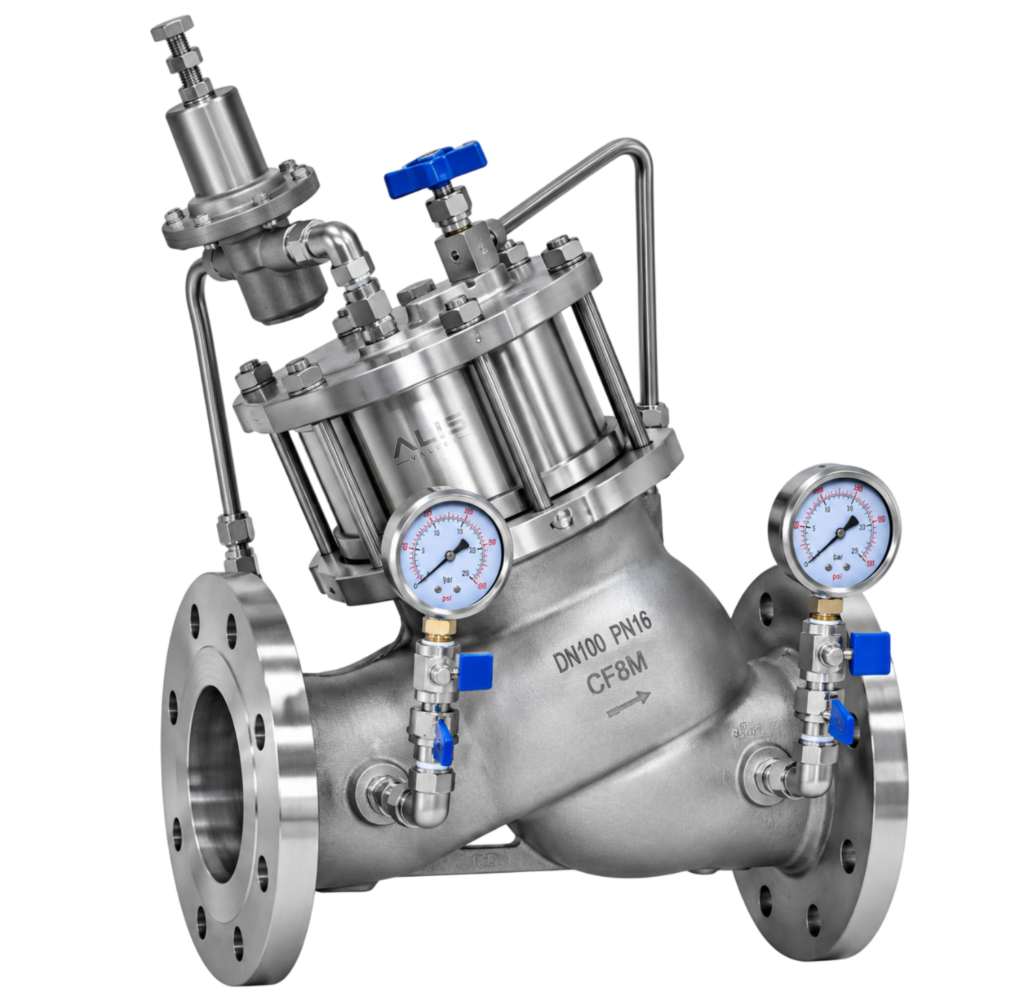
Pressure Reducing Valves engineered to maintain constant outlet pressure while protecting pipelines and equipment from excessive pressure. Ideal for power…
Application Scope & Process Solutions
Engineered valve packages, automated assemblies, and specialized flow control systems designed for critical operating units.
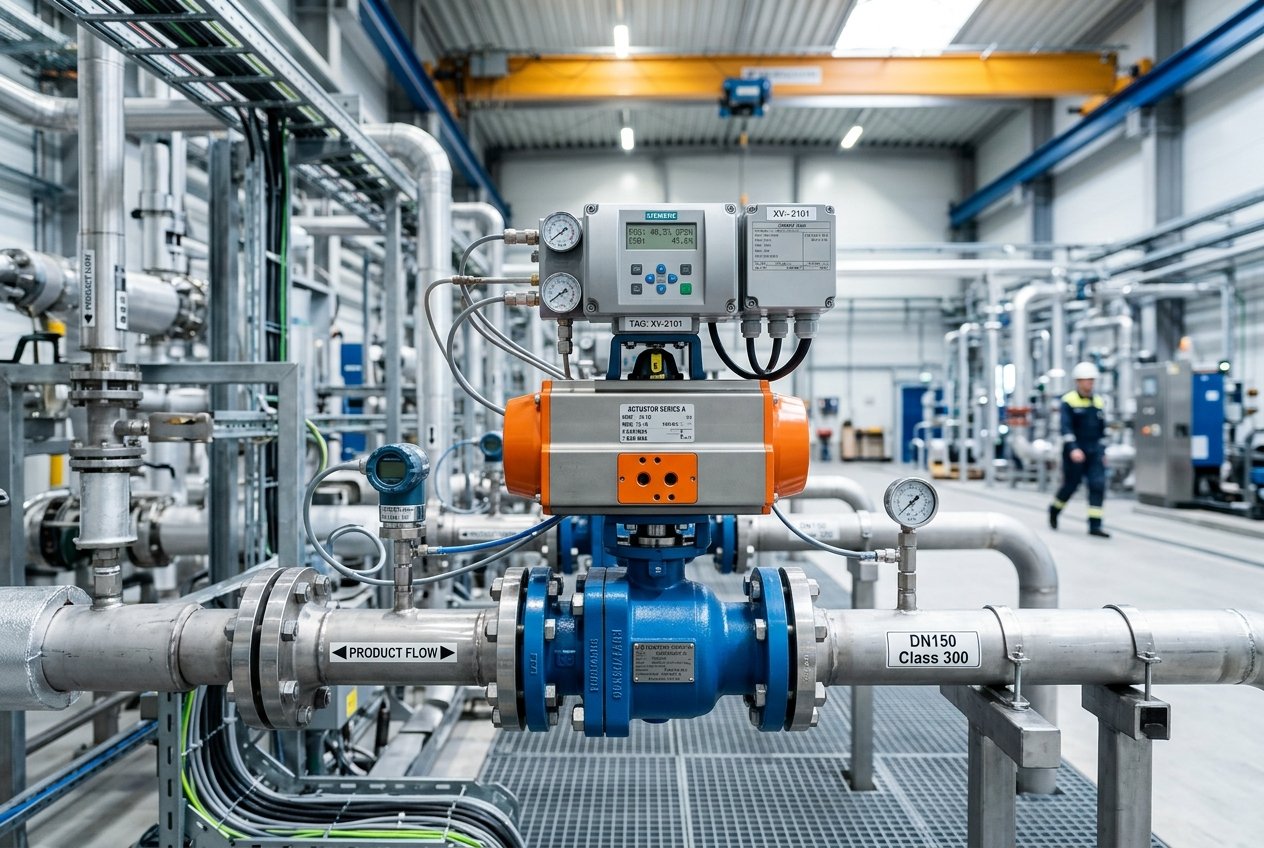
Factory-assembled valve packages with pneumatic or electric actuators, accessories, and control components for reliable and efficient process automation.
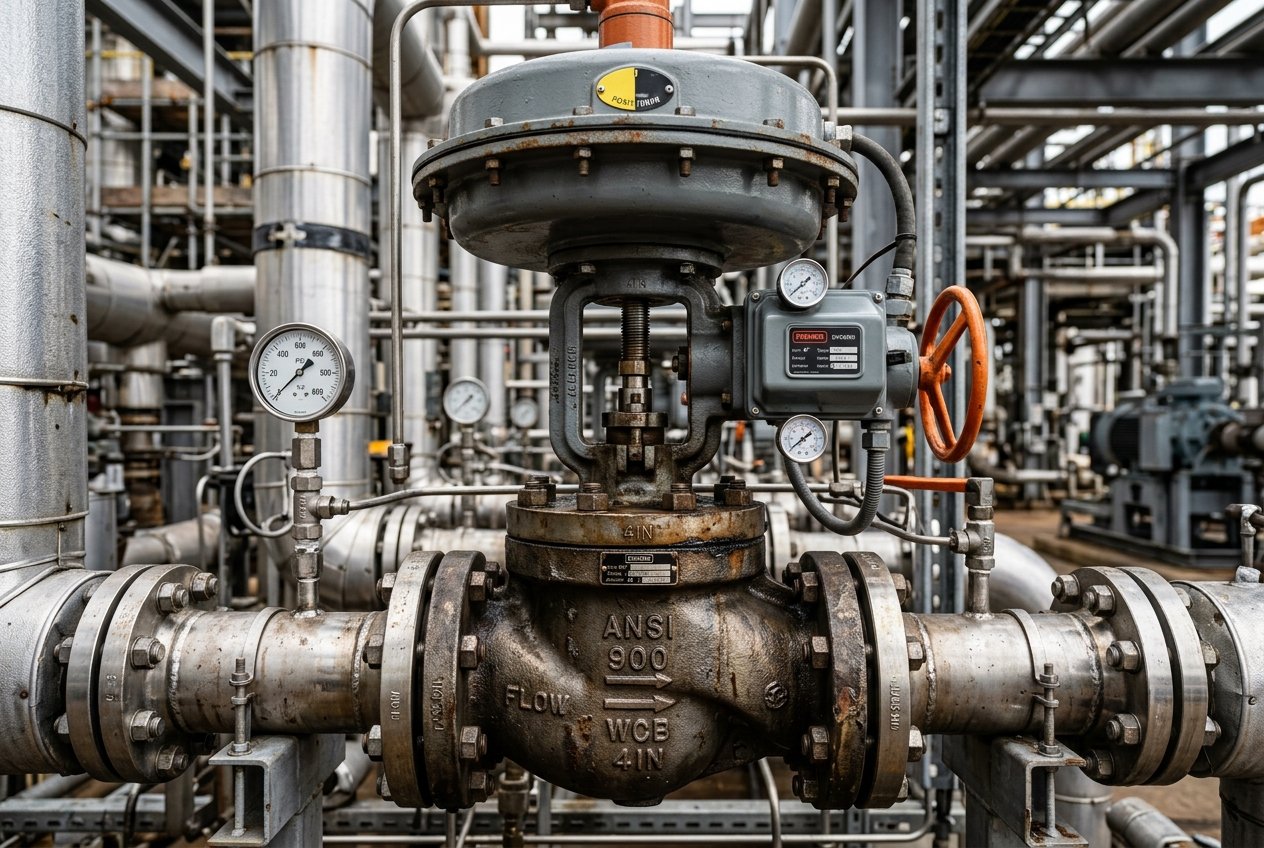
Engineered control and isolation valves for high-pressure, high-temperature, abrasive, and corrosive process conditions across demanding industrial applications.
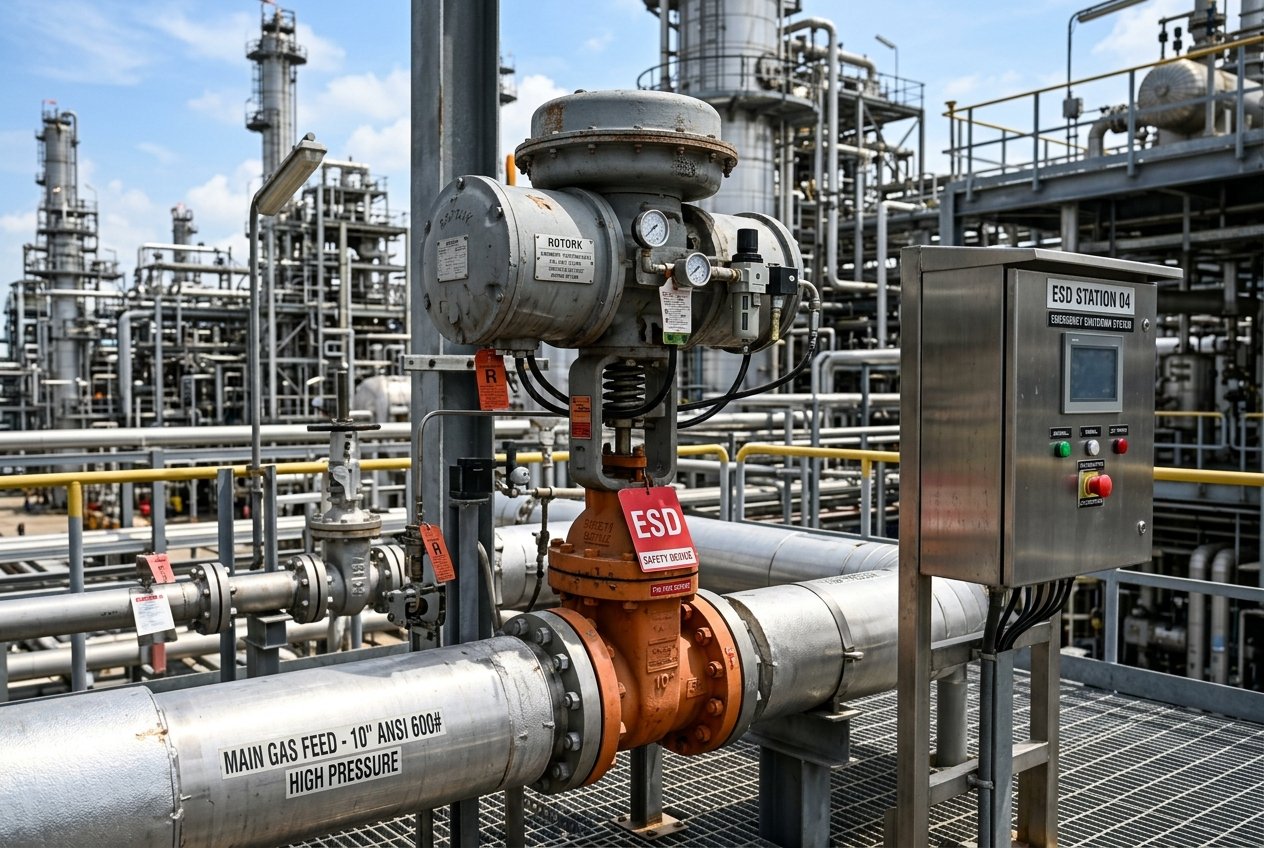
Safety-focused emergency shutdown valve assemblies with suitable fail-safe actuation and control interfaces to support rapid process isolation in critical applications.
Built for Demanding Conditions
Up to Class 2500 (ASME B16.34)
-46°C to +650°C
1/2" to 20"
DN 15 to DN 500
Flanged, Butt Weld, Socket Weld, Threaded, RTJ
WCB, CF8, CF8M, Duplex Stainless Steel, Chrome Moly Alloy Steel
API 6D, API 607 (Fire Safe), API 608, API 598, ASME B16.34, ISO 5211, IEC 61508, IEC 61511
Got Questions?
Common questions about valve design, performance, and automation for this application.