
Cement
Engineered valve solutions tailored for critical Cement operating processes.

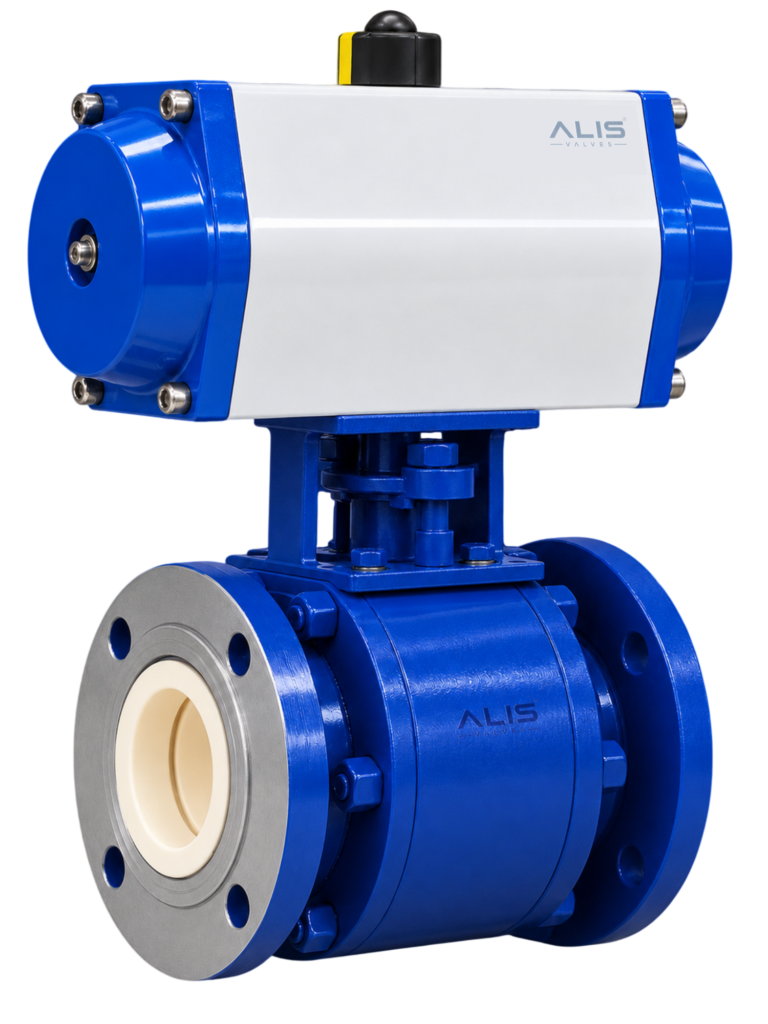
Alis Valves offers Electric Ceramic Ball Valves designed for automated flow isolation and control of highly abrasive, corrosive, and chemically aggressive media. Ceramic wetted components provide excellent wear and corrosion resistance, while the electric actuator enables reliable remote and automatic valve operation.
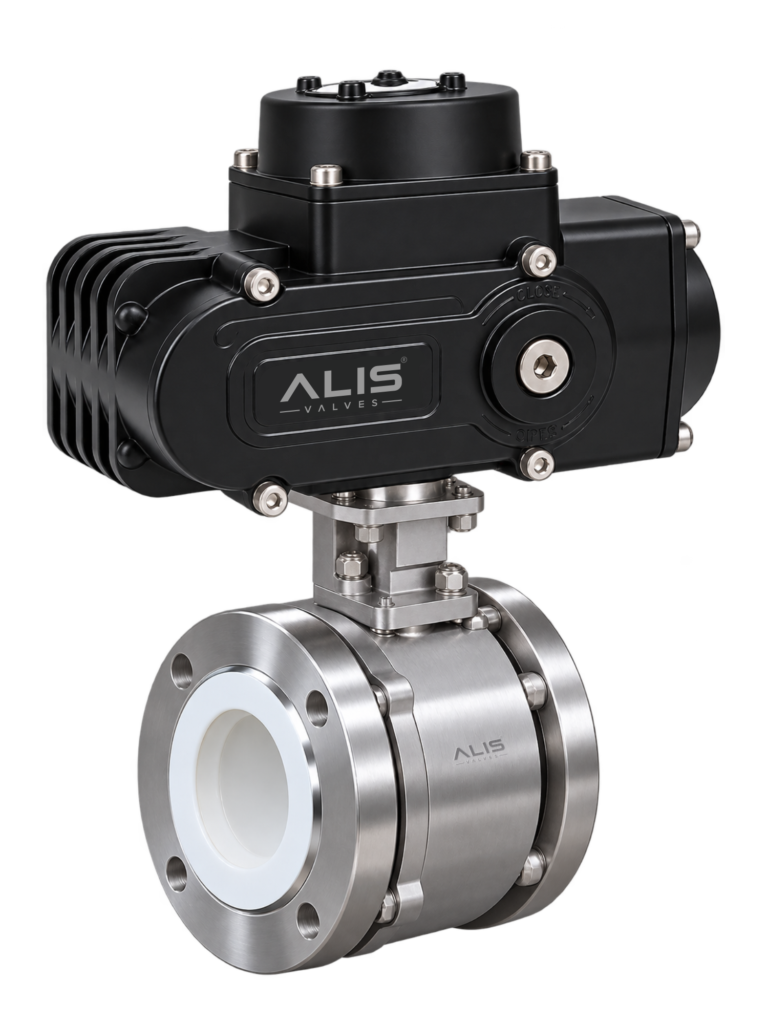
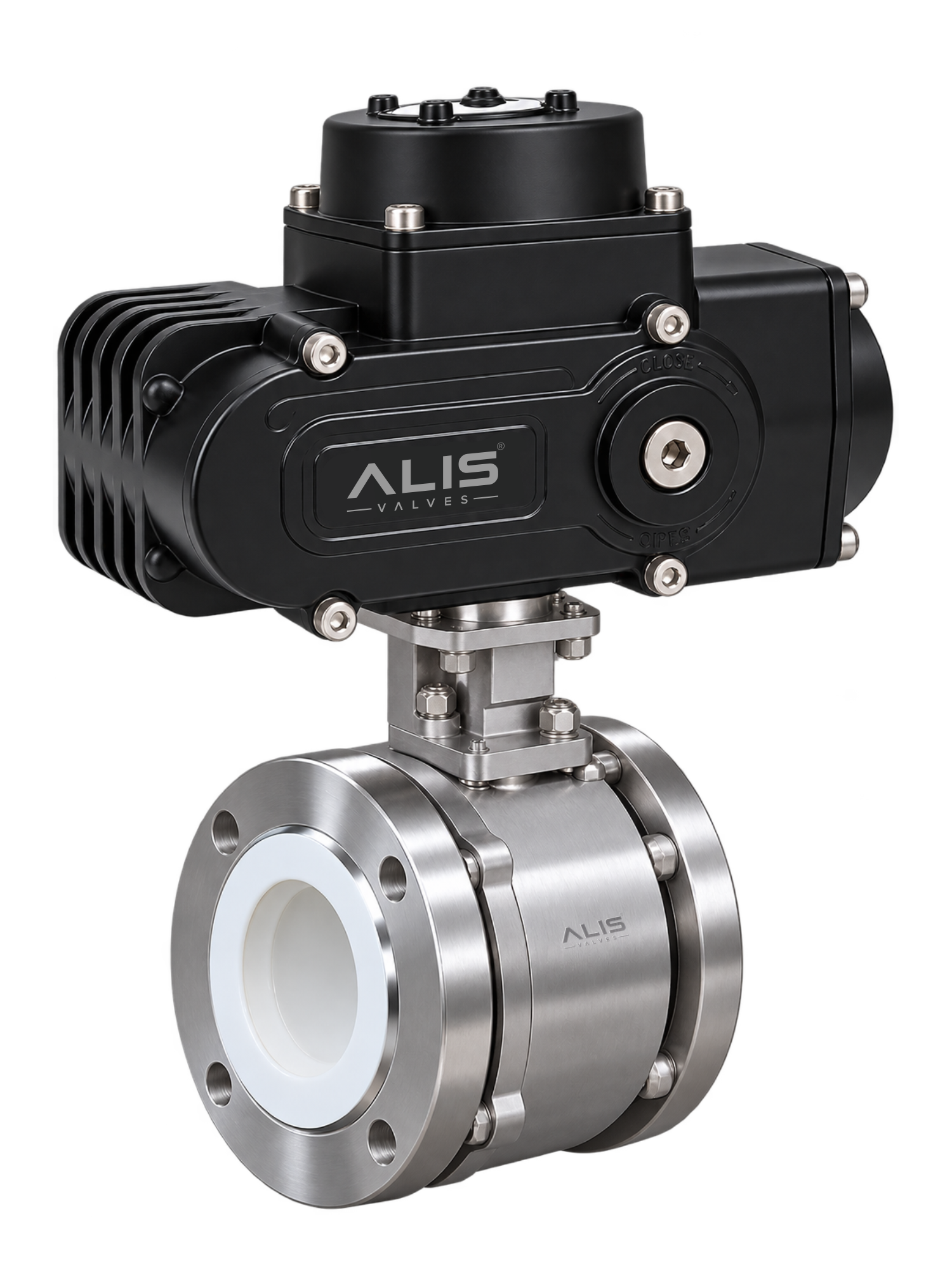
ALIS Valves offers Electric Ceramic Ball Valves designed for automated flow isolation and control in industrial processes that require wear resistance and reliable operation. These valves combine a ceramic ball or ceramic-lined wetted components, depending on the design, with an electric actuator that operates the valve using an electrical control signal. The ceramic components provide high hardness and resistance to abrasion from particles and selected corrosive process media, helping reduce wear in compatible applications. The electric actuator enables remote operation and integration with suitable control panels, automation systems and process control equipment, reducing the need for manual operation. Available configurations may include different valve body materials, ceramic grades, sealing arrangements, end connections and actuator options to suit specified operating requirements.
Electric Ceramic Ball Valves are suitable for compatible applications in mining, mineral processing, chemical processing, cement plants, power generation and other industries handling abrasive fluids or wear-intensive process media. Depending on the valve construction and material selection, they may be specified for selected liquids, slurries and process fluids within the valve’s rated pressure and temperature limits. Key selection factors include valve size, connection type, process media, operating pressure, temperature range, ceramic material, sealing compatibility, actuator voltage, control signal and required opening or closing time. For automated installations, buyers should also consider the actuator’s torque rating, duty cycle, environmental protection and compatibility with the plant’s control system. Since ceramic components can be vulnerable to sudden impact and thermal shock, the valve must be selected according to actual process conditions. Choosing the appropriate electric ceramic ball valve helps provide automated operation, improved resistance to abrasive wear and dependable flow isolation in suitable industrial applications.
Size Range
DN15 to DN300 (½" to 12")
Actuator Type
Quarter Turn Electric Actuator
Body Material
WCB, Carbon Steel, SS304, SS316, Duplex Steel
Ball Material
High Purity Ceramic (Zirconia / Alumina)
Seat Material
Ceramic / PTFE (Application Based)
Supply Voltage
24V AC/DC, 110V AC, 220V AC, 415V AC
Temperature Range
-20°C to +250°C (Higher on request)
Engineered valve solutions tailored for critical Cement operating processes.
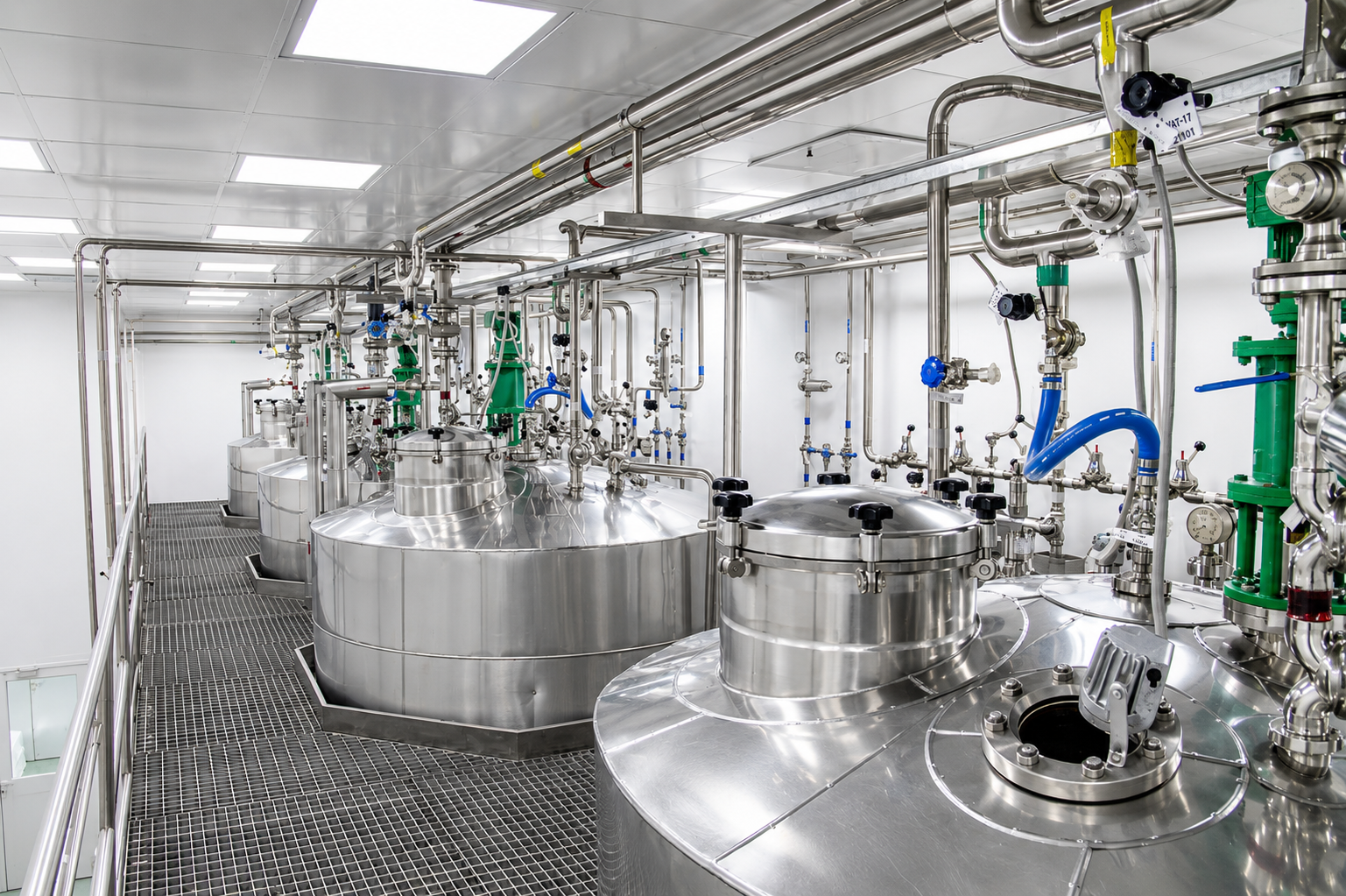
Engineered valve solutions tailored for critical Chemical operating processes.

Engineered valve solutions tailored for critical Data centres operating processes.

Engineered valve solutions tailored for critical Fertilizer operating processes.
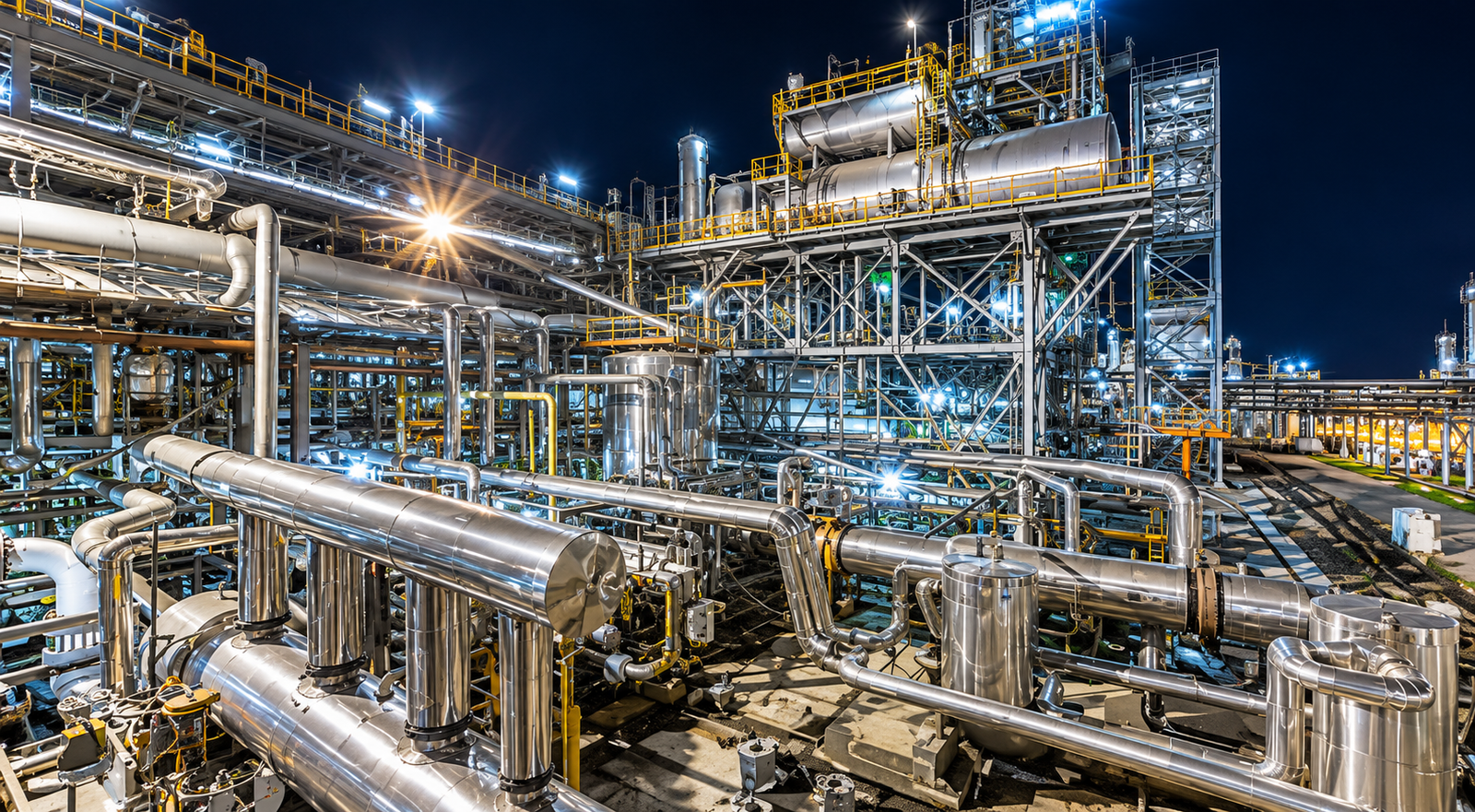
Industrial Valves for Ammonia Applications Industrial valves used in ammonia systems are selected according…
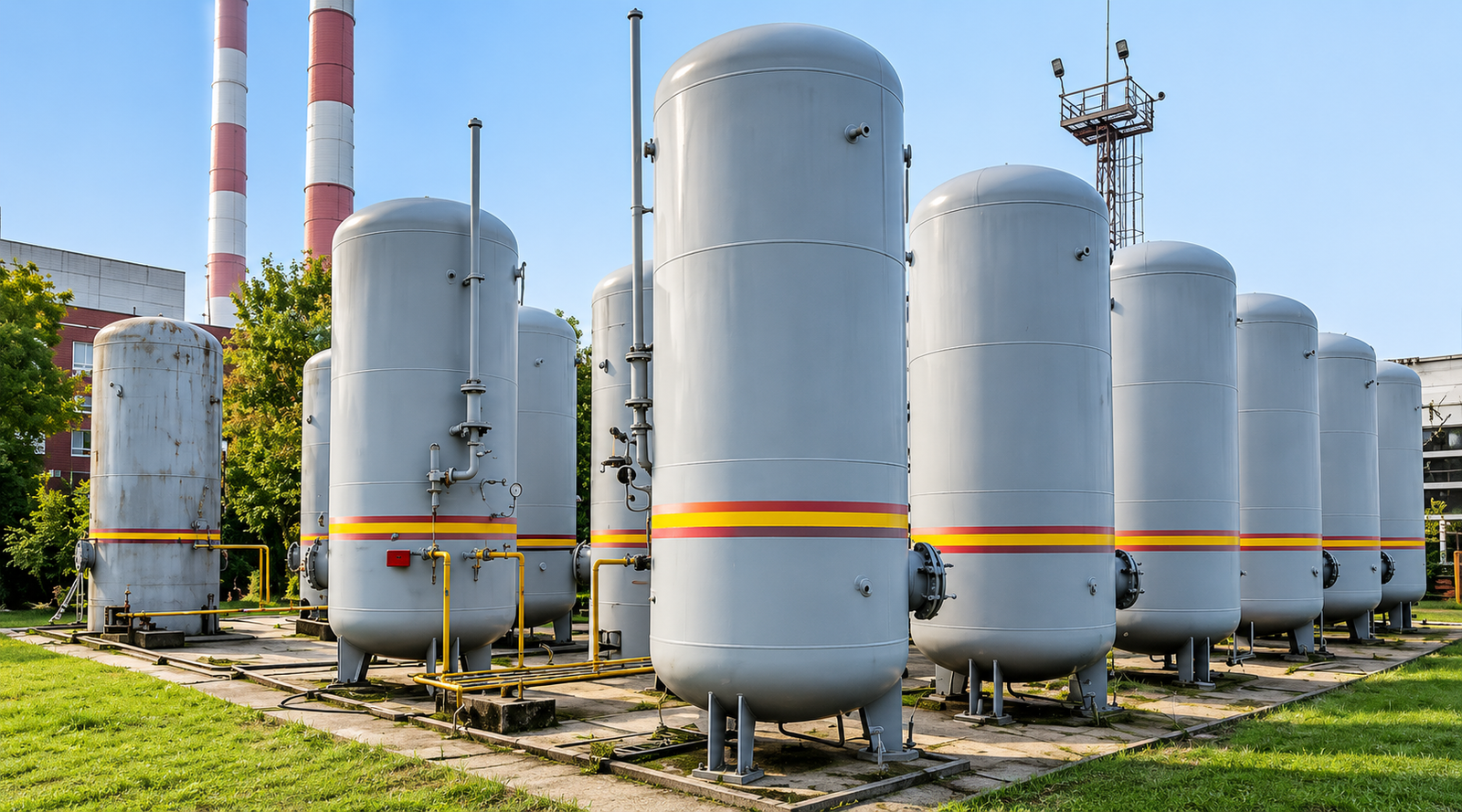
High-performance flow automation engineered for CO₂ operations.
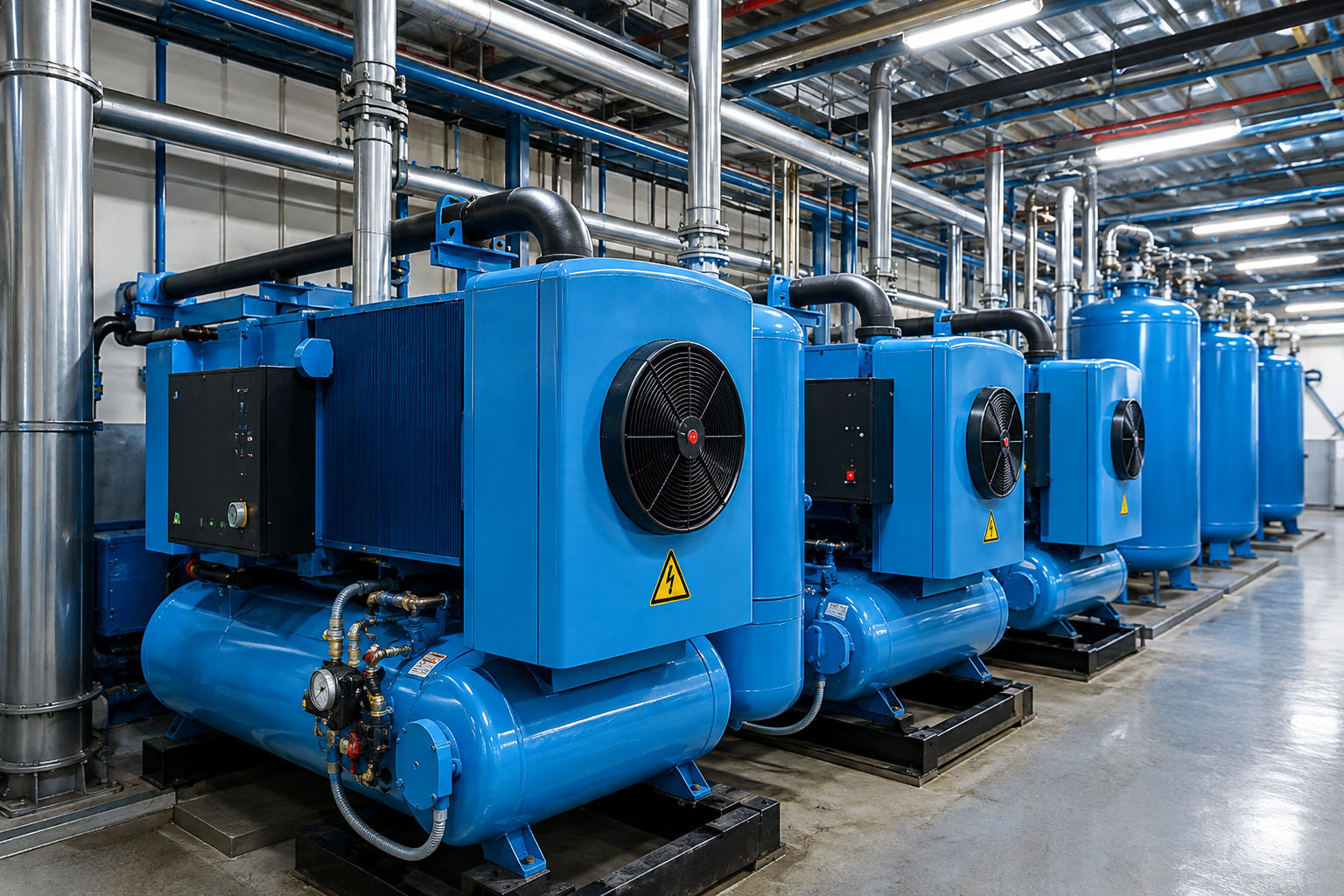
High-performance flow automation engineered for Compressed Air operations.
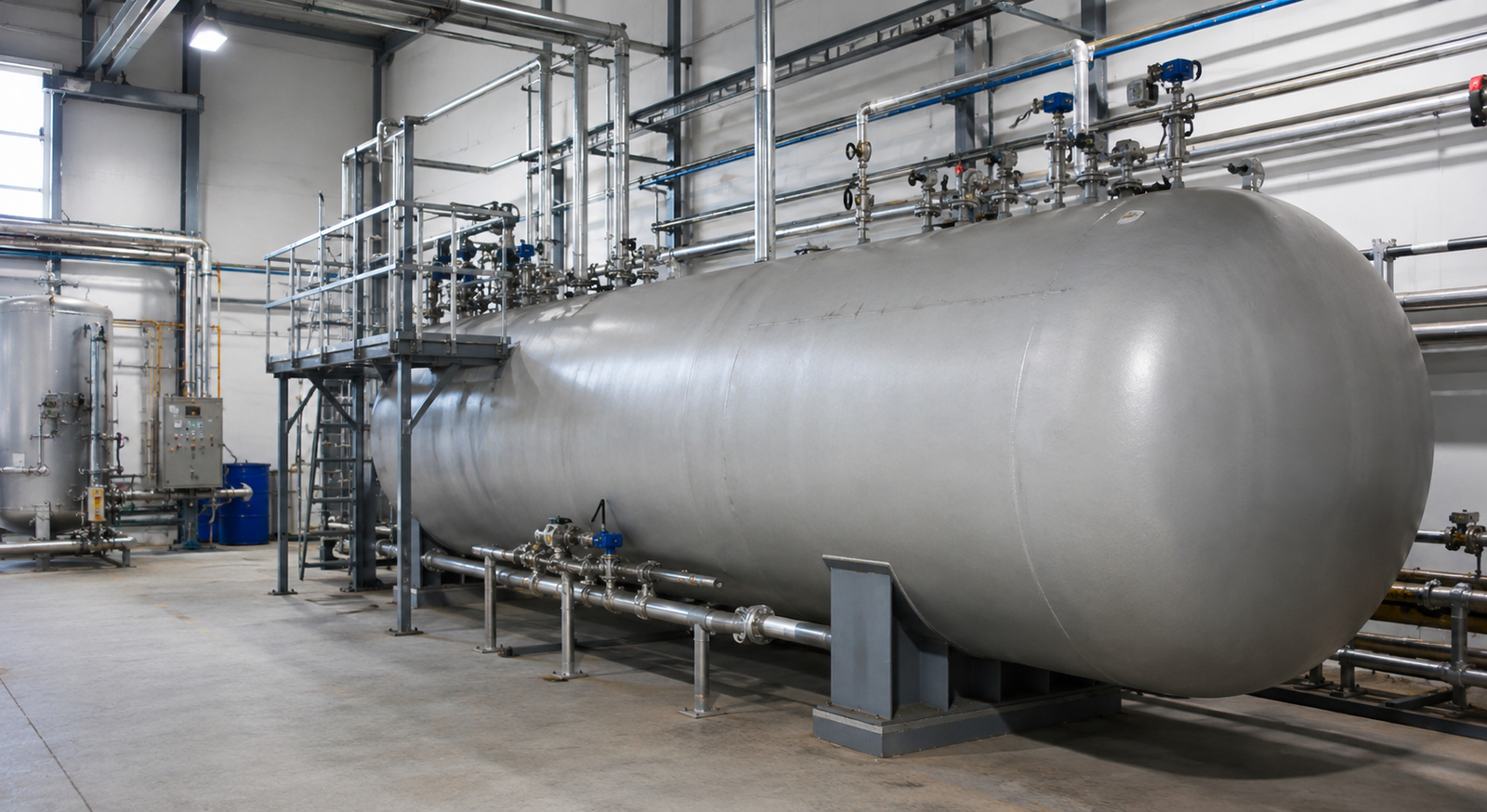
High-performance flow automation engineered for Cryogenic operations.
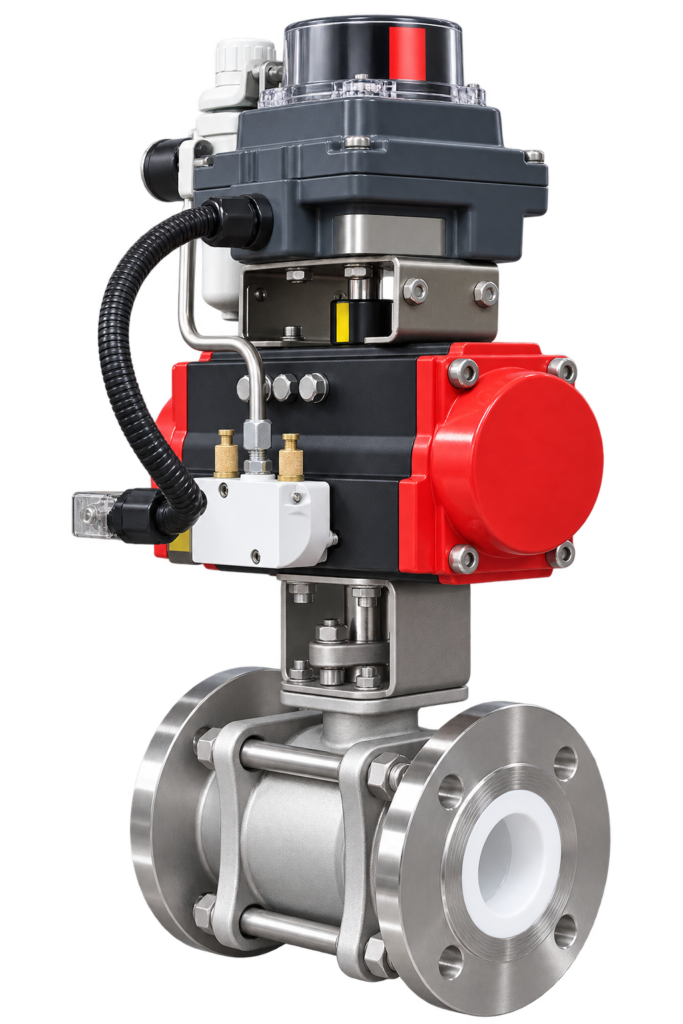
Alis Valves is a trusted Pneumatic Ceramic Ball Valve Manufacturer & Supplier…
Alis Valves is a trusted V-Port Ceramic Ball Valve Manufacturer and Supplier…