BALL VALVES
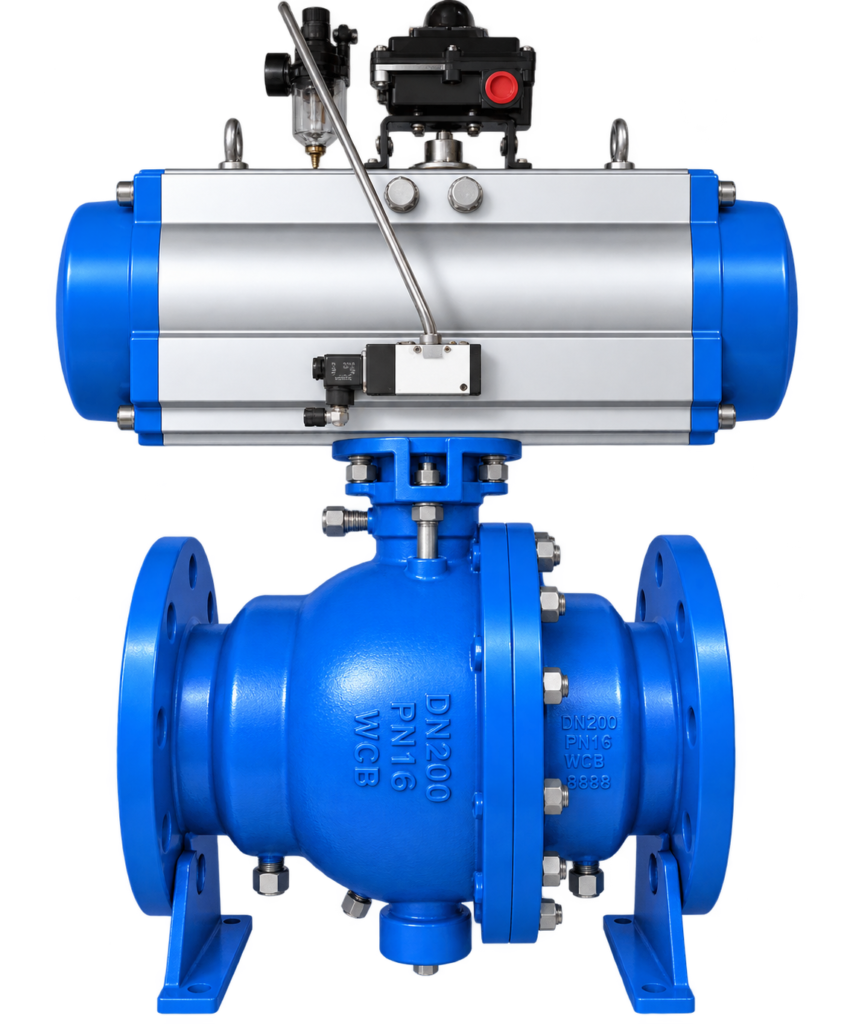
Pneumatic Trunnion Ball Valve
Alis Valves is a trusted Pneumatic Trunnion Ball Valve Manufacturer in India,…

Engineered for Safety, Reliability & Performance in Demanding Process Applications
Alis Valves High Integrity Pressure Protection Systems HIPPS Valve Manufacturer in India engineered for rapid and reliable isolation in critical high-pressure process and pipeline applications. Our valve range includes ball valves, gate valves, emergency shutdown valves, control valves, pneumatic actuated valves, and electric/hydraulic actuated configurations, selected according to pressure rating, process fluid, temperature, shut-off requirements, actuator performance, and safety system architecture.
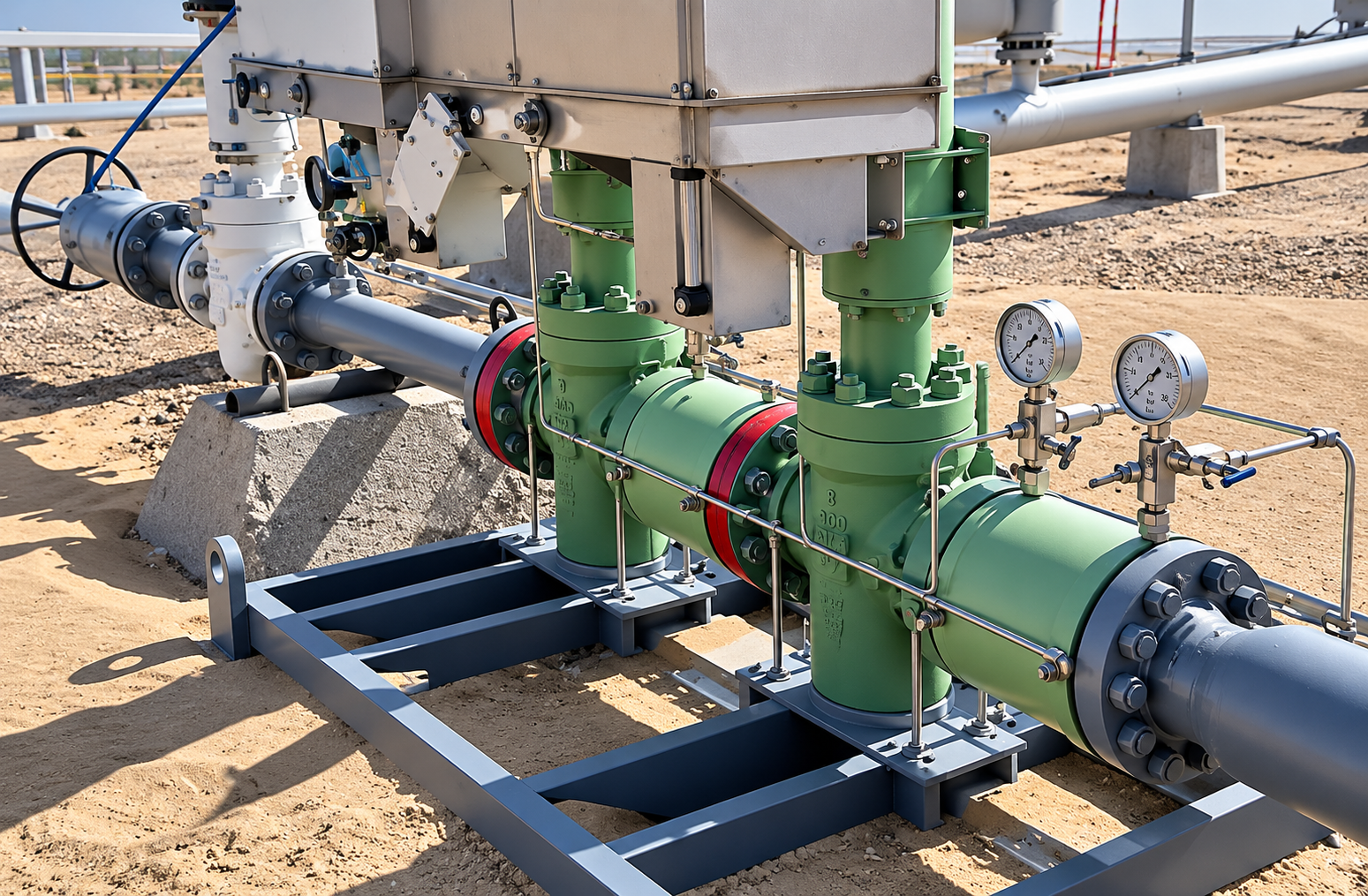
Valve Solutions for HIPPS
A wide range of high-performance valves designed to meet the critical demands of HIPPS applications.
Alis Valves is a trusted Pneumatic Trunnion Ball Valve Manufacturer in India,…
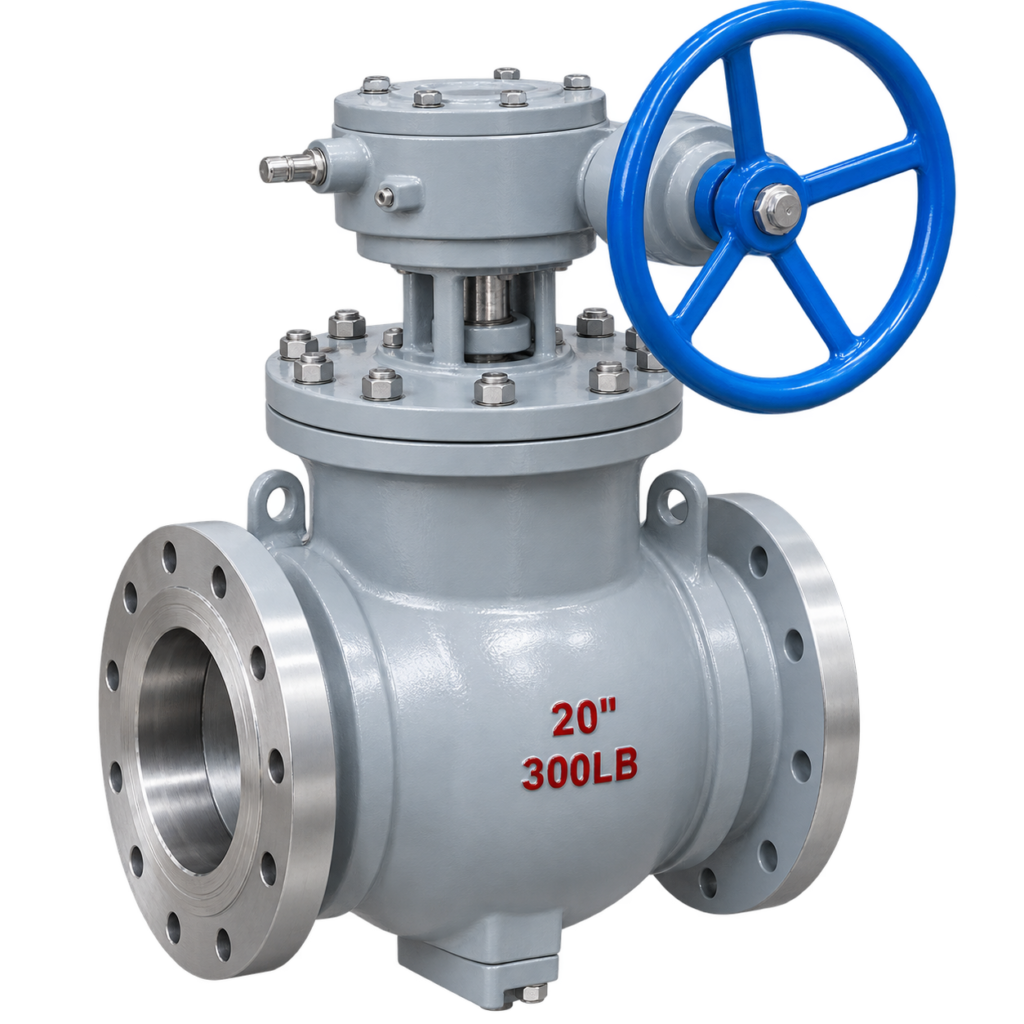
Alis Valves is a trusted Top Entry Trunnion Ball Valve Manufacturer &…
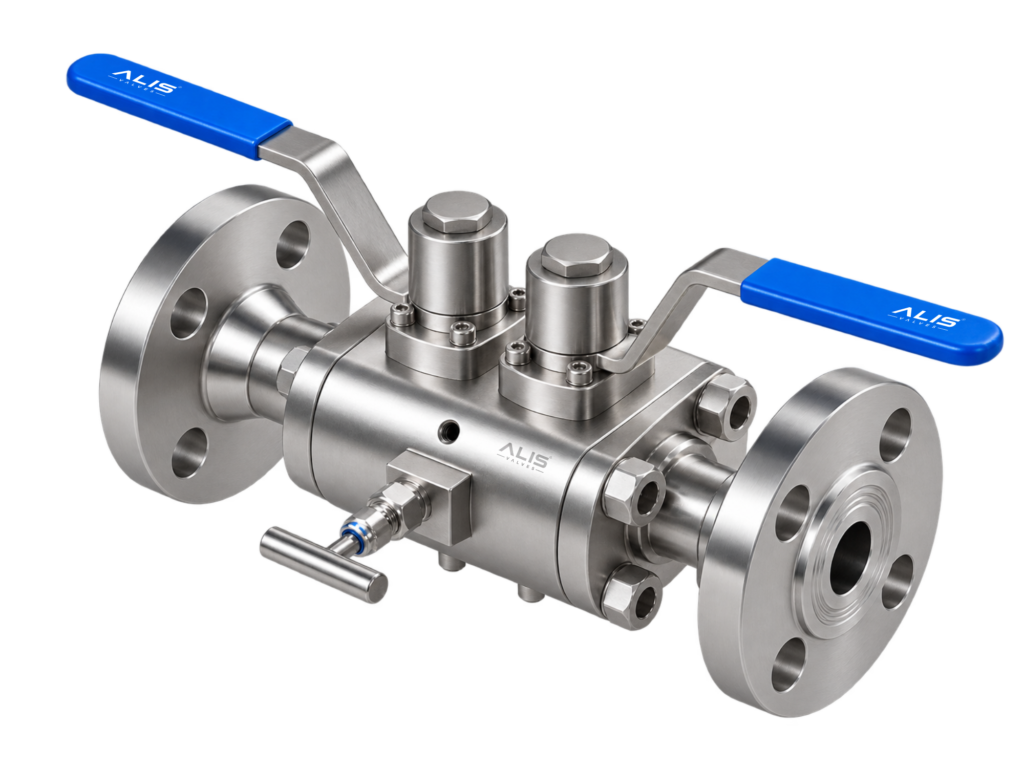
Alis Valves offers high-performance Ball Type Double Block and Bleed Valve Manufacturer…
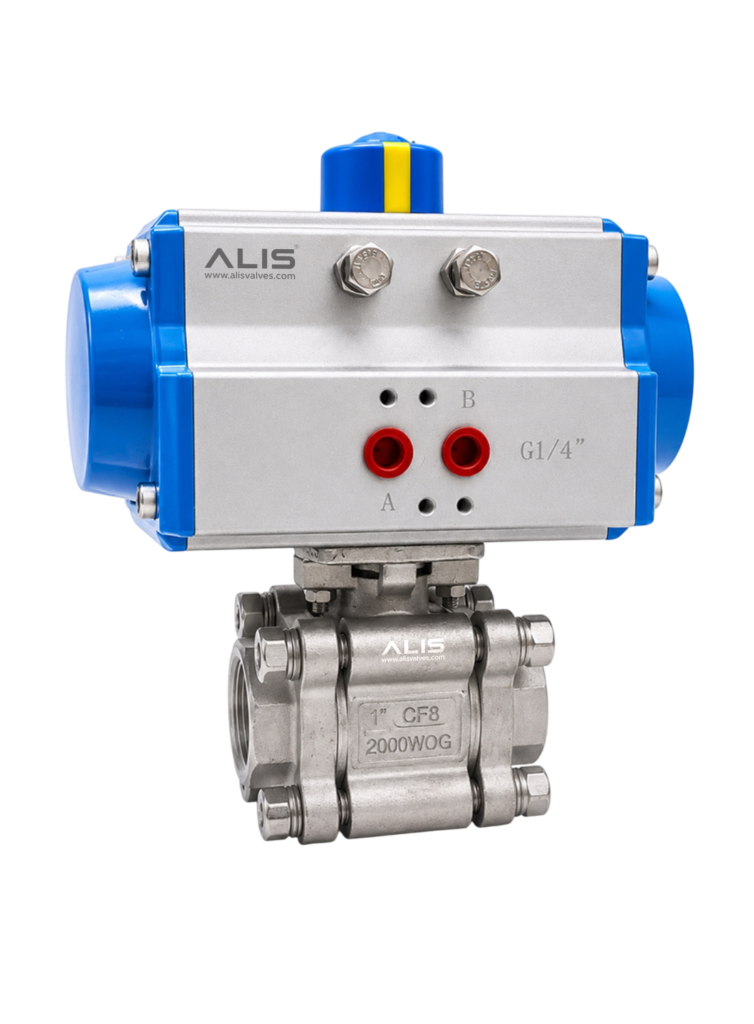
ALIS Valves is a leading Pneumatic 3 Piece Threaded Ball Valve Manufacturer…
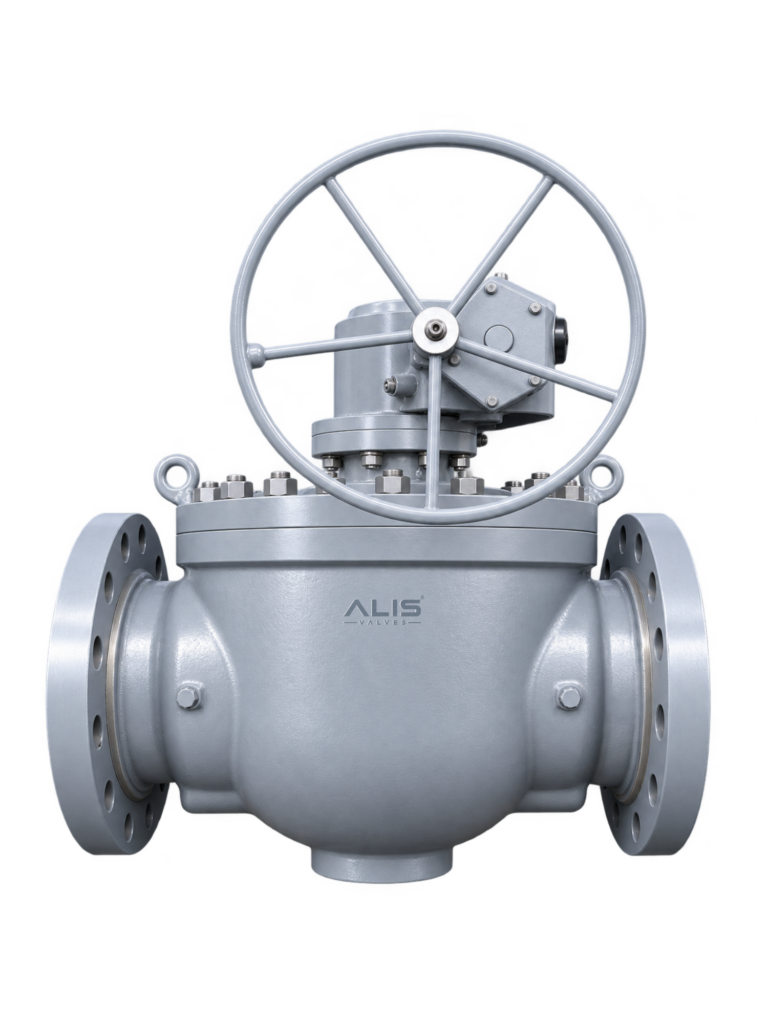
Alis Valves offers high-performance Forged Steel Top Entry Ball Valve Manufacturer Supplier…
Product Categories for HIPPS
Explore key valve categories and automated packages engineered for HIPPS applications.
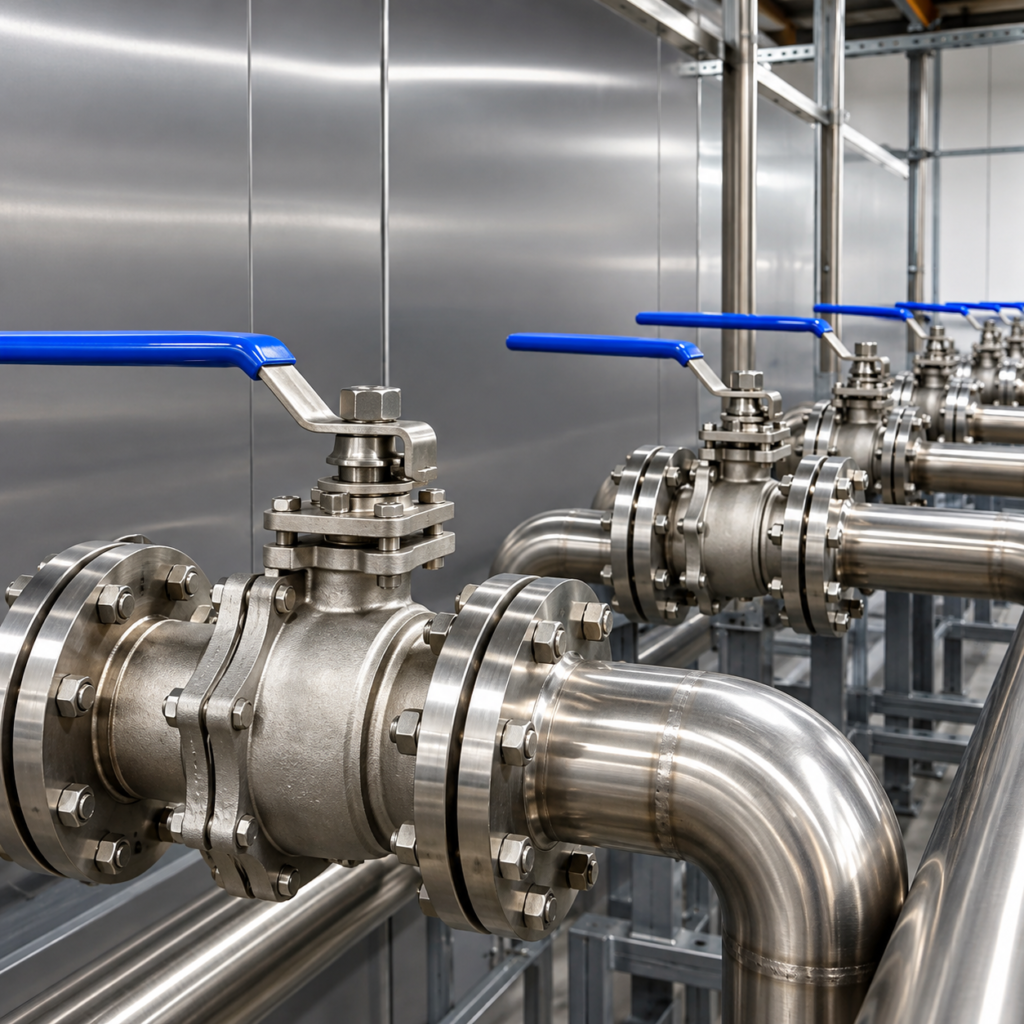
Designed around your needs, our Ball Valves deliver smooth operation, reliable shut-off, and the confidence you need for every flow…
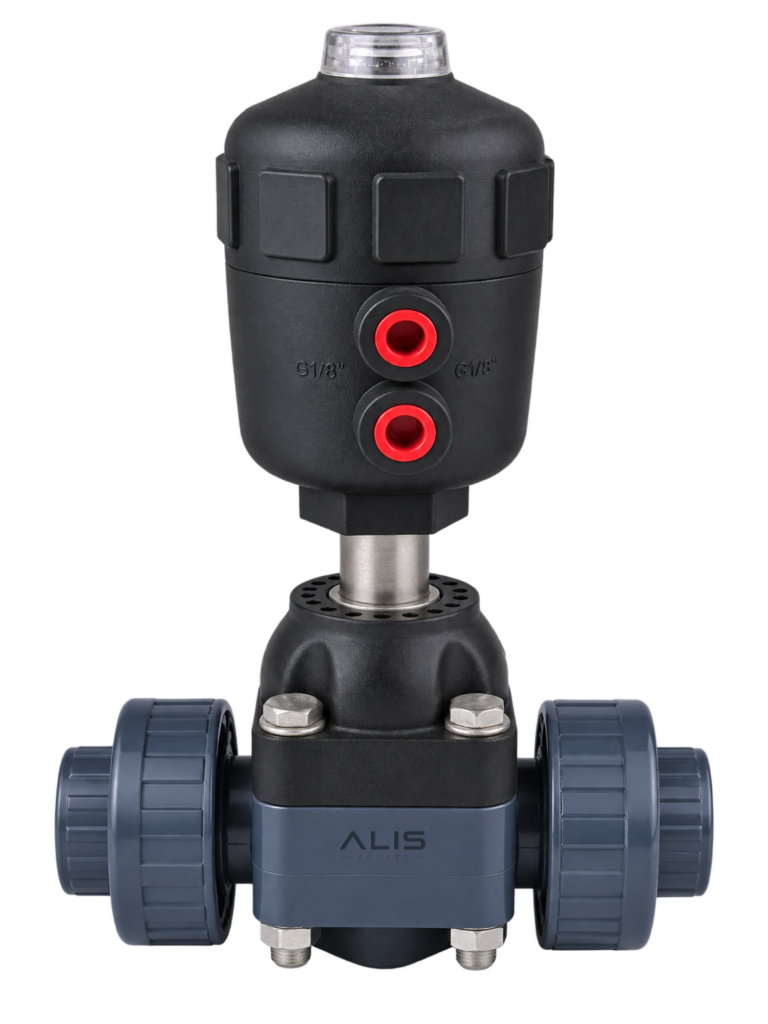
Complete Range of Pneumatic Actuated Ball, Butterfly, Gate, Globe and Control Valves for Reliable Industrial Automation and Precise Flow Control.
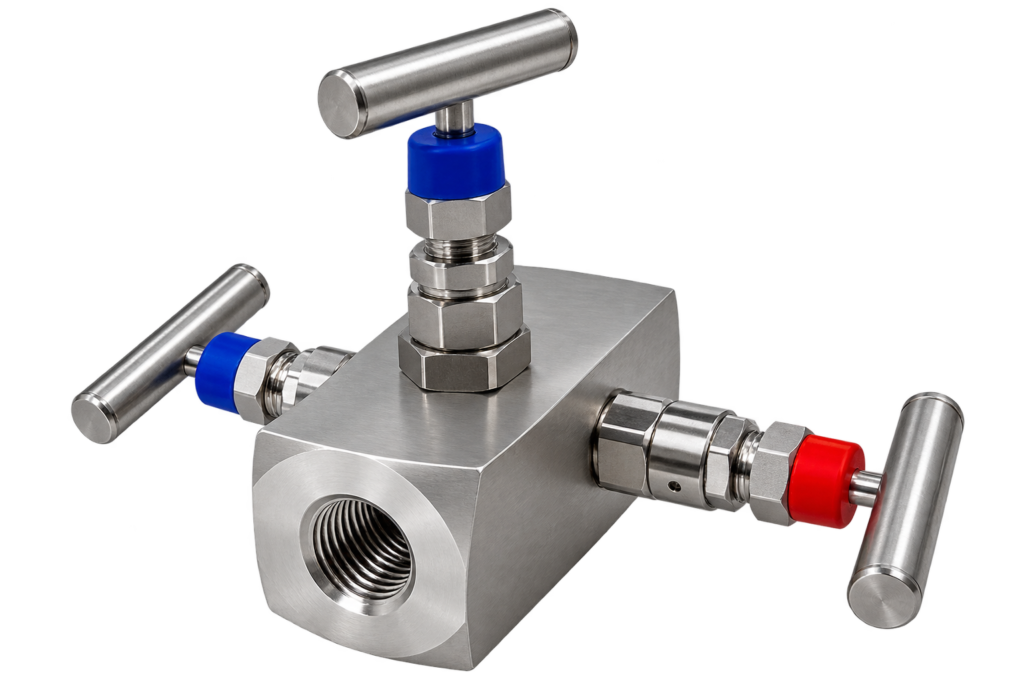
DBB Valves combine two isolation valves and a bleed valve in a single compact unit, ensuring enhanced safety, simplified maintenance,…
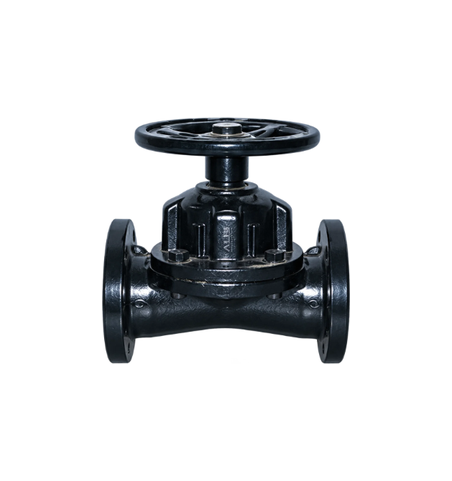
Special Valves engineered to meet unique process requirements, including high pressure, high temperature, corrosive media, and abrasive service. Built for…
HIPPS SOLUTIONS
ALIS Valves provides industrial valve solutions for High-Integrity Pressure Protection Systems (HIPPS) used to protect pipelines and process equipment against overpressure. Valve selection depends on operating pressure, process media, temperature, required shut-off performance and application-specific safety requirements.
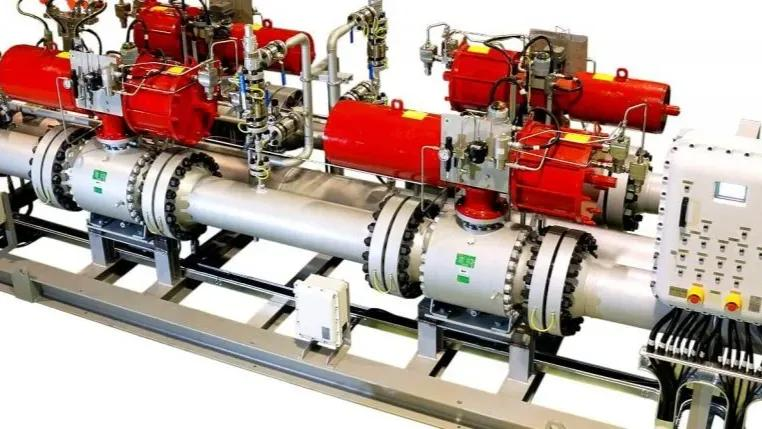
Industrial valve solutions for HIPPS installations in high-pressure gas pipelines, helping prevent overpressure events through rapid and reliable isolation.
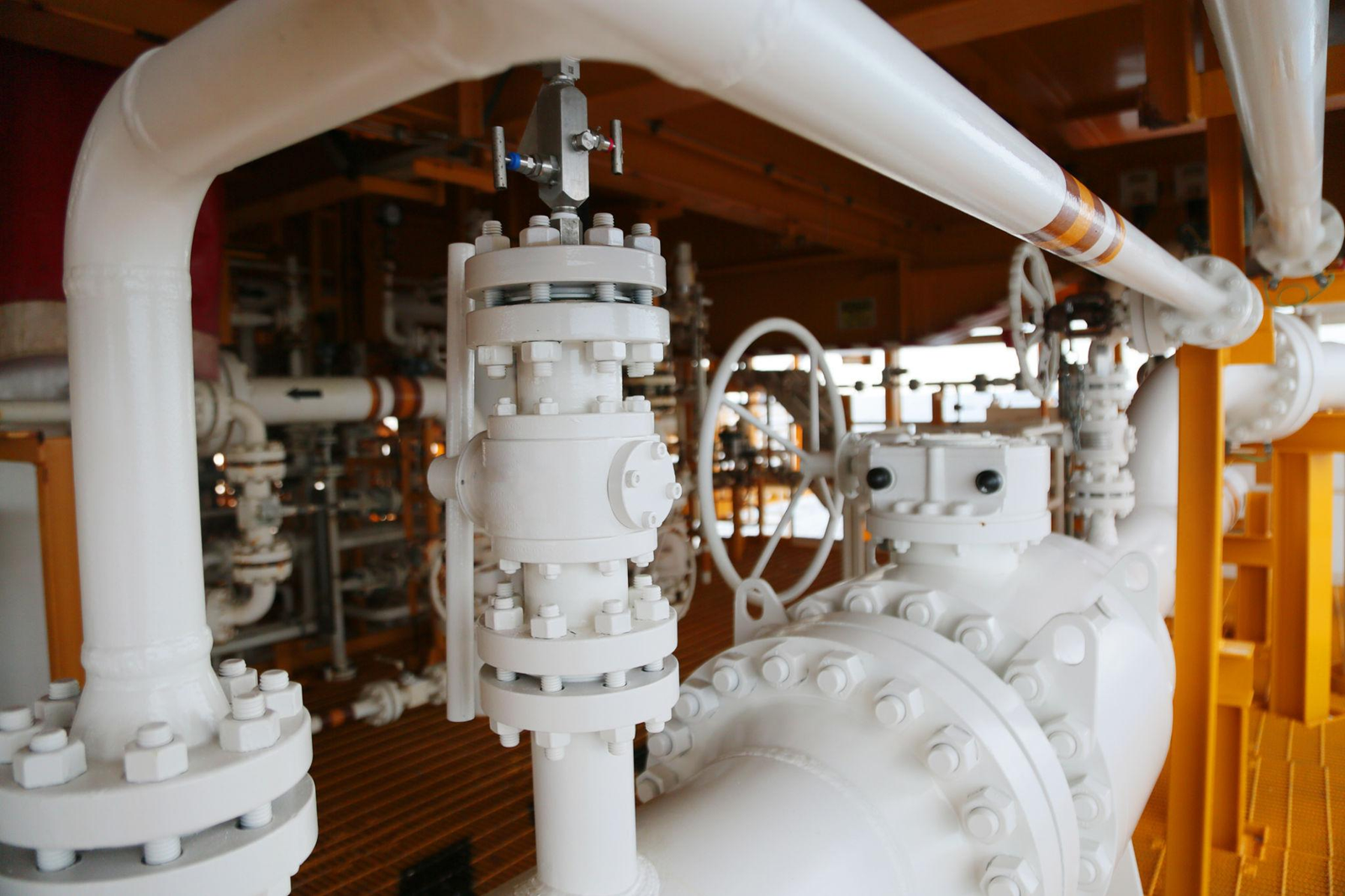
Valve solutions for offshore HIPPS applications, supporting pressure protection and isolation across critical production and wellhead process systems.
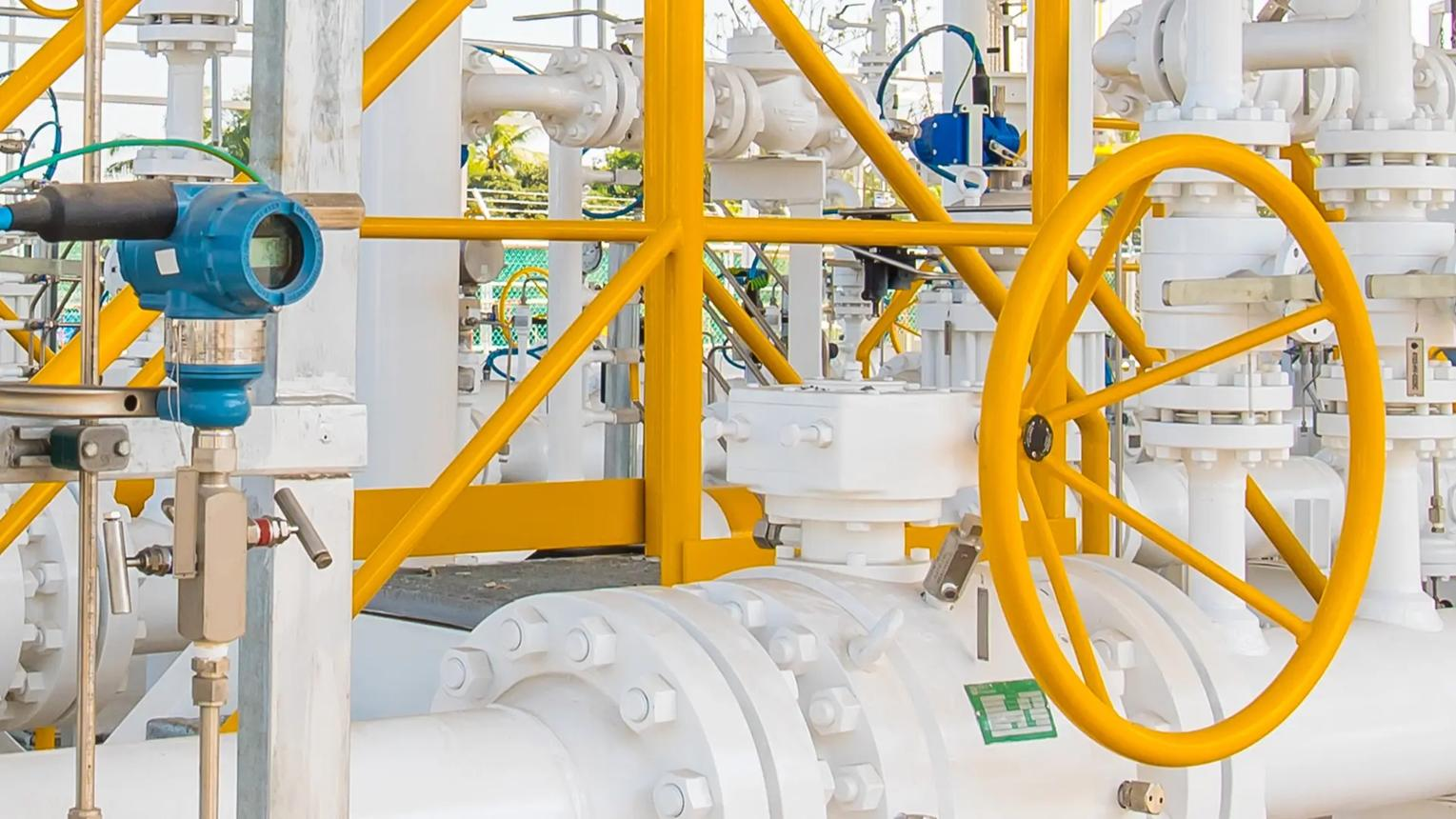
Industrial valve solutions for HIPPS applications in gas processing and process plants, designed to support dependable isolation when high-pressure conditions are detected.
Built for Demanding Conditions
Up to Class 2500 (ASME B16.34)
(-46°C to +650°C)
(Depending on valve type, material, sealing system, and application)
1/2" to 20"
DN15 to DN500
Flanged, Butt Weld, Socket Weld, Threaded, RTJ
WCB, LCB, CF8, CF8M, SS304, SS316, Duplex Stainless Steel, Super Duplex Stainless Steel, Alloy Steel, Chrome Moly Alloy Steel
API 6D, API 608, API 609, API 598, ASME B16.34, ISO 15848, ISO 27913, ANSI, DIN, BS
Got Questions?
Common questions about valve design, performance, and automation for this application.