
Cement
Engineered valve solutions tailored for critical Cement operating processes.

Alis Valves is a trusted Slurry Service Ceramic Butterfly Valve Manufacturer in India, offering high-performance butterfly valves specifically engineered for abrasive slurry, fly ash, cement, mineral processing, and other severe service applications. Designed with a ceramic-lined disc and seat, these valves provide exceptional resistance to abrasion, erosion, and corrosion while ensuring reliable shut-off, low operating torque, and extended service life in demanding industrial environments.
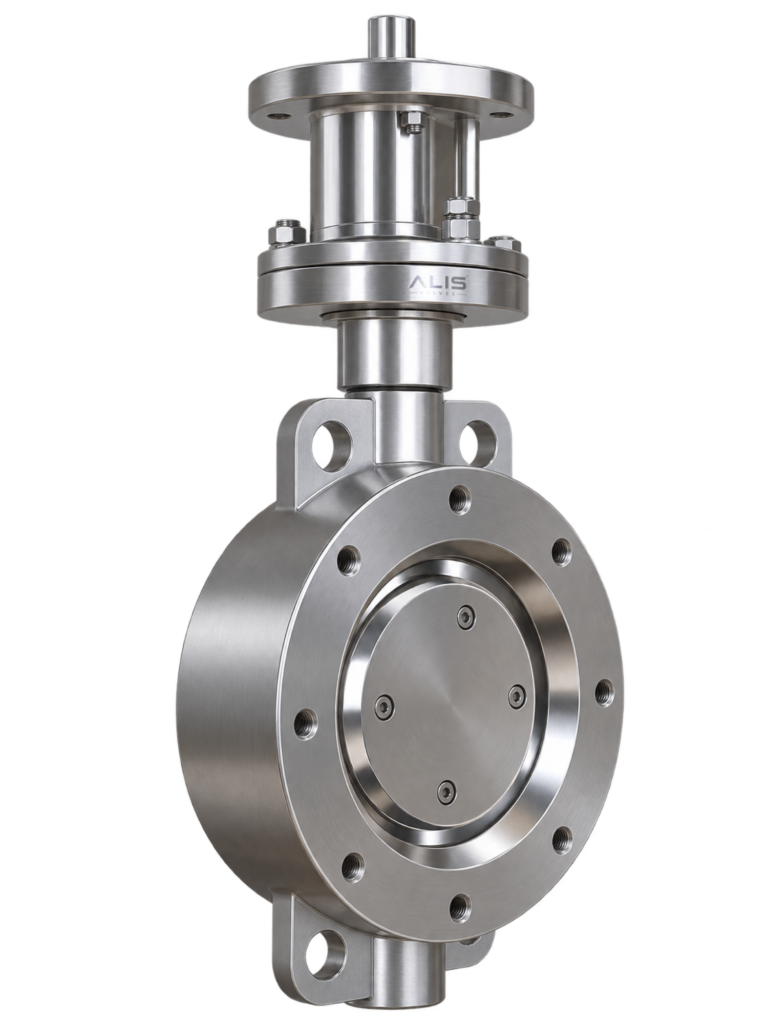
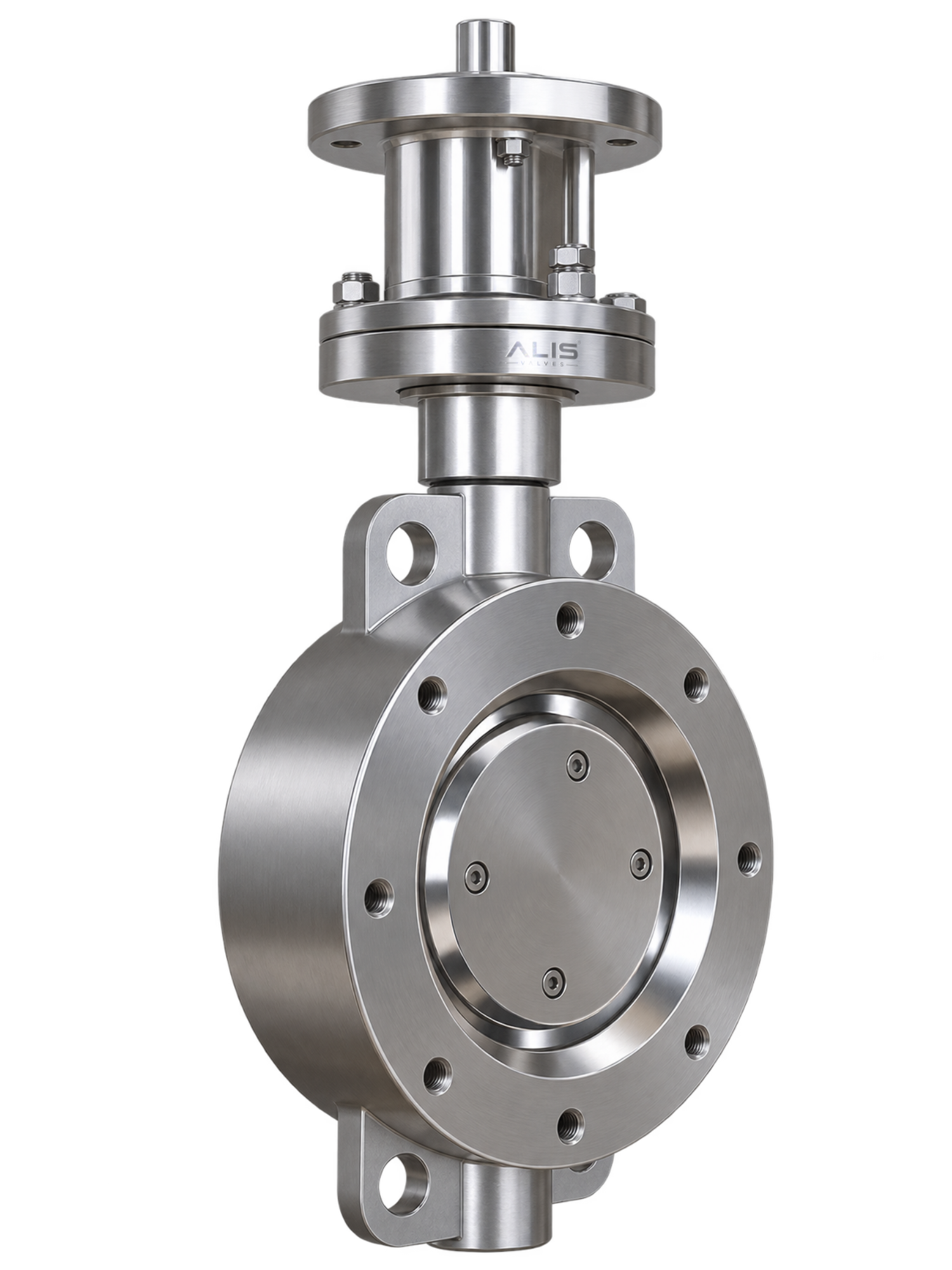
ALIS Valves offers Slurry Service Ceramic Butterfly Valves for industrial applications requiring reliable flow control and resistance to abrasive wear in slurry-handling systems. These valves feature a rotating butterfly disc and ceramic components incorporated into selected wetted or sealing areas, depending on the design. Ceramic materials offer high hardness and wear resistance, helping protect critical valve surfaces against erosion caused by suspended solids and abrasive particles. The valve body, ceramic lining, disc and sealing arrangement can be selected according to the slurry composition and operating requirements. Depending on the configuration, manual, pneumatic or electric actuation options may be available for controlled operation and integration with industrial process control systems. Proper consideration of ceramic component design, particle characteristics and thermal conditions is essential for achieving dependable performance in demanding slurry applications.
Slurry Service Ceramic Butterfly Valves are used in mining operations, mineral processing plants, cement production, power generation, chemical processing and other industries that handle abrasive mixtures of liquids and solid particles. Depending on the valve construction, ceramic grade and operating ratings, they can be specified for compatible slurries containing minerals, suspended solids and other abrasive materials. Important selection factors include slurry concentration, particle size and hardness, flow velocity, operating pressure, temperature, chemical composition, valve size, ceramic material, sealing requirements and operating torque. The valve design should also be evaluated for potential erosion, solids accumulation and blockage, particularly when handling high-concentration or coarse-particle slurries. Because ceramic components can be sensitive to impact and thermal shock, the complete valve assembly must be suitable for the actual process conditions. Selecting the appropriate configuration helps support abrasion resistance, dependable flow regulation and longer service life in demanding slurry-handling systems.
Size Range
DN50 to DN500 (2" to 20")
Pressure Rating
PN10, PN16 / ANSI Class 150
Body Material
Cast Iron, Ductile Iron, WCB, Stainless Steel
Disc Material
Alumina Ceramic / Zirconia Ceramic Lined
Seat Material
Ceramic / PTFE (Application Dependent)
Temperature Range
-20°C to +250°C (Higher on Request)
Leakage Class
ISO 5208 / API 598
Design Standards
API 609, ASME B16.34, ISO 5211
Engineered valve solutions tailored for critical Cement operating processes.
Engineered valve solutions tailored for critical Chemical operating processes.

Engineered valve solutions tailored for critical Data centres operating processes.

Engineered valve solutions tailored for critical Fertilizer operating processes.
Industrial Valves for Ammonia Applications Industrial valves used in ammonia systems are selected according…
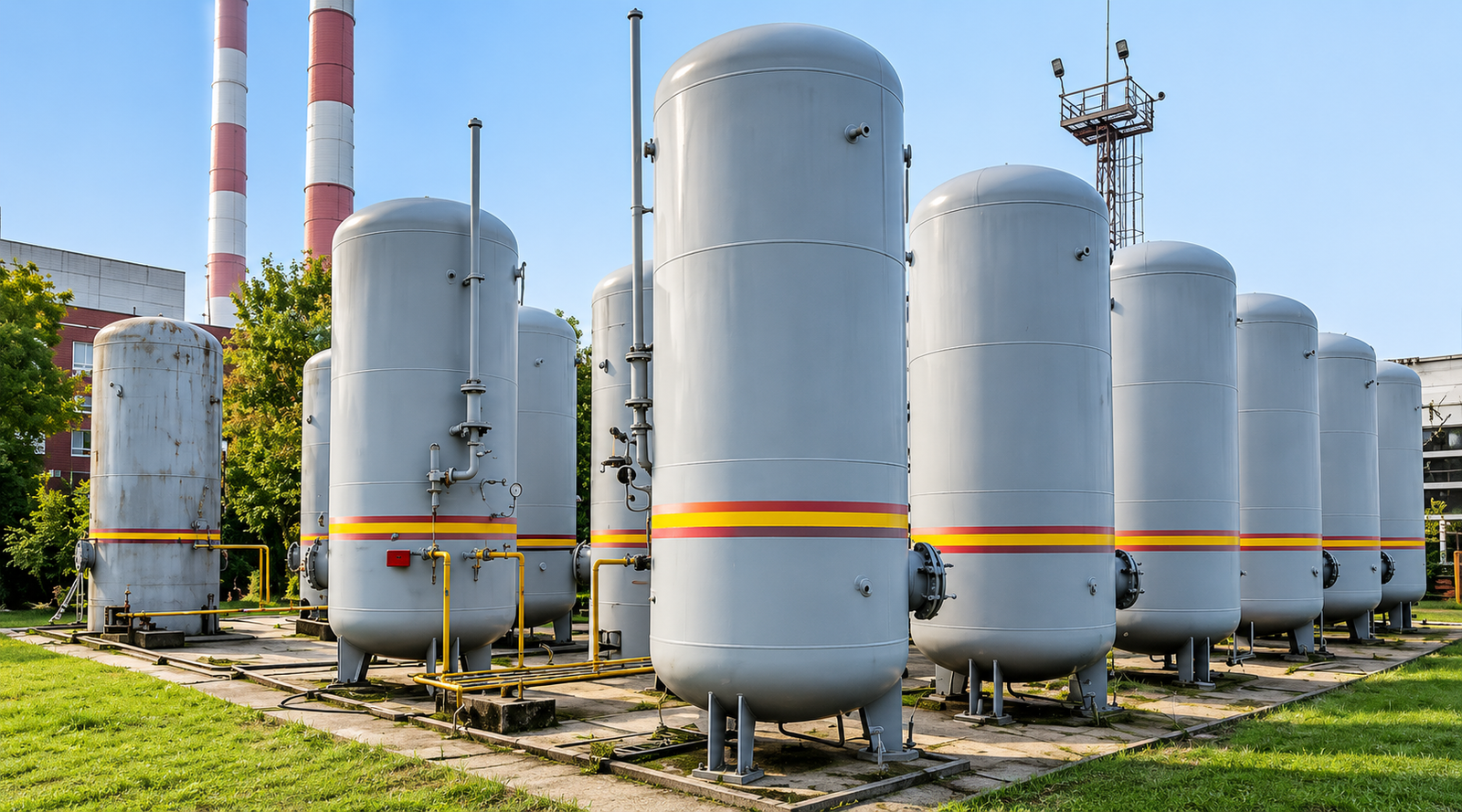
High-performance flow automation engineered for CO₂ operations.
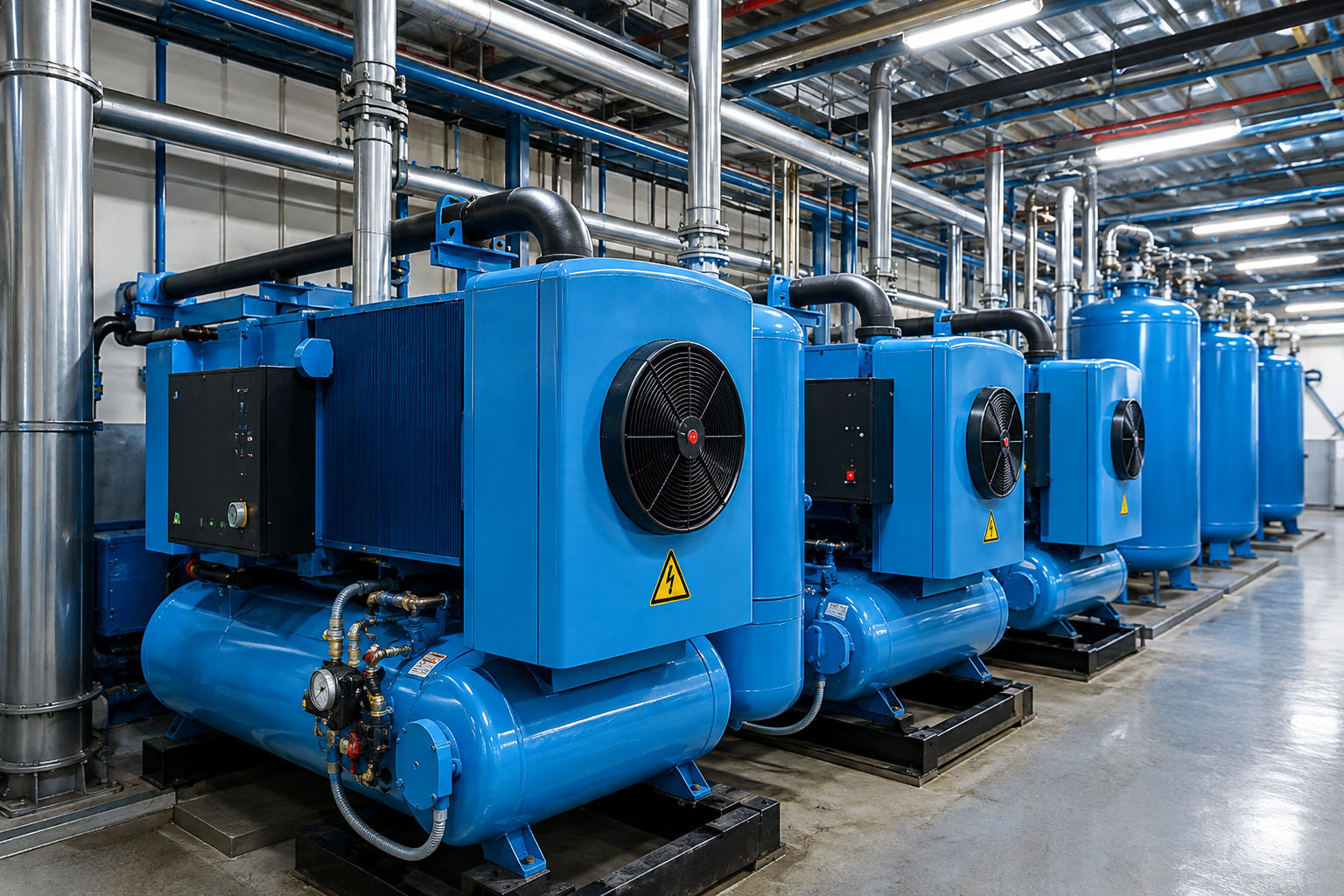
High-performance flow automation engineered for Compressed Air operations.
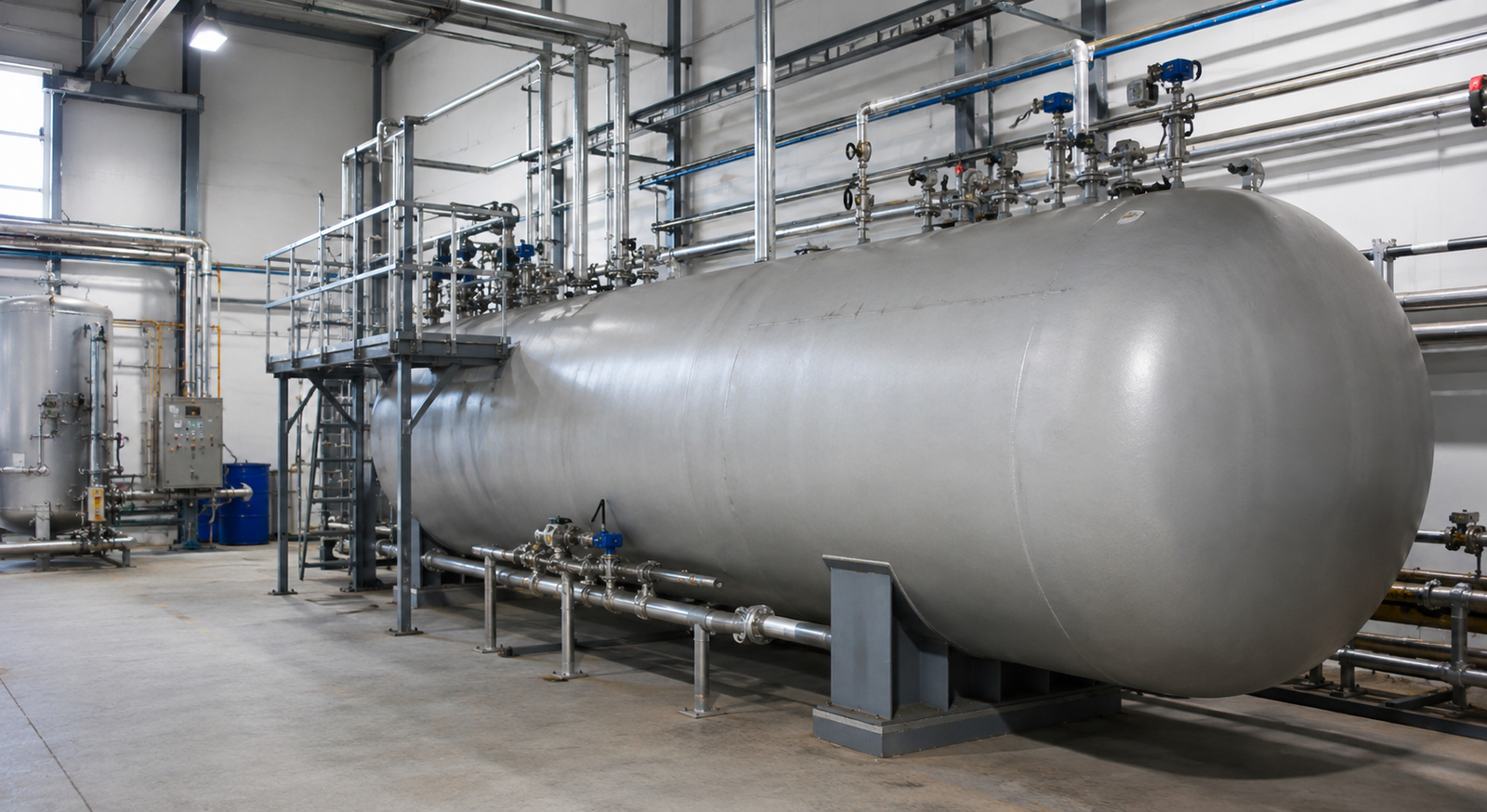
High-performance flow automation engineered for Cryogenic operations.
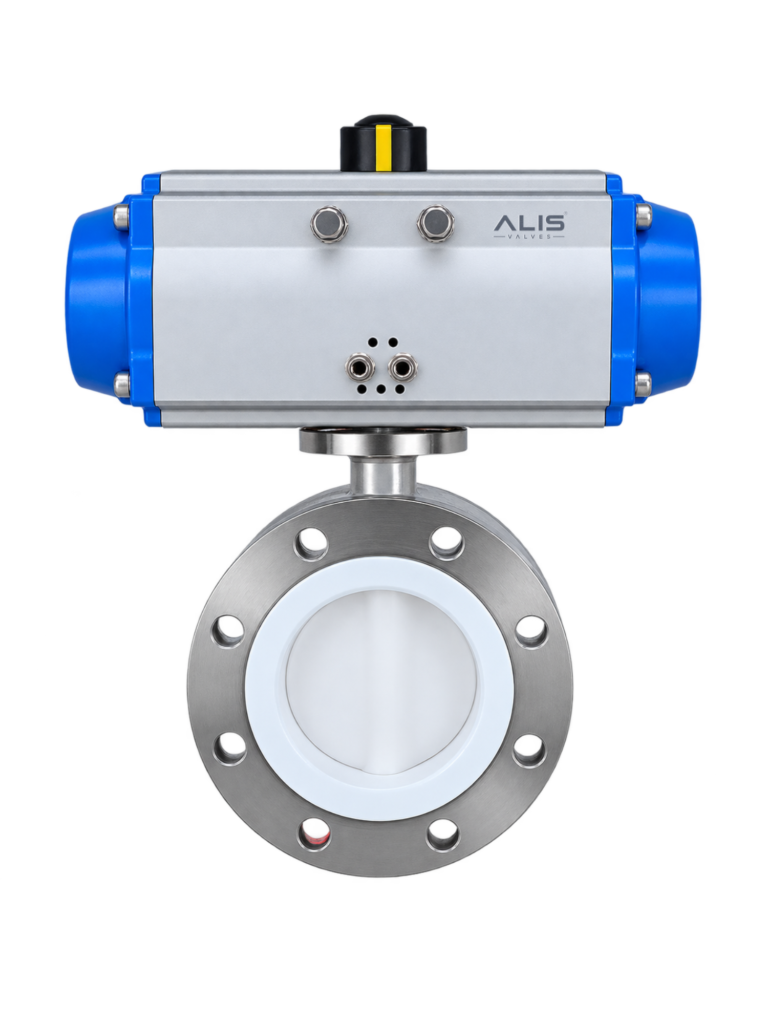
Alis Valves is a trusted Pneumatic Ceramic Butterfly Valve Manufacturer & Supplier…
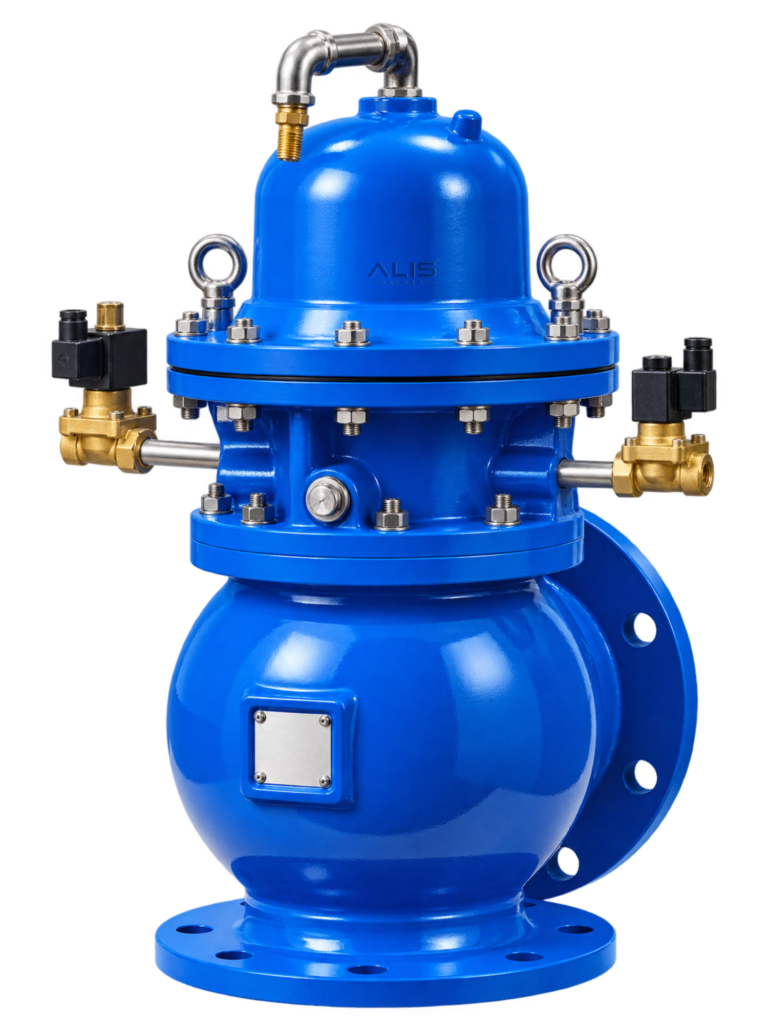
Alis Valves is a trusted Slurry Discharge Valve Manufacturer & Supplier in…
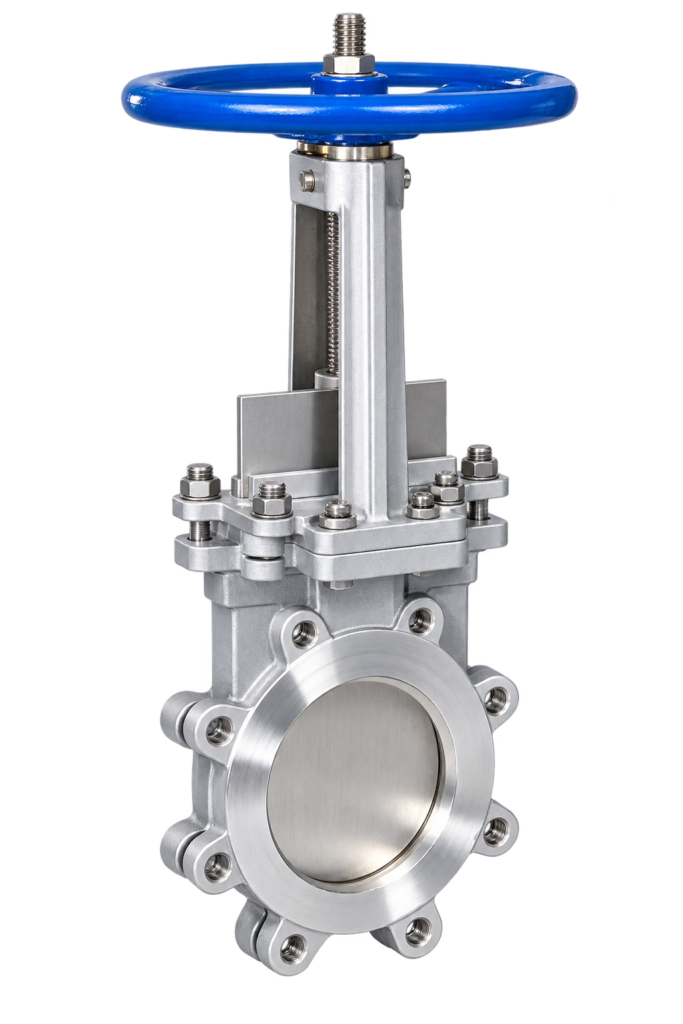
Alis Valves offers high-performance Knife Gate Slurry Valves specially engineered for handling…
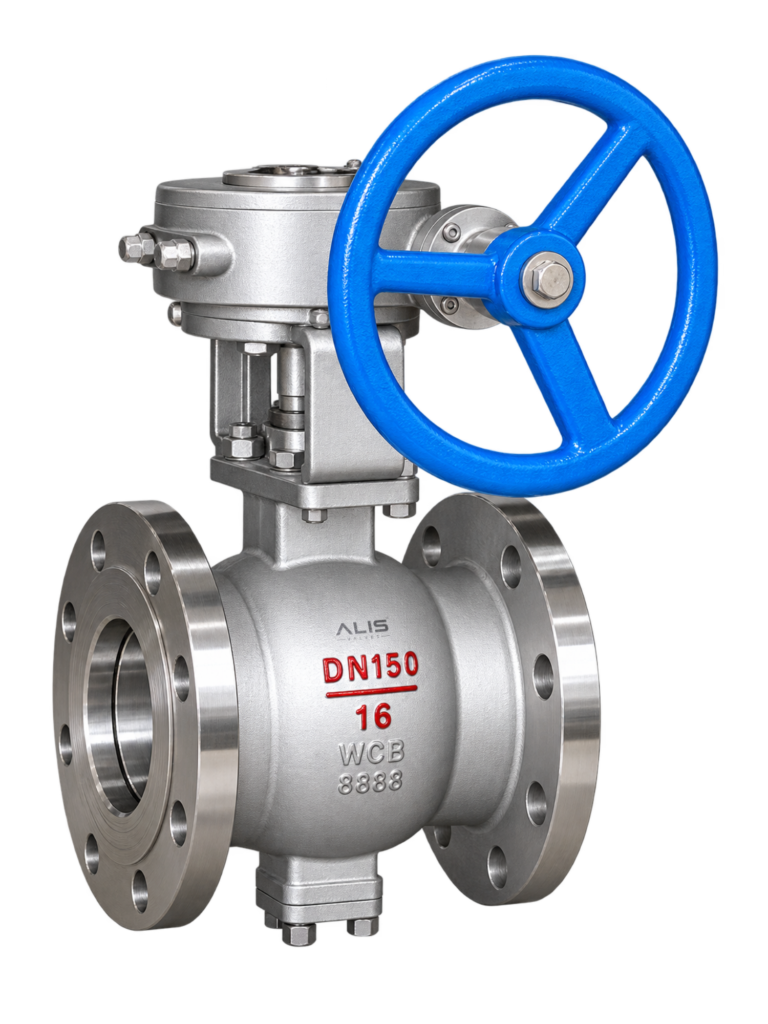
Alis Valves offers high-performance Slurry Ball Valve Manufacturer Supplier in India engineered…