
Cement
Engineered valve solutions tailored for critical Cement operating processes.

The Manual UPVC Ball Valve is designed for reliable on/off flow control in water and compatible chemical piping systems. Made from unplasticized polyvinyl chloride (UPVC), it offers good corrosion resistance and a lightweight construction compared with many metal valves. Its manual lever allows quick quarter-turn operation, making it suitable for water treatment, irrigation, swimming pools and industrial fluid-handling applications.
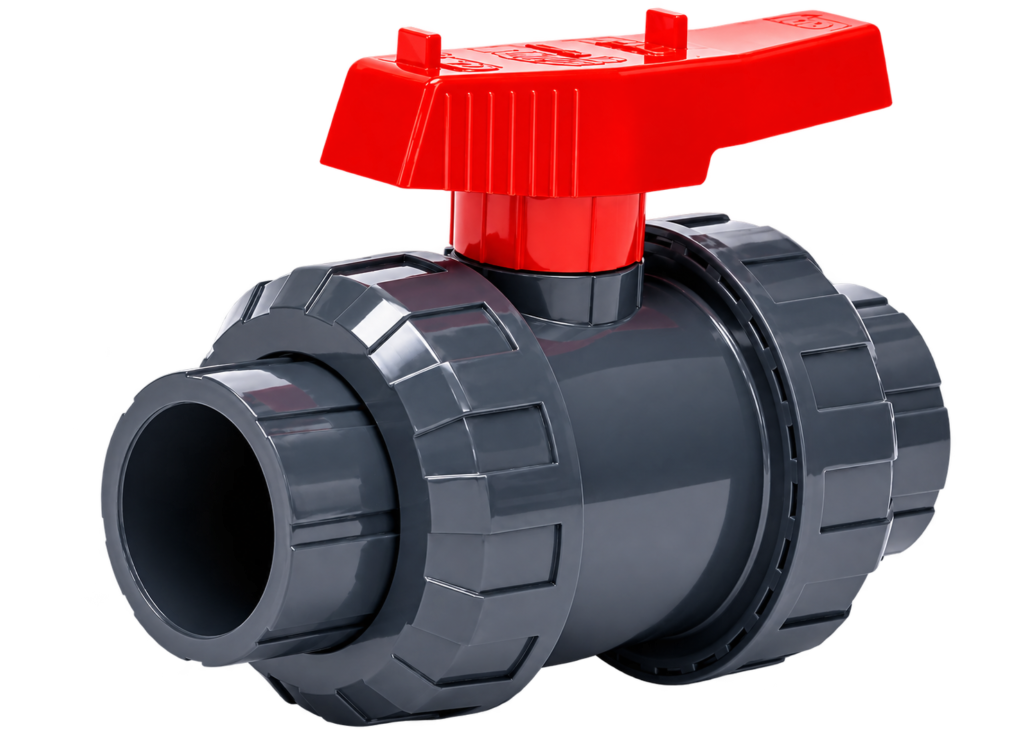
The Manual UPVC Ball Valve is used to start or stop fluid flow in piping systems where corrosion resistance and easy operation are important. Its UPVC body is suitable for many water-based applications and selected chemicals, depending on fluid concentration and operating temperature.
The valve uses an internal ball with a bore through its centre. Turning the manual handle by 90 degrees aligns or blocks the bore, allowing the operator to open or close the flow without electricity or compressed air.
UPVC construction provides a lightweight alternative to metal valves and does not rust like conventional carbon steel. The valve is commonly used in water treatment plants, irrigation systems, swimming pools, aquaculture, and compatible chemical transfer lines.
When selecting a Manual UPVC Ball Valve, consider the pipe size, connection type, pressure rating, temperature, chemical compatibility and required sealing performance. The actual operating limits depend on the valve design and manufacturer specifications.
Size Range
½″–4″ (DN 15–DN 100), indicative
Body Material
UPVC (Unplasticized Polyvinyl Chloride)
Ball Material
UPVC, depending on design
Seat Material
PTFE, depending on model
Typical Temperature Range
Approximately 0°C to 60°C for many standard UPVC valve applications
Pressure Rating
Commonly PN 10 / PN 16 in some designs
Maximum Working Pressure
Depends on valve size, design and temperature
Engineered valve solutions tailored for critical Cement operating processes.
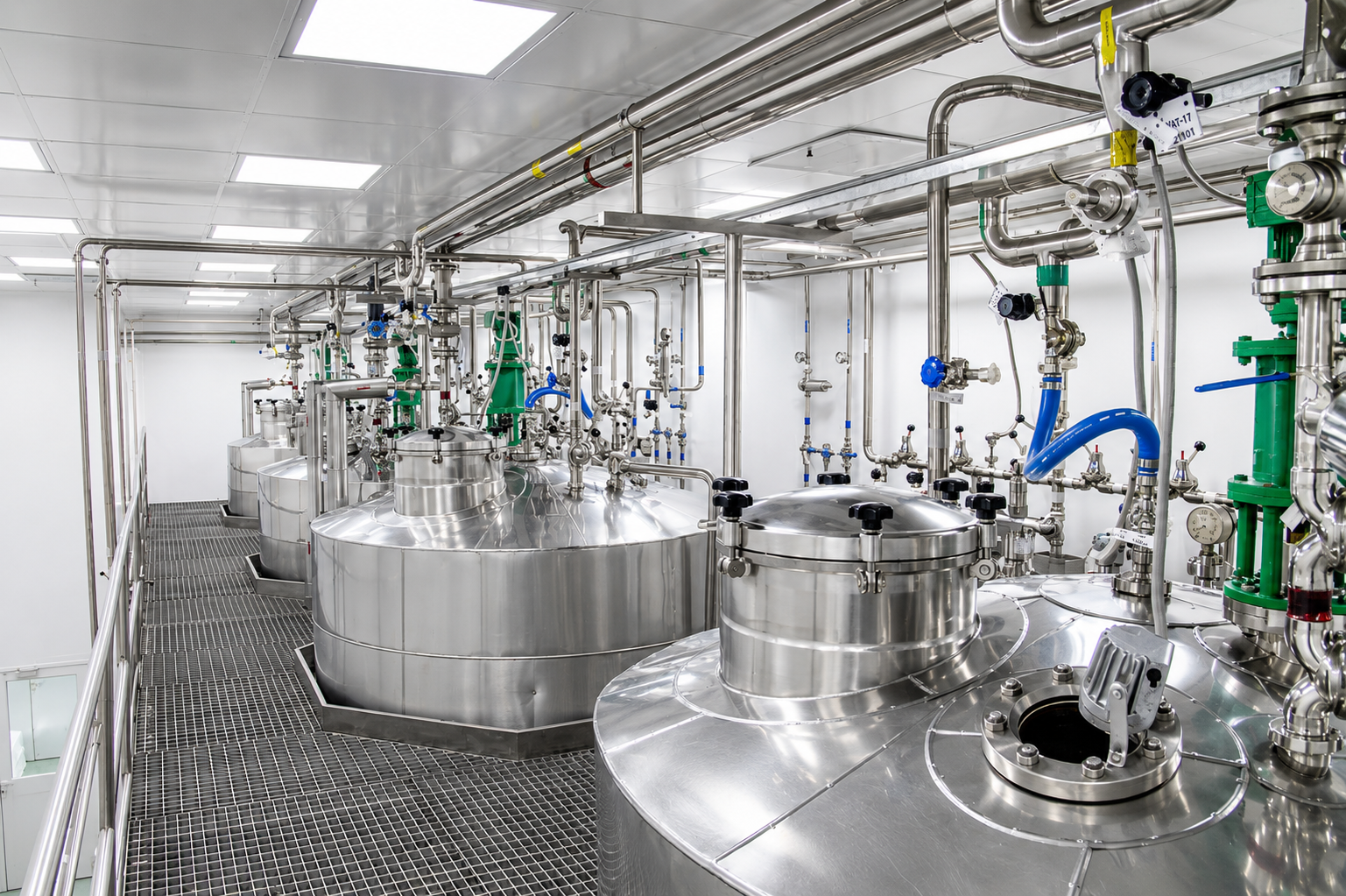
Engineered valve solutions tailored for critical Chemical operating processes.

Engineered valve solutions tailored for critical Data centres operating processes.

Engineered valve solutions tailored for critical Fertilizer operating processes.
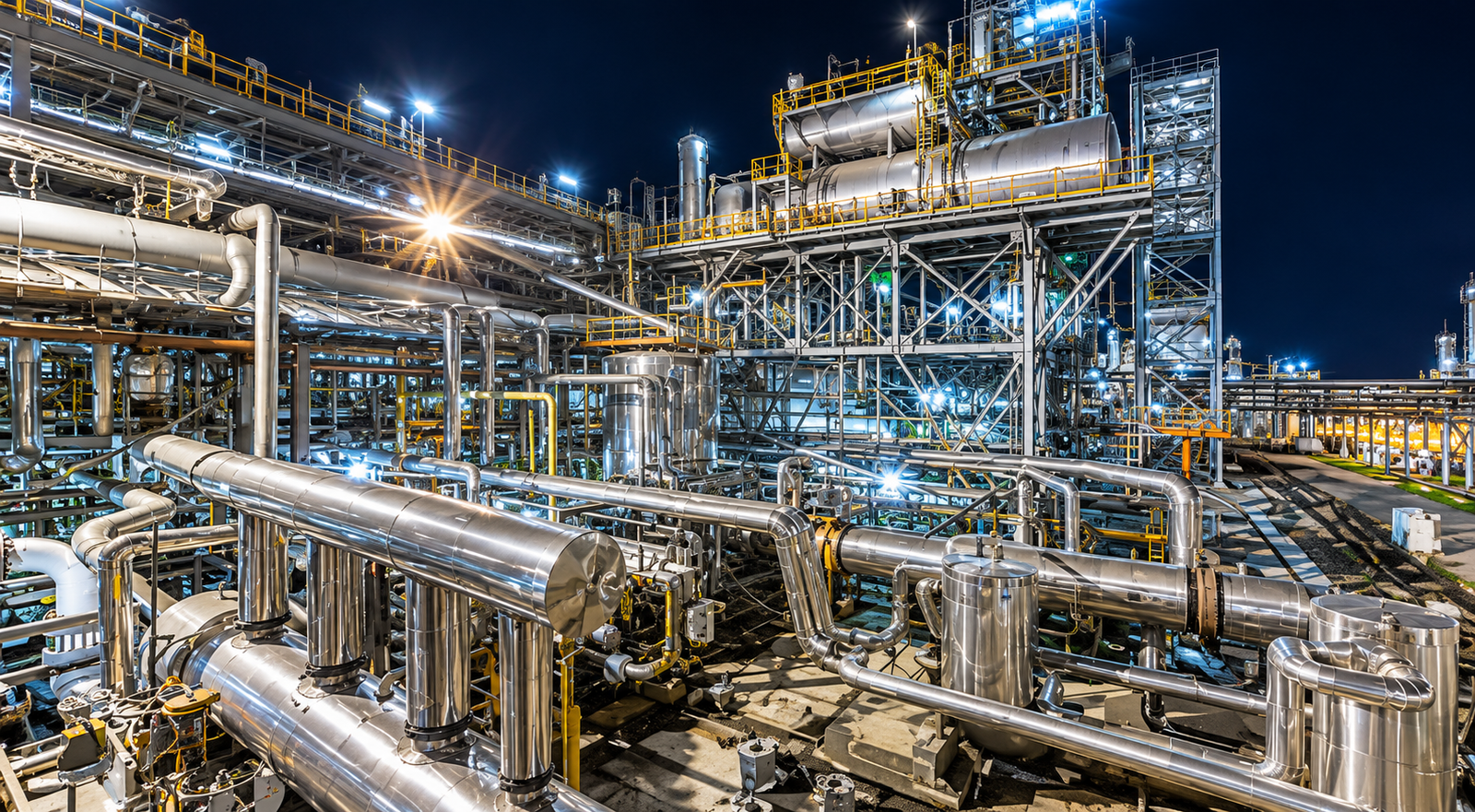
Industrial Valves for Ammonia Applications Industrial valves used in ammonia systems are selected according…
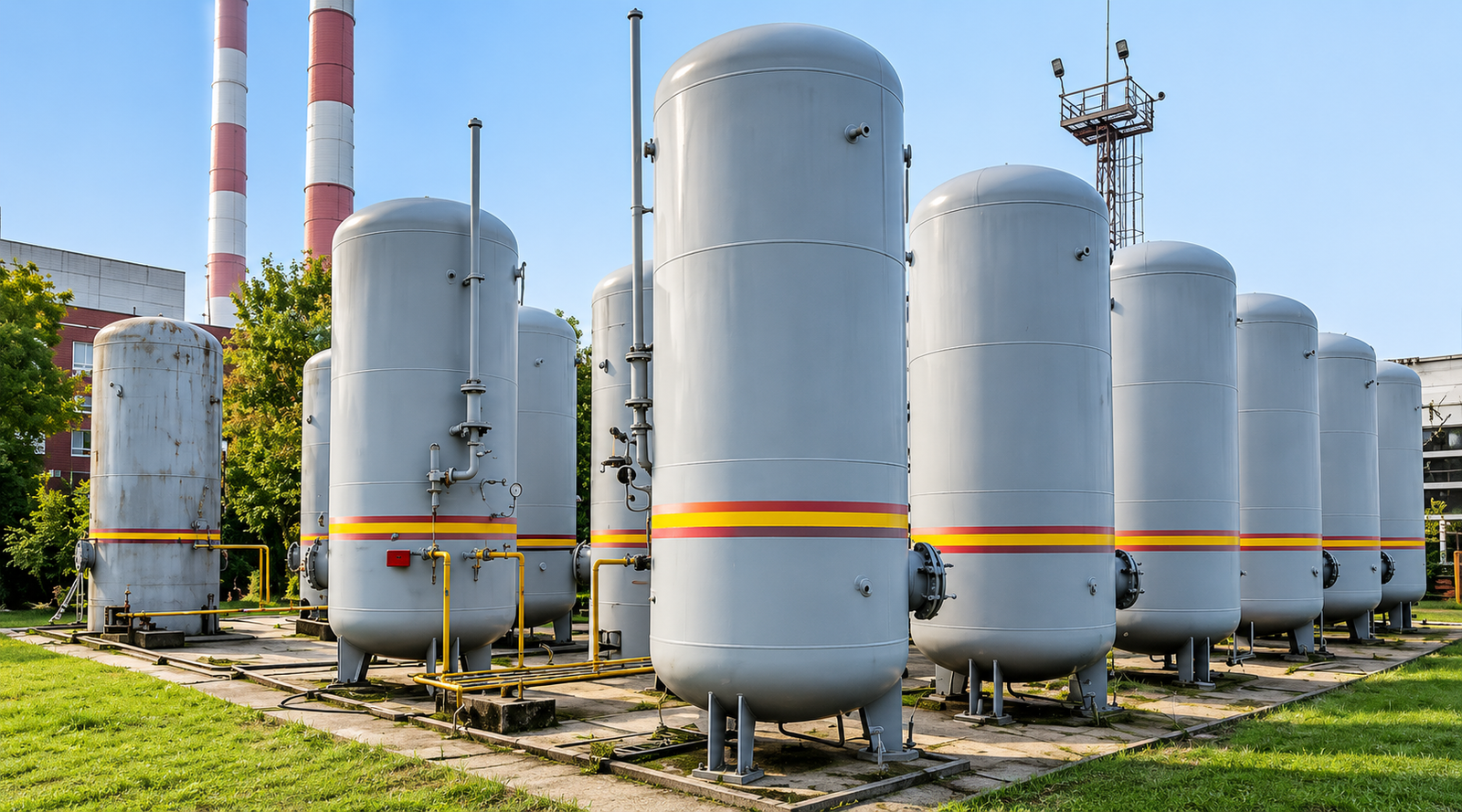
High-performance flow automation engineered for CO₂ operations.
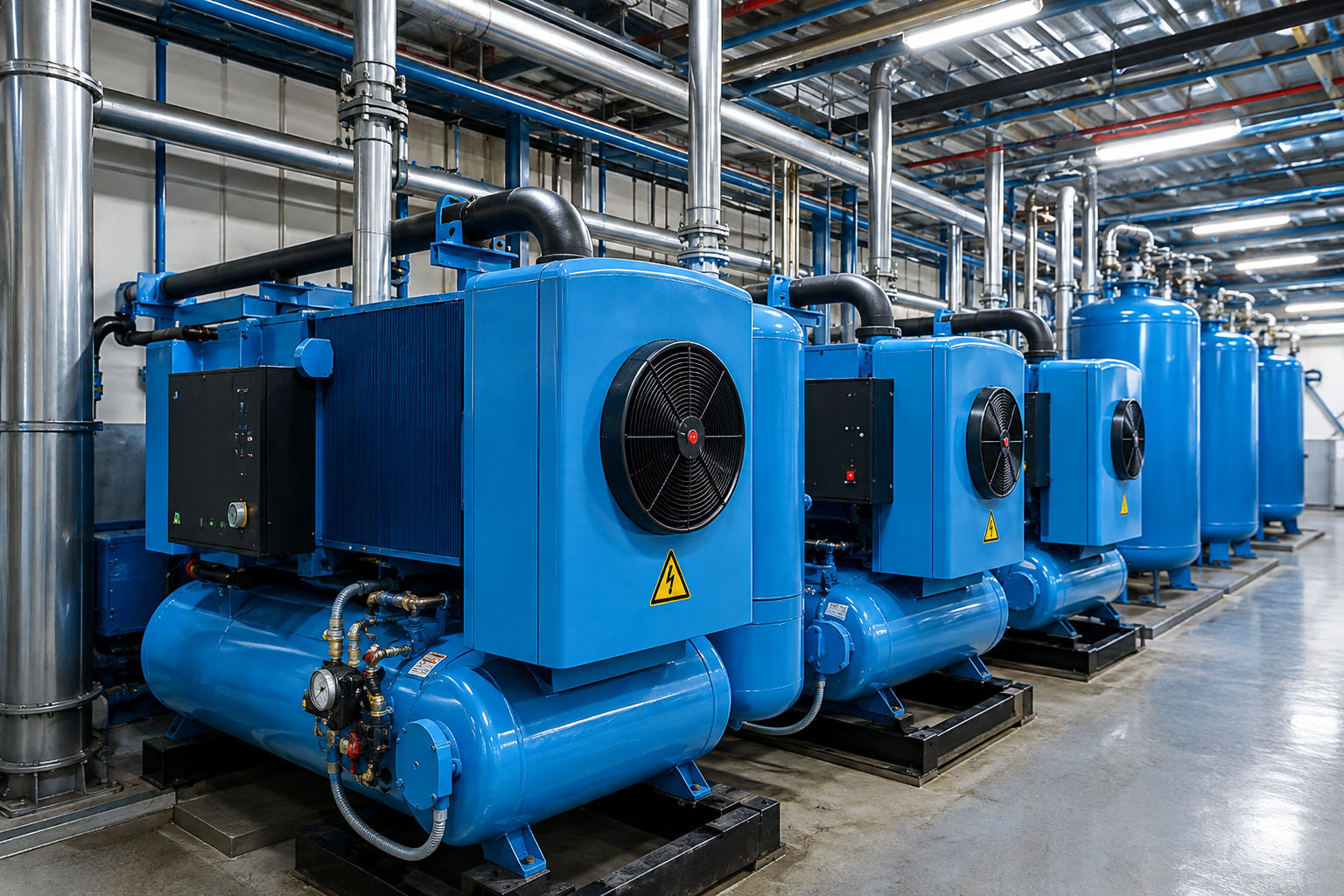
High-performance flow automation engineered for Compressed Air operations.
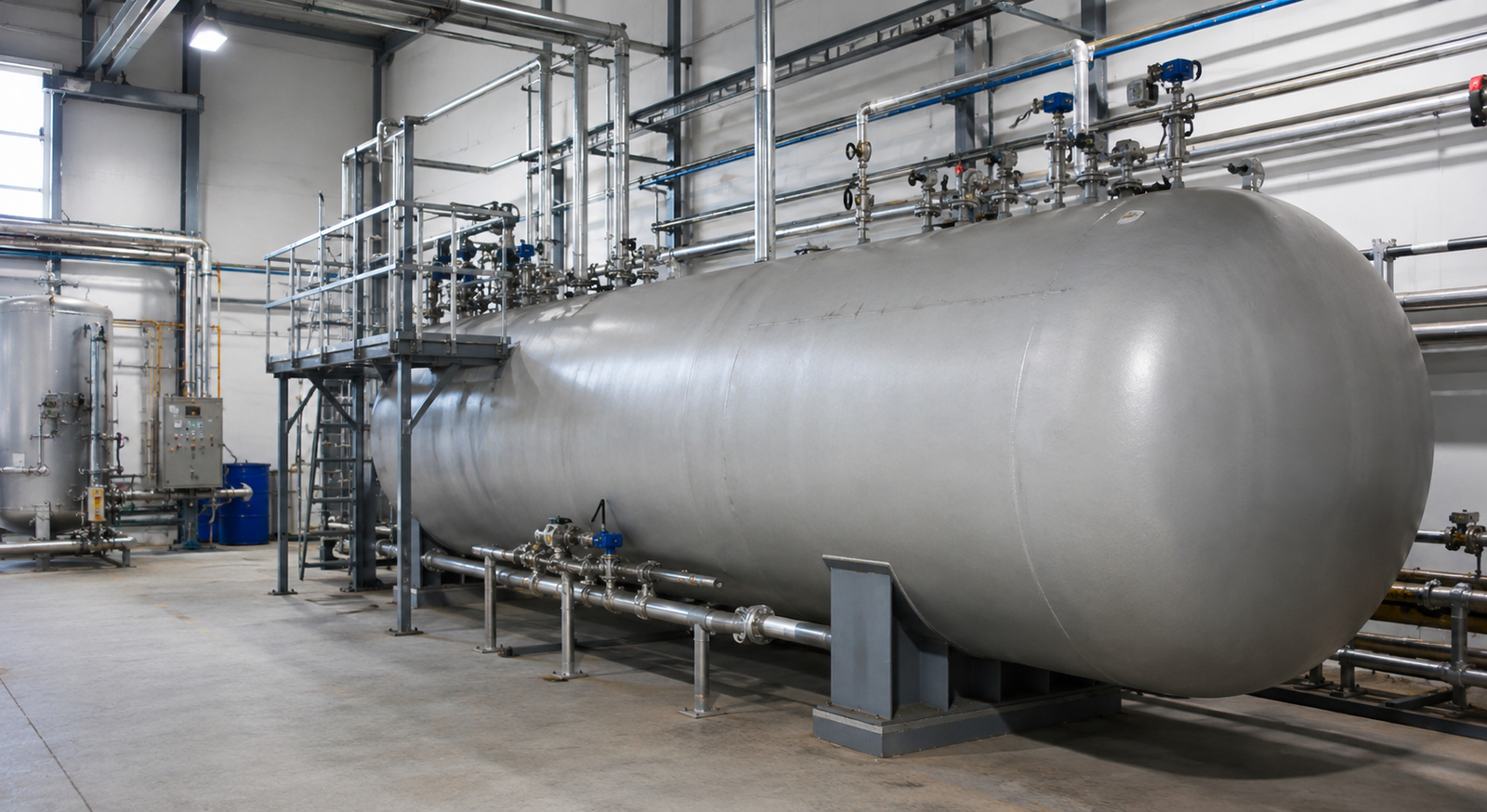
High-performance flow automation engineered for Cryogenic operations.