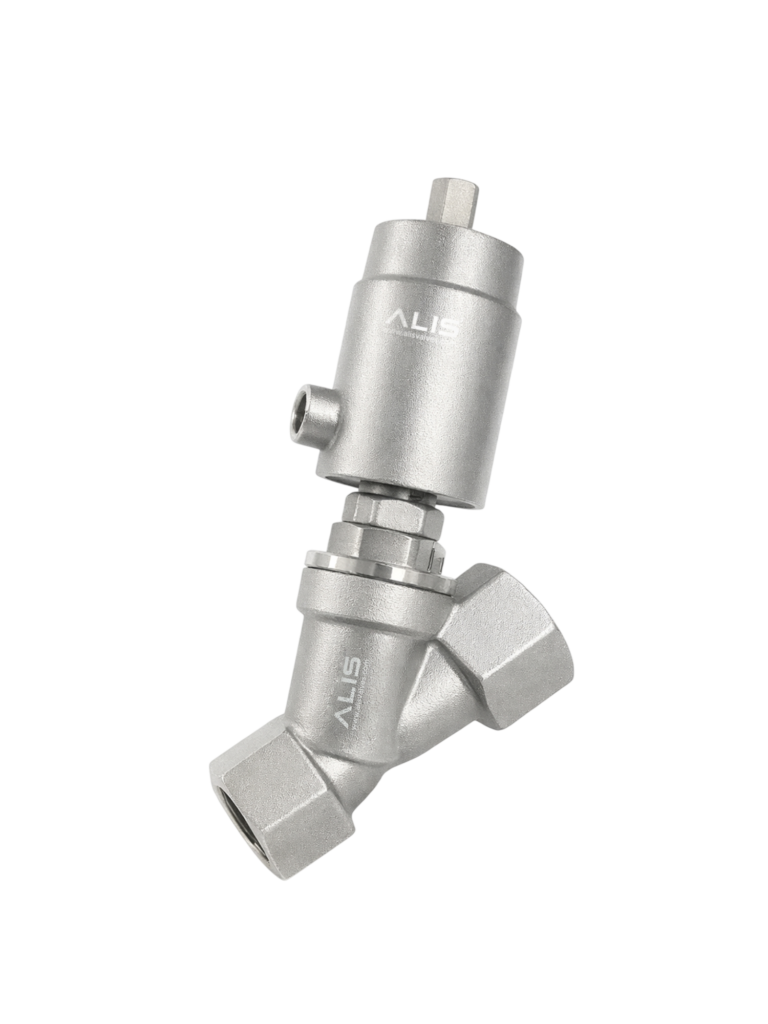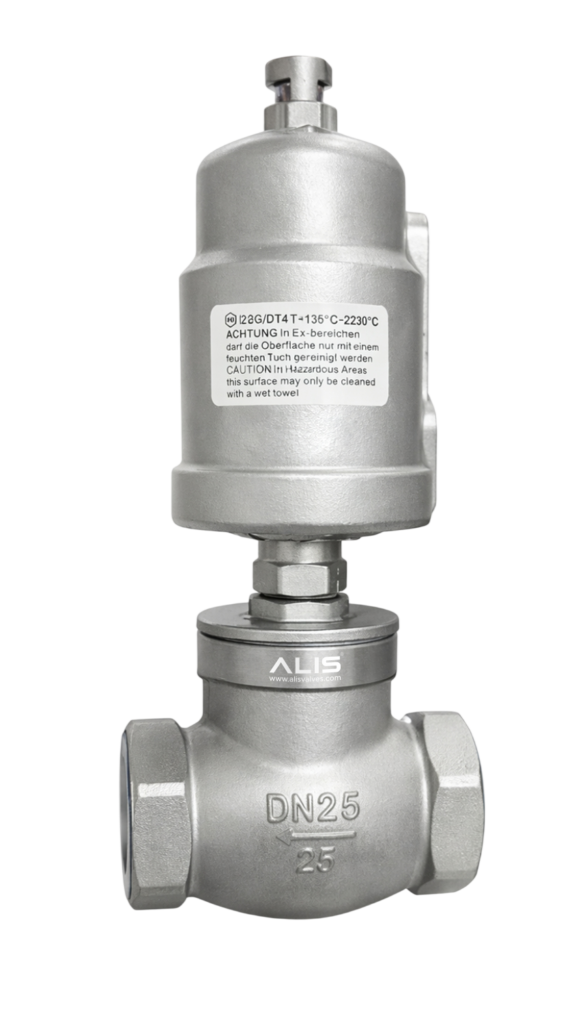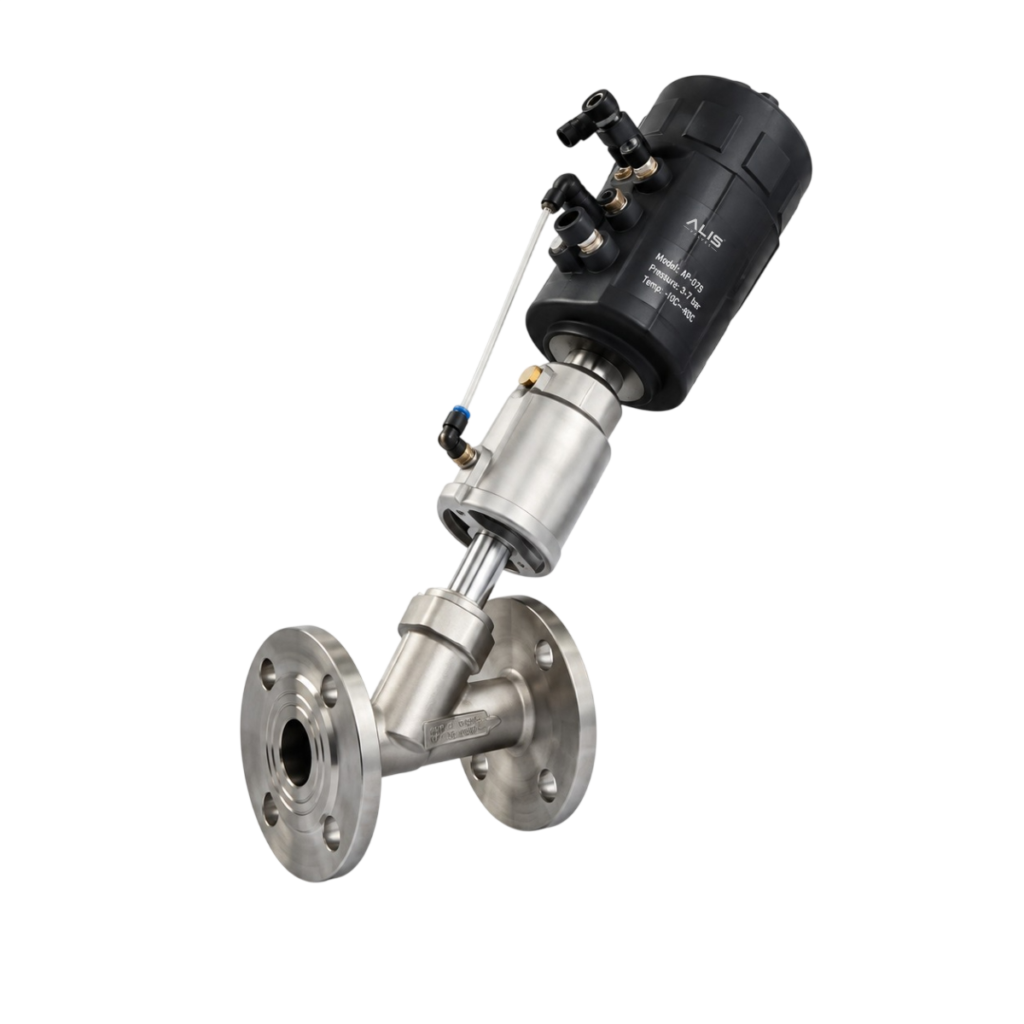
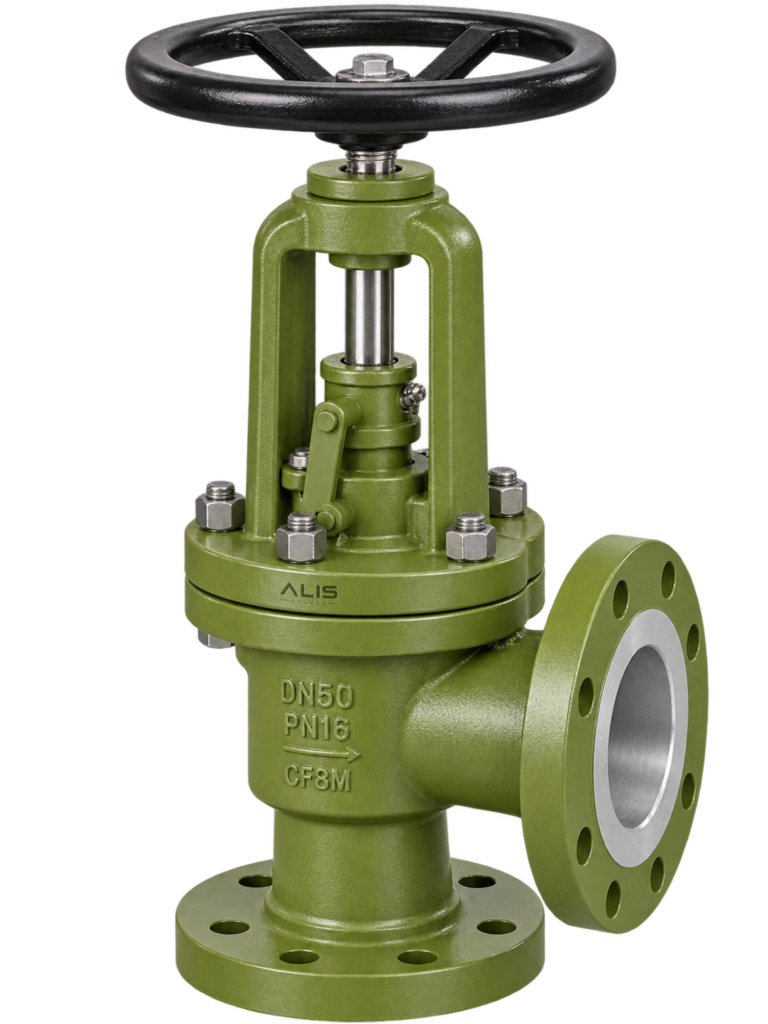
Y Type Flanged Control Valve
Resistant
Sealing
Operation
Long Life
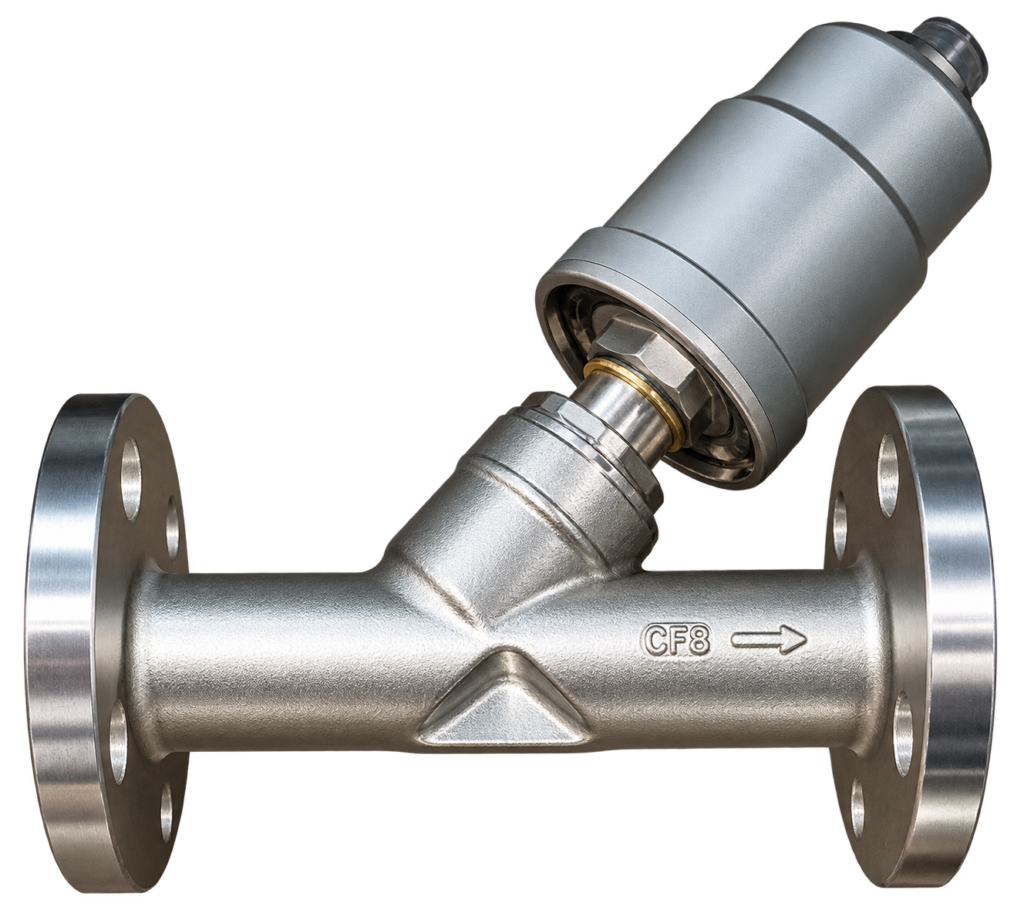
Y Type Flanged Control Valve is designed for precise flow regulation and reliable control in industrial piping systems. Its Y-pattern body provides efficient flow passage with reduced pressure drop, while the flanged connection ensures secure and easy installation. Suitable for steam, water, chemicals, oil & gas, and process applications.
Specifications
Size Range
DN25 to DN300 (1" to 12")*
Body Material
WCB / WC6 / WC9 / SS304 / SS316
Actuation
Pneumatic / Electric*
Flow Direction
As per valve configuration
Pressure Rating
PN16, PN25, PN40 / Class 150, 300, 600
Seat Type
Metal Seat / Soft Seat
Flow Characteristic
Linear / Equal Percentage / Quick Opening*
Control Signal
4–20 mA / 0–10 V / Digital Signal
Product Images
Frequently Ask Questions
It is a Y-pattern control valve used to regulate fluid flow, pressure and process conditions through controlled movement of the valve plug.
Differential pressure affects flow velocity, valve forces, pressure drop and potential cavitation, so it is important for proper valve sizing.
Cavitation occurs when local pressure falls below the fluid vapour pressure and bubbles form and collapse. Proper sizing and trim selection help control this condition.
Linear trim may be suitable where the required flow changes approximately proportionally with valve travel.
Yes, ALIS Valves is a Y Type Flanged Control Valve Manufacturer in India, offering control valve solutions for chemical, power, petrochemical, water treatment and process industries.
The Y-pattern provides a relatively streamlined flow path and can help reduce pressure loss compared with some conventional globe-body configurations.
Cv represents the valve's flow capacity and is used to determine the appropriate valve size for a given flow and pressure-drop condition.
Equal-percentage characteristics are commonly considered where the process has varying pressure drop or requires a broad controllable flow range.
Selection depends on the pressure-temperature rating, piping standard, flange compatibility and project specification. Class 300 and PN40 should not be treated as automatically equivalent.