
Cement
Engineered valve solutions tailored for critical Cement operating processes.
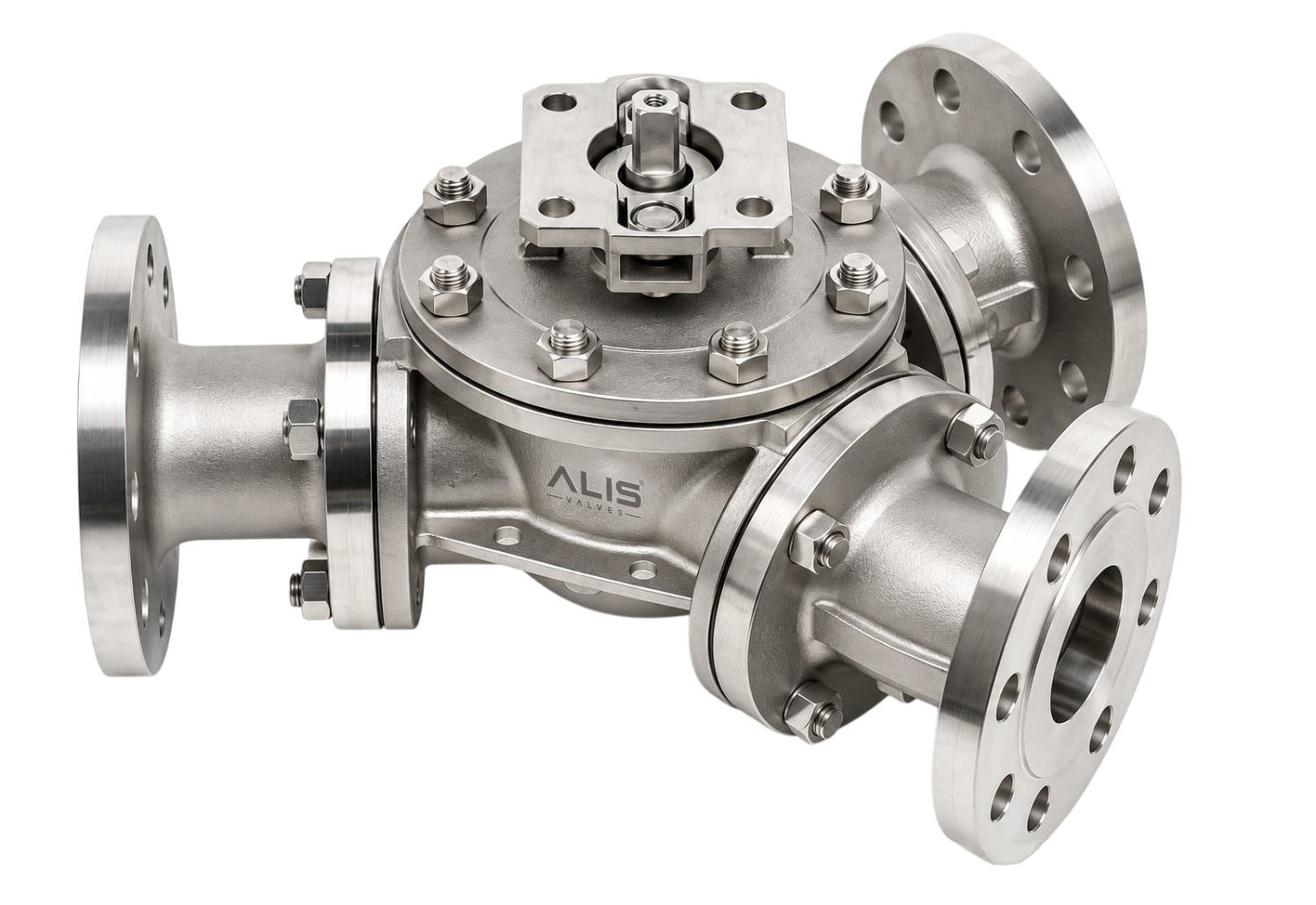
Alis Valves is a trusted 3 Way Diverter Valve Manufacturer & Supplier in India, offering precision-engineered valves for efficient flow diversion and mixing in industrial process systems. Designed with L-Port or T-Port configurations, these valves provide reliable switching between three flow paths, bubble-tight sealing, low operating torque, and minimal pressure loss. They are widely used in chemical processing, oil & gas, water treatment, pharmaceutical, food & beverage, power generation, HVAC, and industrial automation applications.
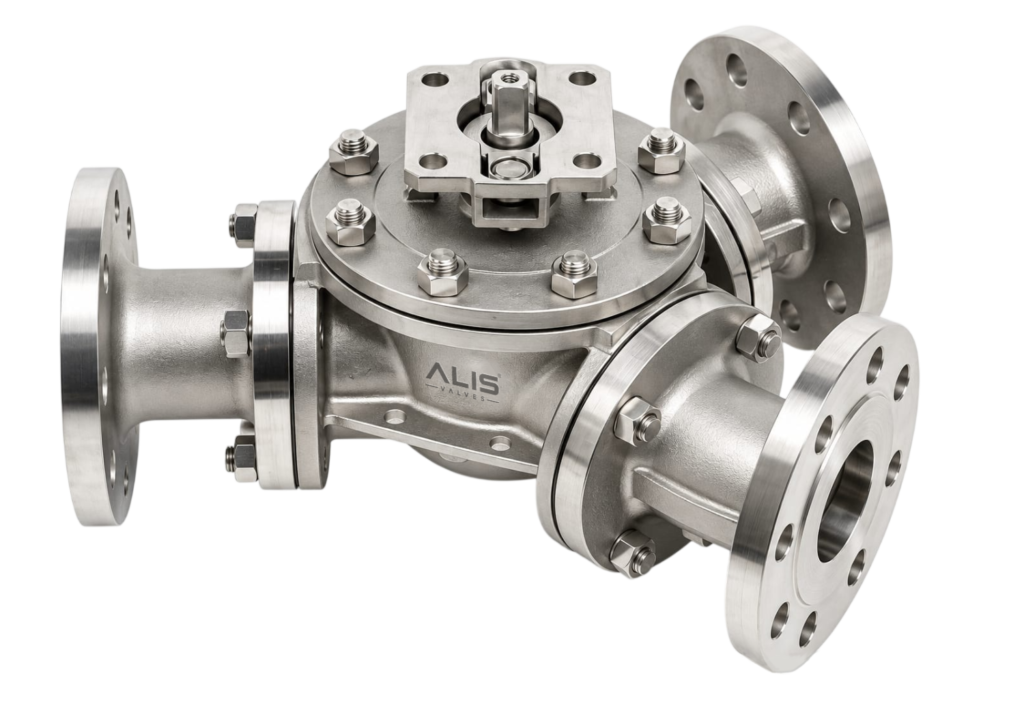
Alis Valves is a trusted 3 Way Diverter Valve Manufacturer & Supplier in India, offering precision-engineered valves for efficient flow diversion and mixing in industrial process systems. Designed with L-Port or T-Port configurations, these valves provide reliable switching between three flow paths, bubble-tight sealing, low operating torque, and minimal pressure loss. They are widely used in chemical processing, oil & gas, water treatment, pharmaceutical, food & beverage, power generation, HVAC, and industrial automation applications.
Size Range
DN15 to DN300 (½" to 12")
Pressure Rating
PN16, PN25, PN40 / ANSI Class 150, 300 & 600
Body Material
Carbon Steel (WCB), SS304, SS316, SS316L
Ball Material
SS304, SS316
Seat Material
PTFE, RPTFE, PEEK, Metal Seat (Application Dependent)
End Connection
Flanged, Threaded, Butt Weld, Socket Weld
Temperature Range
-29°C to +250°C (Depending on Seat Material)
Leakage Standard
API 598 / ISO 5208
Design Standards
API 6D, API 608, ASME B16.34, ISO 17292, ISO 5211
Engineered valve solutions tailored for critical Cement operating processes.
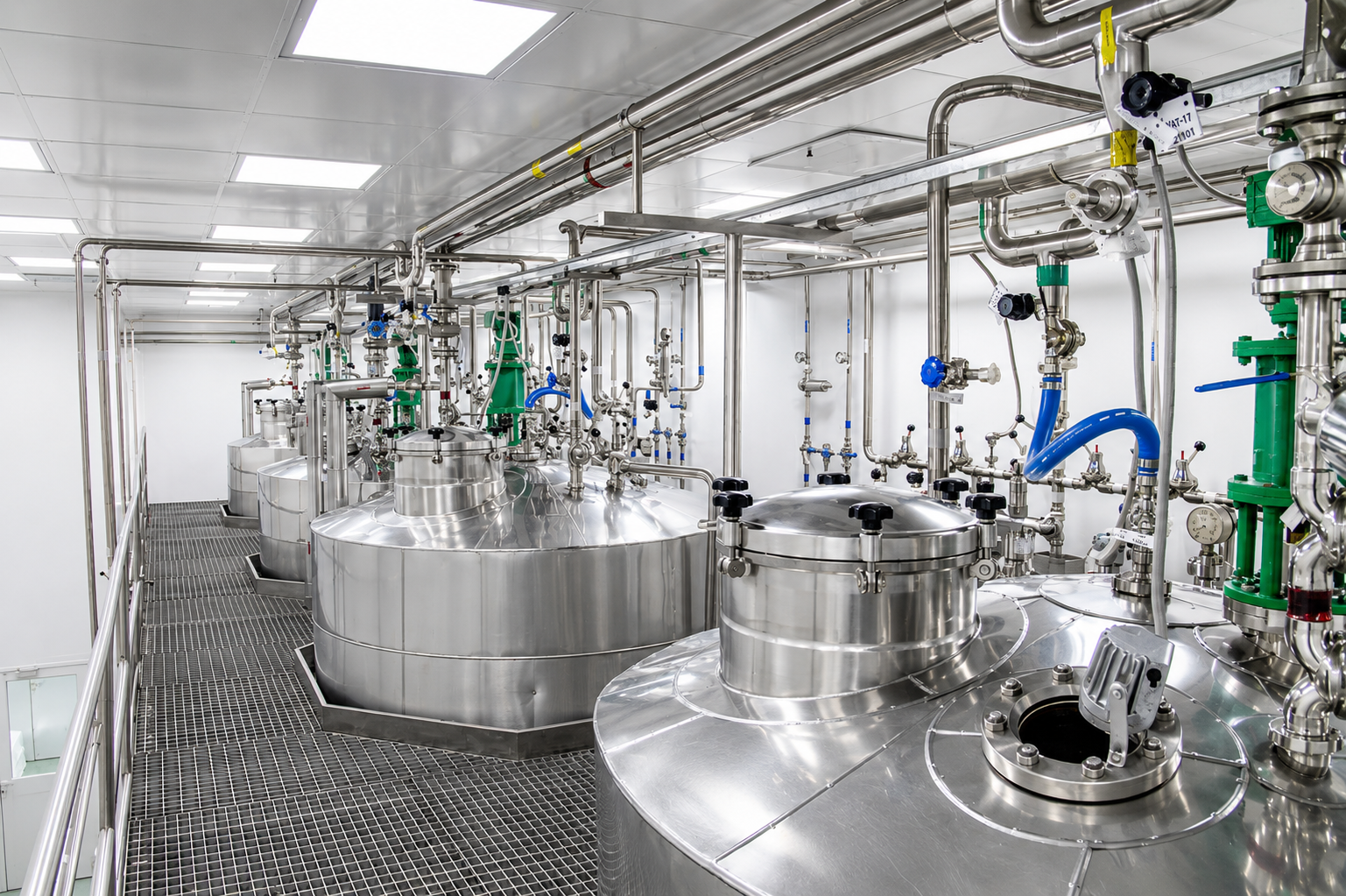
Engineered valve solutions tailored for critical Chemical operating processes.

Engineered valve solutions tailored for critical Data centres operating processes.

Engineered valve solutions tailored for critical Fertilizer operating processes.

High-performance flow automation engineered for Ammonia operations.
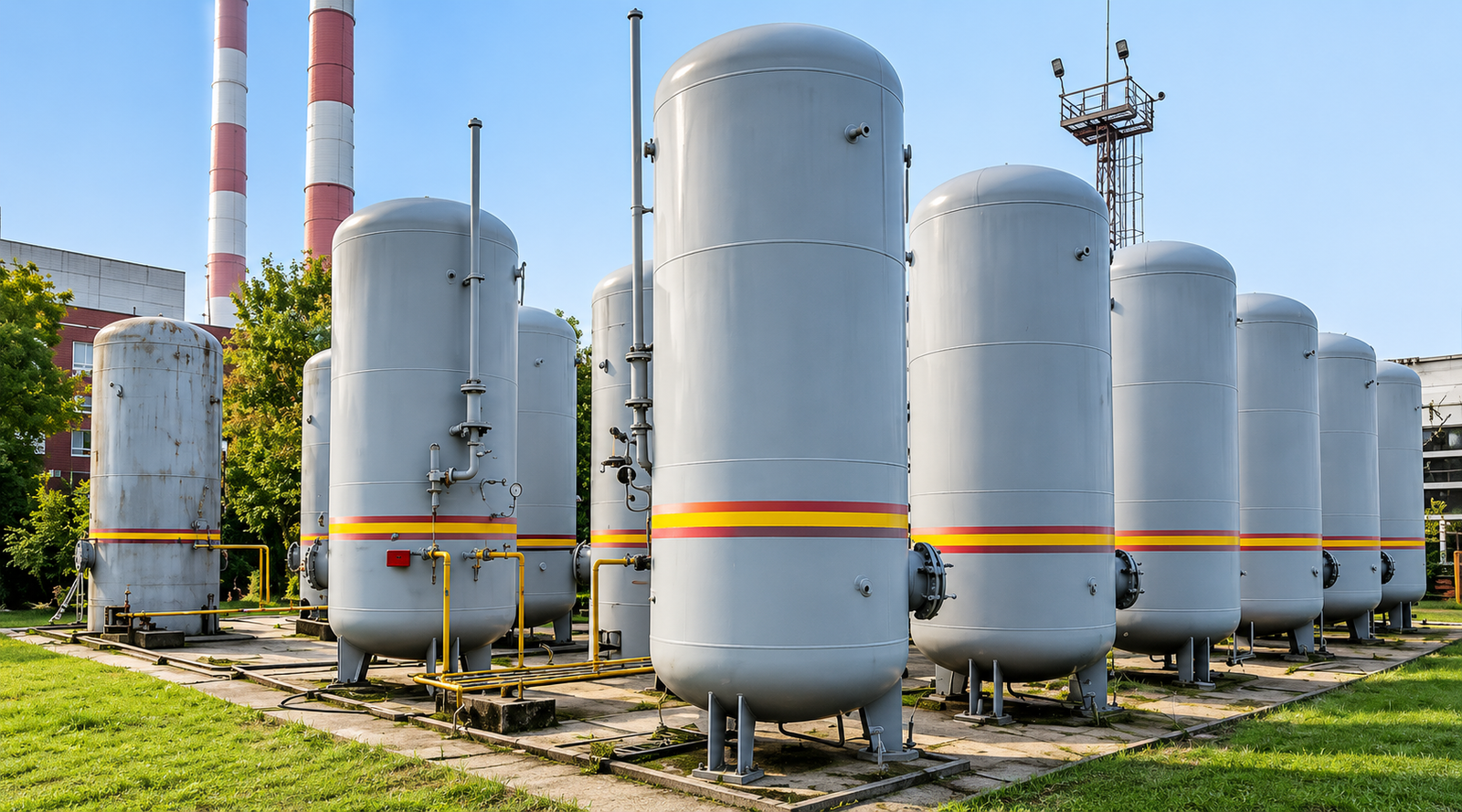
High-performance flow automation engineered for CO₂ operations.
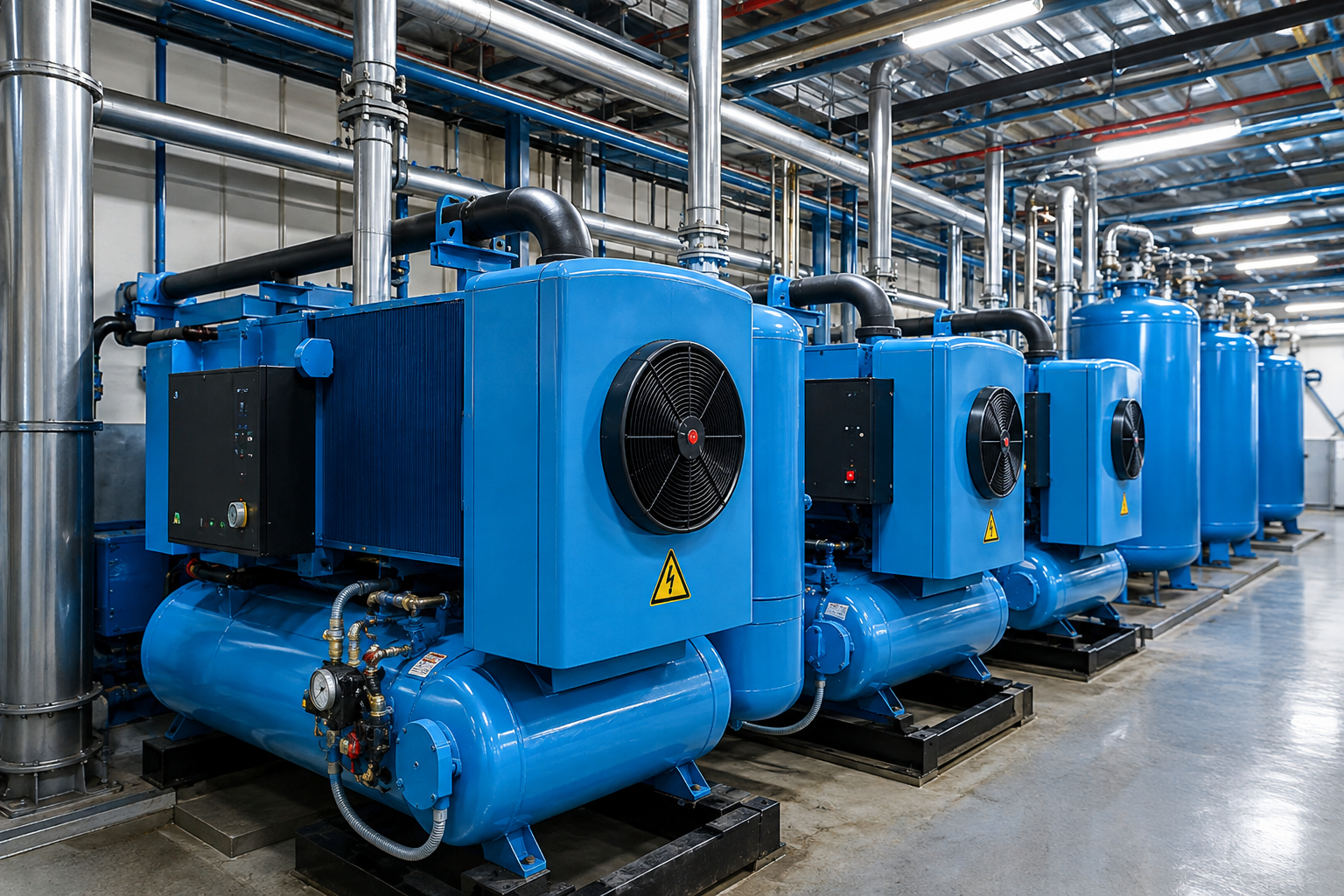
High-performance flow automation engineered for Compressed Air operations.
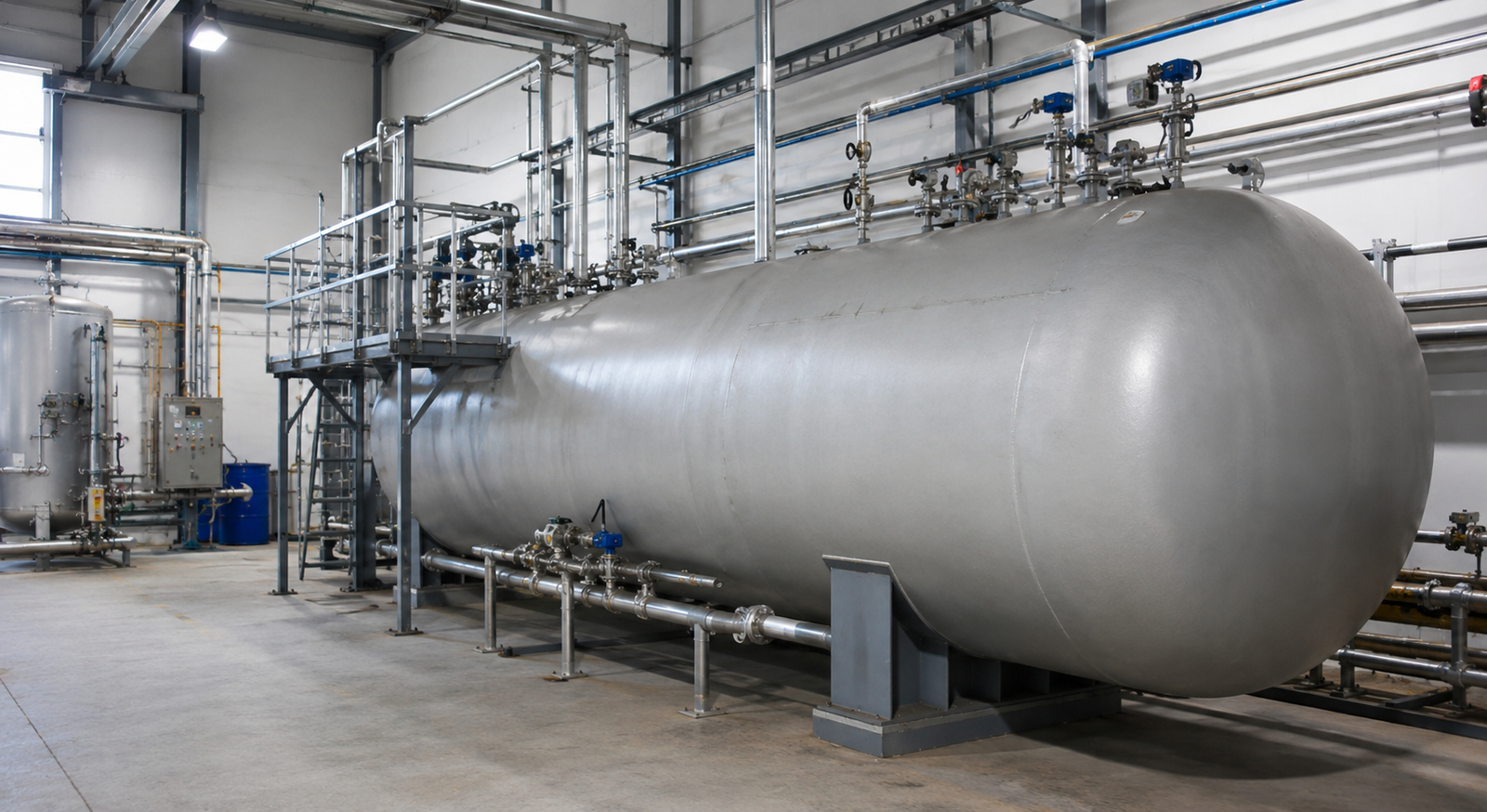
High-performance flow automation engineered for Cryogenic operations.
three way diverting valve
Alis Valves is a trusted 2 Way Diverter Valve Manufacturer & Supplier…
Alis Valves is a trusted Electric Diverter Valve Manufacturer & Supplier in…
Alis Valves is a trusted Pneumatic Diverter Valve Manufacturer & Supplier in…
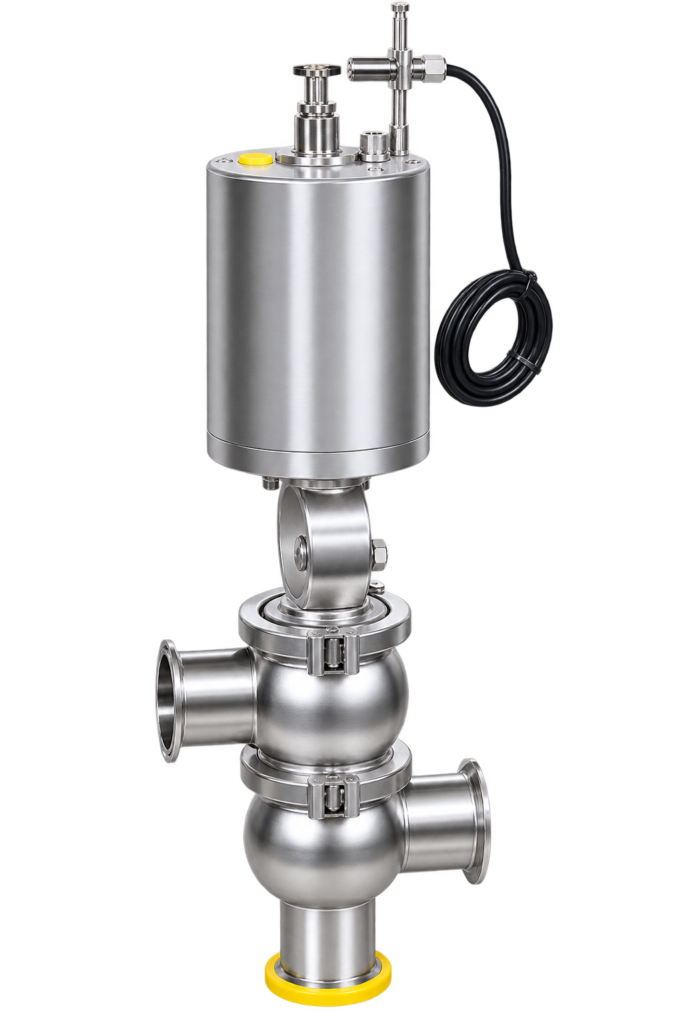
Alis Valves is a trusted Sanitary Diverter Valve Manufacturer & Supplier in…