
Cement
Engineered valve solutions tailored for critical Cement operating processes.

Bellows Sealed Globe Valve is a linear-motion valve designed for reliable flow isolation and regulation in industrial piping systems where minimizing stem leakage and fugitive emissions is important. Unlike a conventional packed globe valve, the valve uses a metal bellows assembly as the primary stem sealing barrier, separating the process fluid from the external atmosphere. The valve combines the throttling capability of a globe valve with a bellows-based stem sealing arrangement. It is commonly considered for applications involving steam, thermal oil, hazardous chemicals, toxic fluids, hydrocarbons and other process media where conventional packing leakage needs to be minimized.
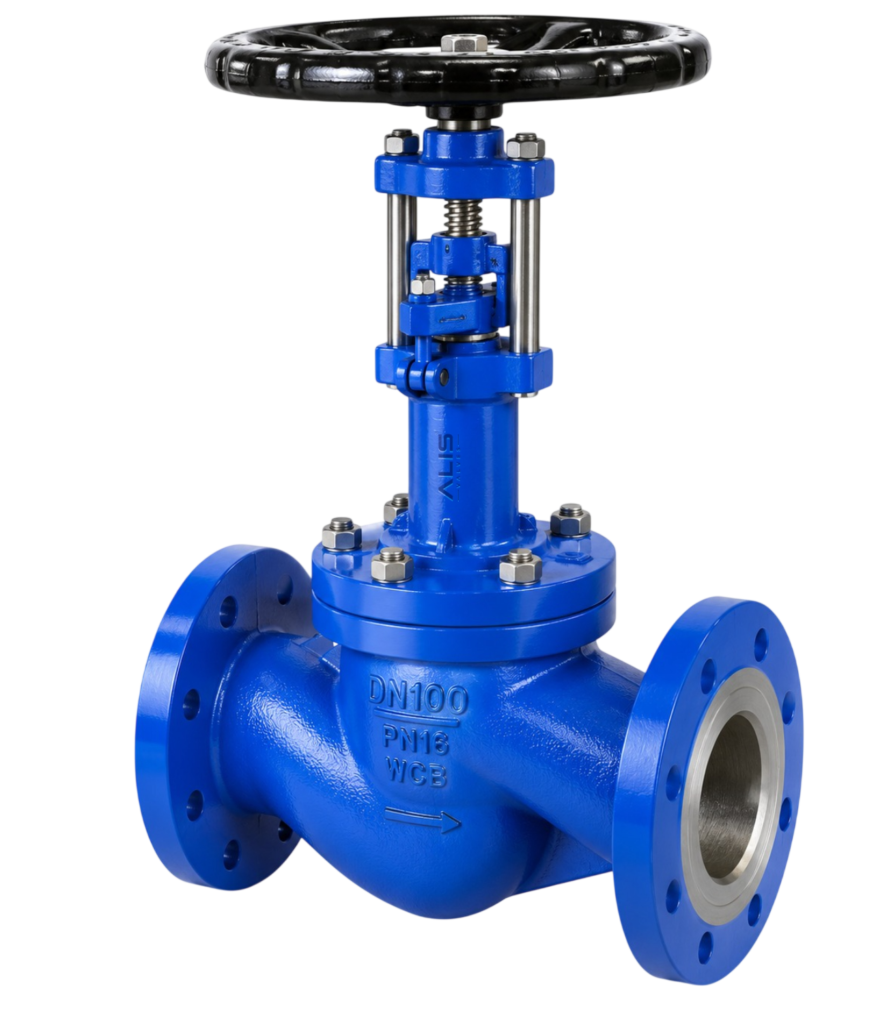
Bellows Sealed Globe Valve is a linear-motion valve designed for reliable flow isolation and regulation in industrial piping systems where minimizing stem leakage and fugitive emissions is important. Unlike a conventional packed globe valve, the valve uses a metal bellows assembly as the primary stem sealing barrier, separating the process fluid from the external atmosphere. ALIS Valves is a Bellows Sealed Globe Valve Manufacturer and Supplier in India, offering valve solutions for demanding industrial applications. The valve combines the throttling capability of a globe valve with a bellows-based stem sealing arrangement. It is commonly considered for applications involving steam, thermal oil, hazardous chemicals, toxic fluids, hydrocarbons and other process media where conventional packing leakage needs to be minimized.
Size Range
DN15 to DN400 (1/2" to 16")
Nominal Pressure
PN10 / PN16 / PN25 / PN40
Bellows Material
SS304 / SS316 / SS316L / SS316Ti
Seat Type
Metal Seat / Hard-Faced Seat
Installation
Horizontal / Vertical piping as permitted by design
Pressure Rating
Class 150 / 300 / 600 / 900 / 1500
Body Materials
WCB, LCB, CF8, CF8M, CF3, CF3M and others
Disc Material
SS / alloy steel / hard-faced trim
End Connection
Flanged / Butt Weld / Socket Weld
Engineered valve solutions tailored for critical Cement operating processes.
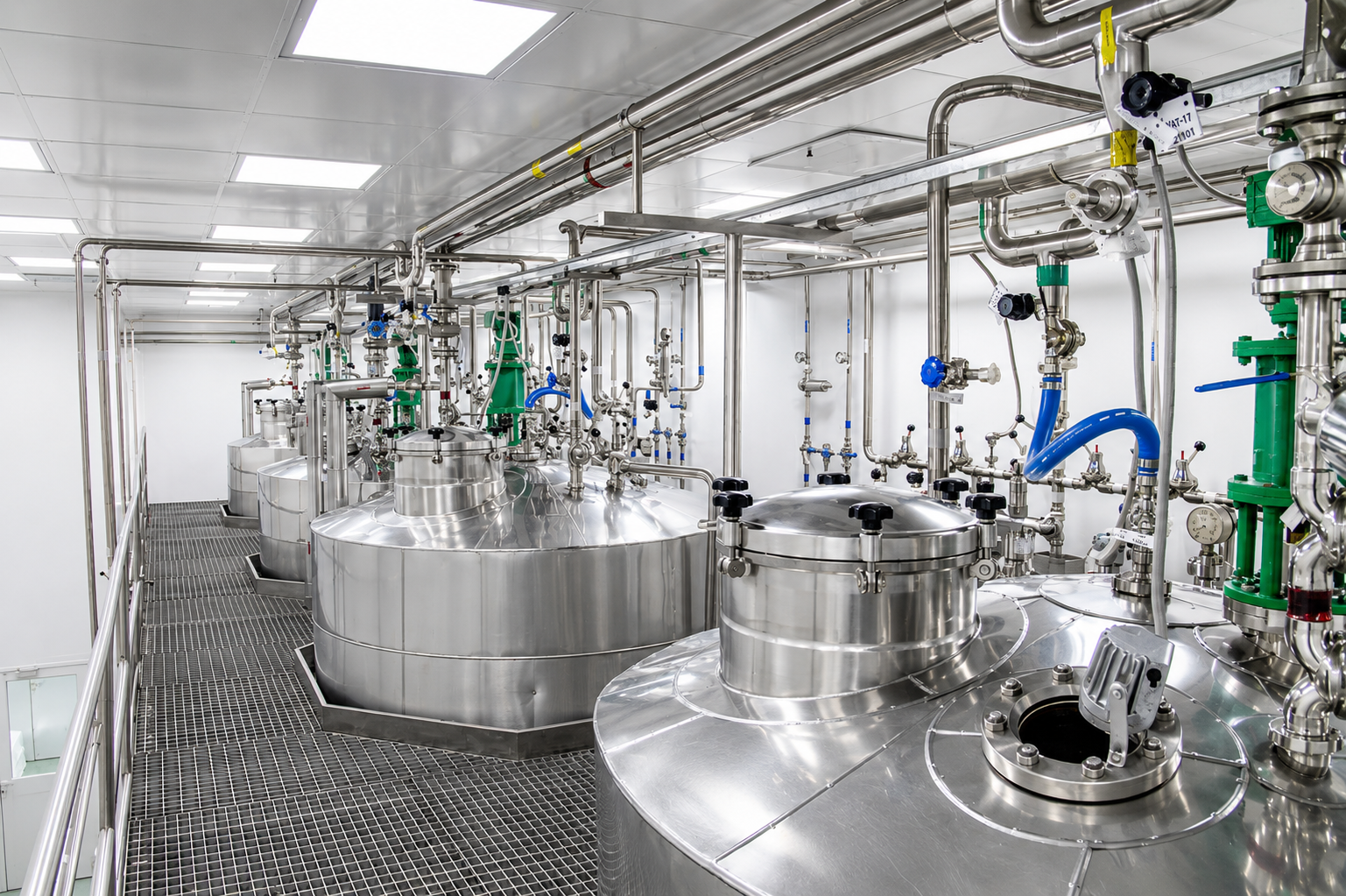
Engineered valve solutions tailored for critical Chemical operating processes.

Engineered valve solutions tailored for critical Data centres operating processes.

Engineered valve solutions tailored for critical Fertilizer operating processes.

High-performance flow automation engineered for Ammonia operations.
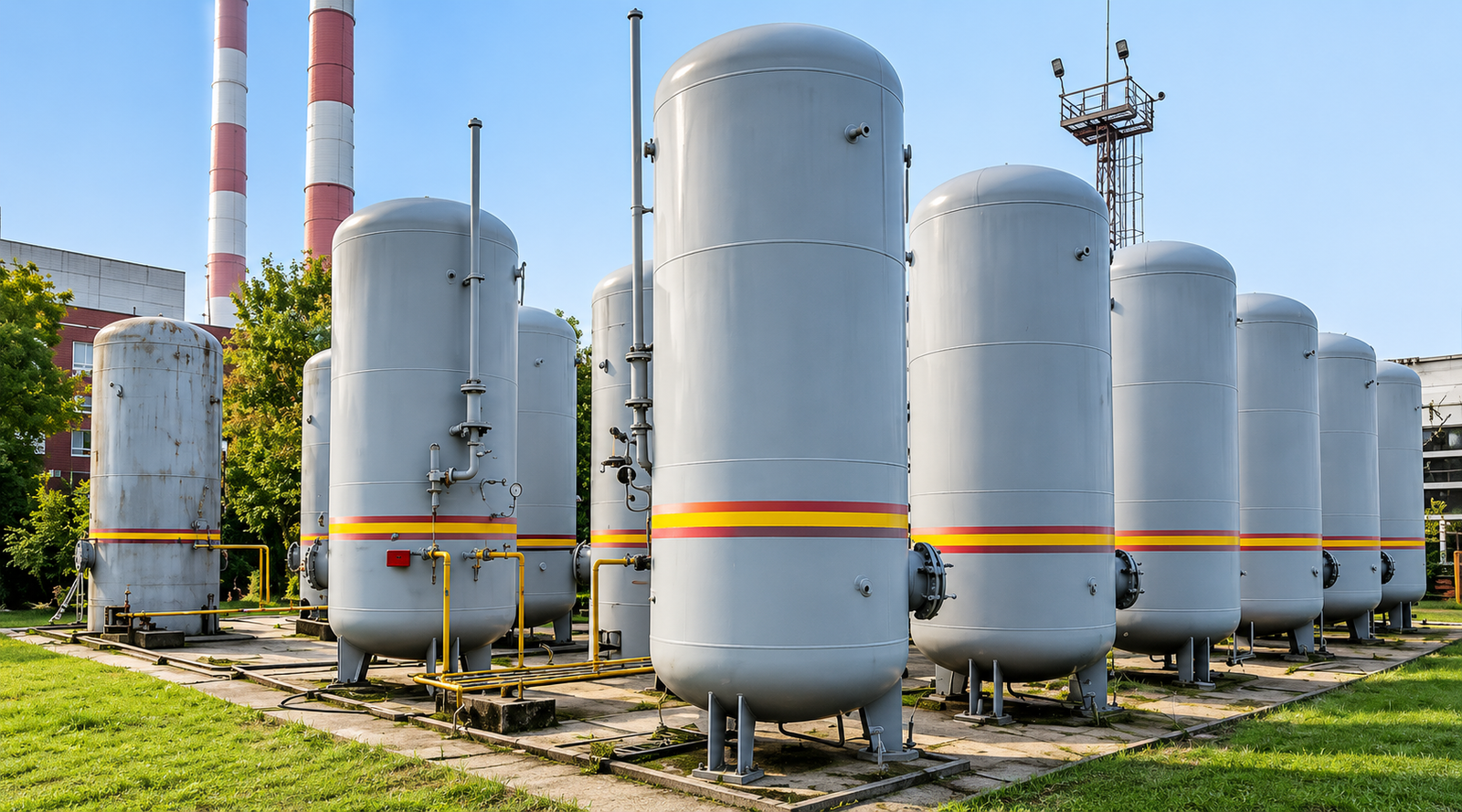
High-performance flow automation engineered for CO₂ operations.
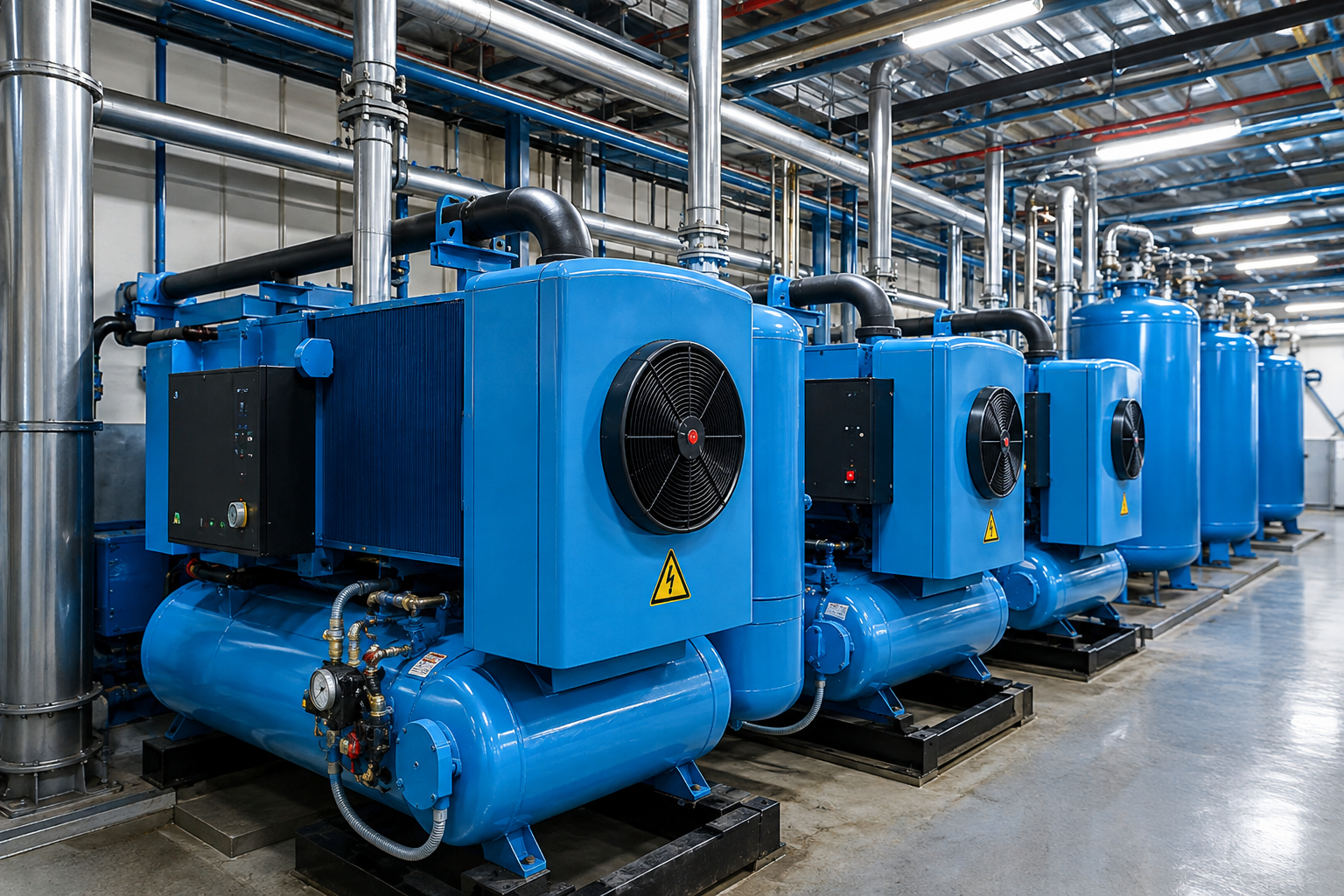
High-performance flow automation engineered for Compressed Air operations.
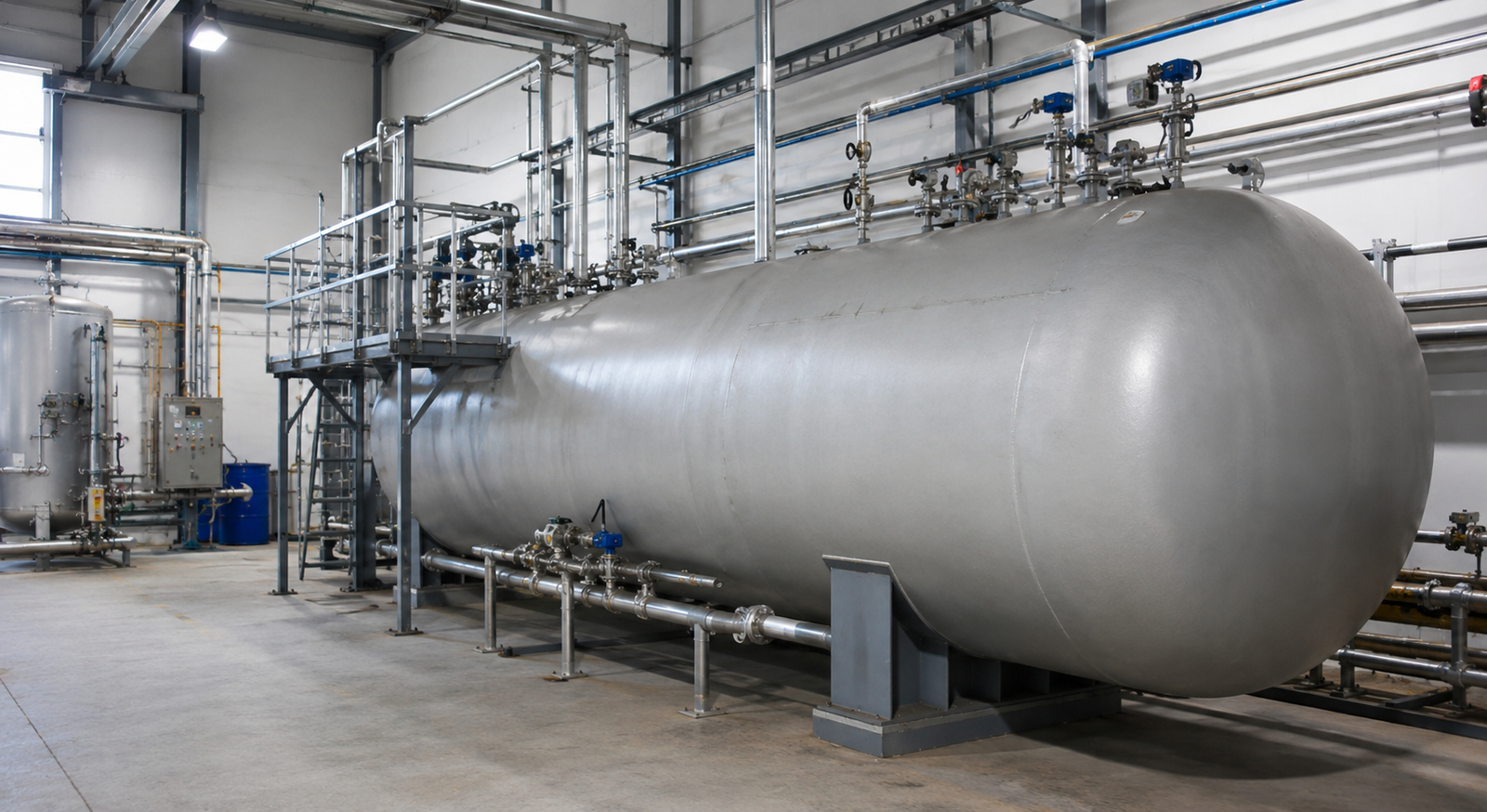
High-performance flow automation engineered for Cryogenic operations.
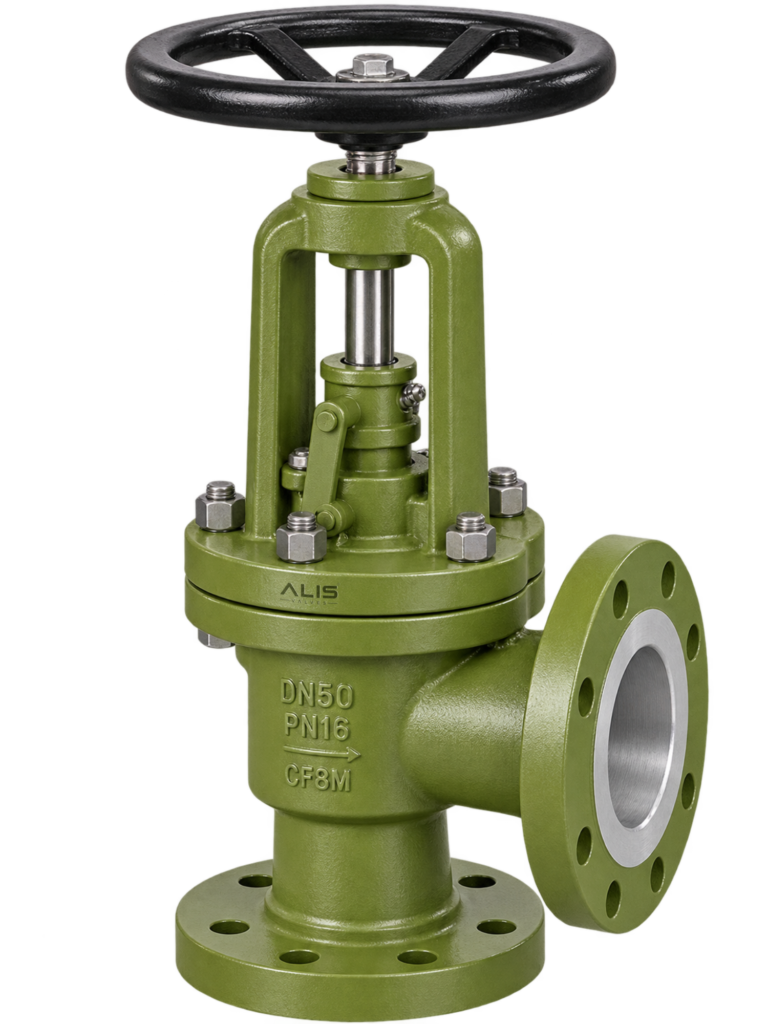
Alis Valves offers high-performance Angle Type Globe Valves designed for applications where…
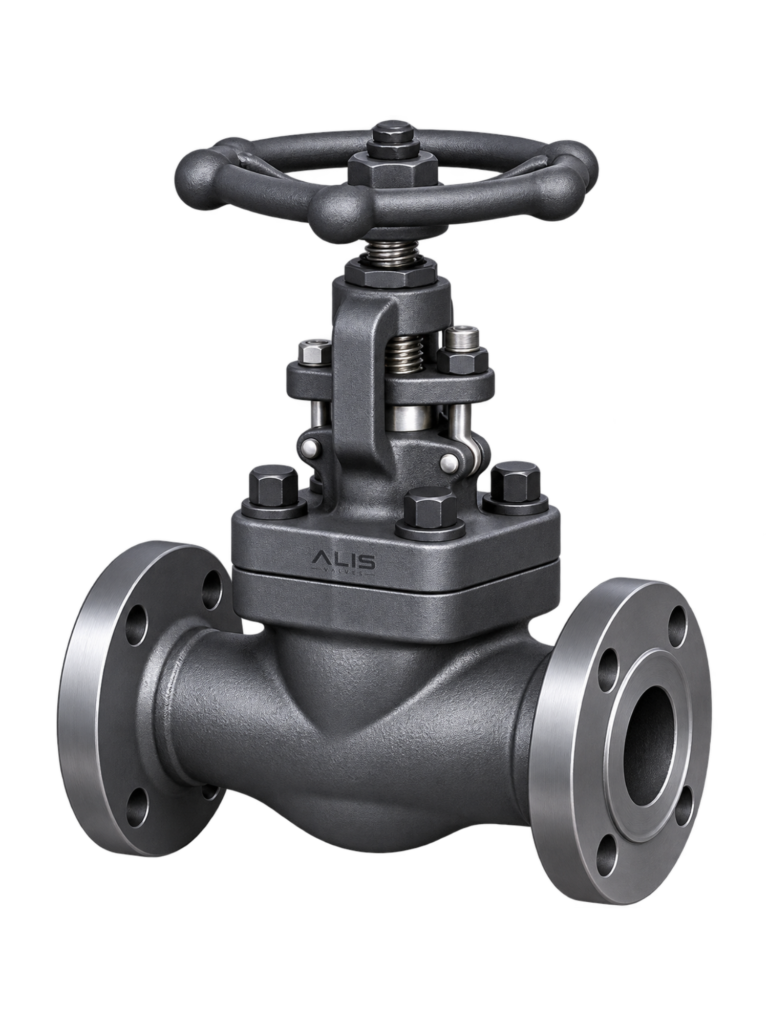
Alis Valves is an Forged Steel Globe Valve Manufacturer, Supplier in India…
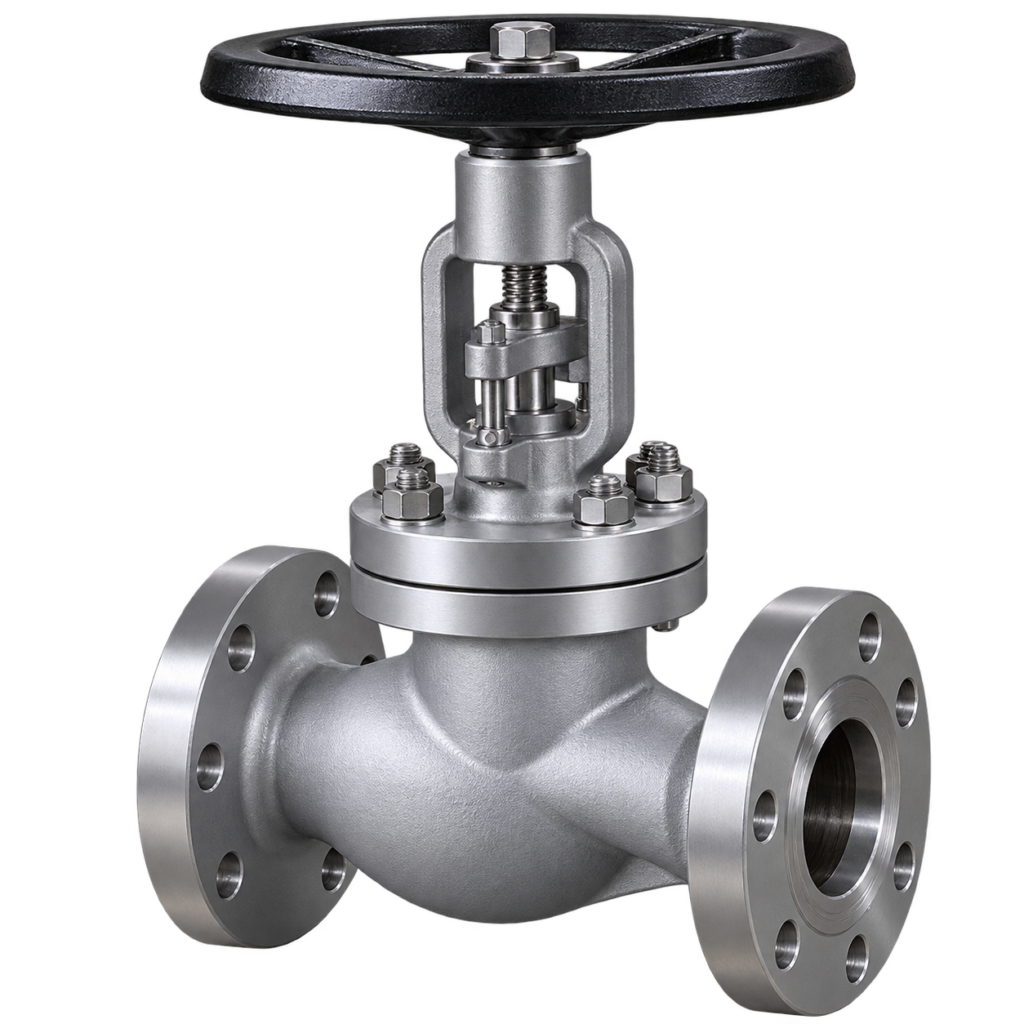
Alis Valves is a trusted High Pressure Globe Control Valve Manufacturer &…
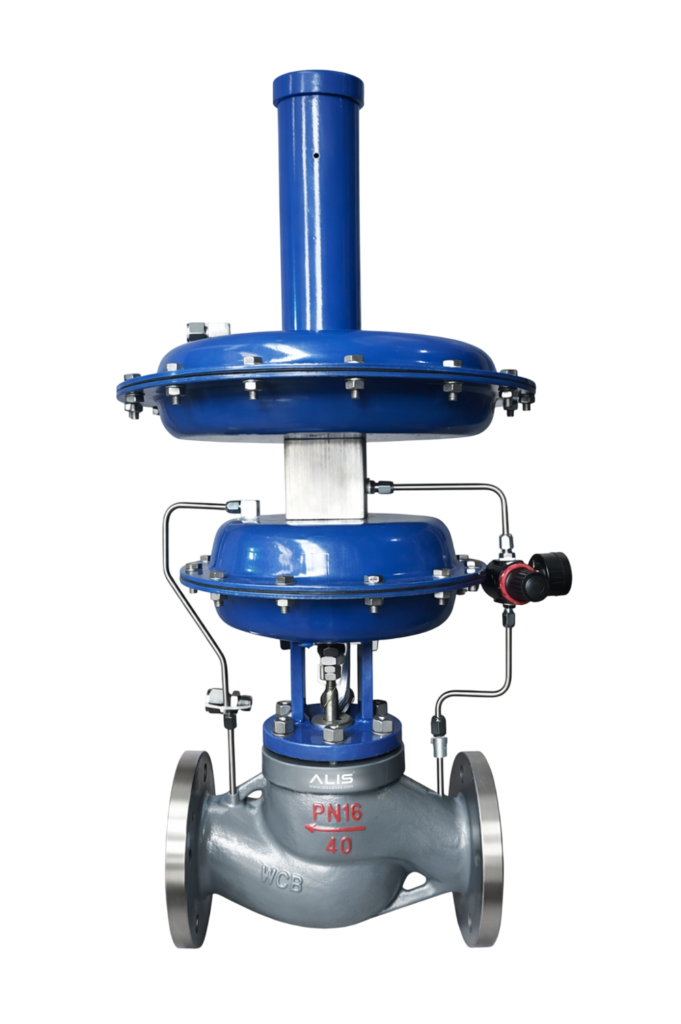
ALIS Valves is a leading Pneumatic Diaphragm Globe Control Valve Manufacturer &…