
Cement
Engineered valve solutions tailored for critical Cement operating processes.

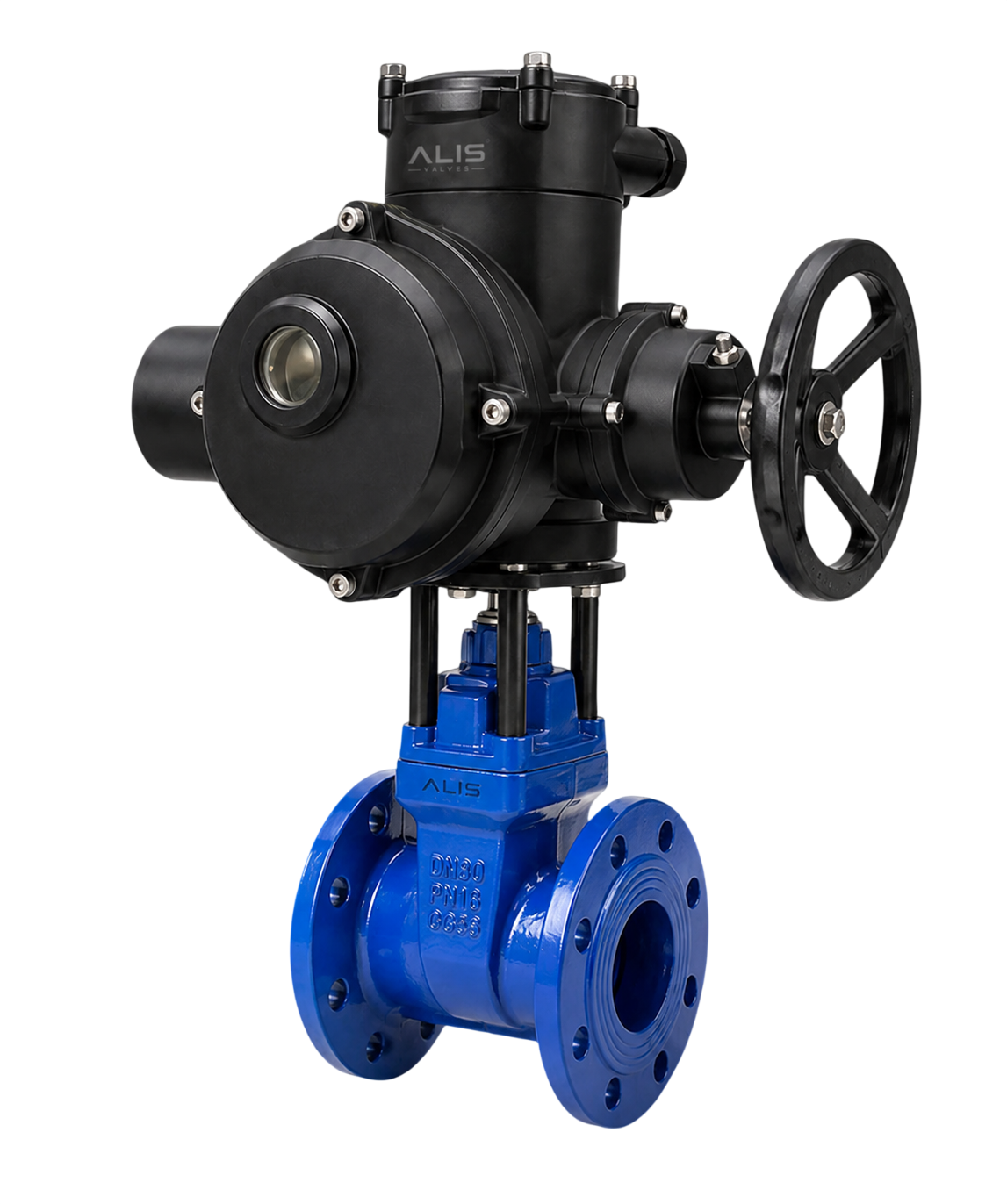
ALIS Valves is an Electric Resilient Seated Gate Valve Manufacturer in India, offering electrically actuated resilient seated gate valves designed for automated flow isolation in water distribution networks, water treatment plants and industrial pipeline systems. These valves combine a resilient-seated gate valve with an electric actuator to provide reliable remote-controlled opening and closing. The elastomer-coated wedge ensures tight shut-off, while the electric actuator enables controlled operation through electrical control signals, making them suitable for automated pipeline installations and centralized process control systems.
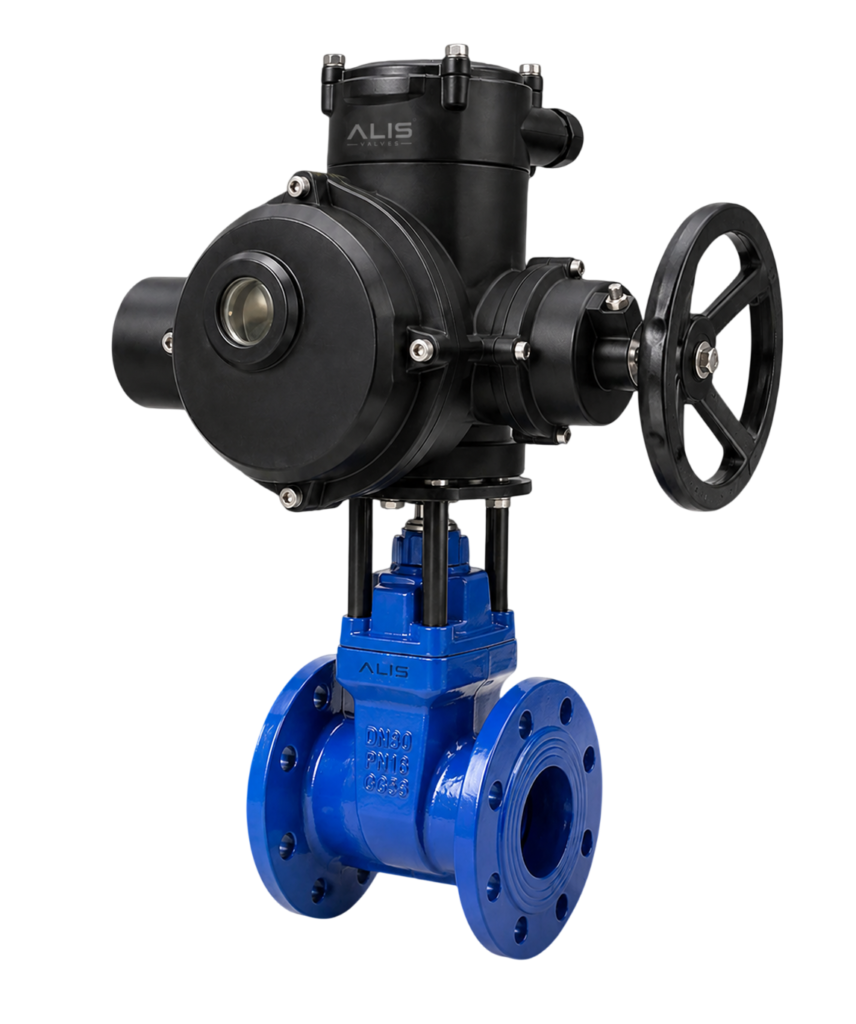
The Electric Resilient Seated Gate Valve is an electrically actuated isolation valve designed for reliable flow control in water supply networks, treatment plants and industrial pipeline systems. It combines a resilient-seated gate valve construction with an electric actuator, enabling automated opening and closing without requiring manual operation at the valve location.
Design and Construction
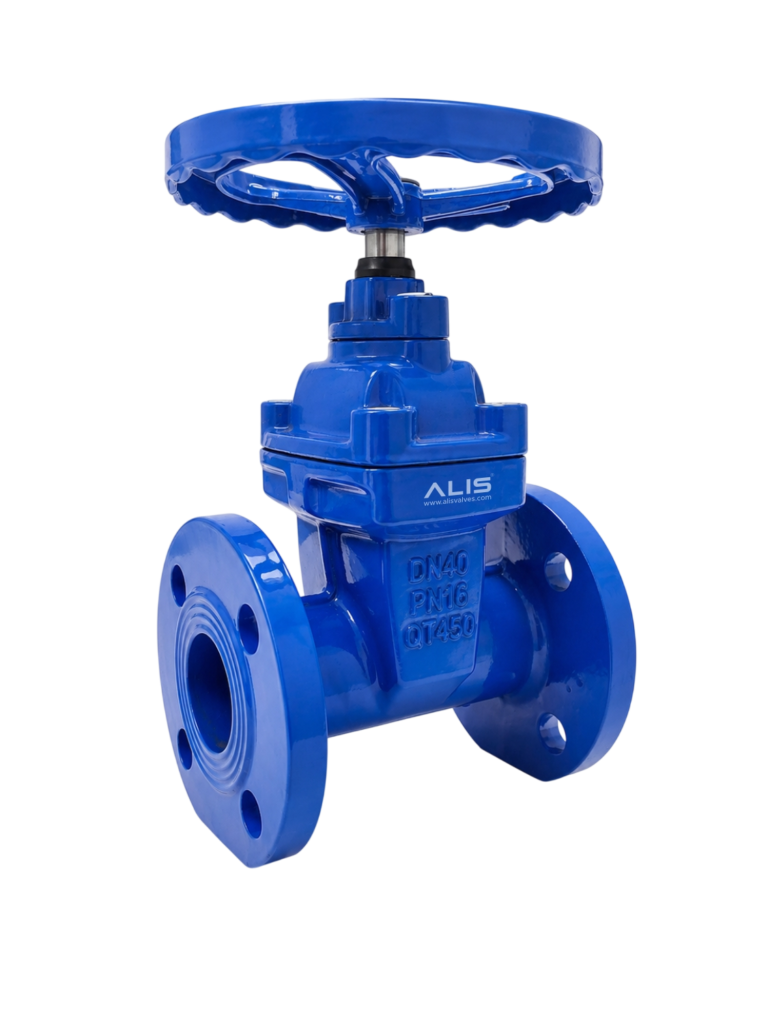
The valve generally consists of a ductile iron body, elastomer-coated wedge, stem assembly, bonnet and resilient sealing arrangement. The wedge moves vertically inside the valve body to establish or interrupt the flow passage.
In the fully open position, the wedge retracts from the flow passage, allowing fluid to pass through the valve with minimal obstruction. During closing, the wedge moves downwards and engages with the resilient seating surfaces to provide a tight shut-off.
Electric Actuator Operation
The electric actuator converts electrical energy into mechanical output to operate the valve stem. Depending on the actuator configuration, the system can support remote opening and closing through electrical control circuits, local push-button controls or an automation system.
Actuator selection depends on valve operating torque or thrust, operating time, supply voltage, duty cycle and service conditions. Limit switches are generally used to indicate fully open and fully closed positions, while torque protection may be incorporated to prevent excessive operating loads.
Resilient Seating Arrangement
The resilient-seated wedge is generally coated with an elastomer such as EPDM or NBR, depending on the application. This sealing arrangement provides metal-to-elastomer contact between the wedge and valve body seating surfaces.
The resilient design is commonly selected for water applications requiring reliable shut-off and reduced leakage across the seating area. Seat material selection must consider water quality, temperature and chemical compatibility.
Flow Characteristics
A resilient-seated gate valve is primarily designed for fully open or fully closed service. When fully open, its unobstructed flow passage provides low flow resistance. Continuous throttling or prolonged partial-opening operation is generally not recommended because it may cause vibration, wear and damage to the resilient wedge coating.
Electric Actuator and Automation Integration
Depending on the selected actuator, the valve can be integrated with PLC, SCADA and industrial control systems. Available control arrangements may include open-close control, remote position indication, local operation and feedback signals.
The actuator’s electrical enclosure protection, control voltage, power supply and communication requirements should be verified according to the installation environment and project specifications.
Size Range
DN50 – DN600 (indicative)
Pressure Rating
PN10 / PN16 / PN25 (as designed)
Operating Temperature
Based on elastomer and valve design
Protection
IP-rated enclosure (as specified)
Body Material
Ductile Iron / Cast Iron
Wedge Coating
EPDM / NBR
Bonnet Material
Ductile Iron / Cast Iron
Actuator Supply
230V AC / 415V AC / 24V DC (as available)
Wedge Coating
EPDM / NBR
Position Indication
Open / Close Limit Switches
Seat Type
Resilient Seated
Engineered valve solutions tailored for critical Cement operating processes.
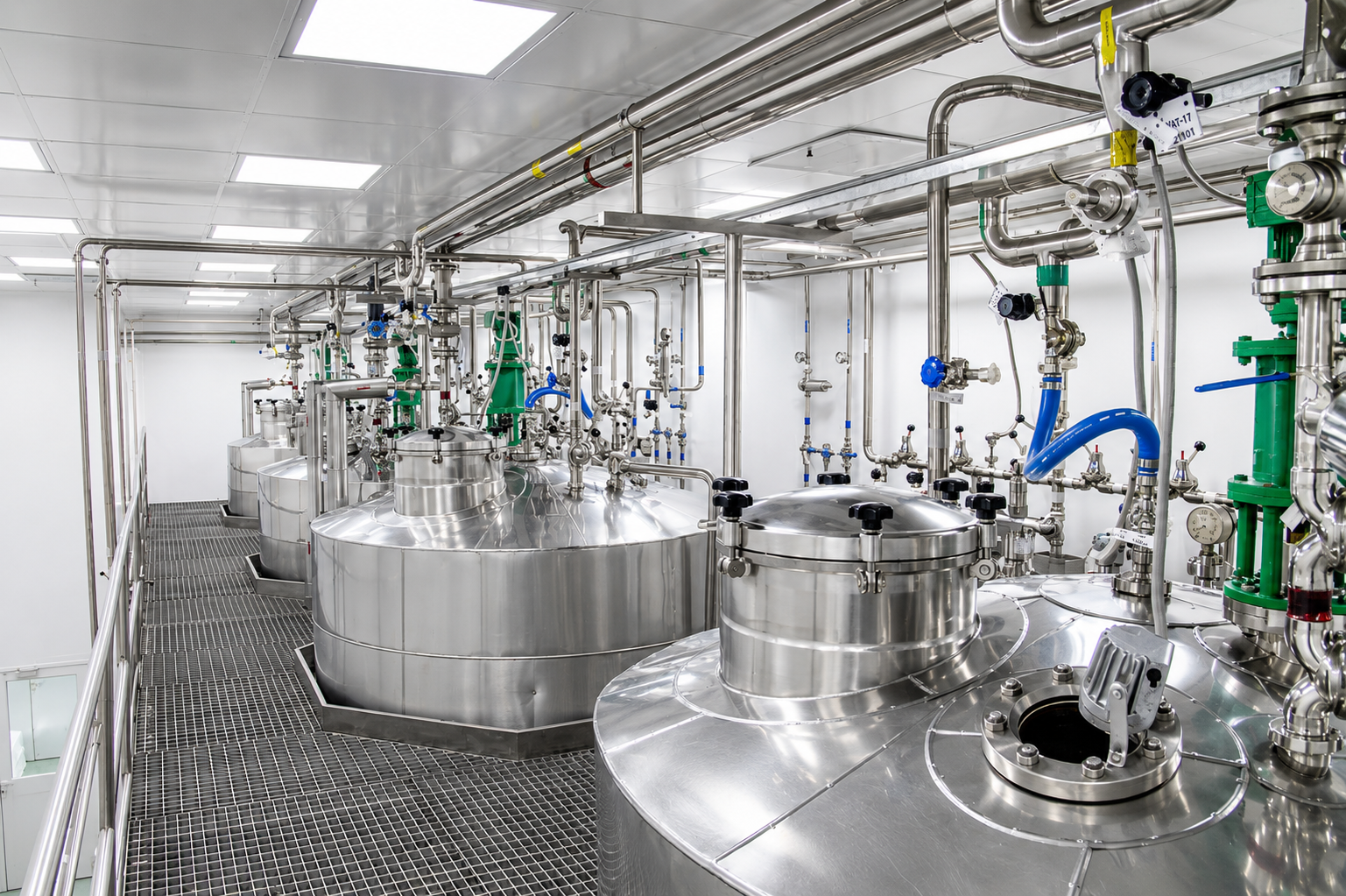
Engineered valve solutions tailored for critical Chemical operating processes.

Engineered valve solutions tailored for critical Data centres operating processes.

Engineered valve solutions tailored for critical Fertilizer operating processes.
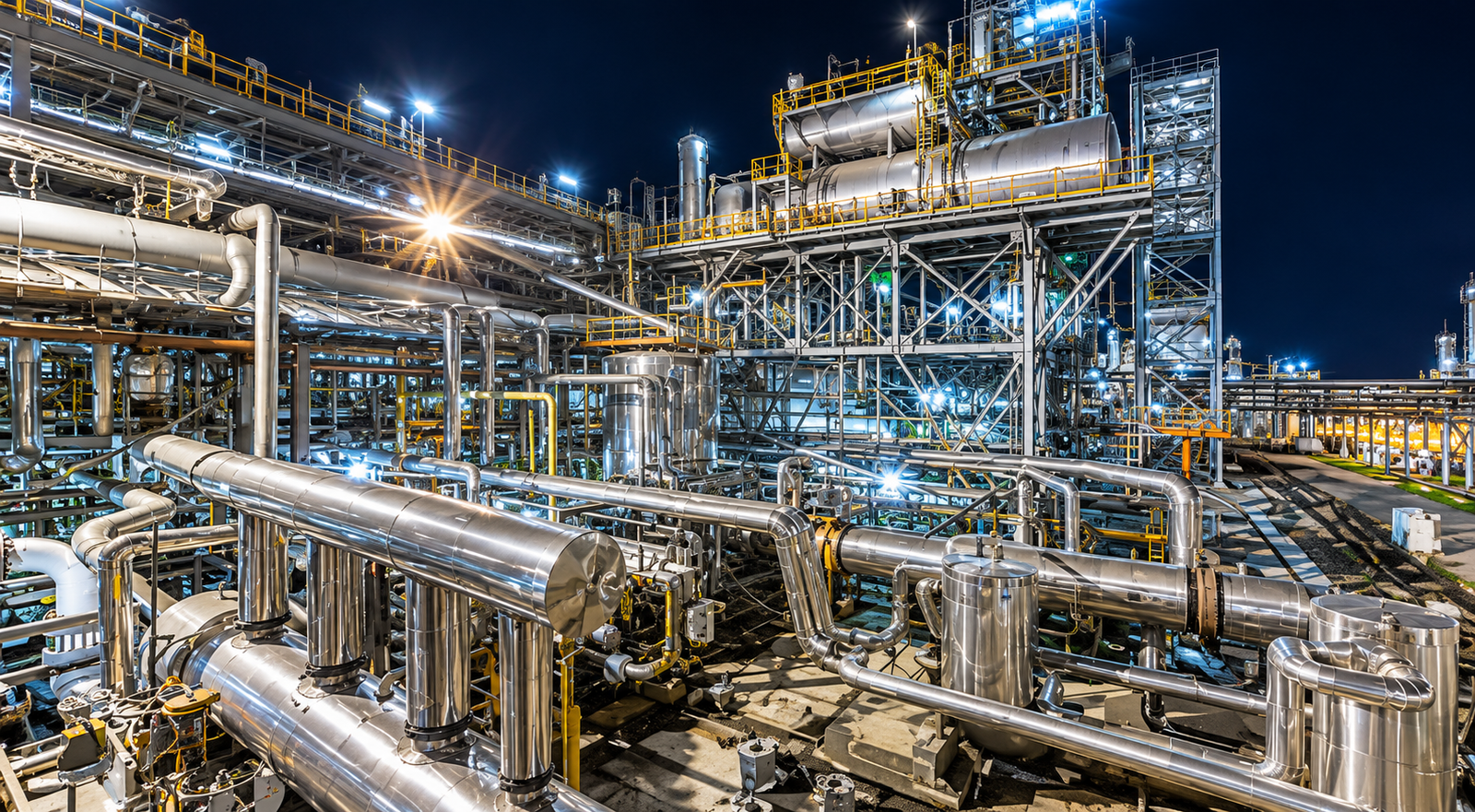
Industrial Valves for Ammonia Applications Industrial valves used in ammonia systems are selected according…
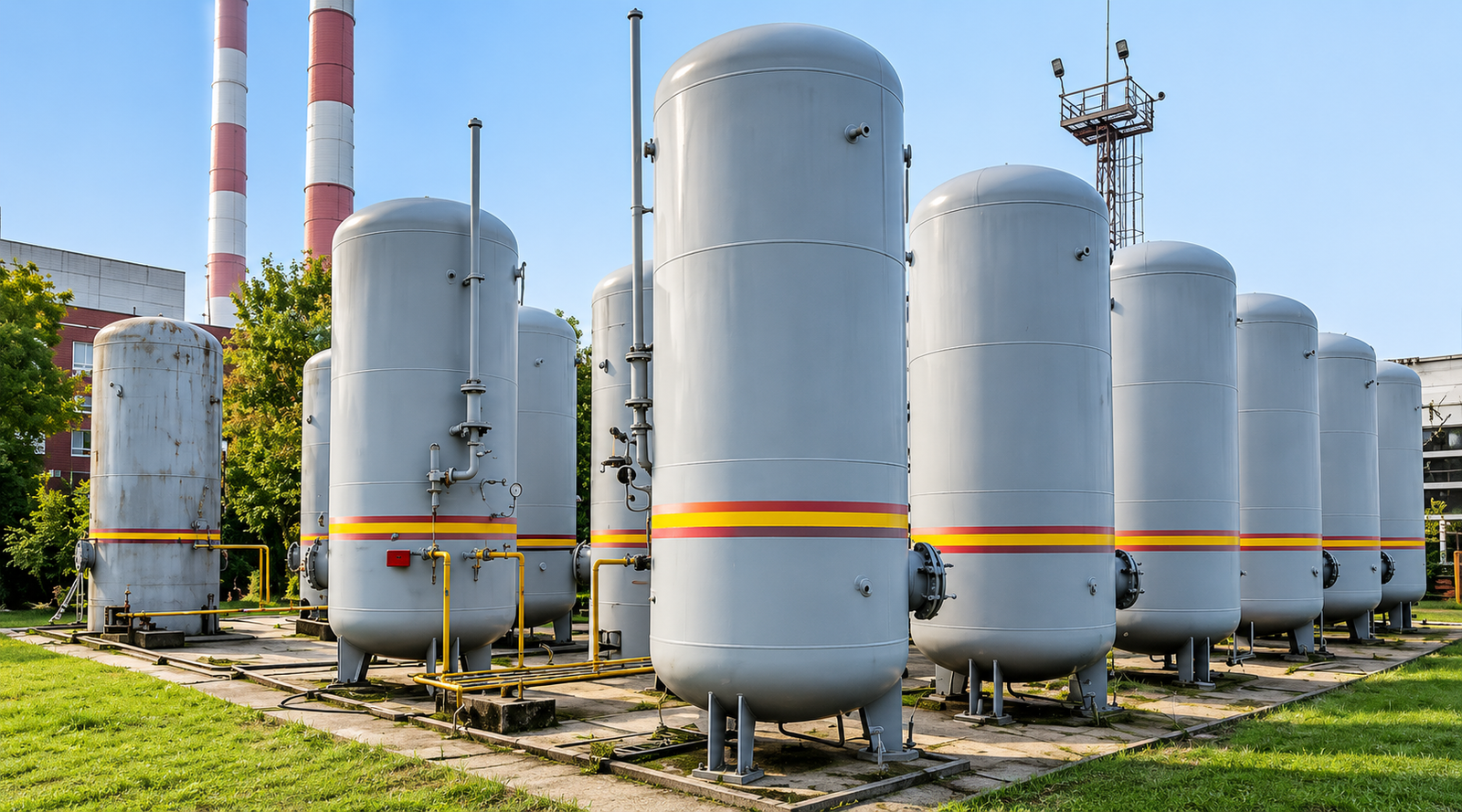
High-performance flow automation engineered for CO₂ operations.
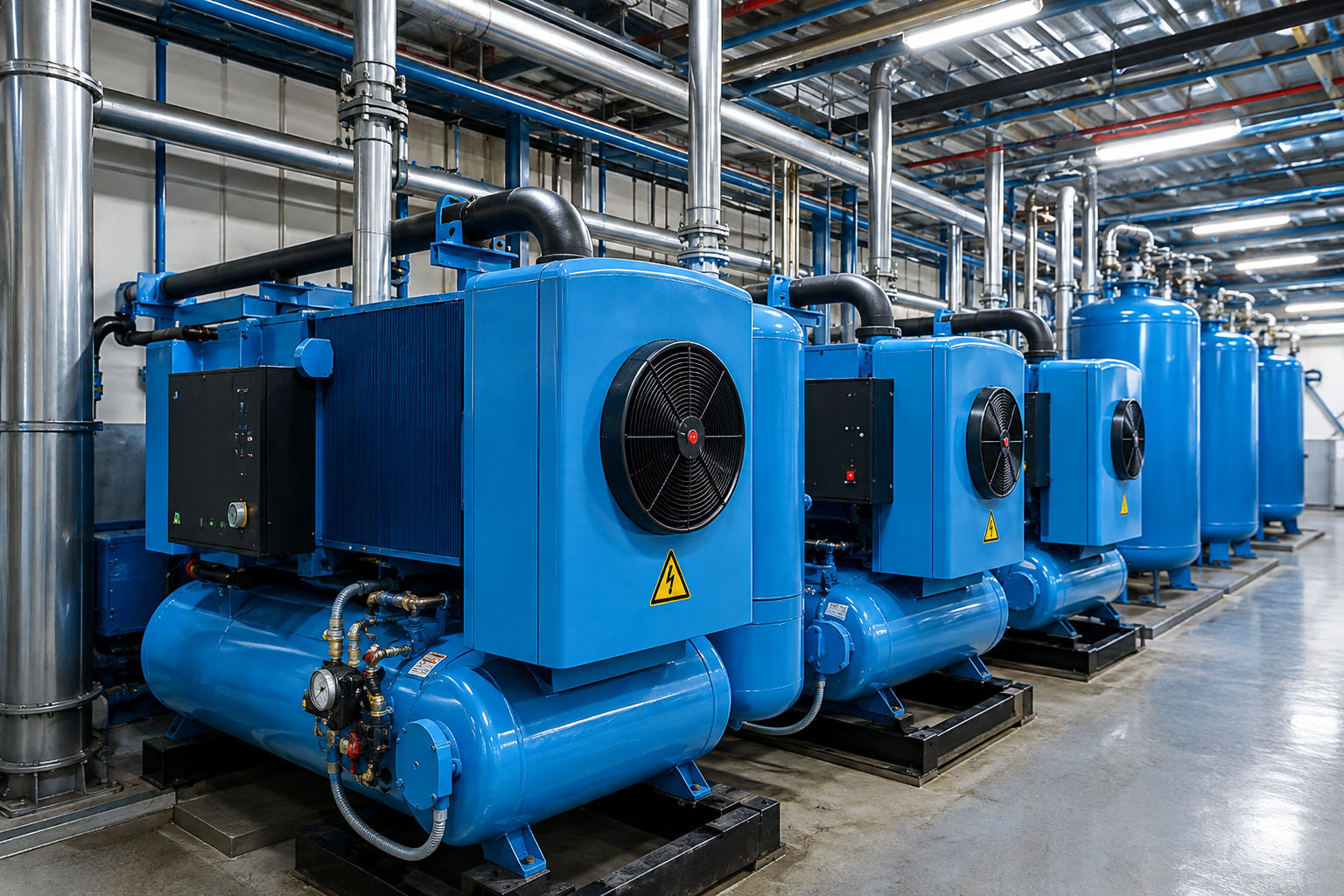
High-performance flow automation engineered for Compressed Air operations.
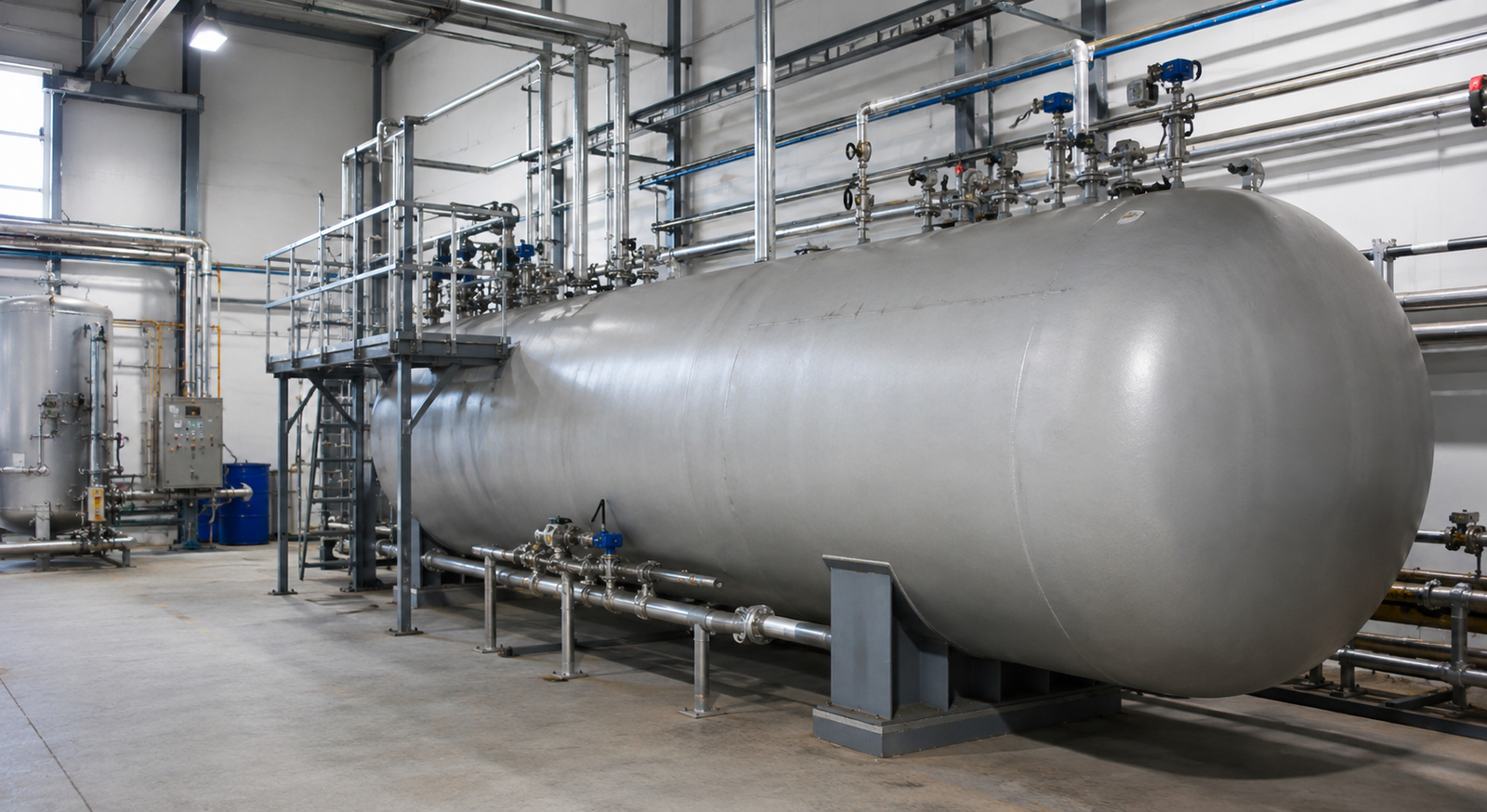
High-performance flow automation engineered for Cryogenic operations.
Electric Resilient Seated Gate Valve Product Brochure
ALIS Valves is a leading Resilient Seated Gate Valve Manufacturer & Supplier…
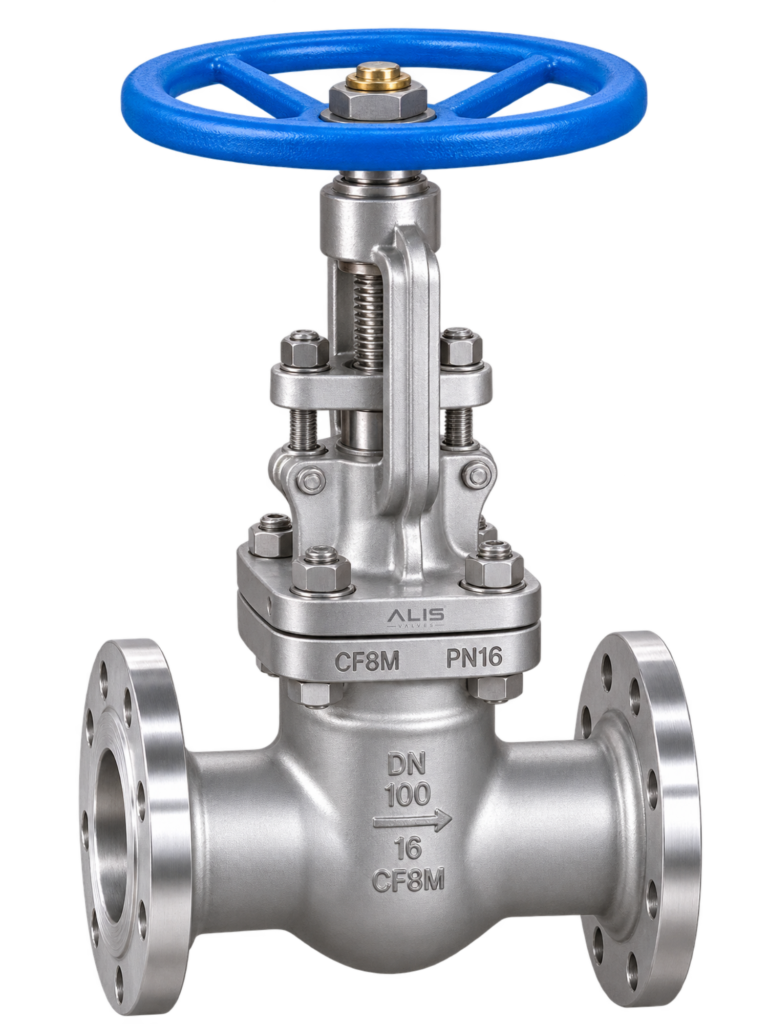
Alis Valves offers high-performance Metal Seated Gate Valves designed for demanding applications…
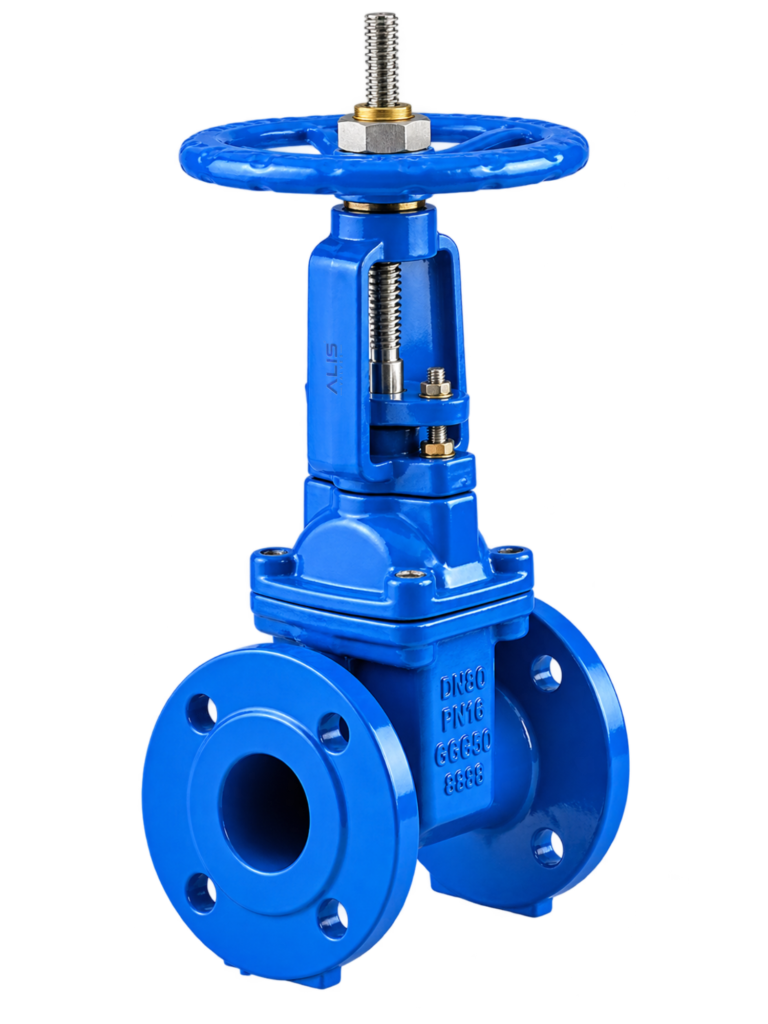
Alis Valves offers high-quality Rising Stem Gate Valves designed for reliable isolation…
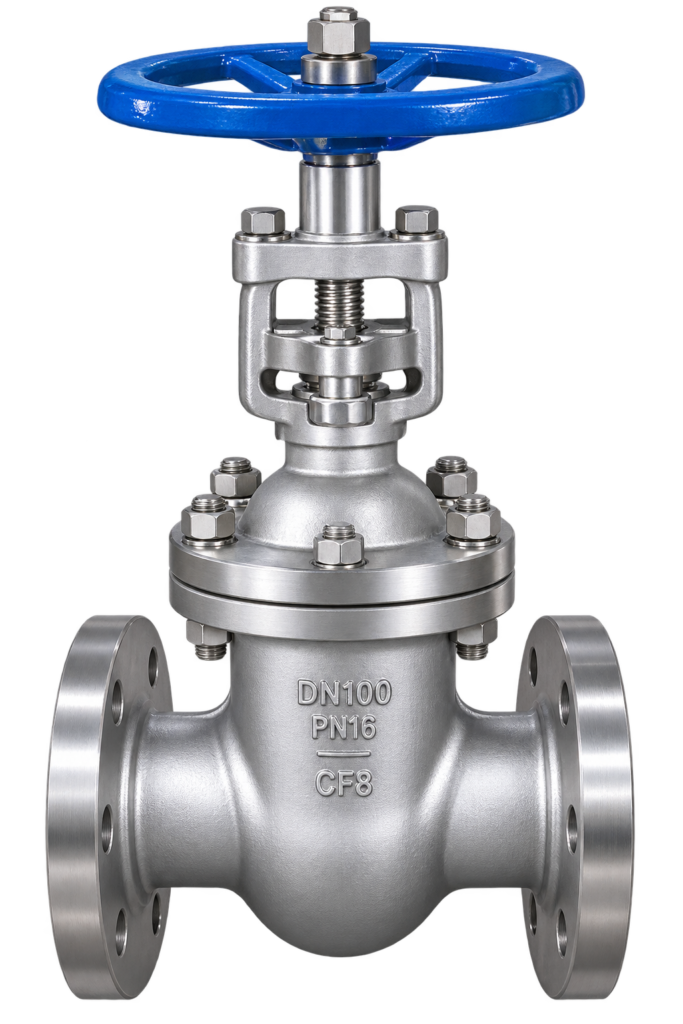
Alis Valves offers durable Non-Rising Stem Gate Valves designed for applications where…