
Cement
Engineered valve solutions tailored for critical Cement operating processes.

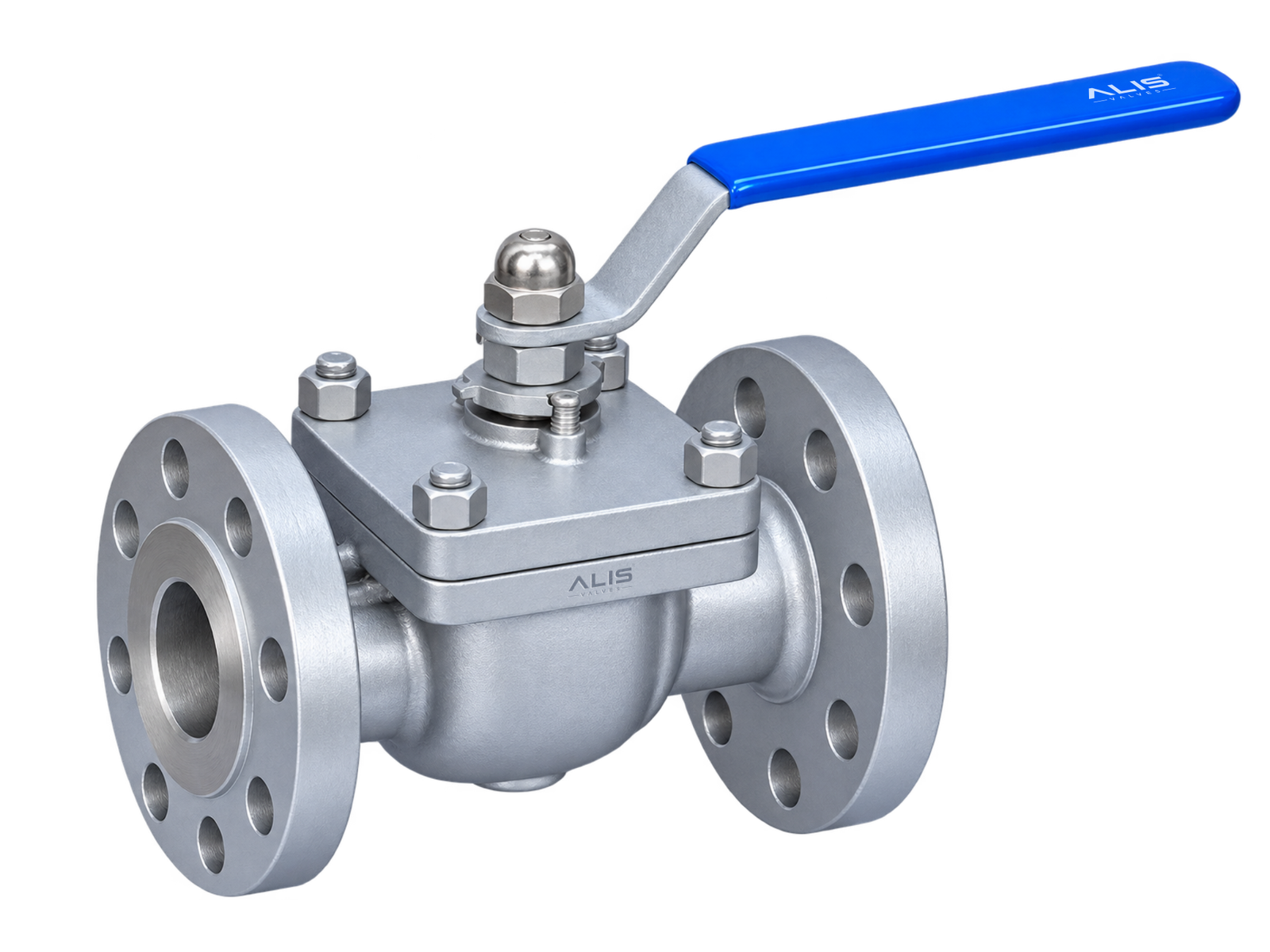
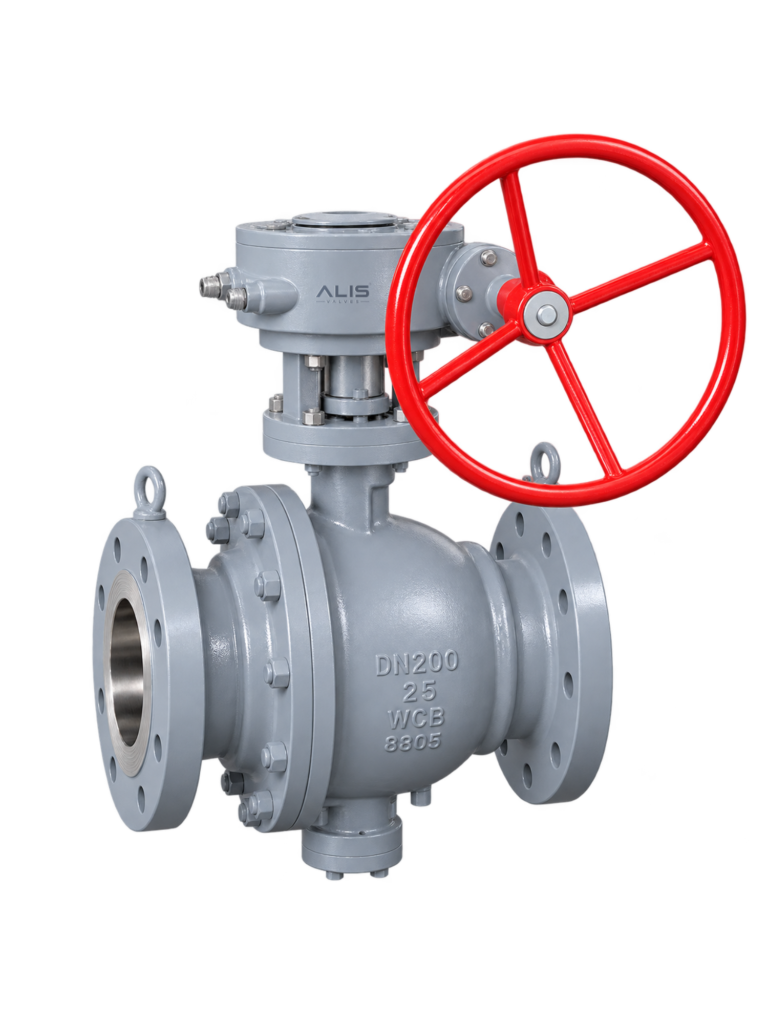
Alis Valves offers Floating Top Entry Ball Valve Manufacturer Supplier in India designed for reliable isolation and efficient flow control in industrial piping systems. The floating ball is not fixed to the stem and moves slightly under line pressure, pressing against the downstream seat to provide effective sealing. The top-entry construction allows inspection and maintenance of internal components from the top of the valve, reducing maintenance time and simplifying servicing without complete valve removal from the pipeline.
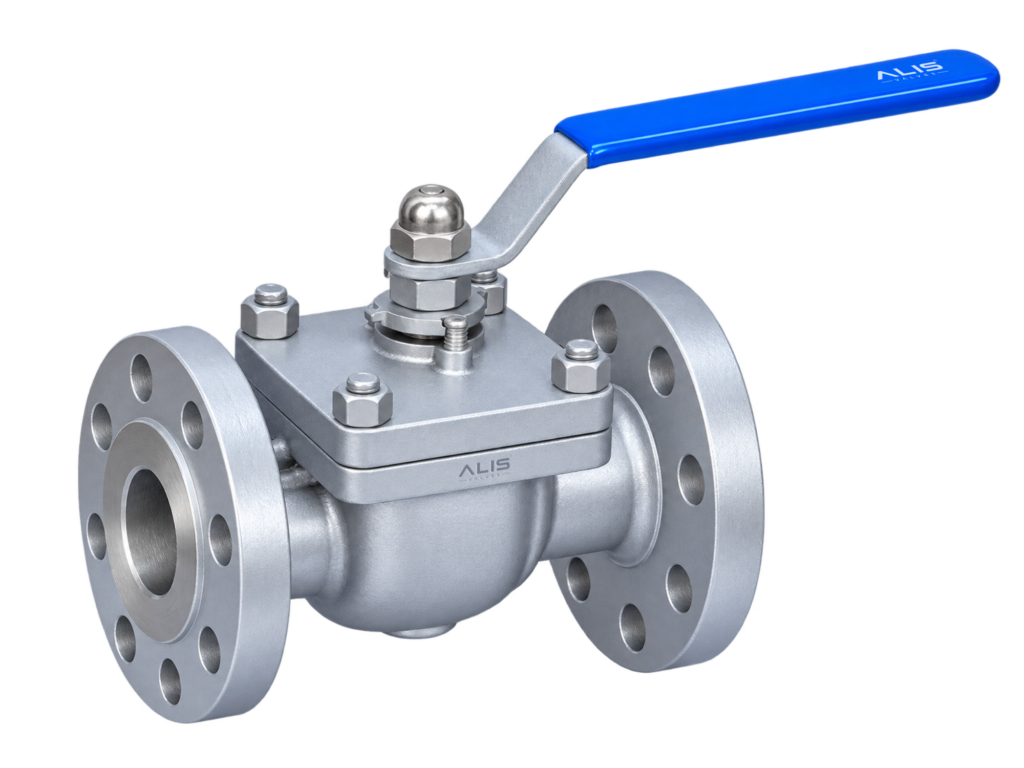
Alis Valves offers Floating Top Entry Ball Valve Manufacturer Supplier in India designed for reliable isolation and efficient flow control in industrial piping systems. The floating ball is not fixed to the stem and moves slightly under line pressure, pressing against the downstream seat to provide effective sealing. The top-entry construction allows inspection and maintenance of internal components from the top of the valve, reducing maintenance time and simplifying servicing without complete valve removal from the pipeline.
Size Range
DN 15 to DN 300
Pressure Rating
Class 150 to 600
Body Material
Carbon Steel / Stainless Steel / Alloy Steel
Ball Material
SS304 / SS316 / Alloy Steel
Seat Material
PTFE / RPTFE / PEEK
End Connection
Flanged / Butt Weld
Operation
Lever / Gear / Pneumatic / Electric
Temperature Range
-29°C to 250°C (Application Dependent)
Features
Fire Safe / Anti-Static Available
Engineered valve solutions tailored for critical Cement operating processes.
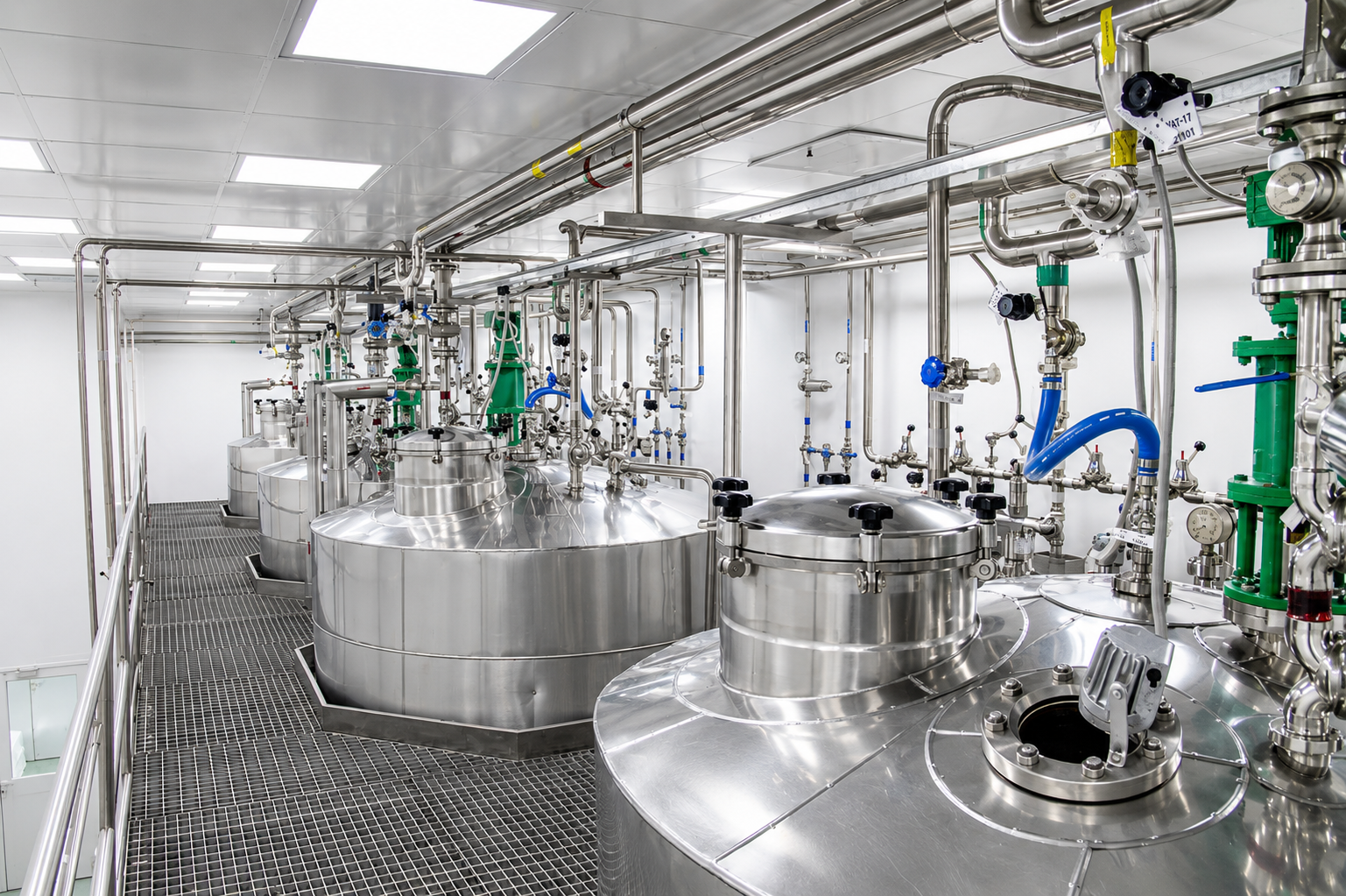
Engineered valve solutions tailored for critical Chemical operating processes.

Engineered valve solutions tailored for critical Data centres operating processes.

Engineered valve solutions tailored for critical Fertilizer operating processes.

High-performance flow automation engineered for Ammonia operations.
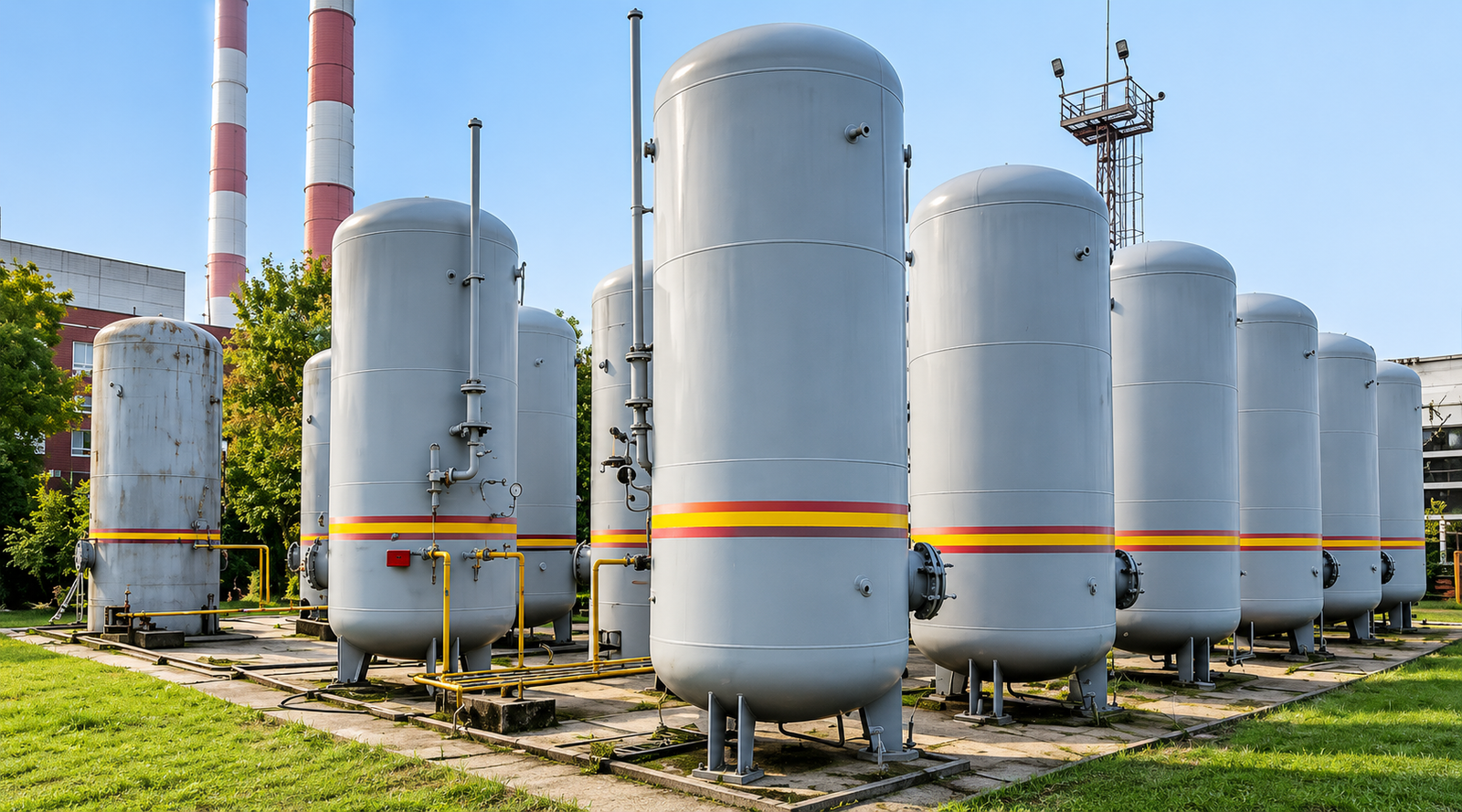
High-performance flow automation engineered for CO₂ operations.
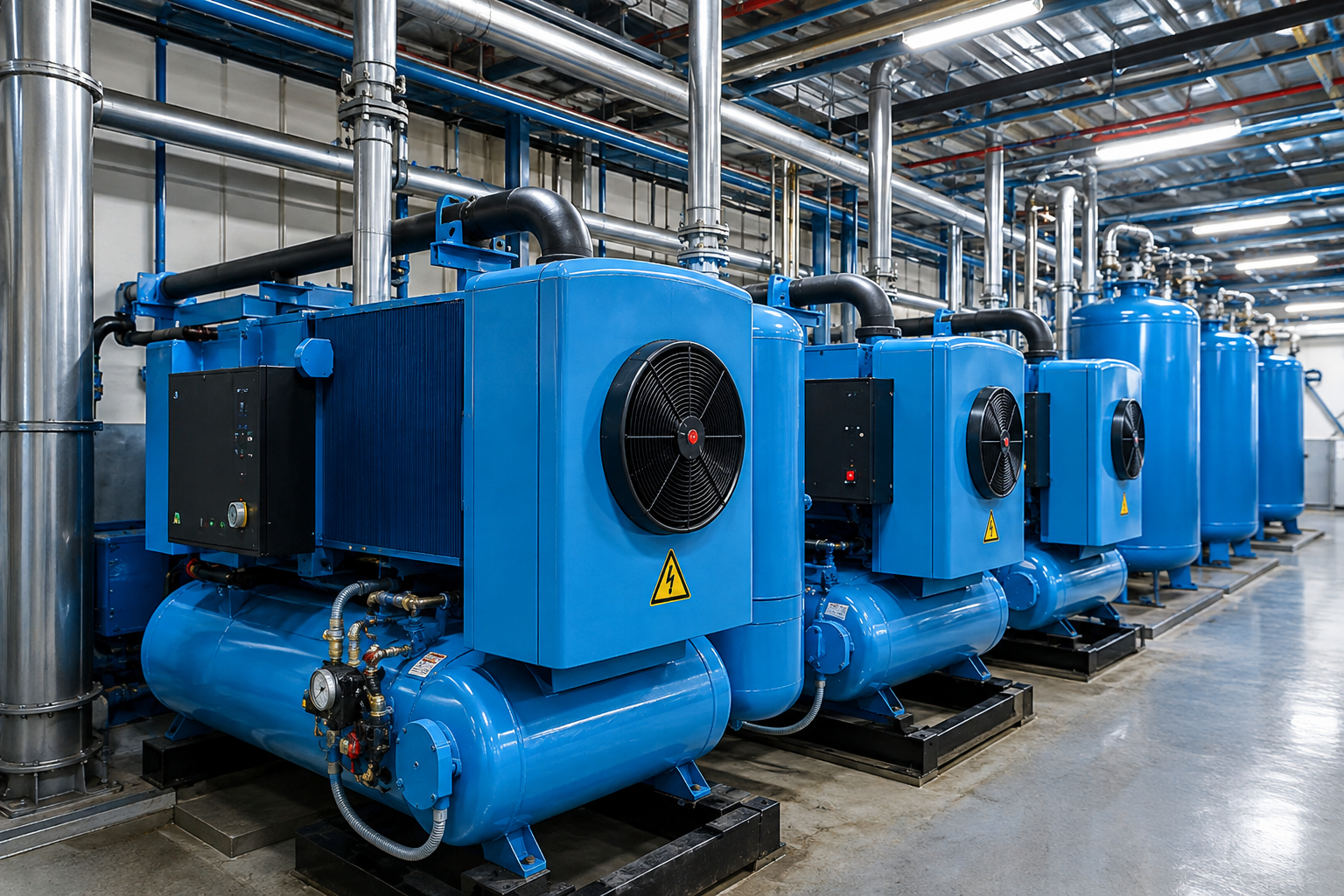
High-performance flow automation engineered for Compressed Air operations.
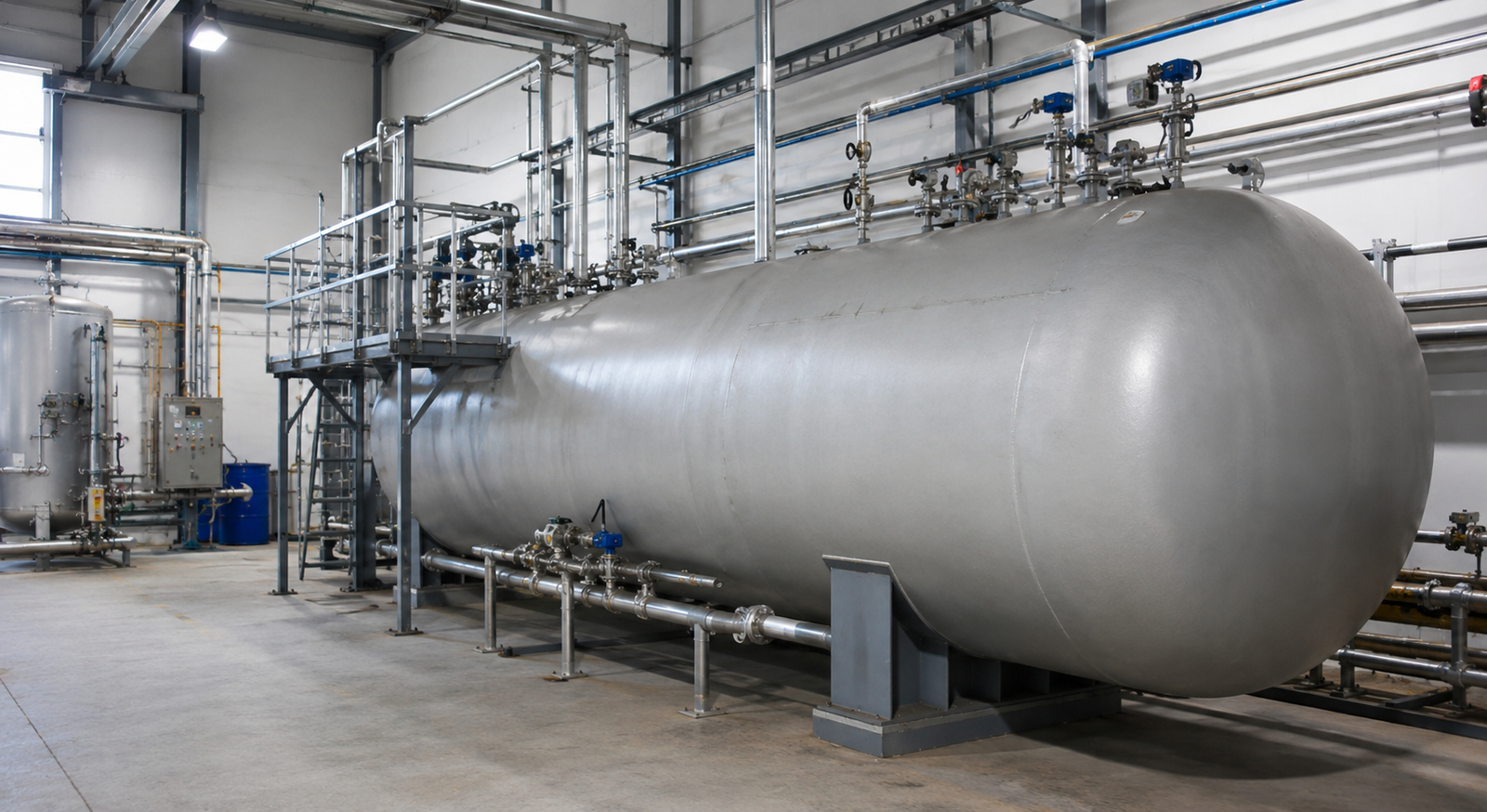
High-performance flow automation engineered for Cryogenic operations.
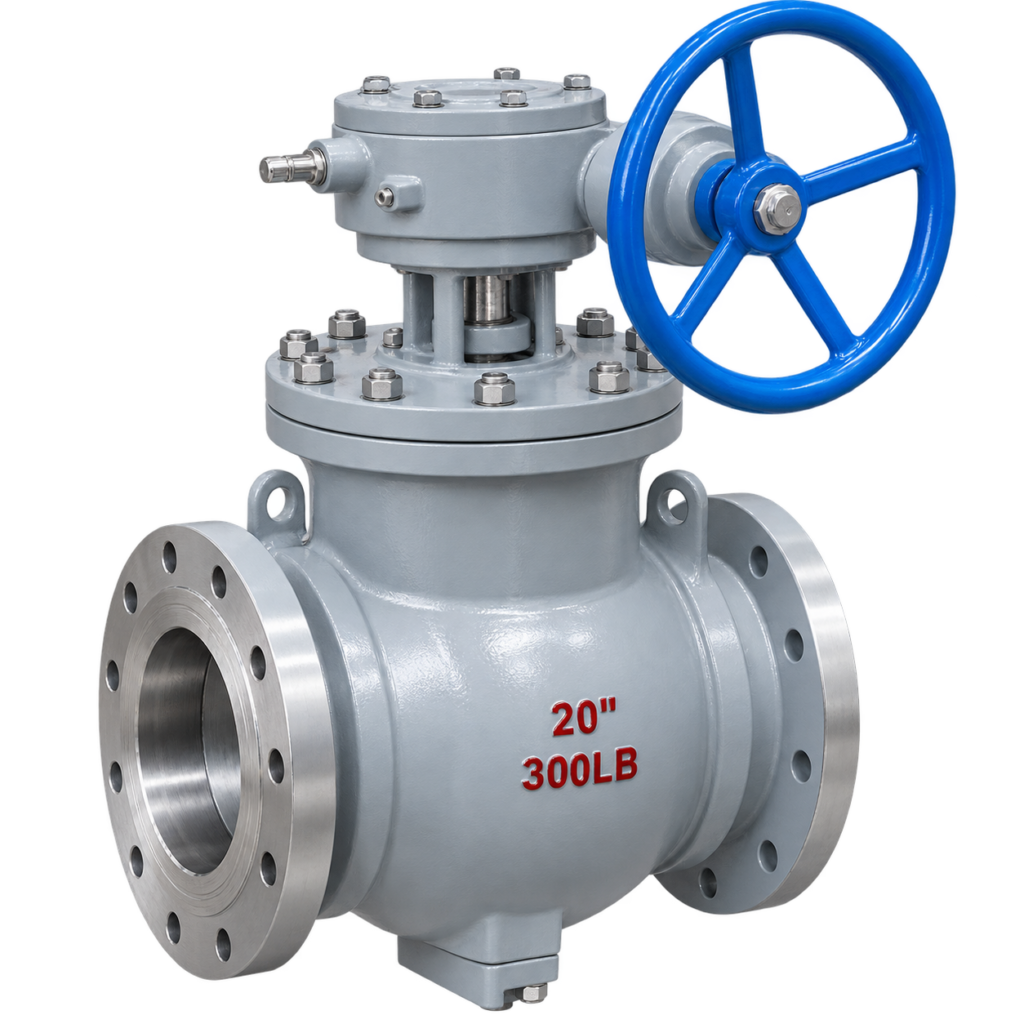
Alis Valves is a trusted Top Entry Trunnion Ball Valve Manufacturer &…
Alis Valves offers Floating Top Entry Ball Valve Manufacturer Supplier in India…
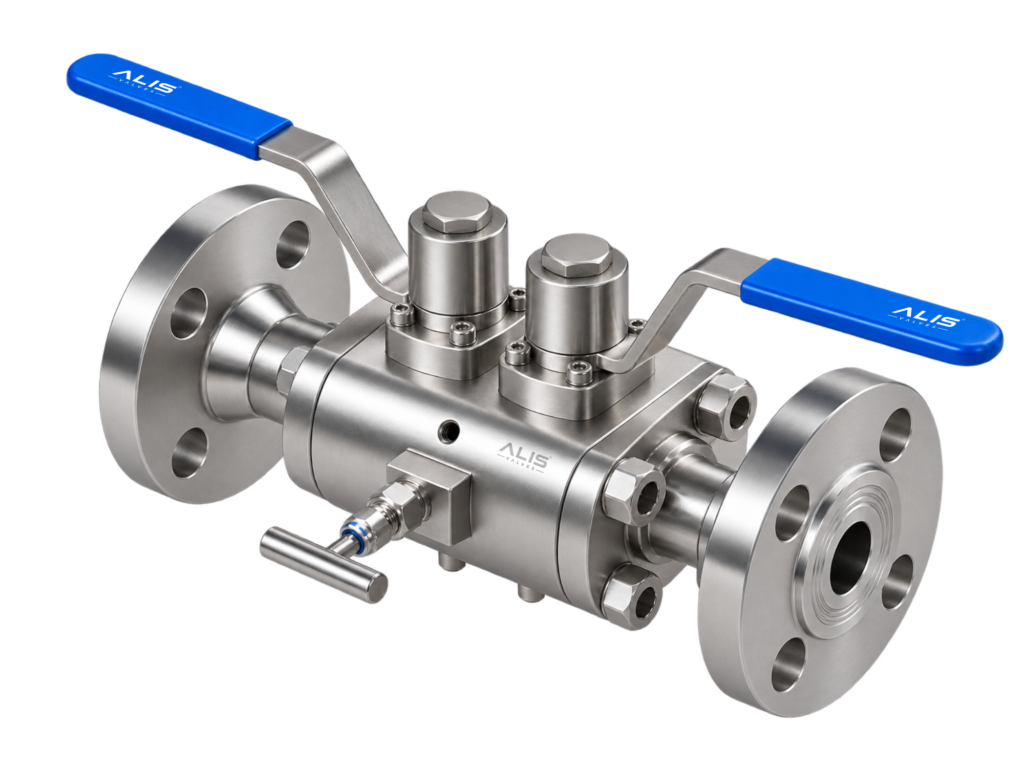
Alis Valves offers high-performance Ball Type Double Block and Bleed Valve Manufacturer…
Alis Valves is a trusted Side Entry Trunnion Ball Valve Manufacturer &…