
Cement
Engineered valve solutions tailored for critical Cement operating processes.

ALIS Valves is an Industrial Valve Gearbox Manufacturer & Supplier in India, offering mechanical gear operators designed to facilitate the manual opening and closing of valves requiring higher operating torque. Equipped with a handwheel and reduction gear mechanism, an industrial valve gearbox enables smooth and controlled valve operation with reduced manual effort. It is commonly used with butterfly valves and other compatible quarter-turn valves in industrial applications.
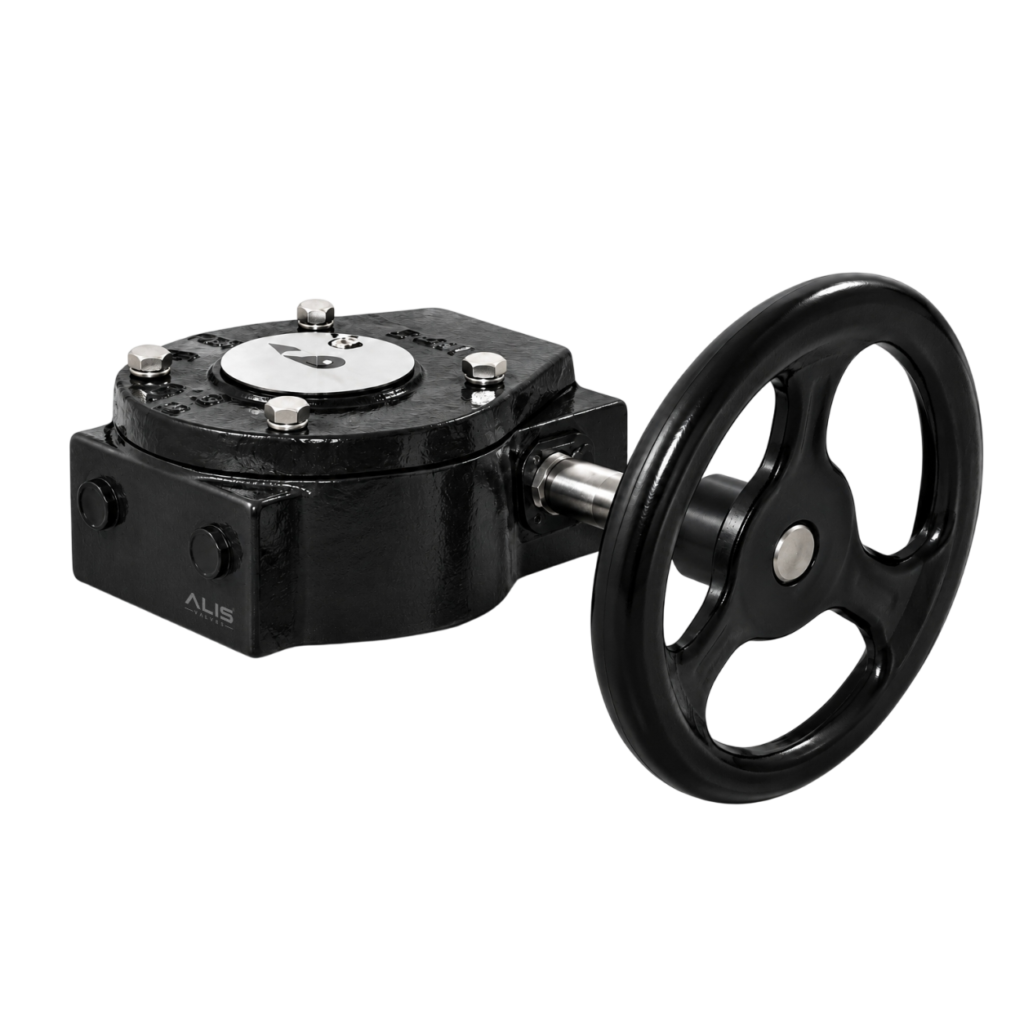
A valve gearbox is a mechanical operating device that transmits handwheel rotation to the valve stem through a gear reduction mechanism. It increases the available output torque and provides controlled operation, particularly for larger valves or applications where direct manual operation is difficult.
Worm gear operators are commonly used with butterfly valves and compatible quarter-turn ball valves. The gearbox is selected according to the valve’s required operating torque, mounting interface, rotation direction and operating conditions.
Operating Mechanism
Gear Reduction
Gear Type
Worm Gear, depending on model
Output
Rotary
Mounting Standard
EN ISO 5211, if applicable
Housing Material
Cast Iron / Ductile Iron, as per model
Protection Rating
IP rating to be confirmed from datasheet
Gear Material
Steel / Alloy Steel, as per design
Engineered valve solutions tailored for critical Cement operating processes.

Engineered valve solutions tailored for critical Chemical operating processes.

Engineered valve solutions tailored for critical Data centres operating processes.

Engineered valve solutions tailored for critical Fertilizer operating processes.

Industrial Valves for Ammonia Applications Industrial valves used in ammonia systems are selected according…

High-performance flow automation engineered for CO₂ operations.
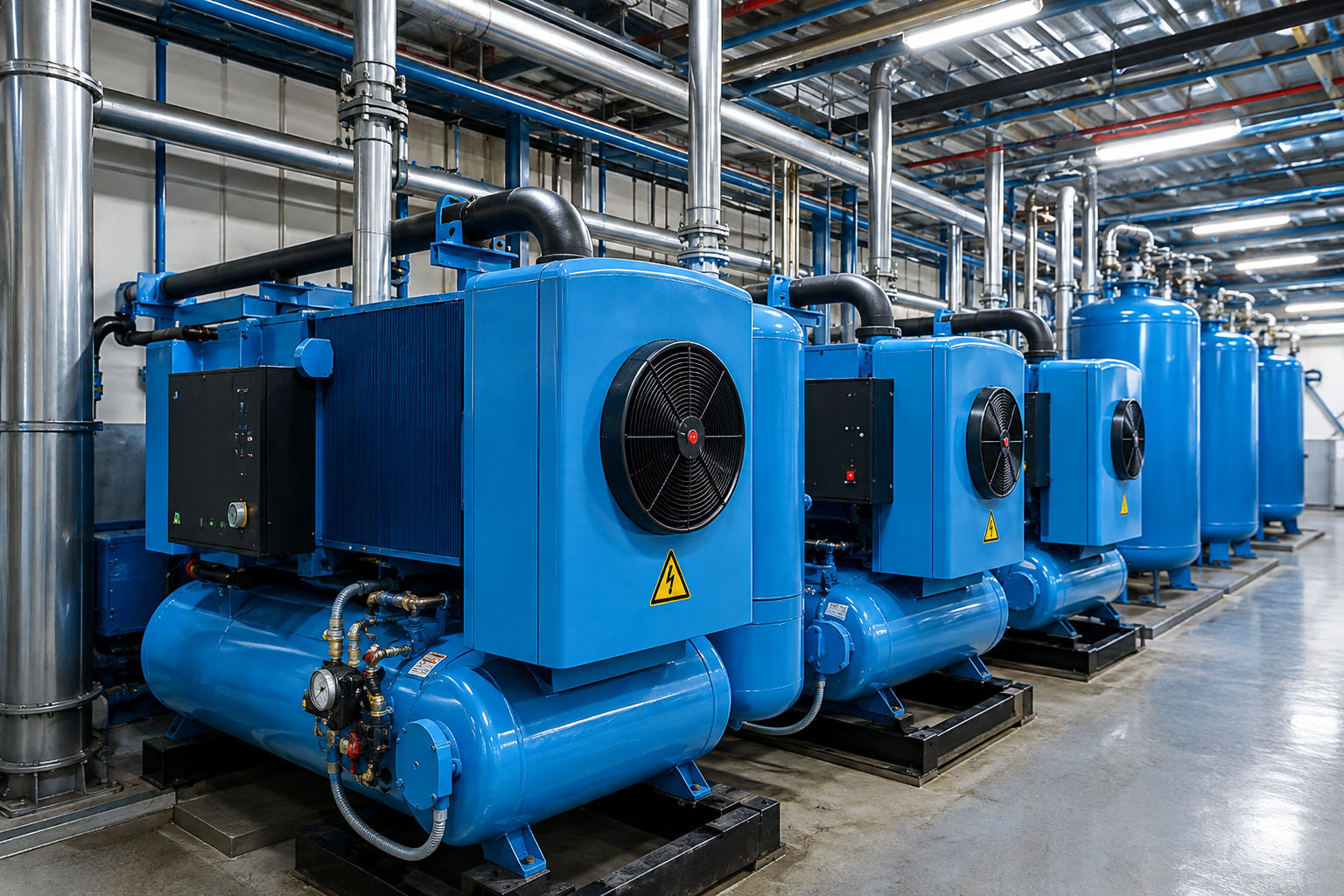
High-performance flow automation engineered for Compressed Air operations.
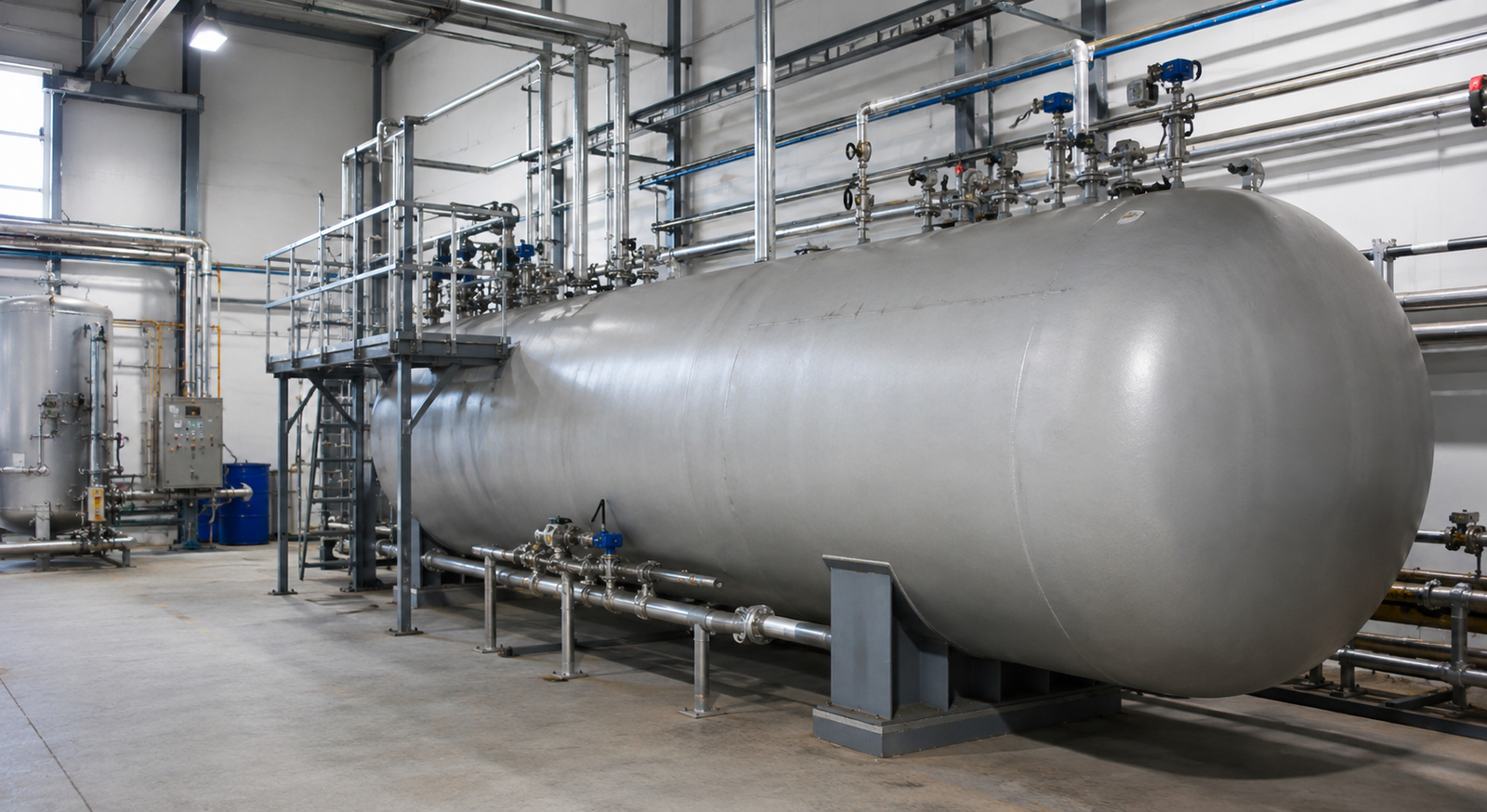
High-performance flow automation engineered for Cryogenic operations.
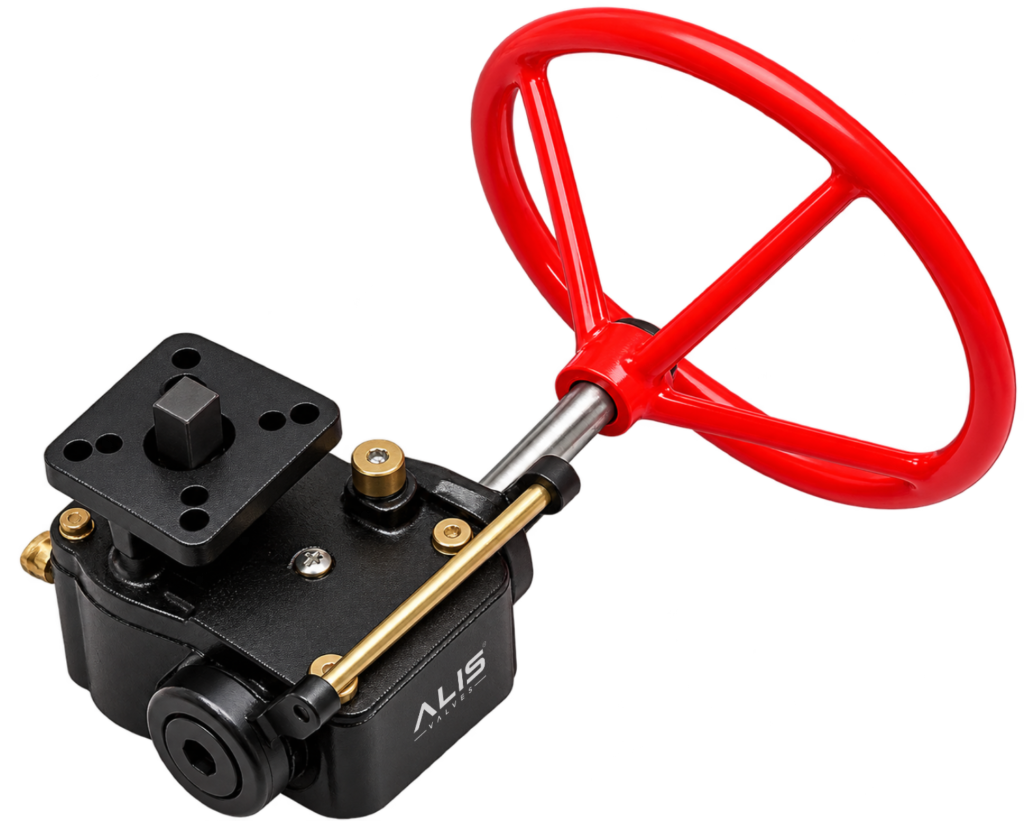
Alis Valves is a leading Manual Override (MOR) Manufacturer & Supplier in…
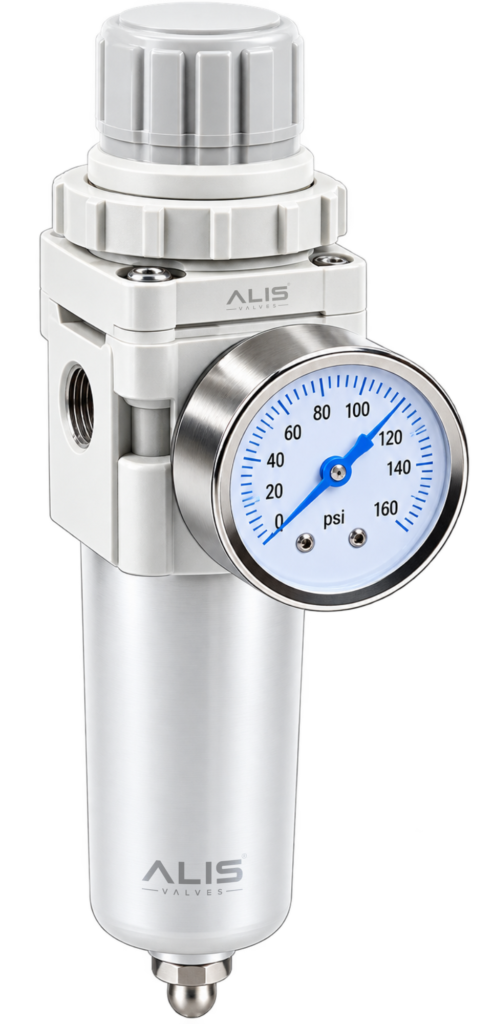
Alis Valves is a trusted Air Filter Regulator (AFR) Manufacturer Supplier in…
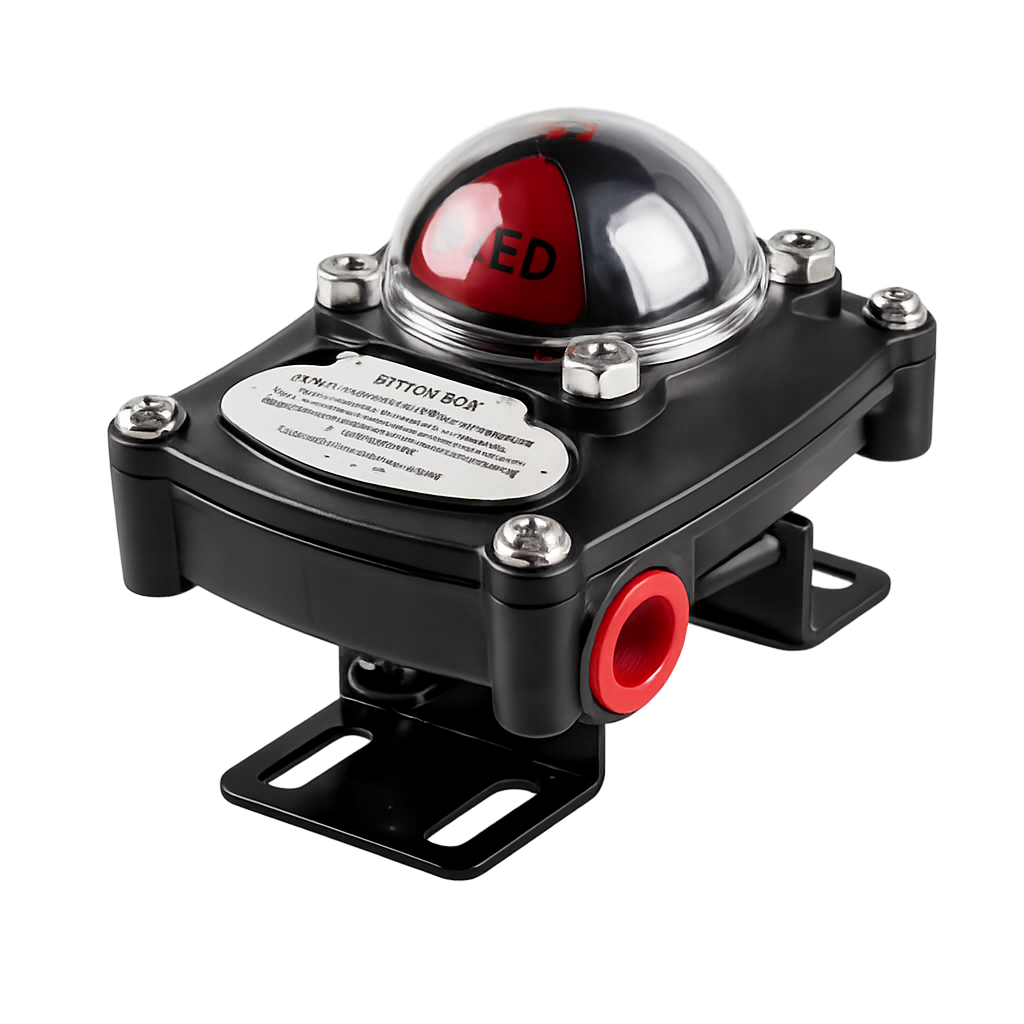
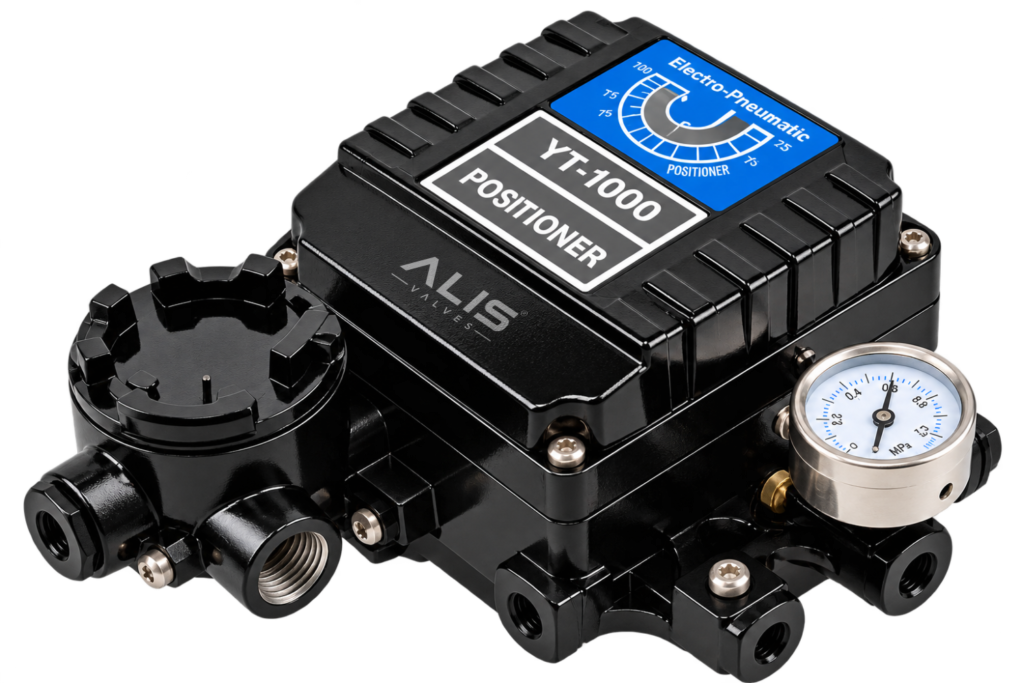
Alis Valves is a trusted Pneumatic Valve Positioner Manufacturer Supplier in India,…