
Cement
Engineered valve solutions tailored for critical Cement operating processes.

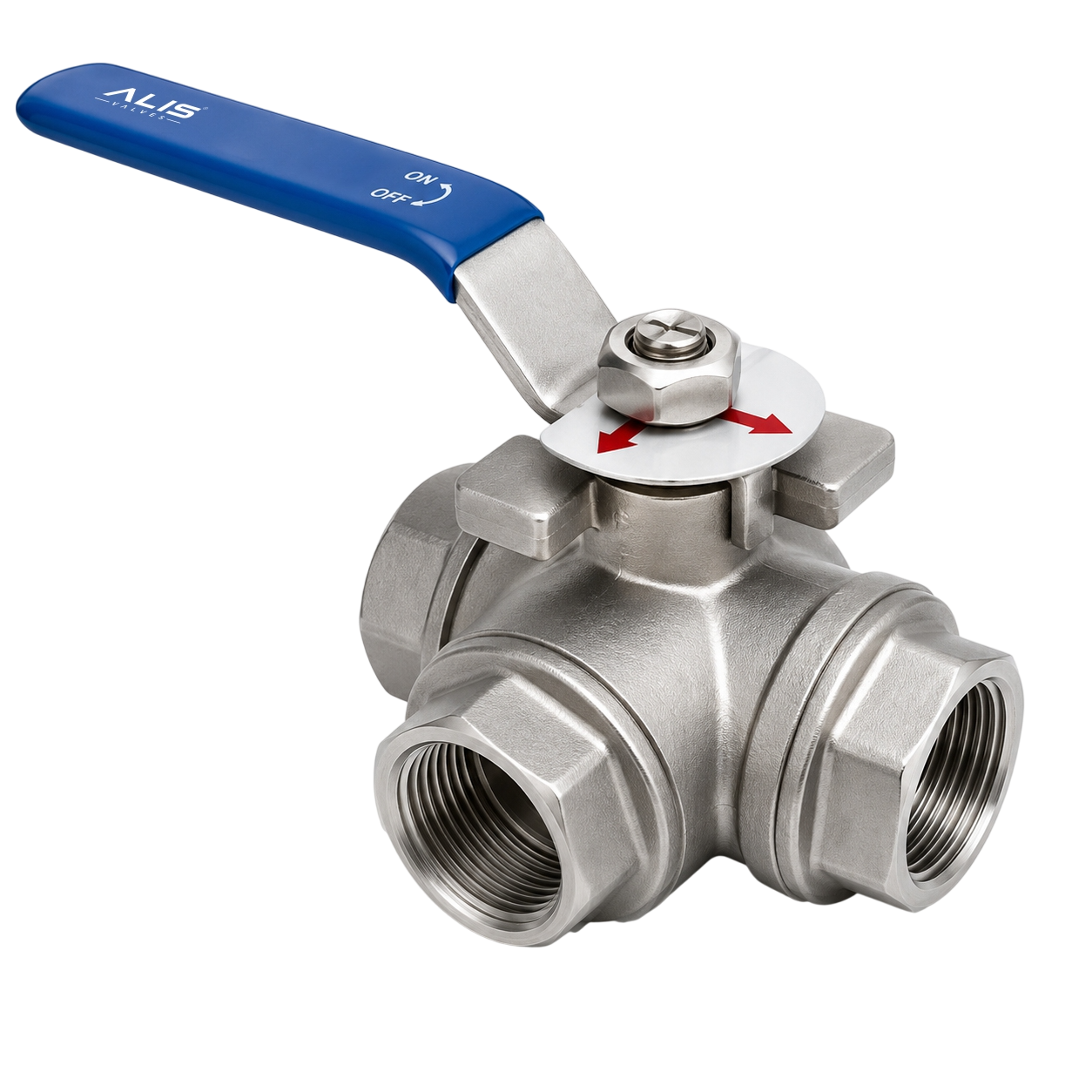
Manual 3 Way Screwed Ball Valve is designed to direct or distribute fluid flow between multiple pipeline ports. Its threaded end connections allow installation in compatible piping systems, while manual lever operation enables convenient flow-path selection. The appropriate port configuration, body material, sealing arrangement and pressure rating depend on the application requirements.
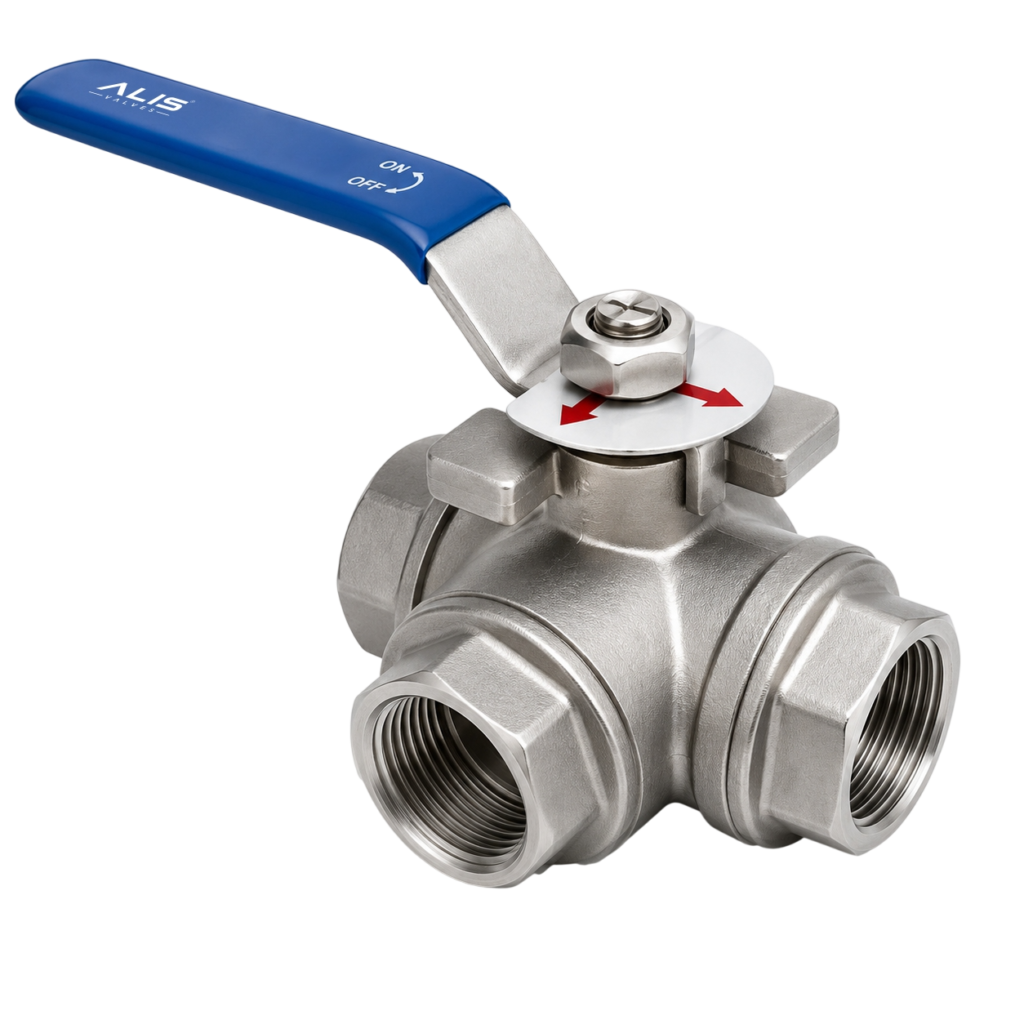
A Manual 3 Way Screwed Ball Valve is used in piping systems where fluid flow needs to be diverted, distributed or routed between different connections. The valve features three ports and a manually operated ball mechanism that changes the flow path according to its internal port design.
Screwed or threaded end connections provide a compact installation option for compatible piping systems. Depending on the selected design, the valve may use an L-port or T-port ball configuration. Engineers should confirm the required flow paths, connection thread standard, operating pressure, temperature and sealing materials before selecting the valve.
Size Range
1/4"–4" (indicative; confirm actual model range)
Pressure Rating
Up to 1000 PSI for certain designs; model-dependent
Temperature Range
Approximately −20°C to +180°C for selected material configurations; verify manufacturer limits
Flow Function
Diversion / Distribution, according to port design
Installation
Threaded pipeline connections
Thread Standard
BSP / NPT, as specified
Body Material
SS304 / SS316 / Brass, depending on model
Ball Material
SS304 / SS316 / Brass, depending on model
Engineered valve solutions tailored for critical Cement operating processes.

Engineered valve solutions tailored for critical Chemical operating processes.

Engineered valve solutions tailored for critical Data centres operating processes.

Engineered valve solutions tailored for critical Fertilizer operating processes.

Industrial Valves for Ammonia Applications Industrial valves used in ammonia systems are selected according…

High-performance flow automation engineered for CO₂ operations.
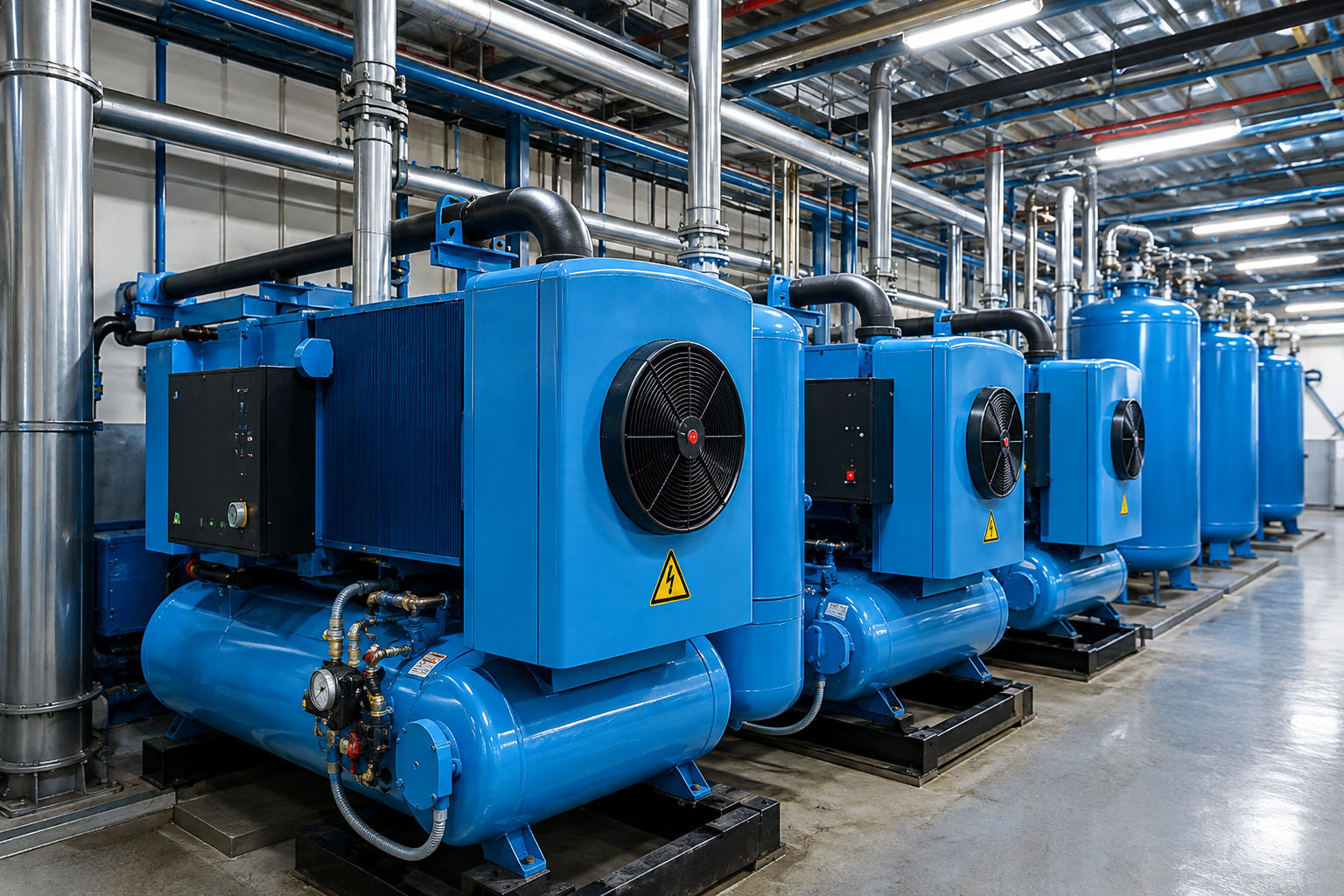
High-performance flow automation engineered for Compressed Air operations.
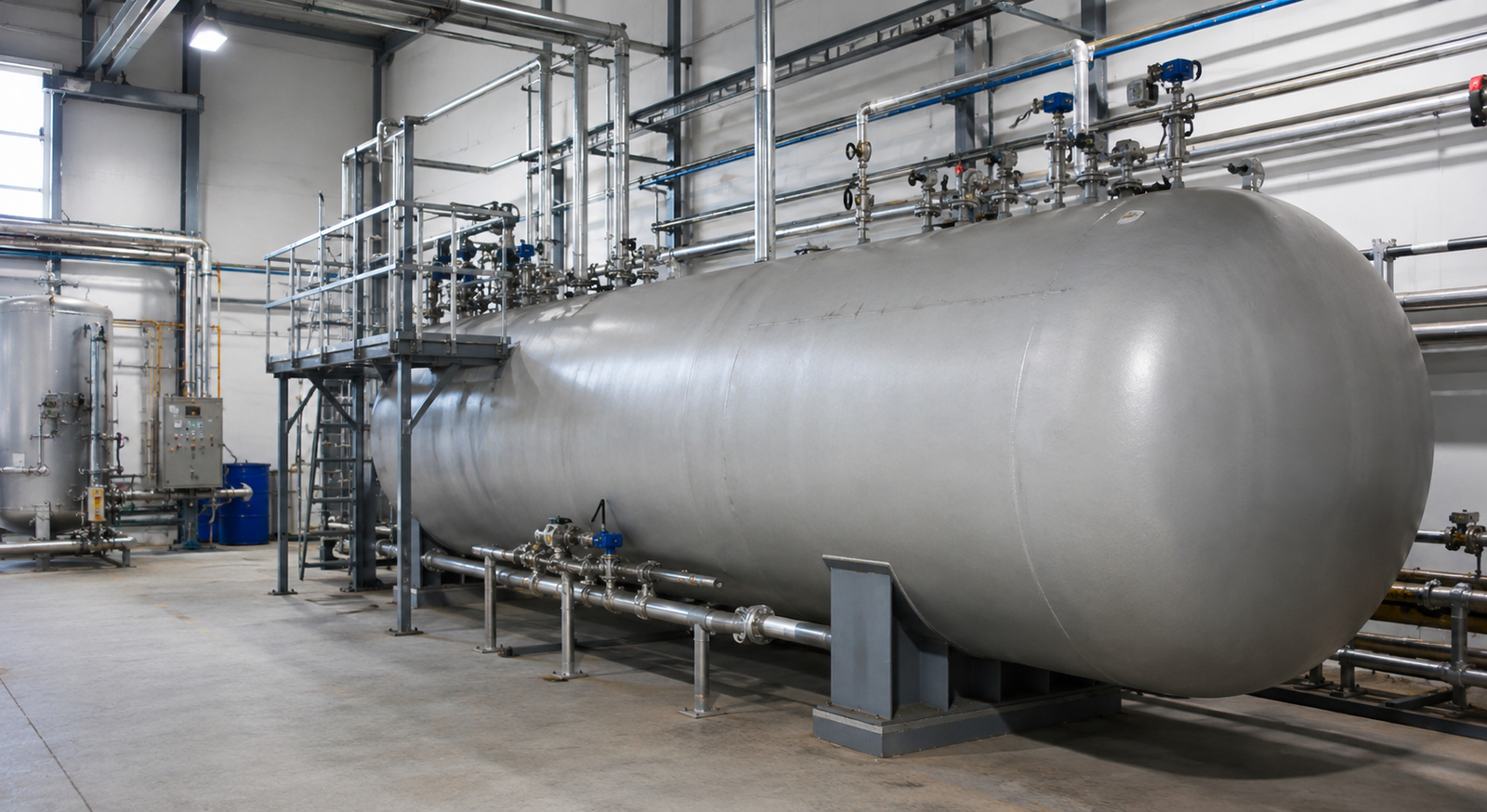
High-performance flow automation engineered for Cryogenic operations.
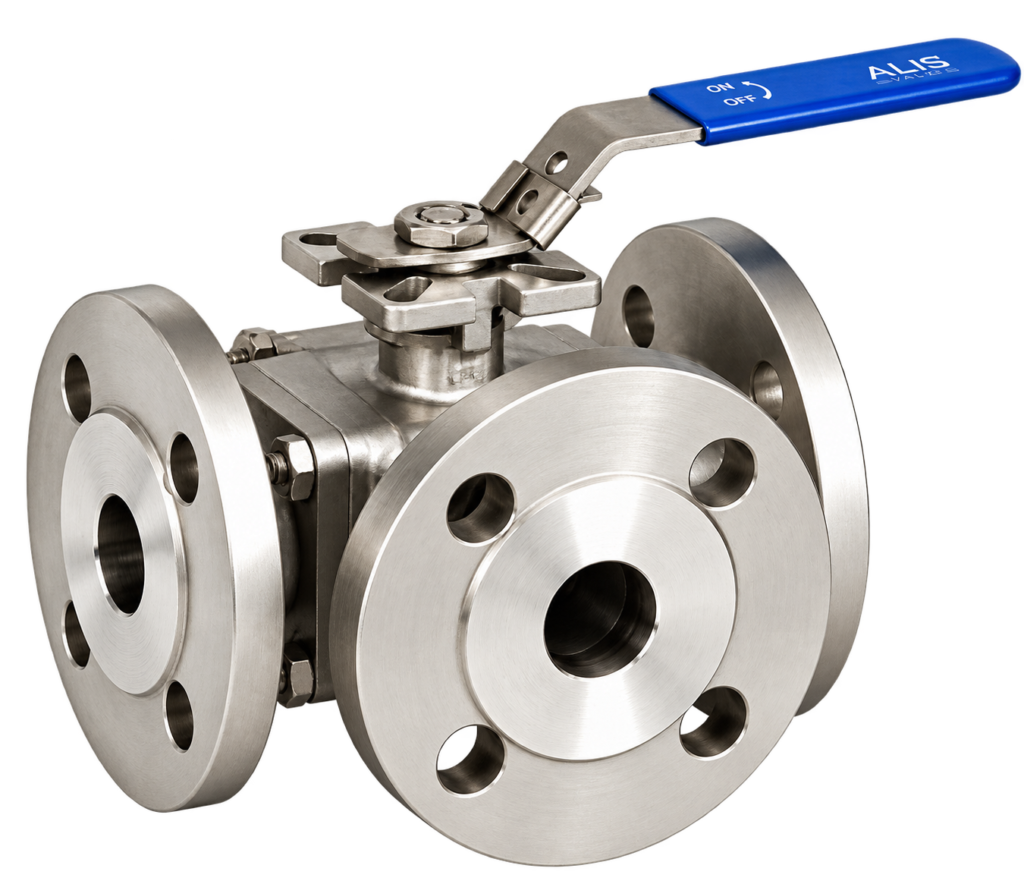
Alis Valves is Manual 3 Way Flanged Ball Valve Manufacturer in India…
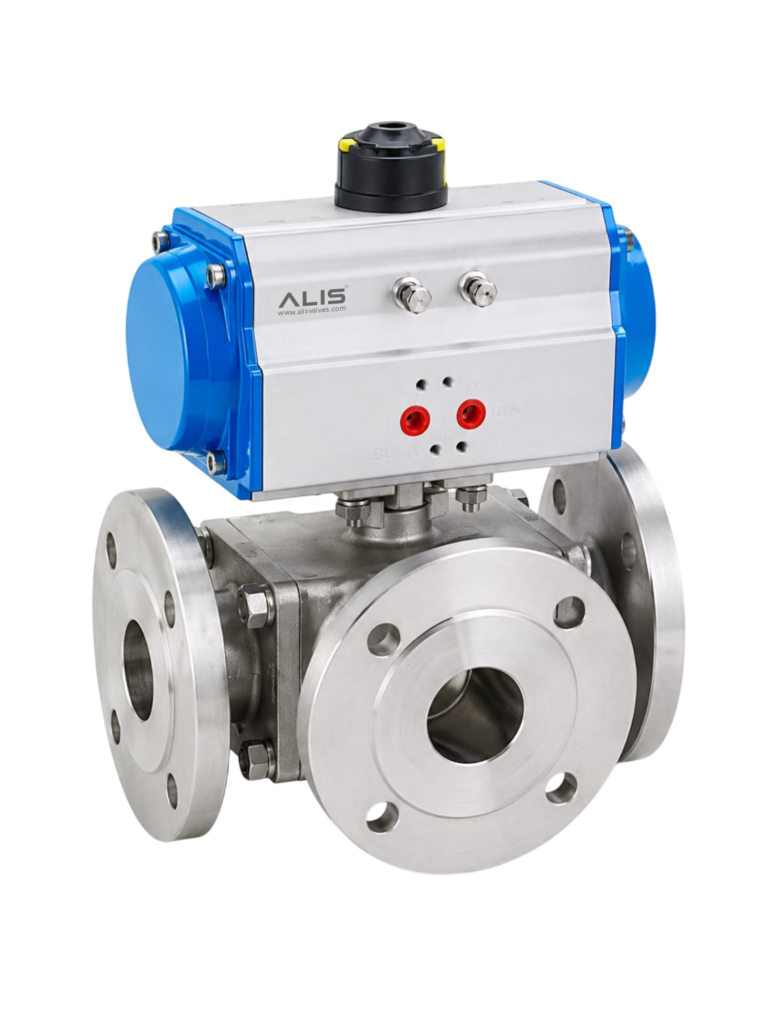
Alis Valves is Pneumatic 3 Way Flanged Ball Valve Manufacturer in India…
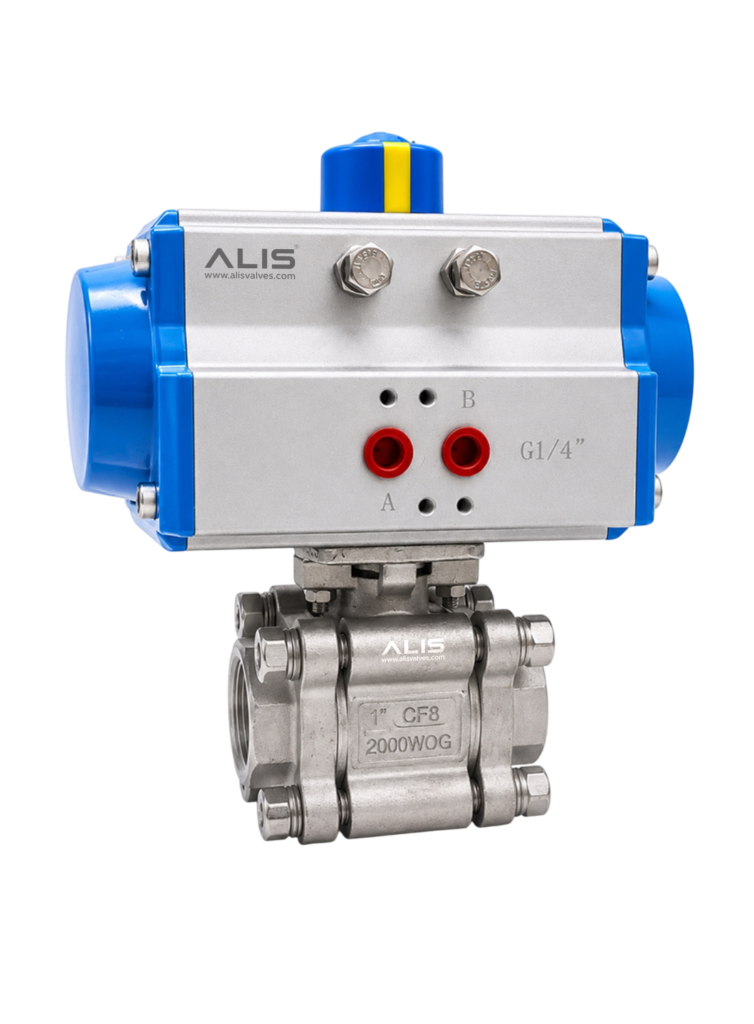
ALIS Valves is a leading Pneumatic 3 Piece Threaded Ball Valve Manufacturer…
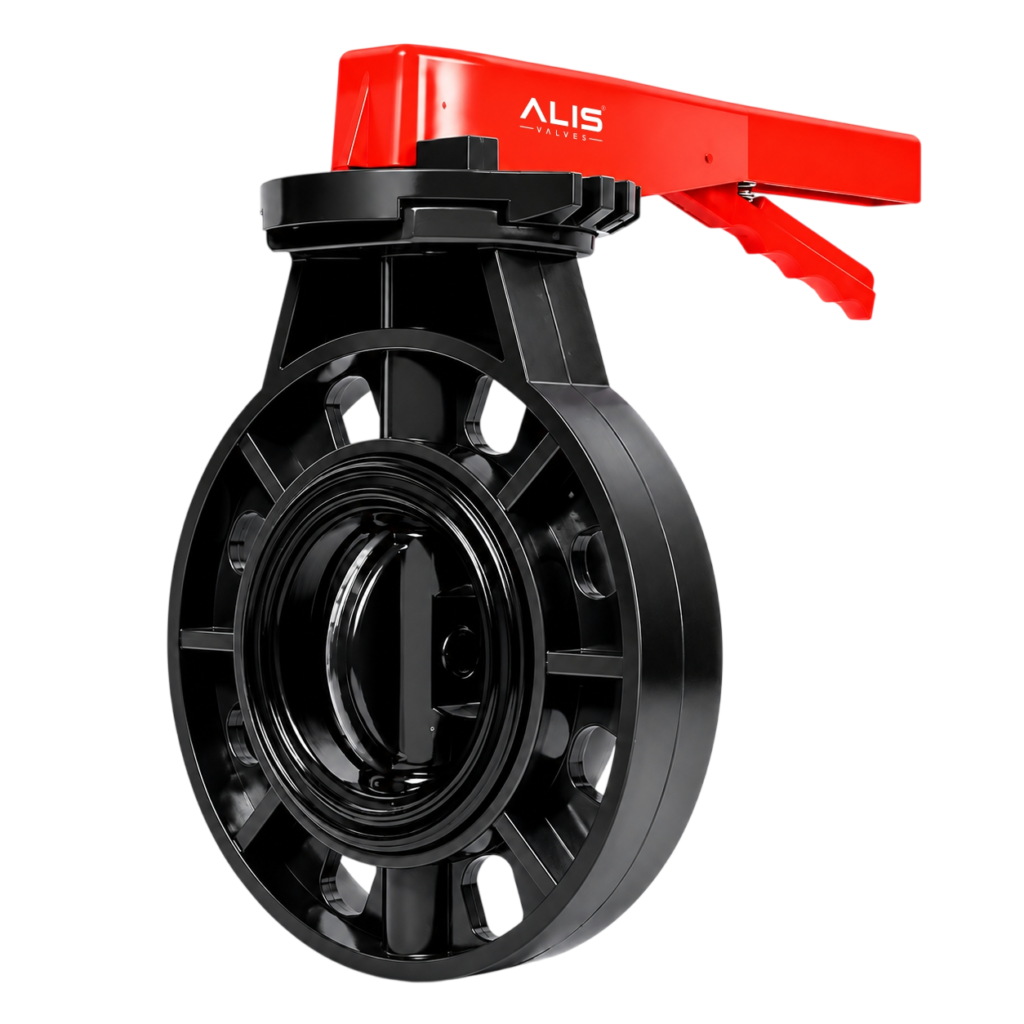
ALIS Valves is a Manual UPVC Butterfly Valve Manufacturer & Supplier in…