
Cement
Engineered valve solutions tailored for critical Cement operating processes.

ALIS Valves is a Manual UPVC Butterfly Valve Manufacturer & Supplier in India, offering UPVC butterfly valves designed for manual flow isolation and control in water treatment, chemical processing, irrigation and industrial piping systems. The UPVC body provides corrosion resistance, while the hand lever allows convenient operation. These valves are suitable for applications where reliable flow control and resistance to corrosive media are required. Material selection and operating limits should be verified according to the specific application requirements.
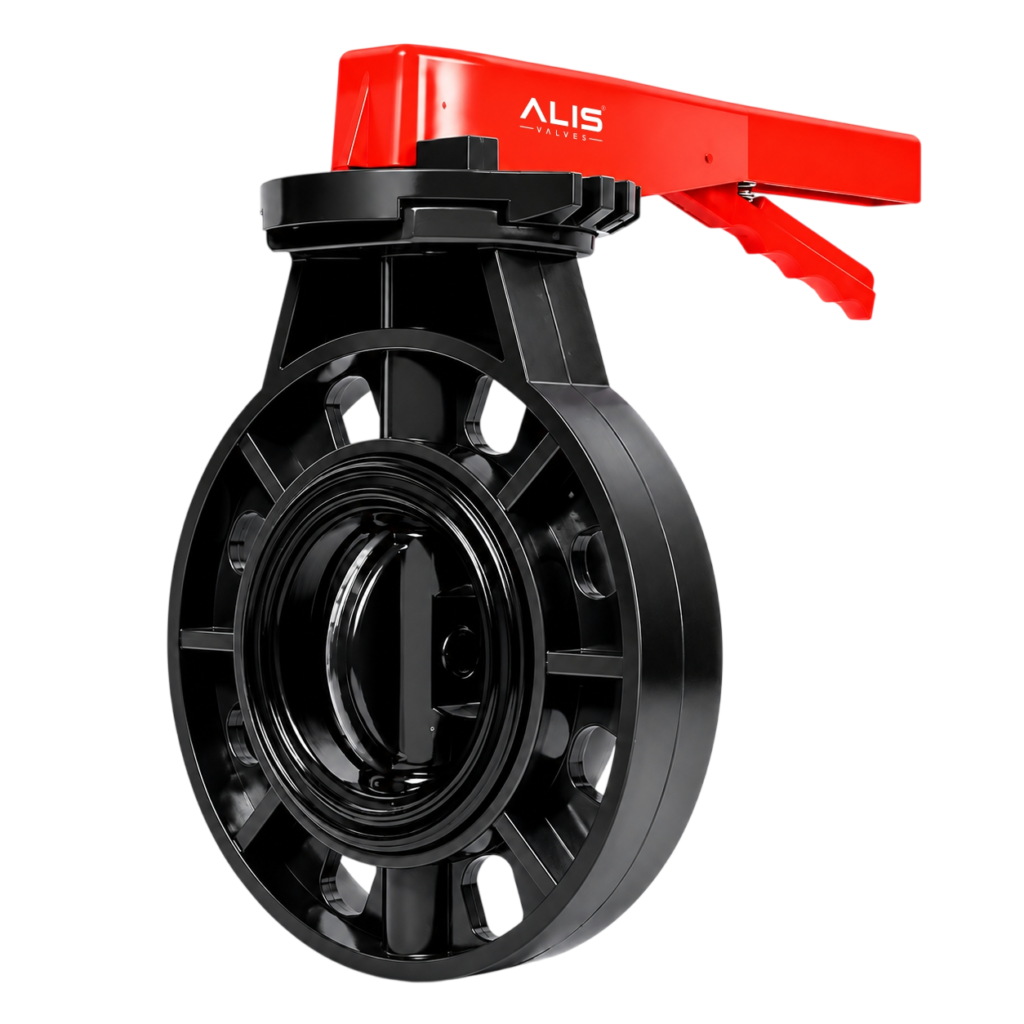
The Manual UPVC Butterfly Valve is used to regulate or isolate fluid flow in piping systems where corrosion resistance and lightweight construction are important. It operates through a hand lever that rotates the disc to open, close or regulate the flow, depending on the valve design.
Manufactured using unplasticized polyvinyl chloride (UPVC), this valve is suitable for compatible water treatment, irrigation, chemical handling and industrial fluid applications. Its suitability depends on the fluid composition, operating temperature, pressure and selected sealing materials.
Size Range
DN50–DN300 (2″–12″), indicative
Pressure Rating
PN6–PN10, indicative
Maximum Operating Temperature
Approximately 0°C to 60°C, subject to design
Body Material
UPVC
Seat Material
EPDM / NBR / PTFE, as per model
Disc Material
UPVC / Other available material, as per design
Seat Material
EPDM / NBR / PTFE, as per configuration
Applications
Water Treatment, Wastewater, Irrigation, Chemical Processing, Swimming Pools
Engineered valve solutions tailored for critical Cement operating processes.
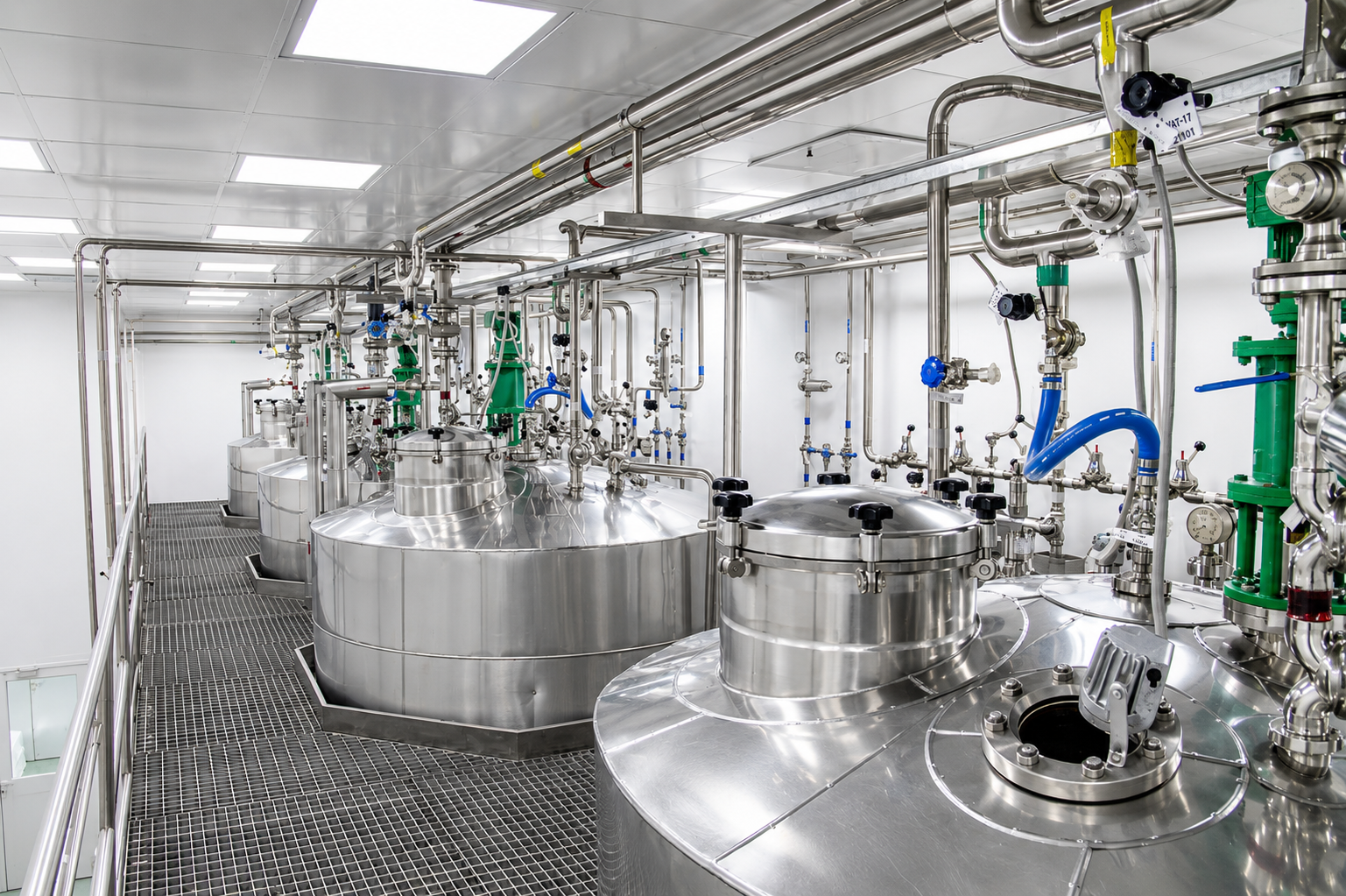
Engineered valve solutions tailored for critical Chemical operating processes.

Engineered valve solutions tailored for critical Data centres operating processes.

Engineered valve solutions tailored for critical Fertilizer operating processes.

High-performance flow automation engineered for Ammonia operations.
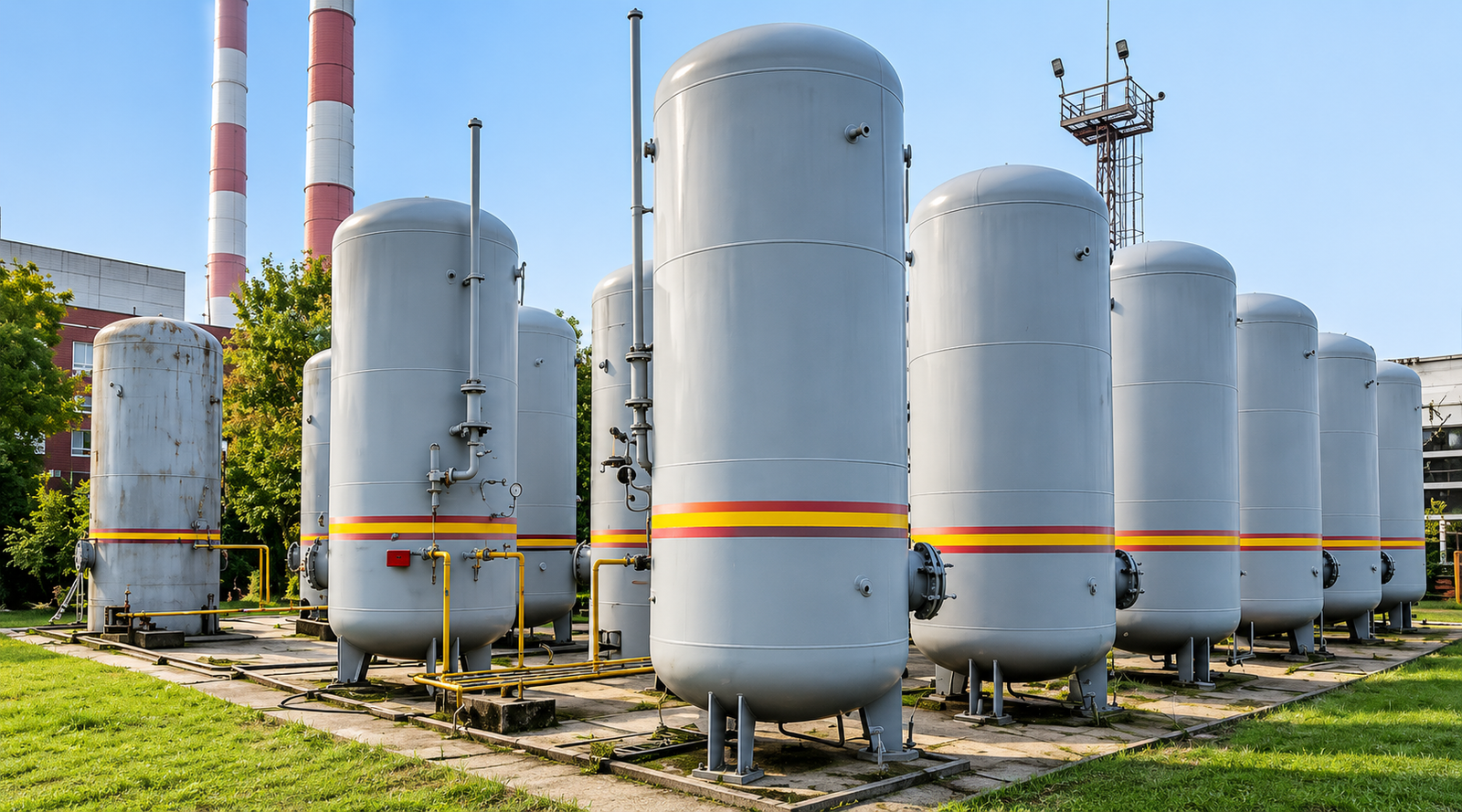
High-performance flow automation engineered for CO₂ operations.
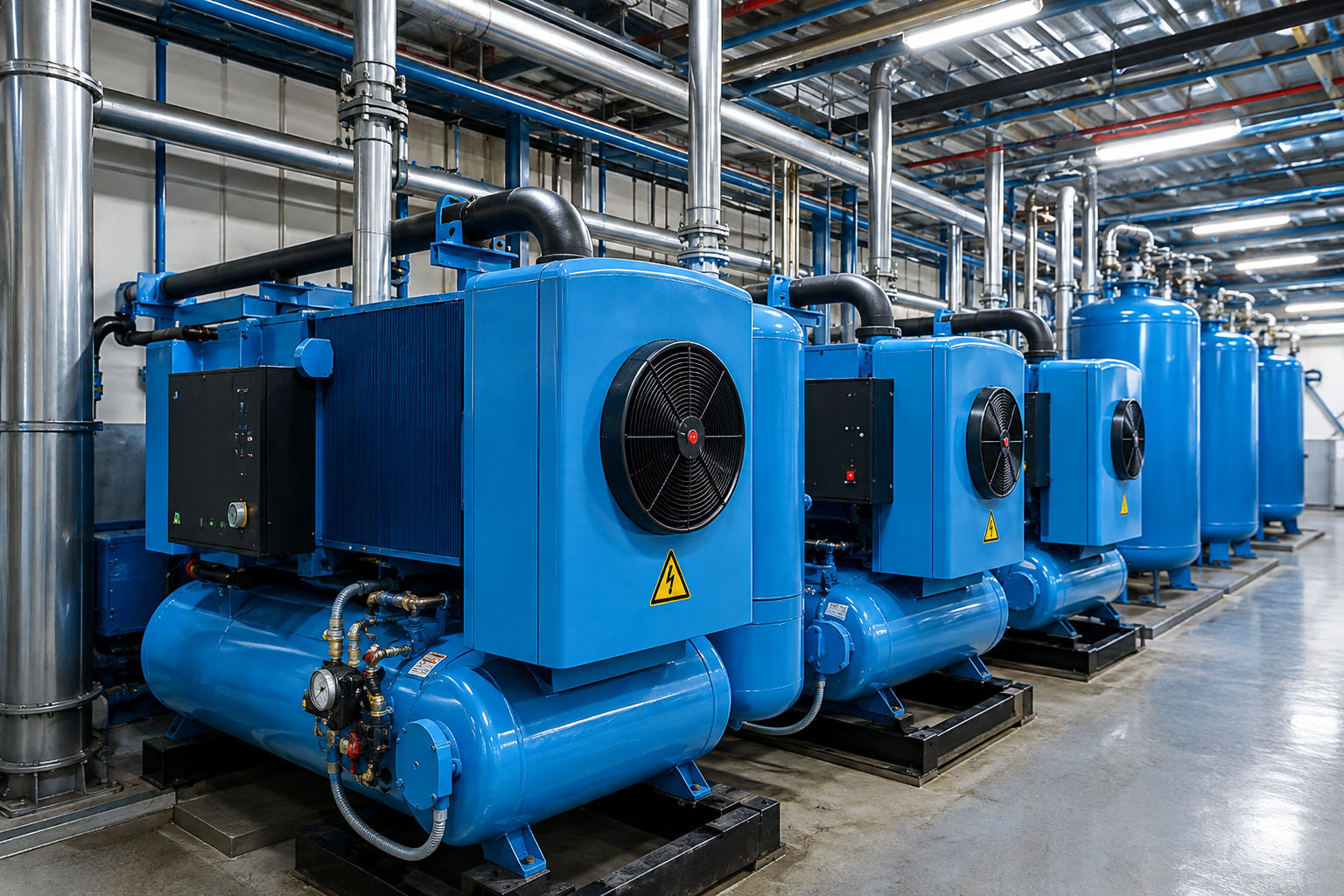
High-performance flow automation engineered for Compressed Air operations.
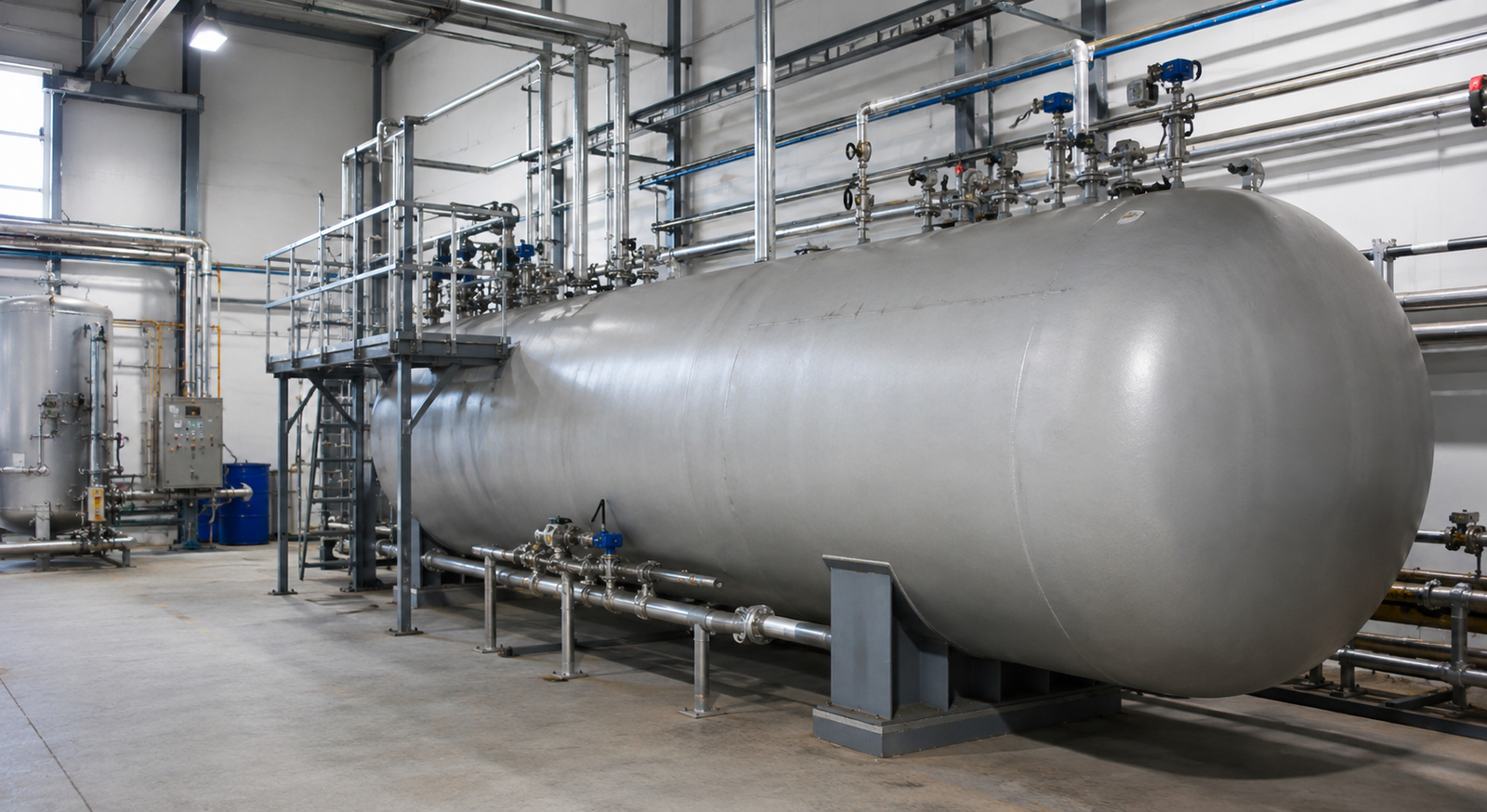
High-performance flow automation engineered for Cryogenic operations.
Manual UPVC Butterfly Valve Product Brochure
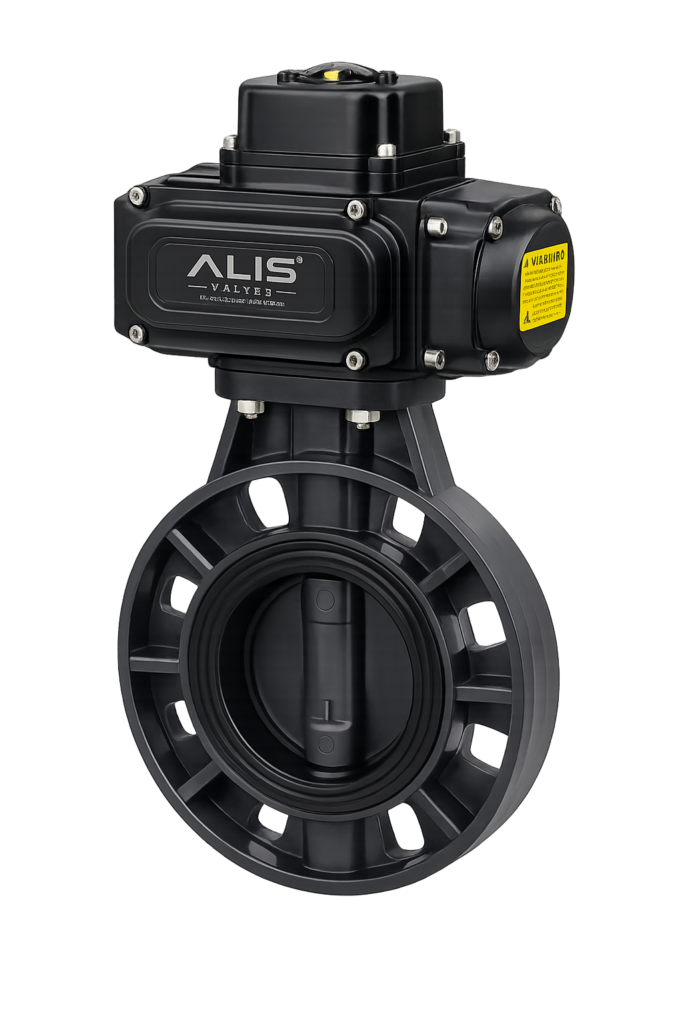
Alis Valves offers Electric UPVC Butterfly Valve Manufacturer Supplier in India designed…
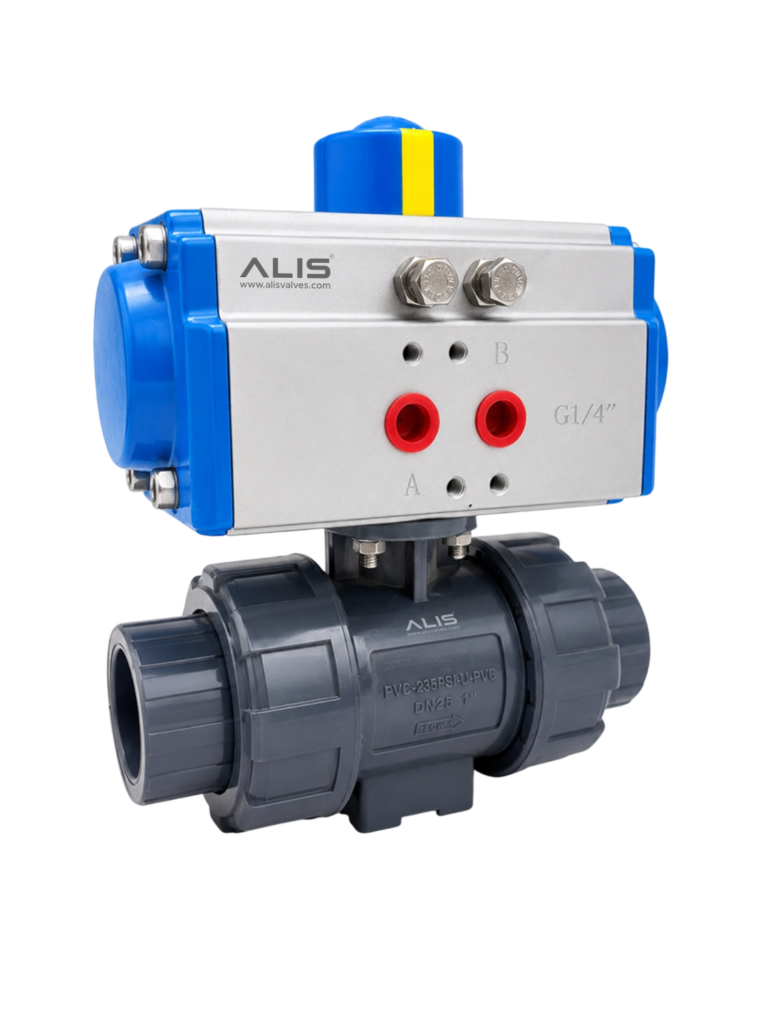
ALIS Valves is a leading Pneumatic UPVC Ball Valve Manufacturer Supplier in…
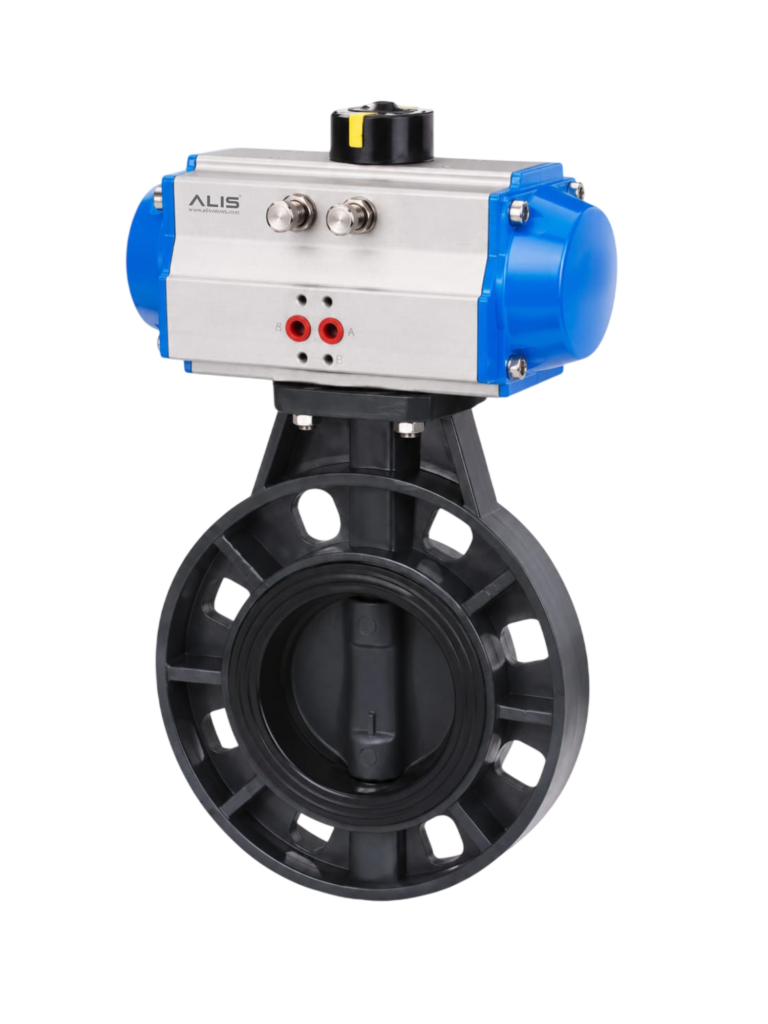
ALis Valves Pneumatic UPVC Butterfly Valve Manufacturer in India Offering lightweight, corrosion-resistant…
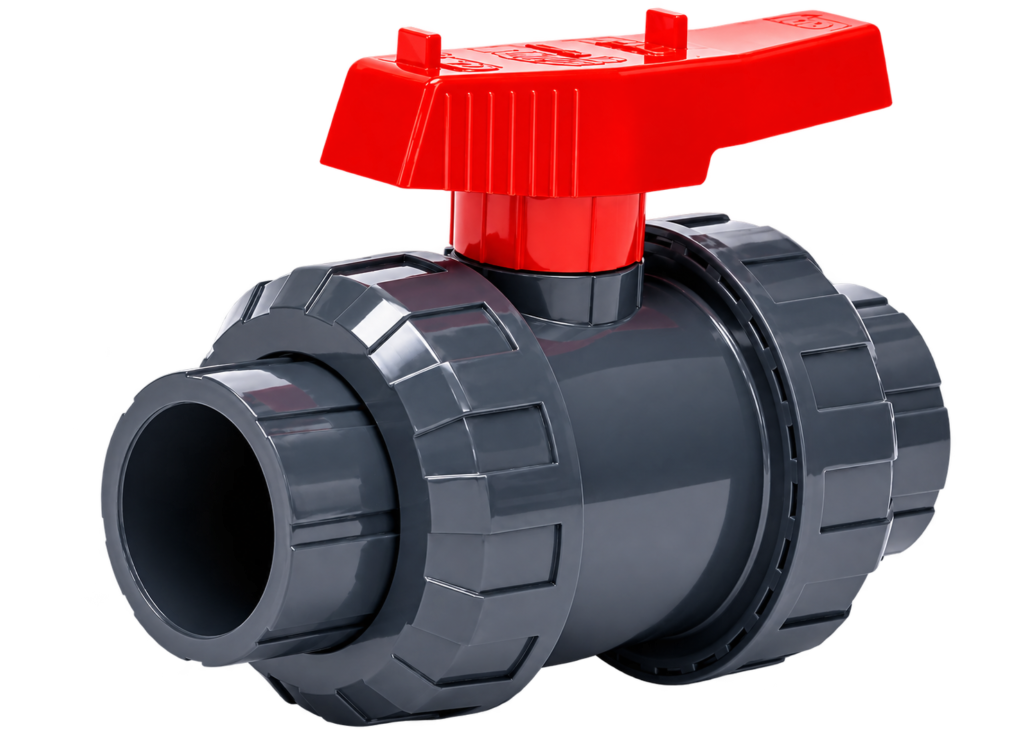
The Manual UPVC Ball Valve is designed for reliable on/off flow control…