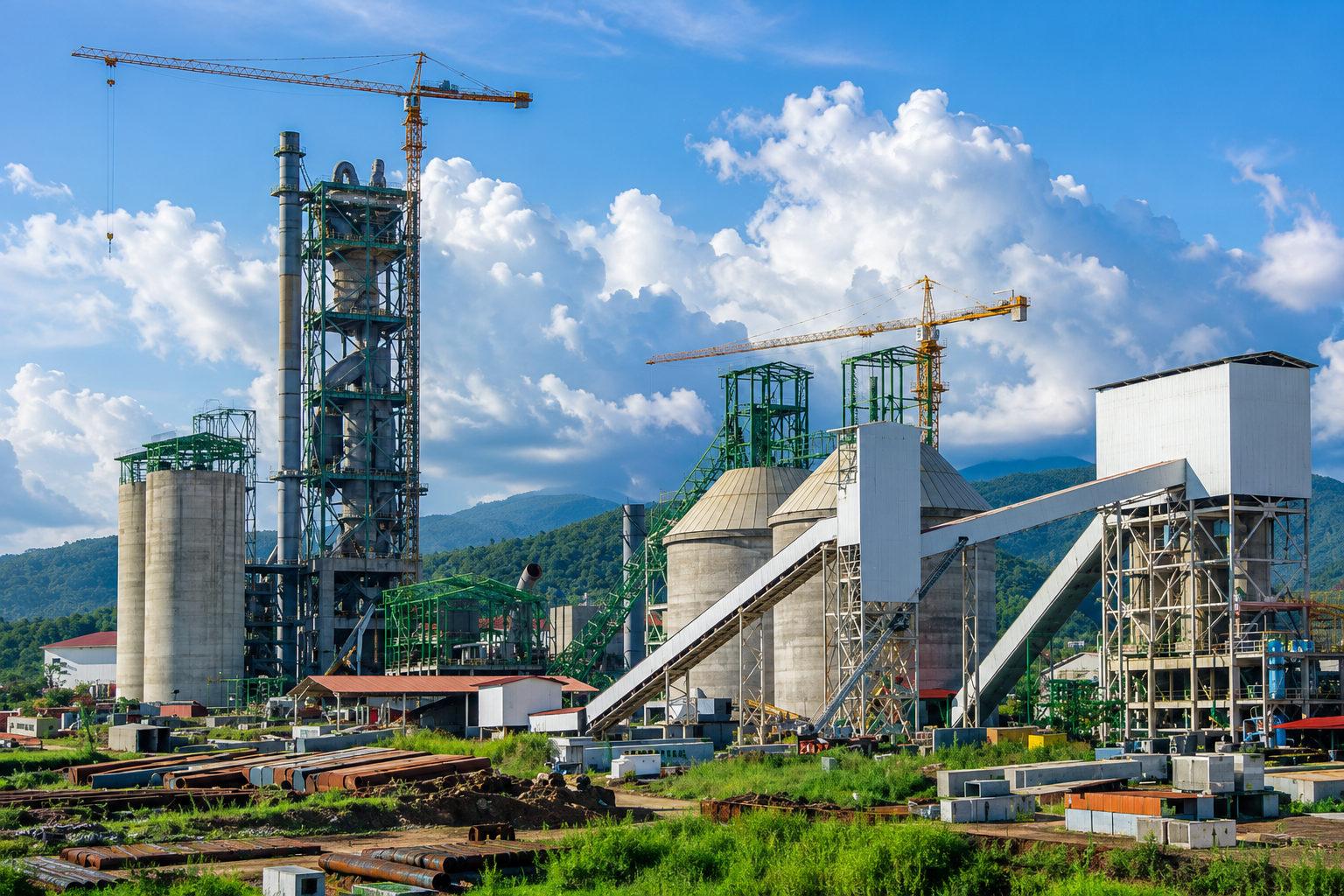
Cement
Engineered valve solutions tailored for critical Cement operating processes.

Alis Valves is a trusted High Temperature Ceramic Butterfly Valve Manufacturer & Supplier in India, offering high-performance butterfly valves engineered for elevated temperature and severe service applications. Featuring advanced ceramic-lined disc and seat construction, these valves provide exceptional resistance to heat, abrasion, erosion, and corrosion while ensuring reliable shut-off, low operating torque, and extended service life in power generation, cement, steel, mining, chemical processing, and industrial process plants.
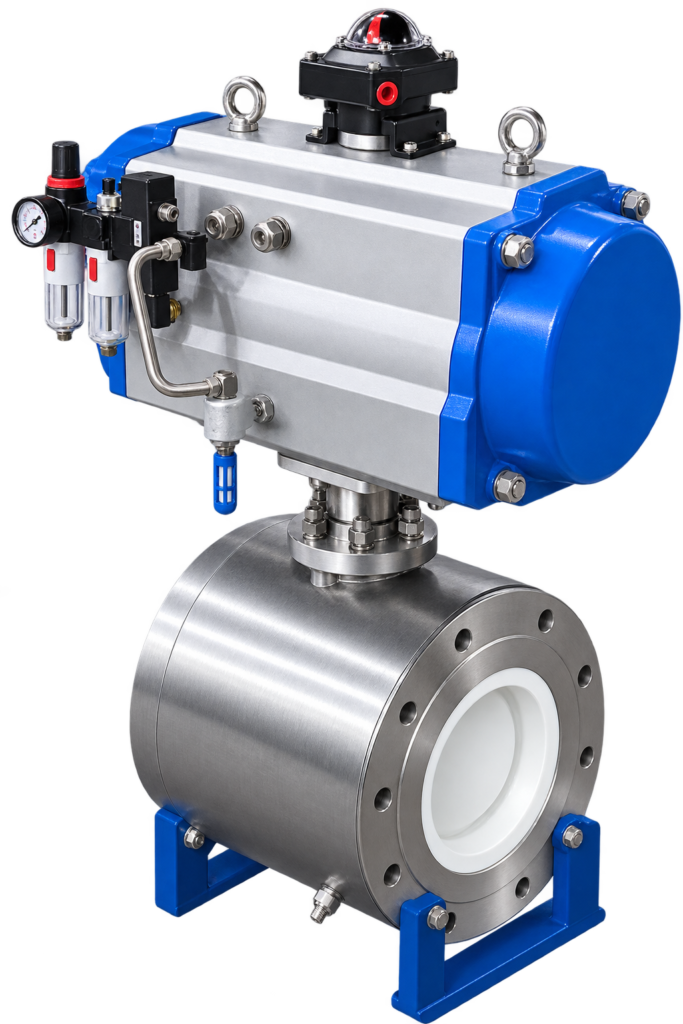
Alis Valves is a trusted High Temperature Ceramic Butterfly Valve Manufacturer & Supplier in India, offering high-performance butterfly valves engineered for elevated temperature and severe service applications. Featuring advanced ceramic-lined disc and seat construction, these valves provide exceptional resistance to heat, abrasion, erosion, and corrosion while ensuring reliable shut-off, low operating torque, and extended service life in power generation, cement, steel, mining, chemical processing, and industrial process plants.
Size Range
DN50 to DN500 (2" to 20")
Pressure Rating
PN10, PN16 / ANSI Class 150
Body Material
Cast Iron, Ductile Iron, Carbon Steel (WCB), Stainless Steel (SS304, SS316)
Disc Material
Alumina Ceramic / Zirconia Ceramic Lined
Seat Material
Ceramic / Metal Seat (Application Dependent)
Temperature Range
-20°C to +450°C (Higher temperatures available on request depending on seat and design)
Leakage Class
ISO 5208 / API 598
Design Standards
API 609, ASME B16.34, ISO 5211
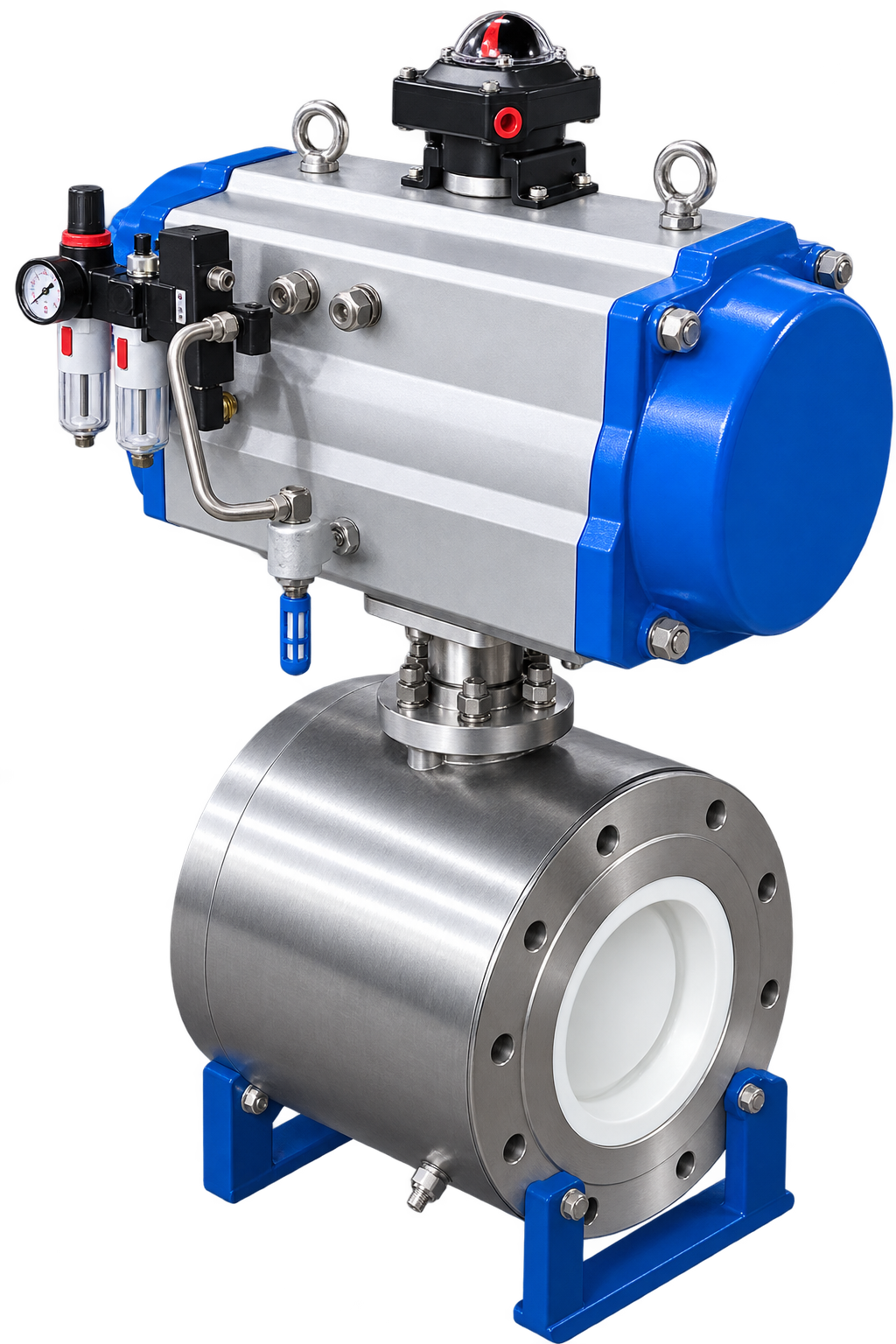
Engineered valve solutions tailored for critical Cement operating processes.
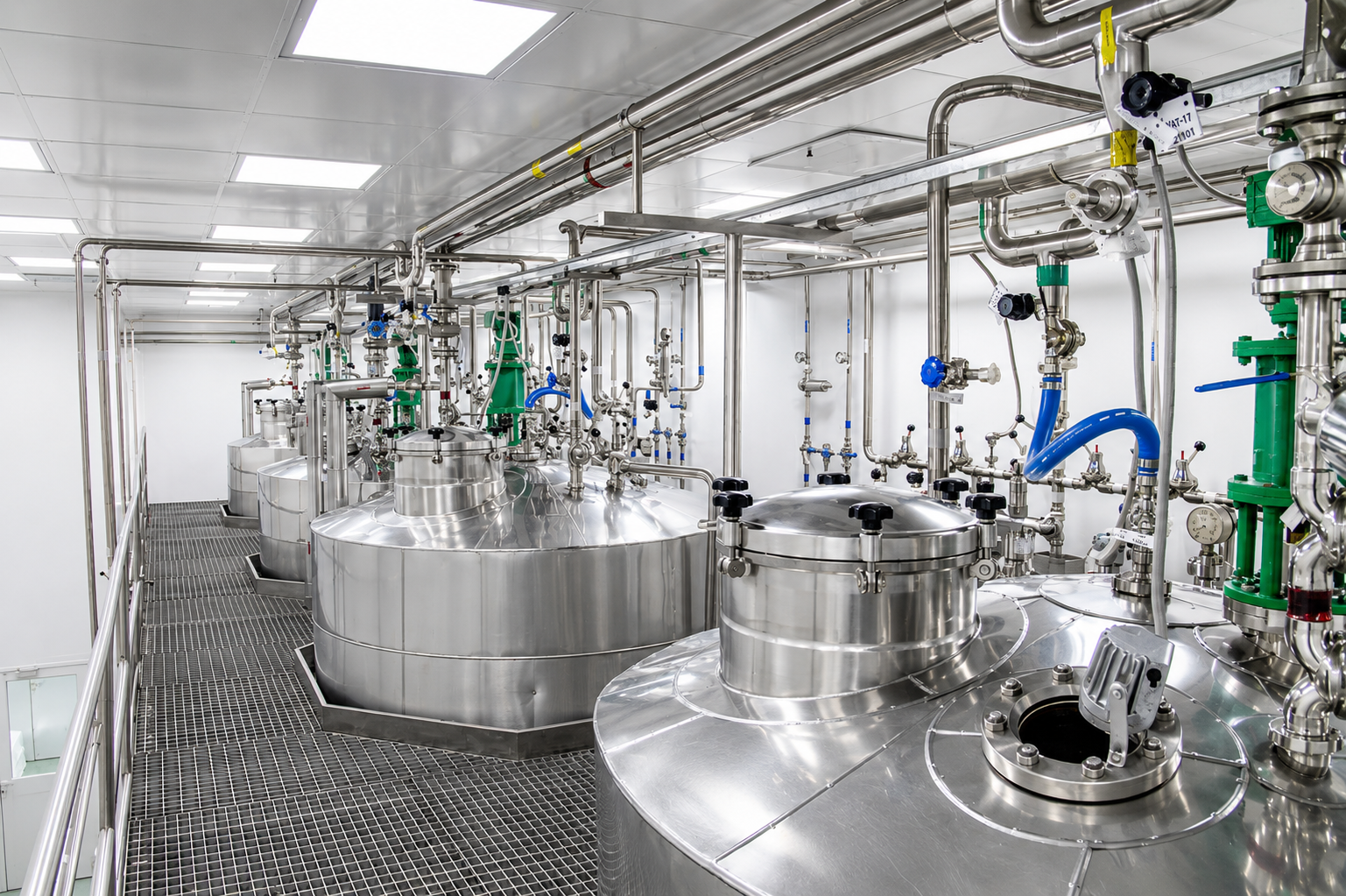
Engineered valve solutions tailored for critical Chemical operating processes.

Engineered valve solutions tailored for critical Data centres operating processes.

Engineered valve solutions tailored for critical Fertilizer operating processes.
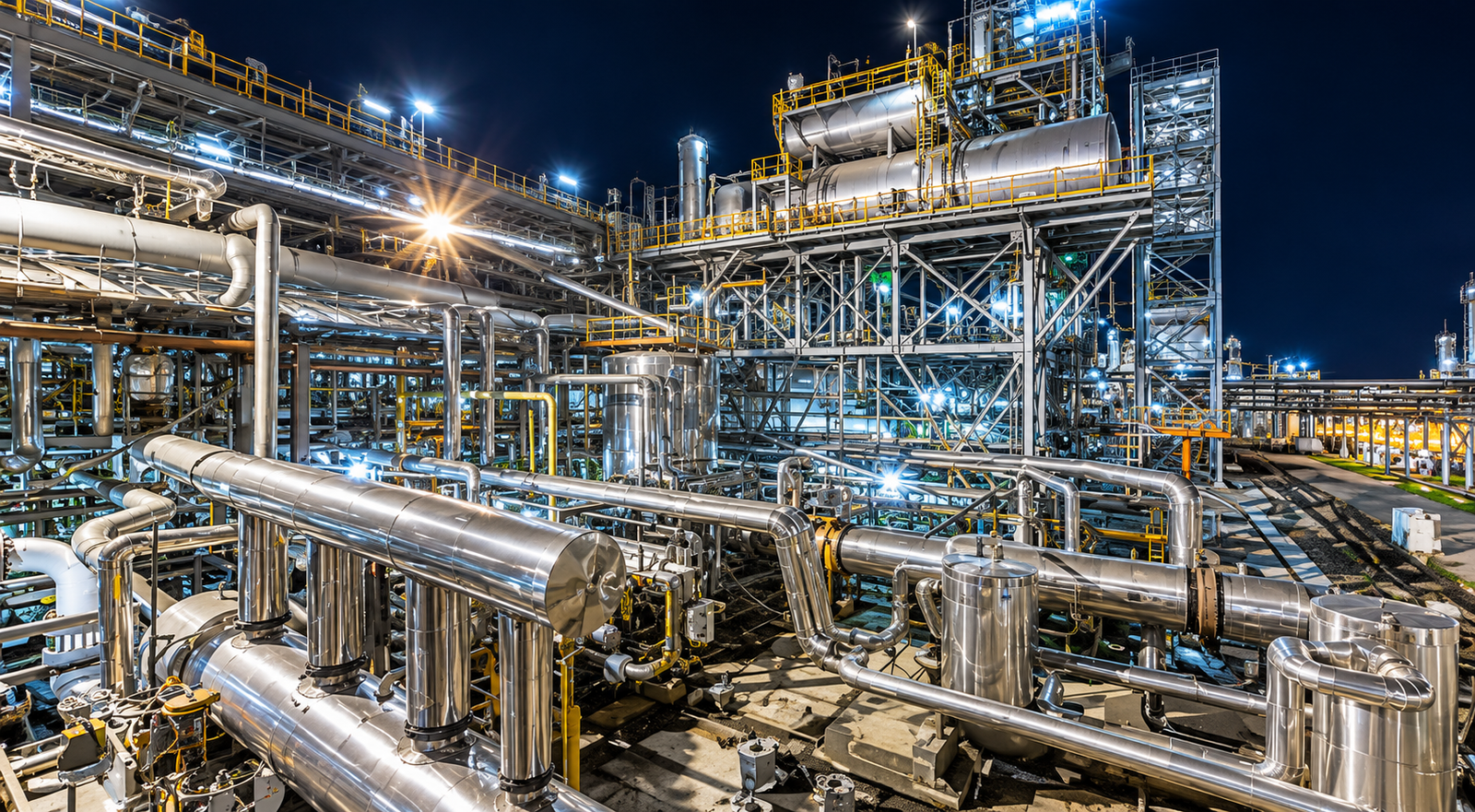
High-performance flow automation engineered for Ammonia operations.
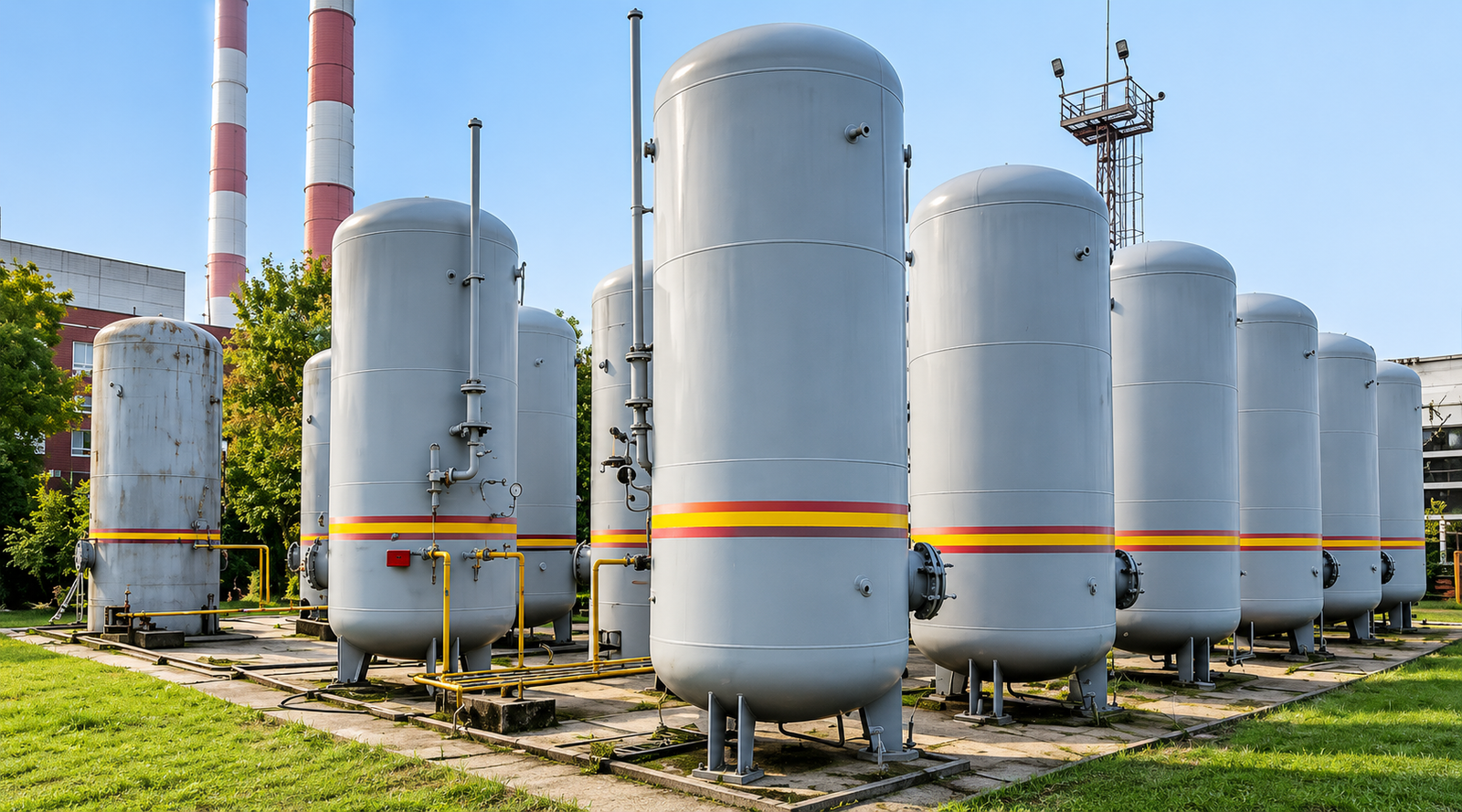
High-performance flow automation engineered for CO₂ operations.
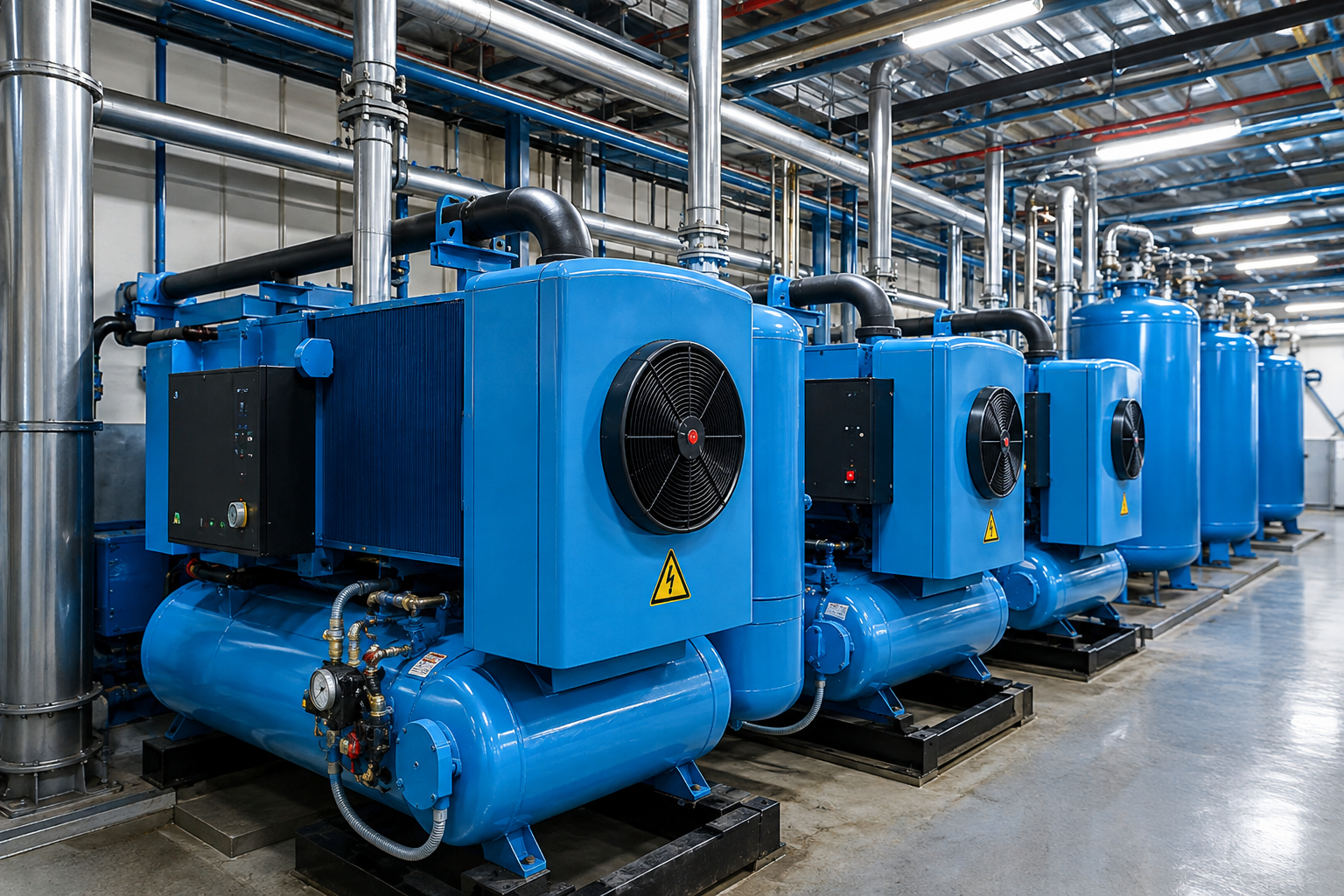
High-performance flow automation engineered for Compressed Air operations.
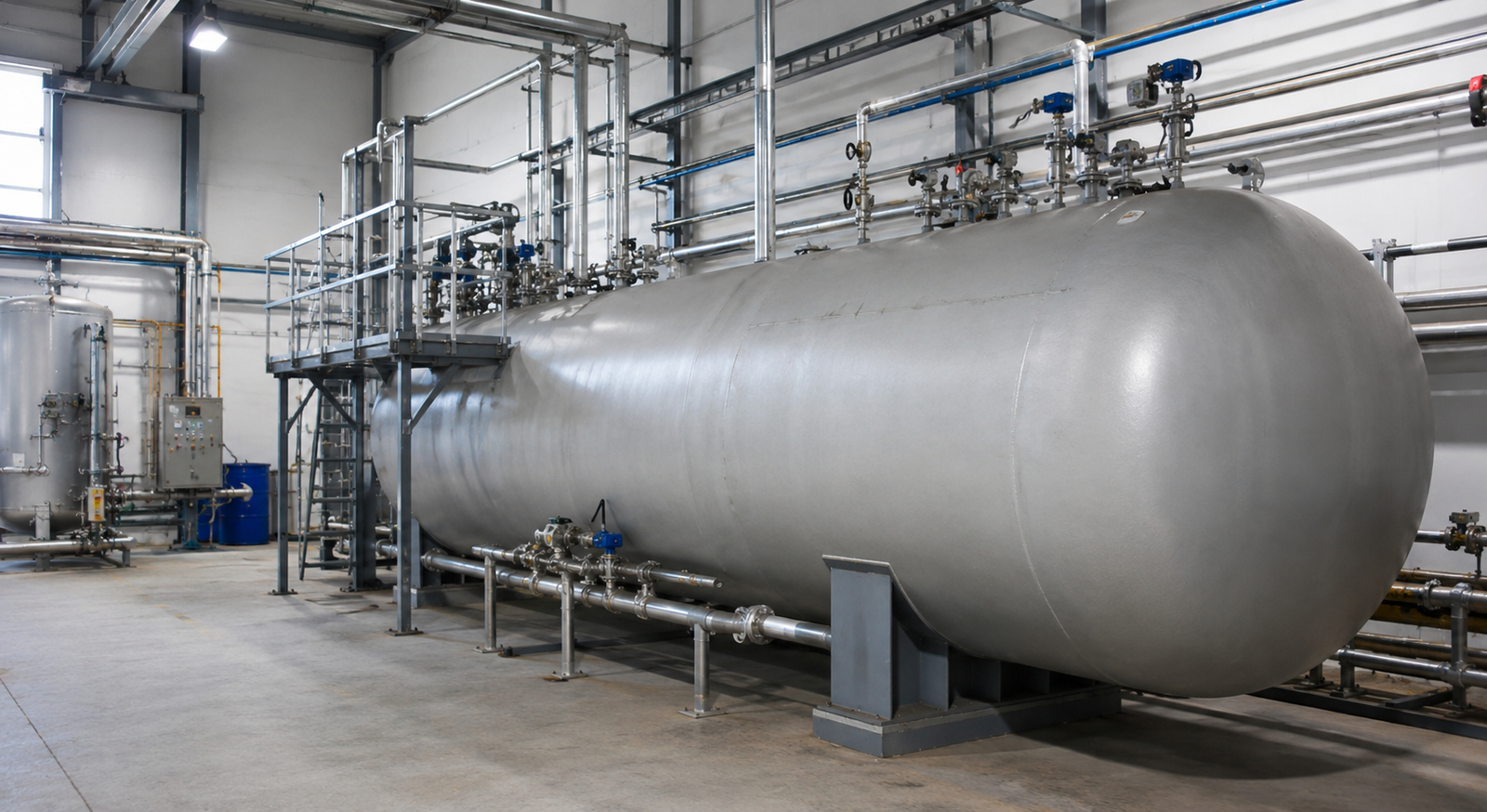
High-performance flow automation engineered for Cryogenic operations.
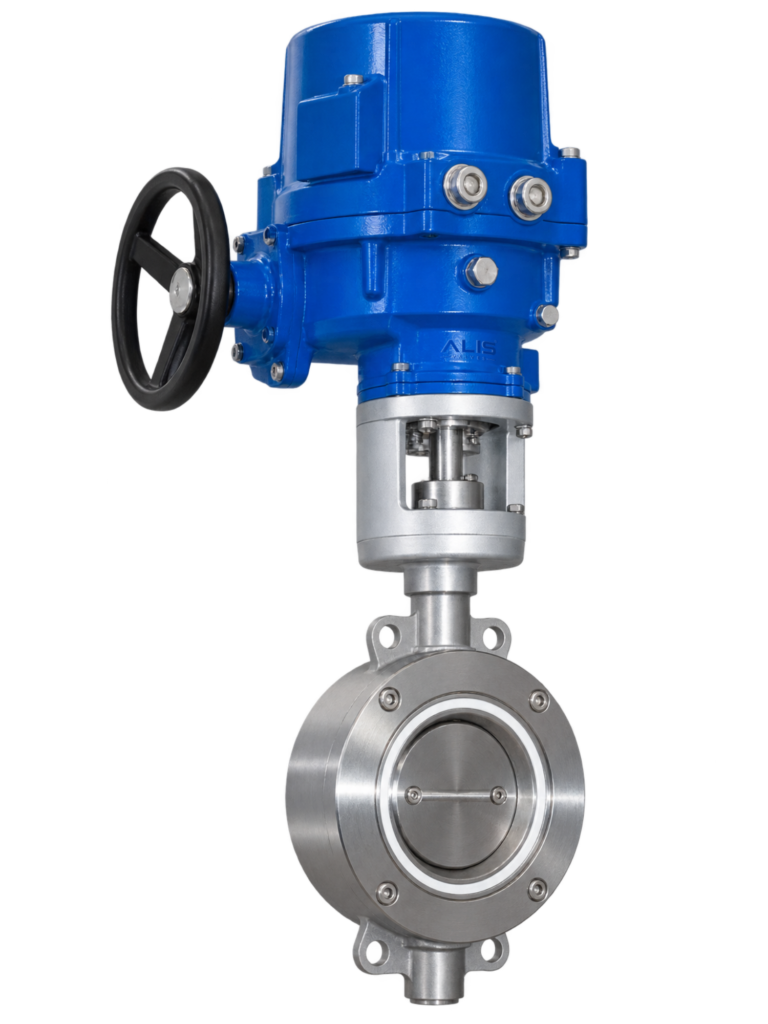
Alis Valves is a trusted Electric Ceramic Butterfly Valve Manufacturer & Supplier…
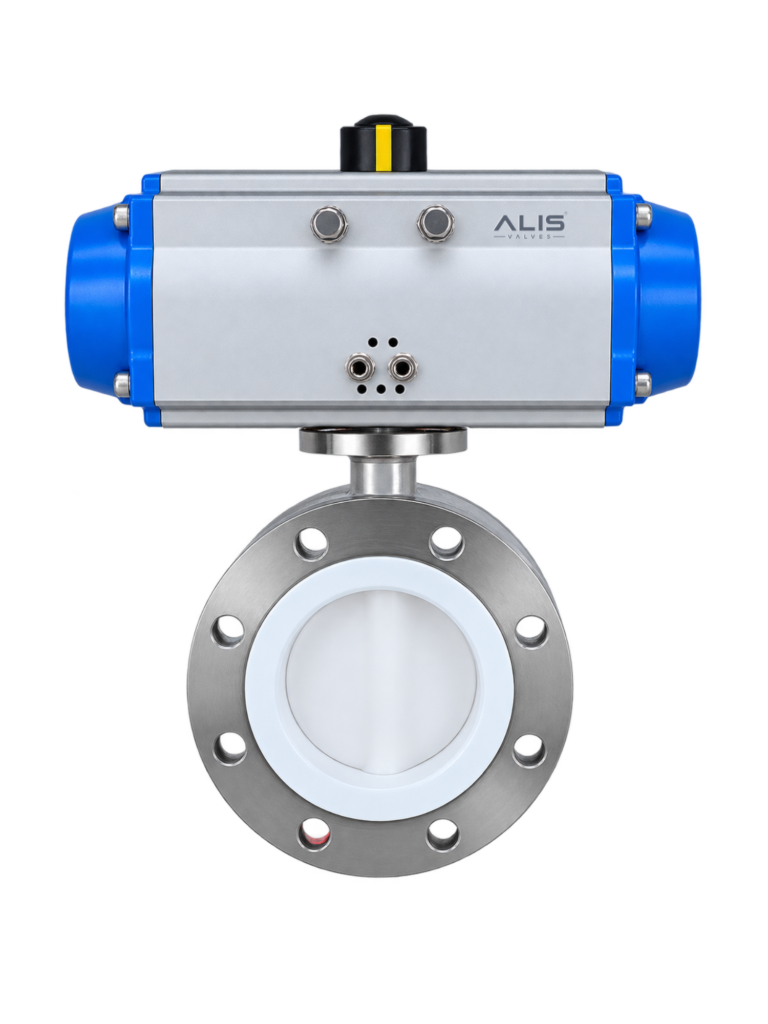
Alis Valves is a trusted Pneumatic Ceramic Butterfly Valve Manufacturer & Supplier…
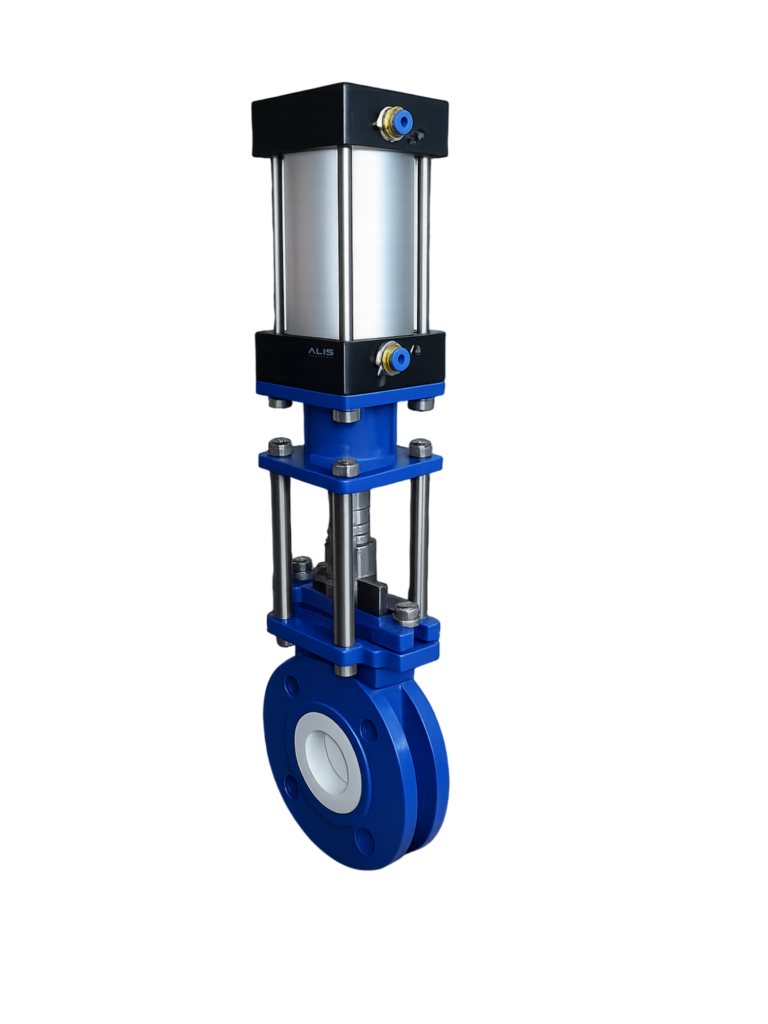
Alis Valves offers high-performance Ceramic Lined Slurry Valve Manufacturer Supplier in India…