
Cement
Engineered valve solutions tailored for critical Cement operating processes.

Safety Relief Valve is an automatic pressure protection device designed to protect pressurized equipment and piping systems from excessive pressure. The valve opens when the system reaches its specified set pressure and discharges the process medium to reduce pressure, then closes after pressure returns to an acceptable level. ALIS Valves is a Safety Relief Valve Manufacturer and Supplier in India, offering pressure protection solutions for various industrial applications. Safety relief valves can be selected for applications involving steam, air, gases, liquids and other compatible process media, depending on the valve design and service conditions. Selection should consider set pressure, relieving capacity, operating pressure, temperature, back pressure, media properties, material compatibility and applicable design requirements.
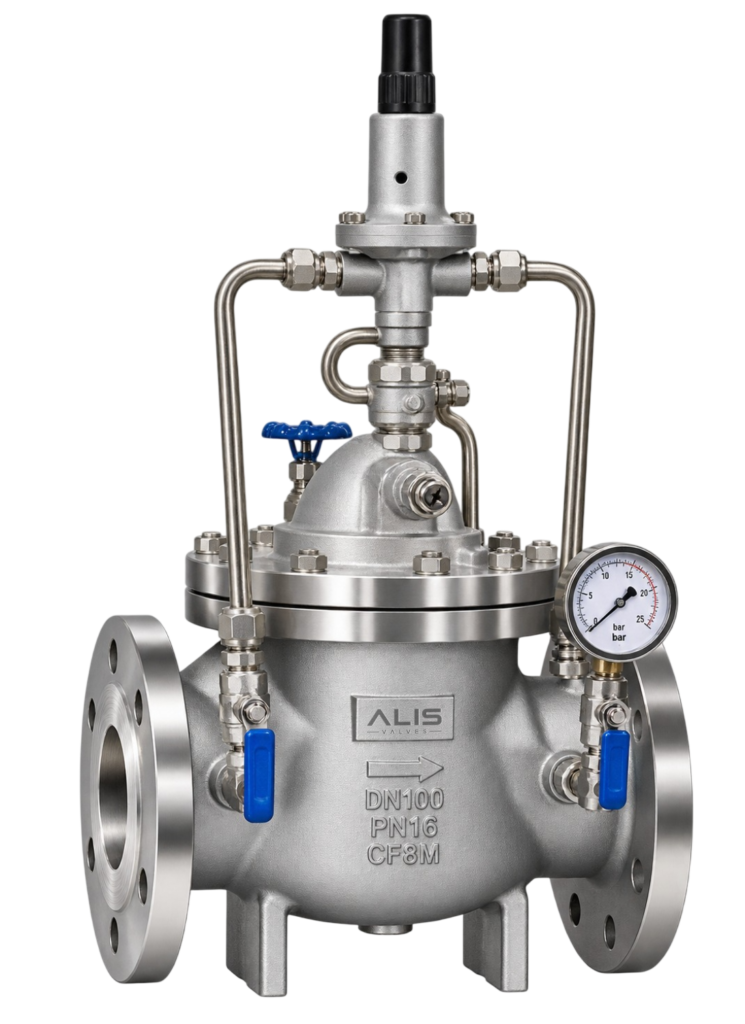
Safety Relief Valve is an automatic pressure protection device designed to protect pressurized equipment and piping systems from excessive pressure. The valve opens when the system reaches its specified set pressure and discharges the process medium to reduce pressure, then closes after pressure returns to an acceptable level. ALIS Valves is a Safety Relief Valve Manufacturer and Supplier in India, offering pressure protection solutions for various industrial applications. Safety relief valves can be selected for applications involving steam, air, gases, liquids and other compatible process media, depending on the valve design and service conditions. Selection should consider set pressure, relieving capacity, operating pressure, temperature, back pressure, media properties, material compatibility and applicable design requirements.
Size Range
15 NB to 100 NB
Seat Material
Metal / Soft Seat
Pressure Range
0.35 to 51 barG
Temperature Range
46°C to +260°C
Body Material
Carbon Steel / Stainless Steel
End Connection
Flanged / Threaded
Set Pressure
1 to 51 barG
Operation
Automatic Pressure Relief
Engineered valve solutions tailored for critical Cement operating processes.
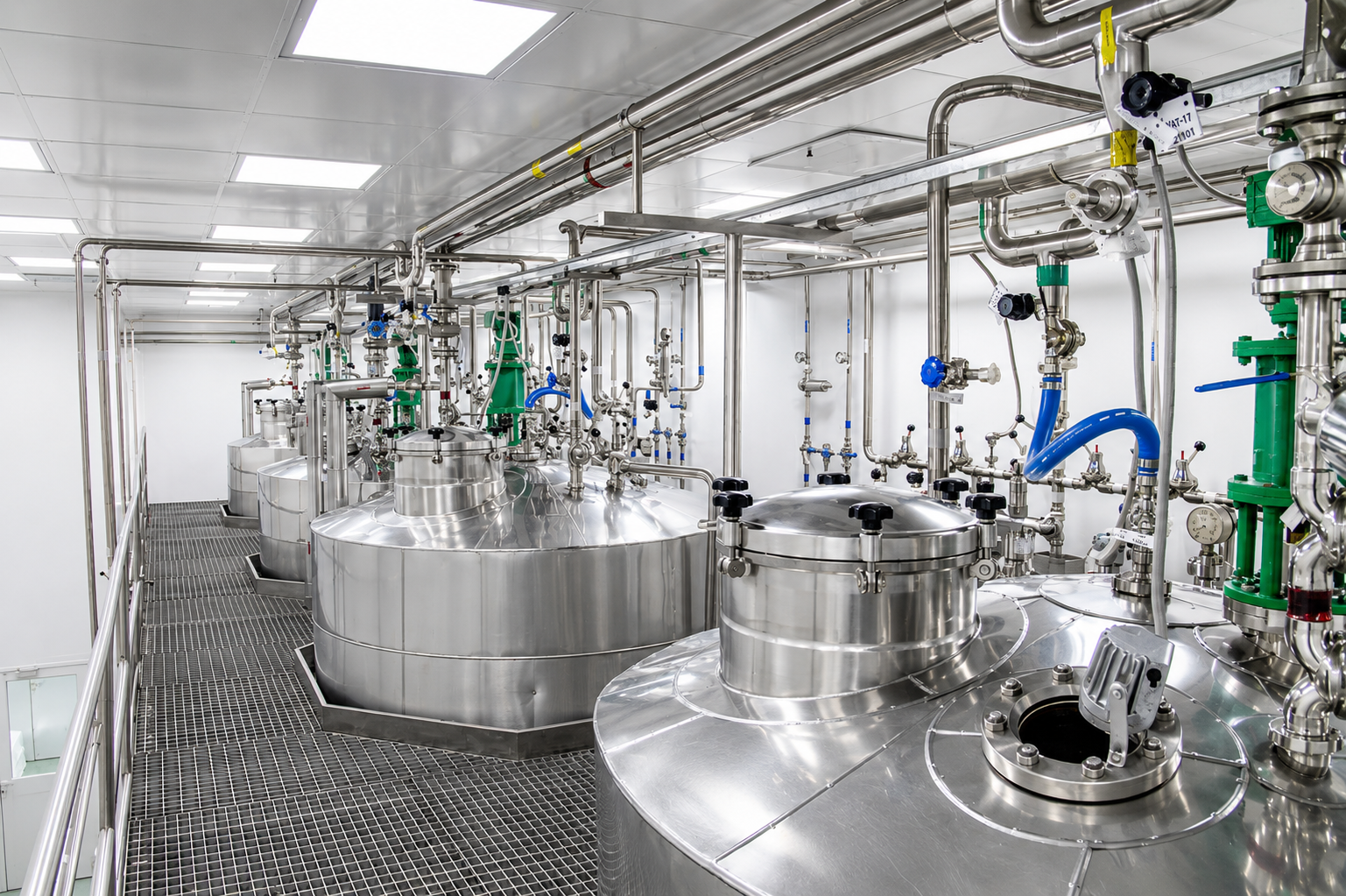
Engineered valve solutions tailored for critical Chemical operating processes.

Engineered valve solutions tailored for critical Data centres operating processes.

Engineered valve solutions tailored for critical Fertilizer operating processes.
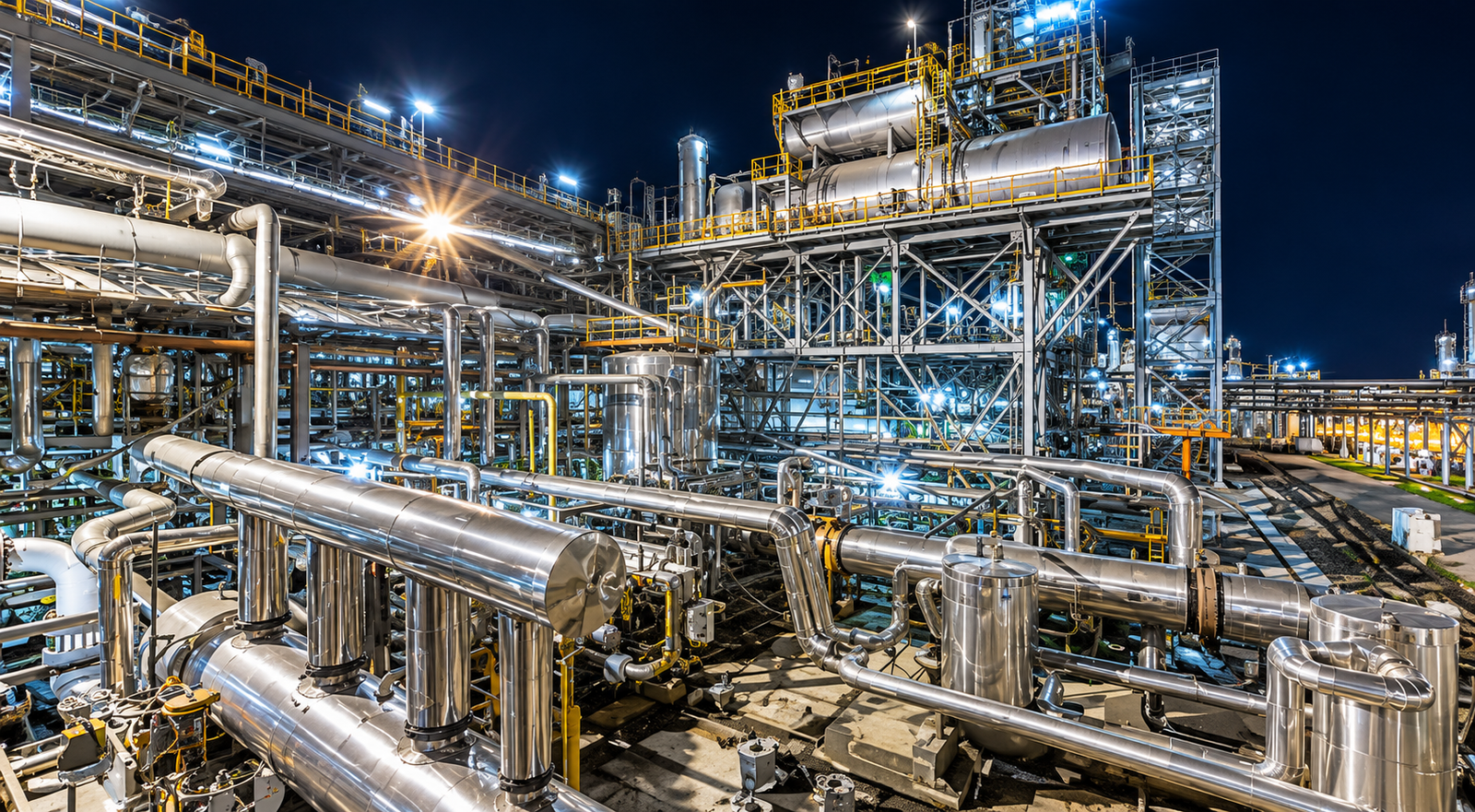
High-performance flow automation engineered for Ammonia operations.
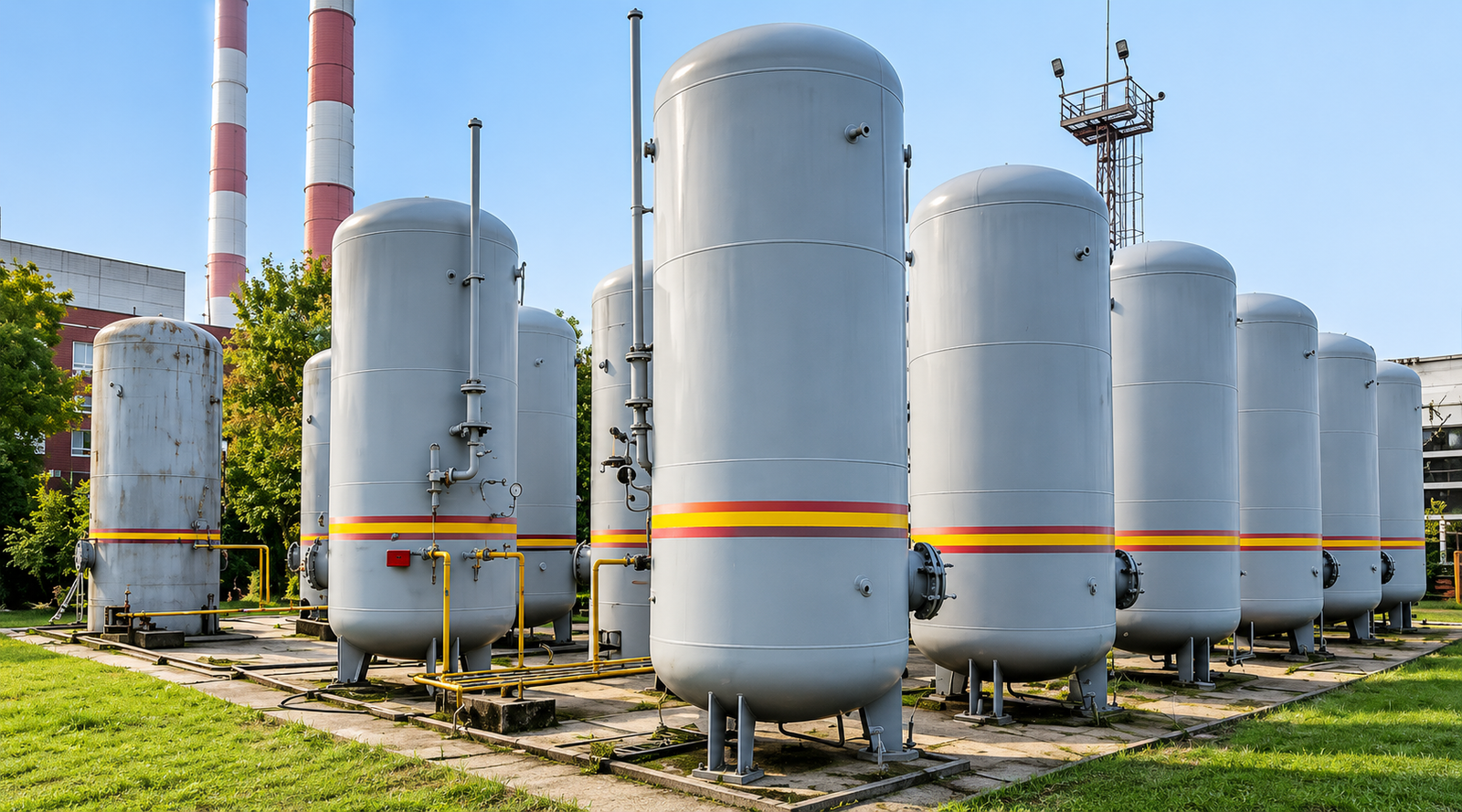
High-performance flow automation engineered for CO₂ operations.
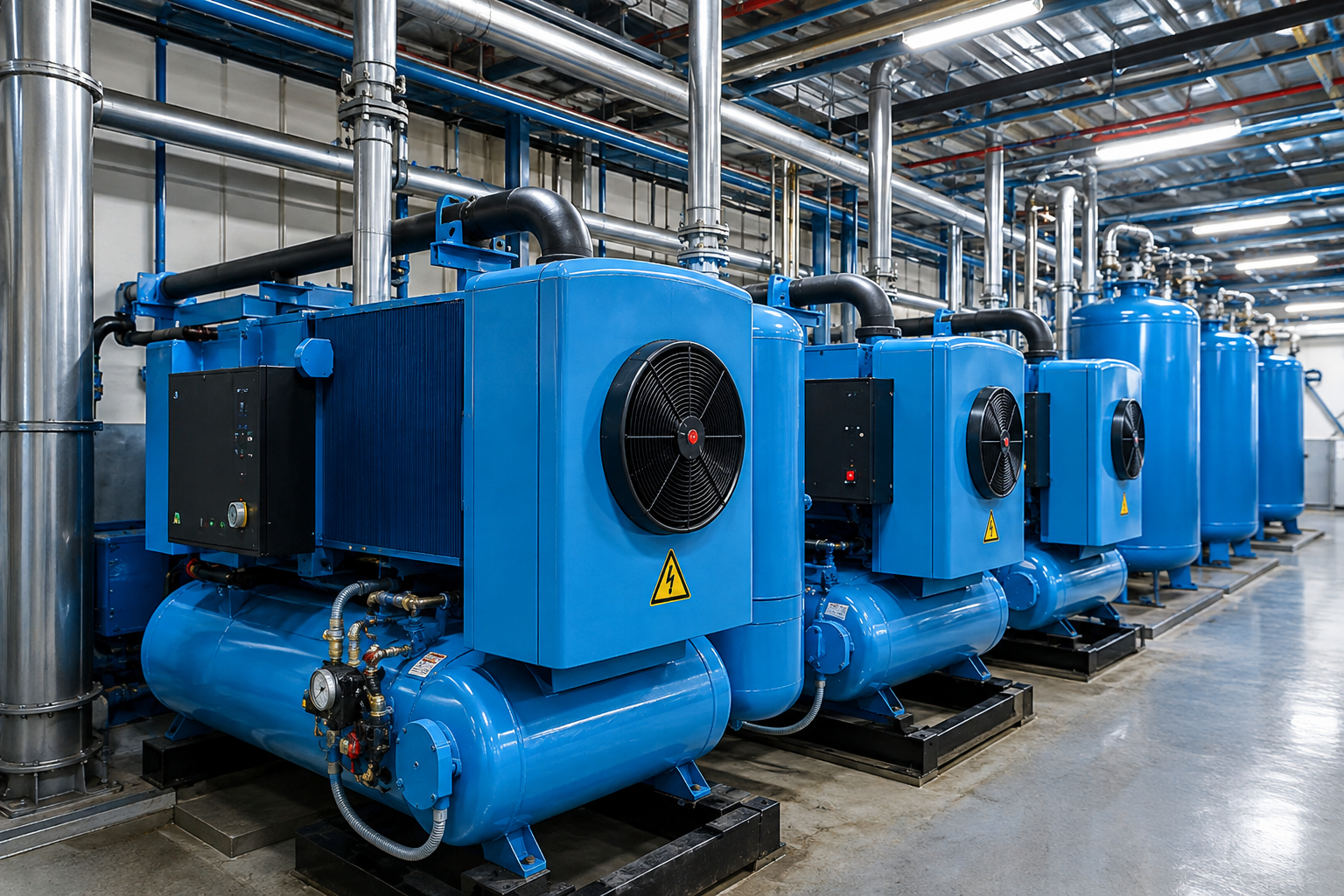
High-performance flow automation engineered for Compressed Air operations.
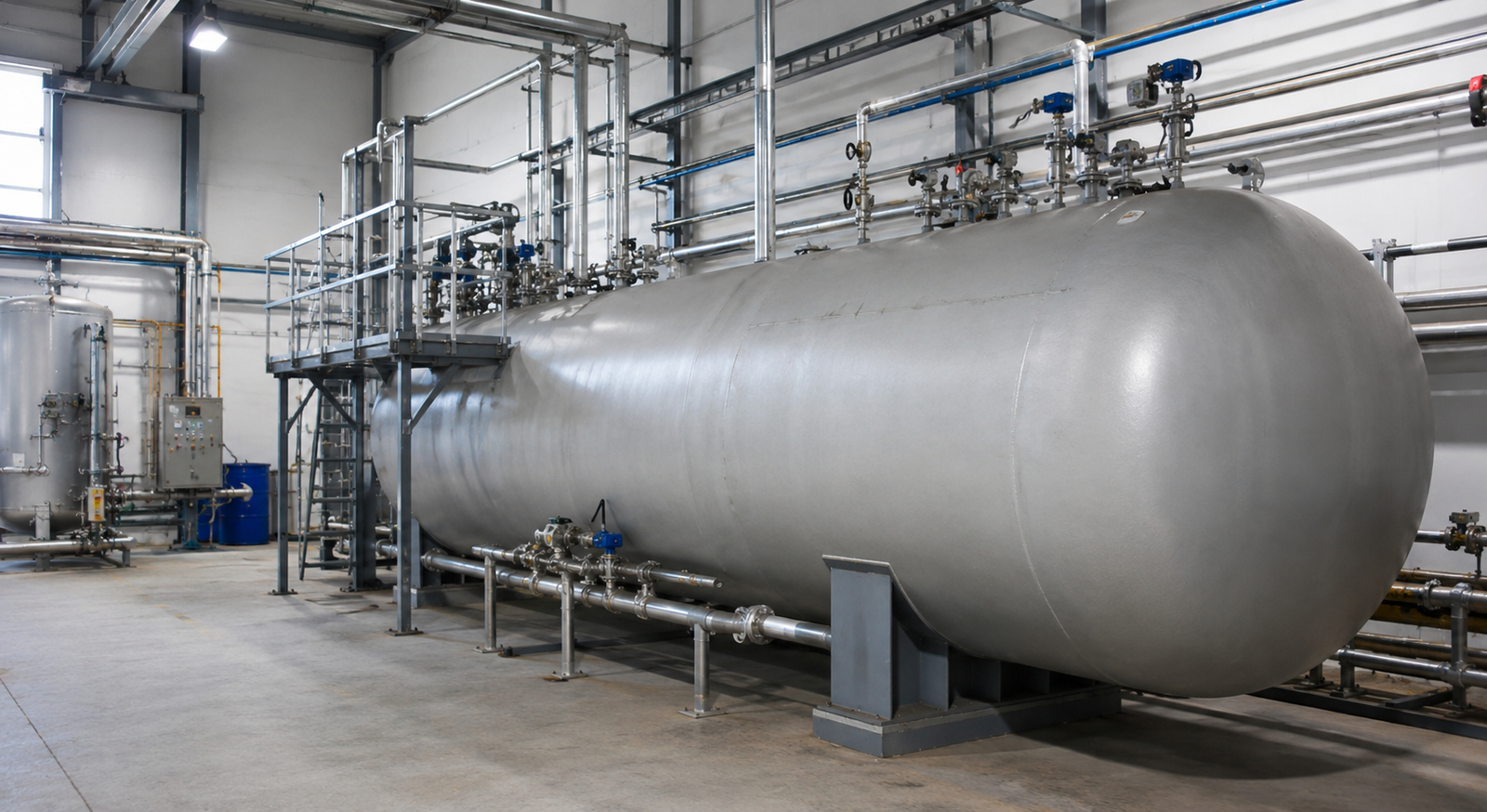
High-performance flow automation engineered for Cryogenic operations.
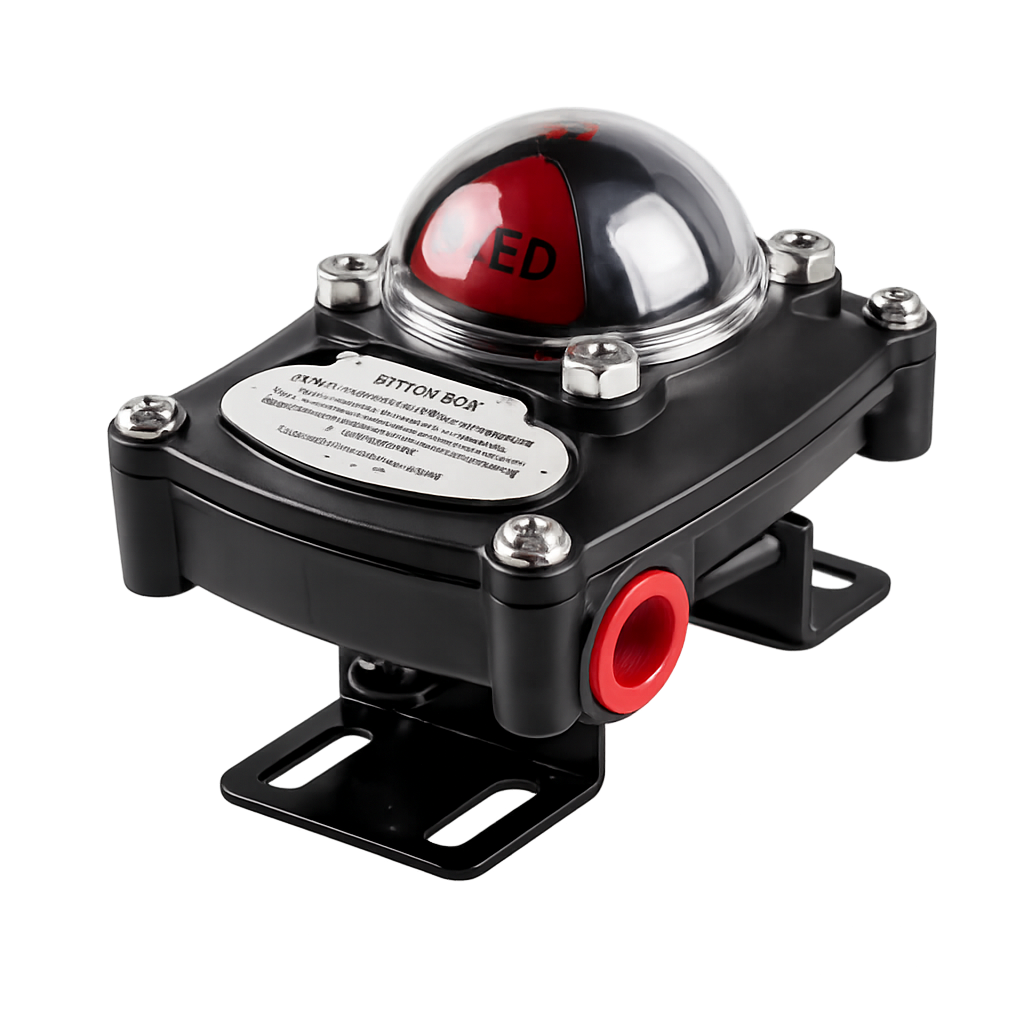
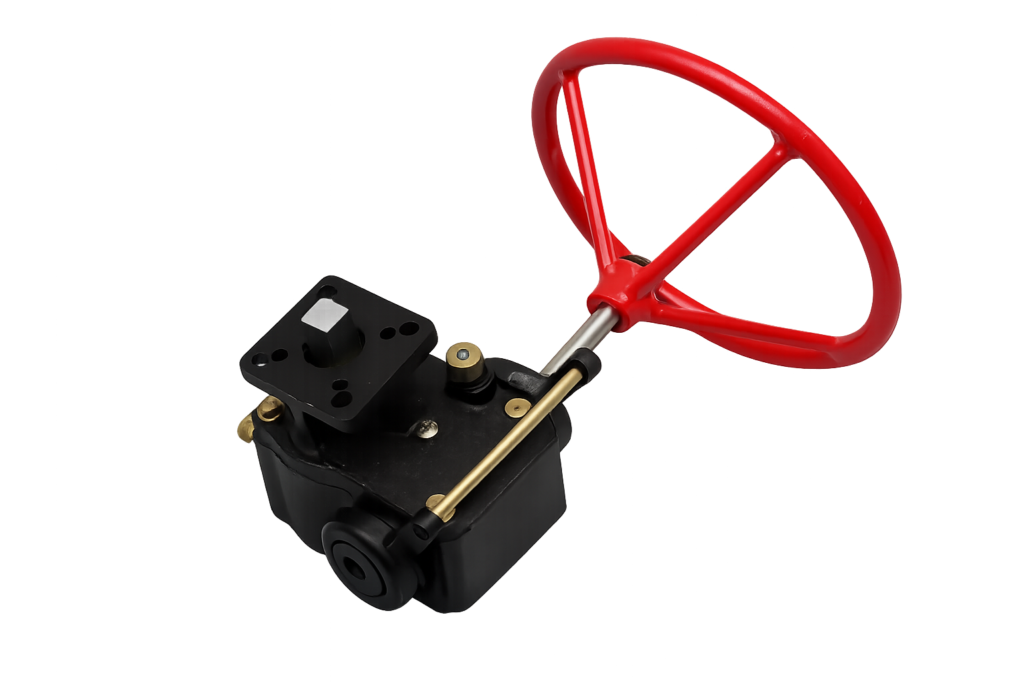
Alis Valves is a leading Manual Override (MOR) Manufacturer & Supplier in…
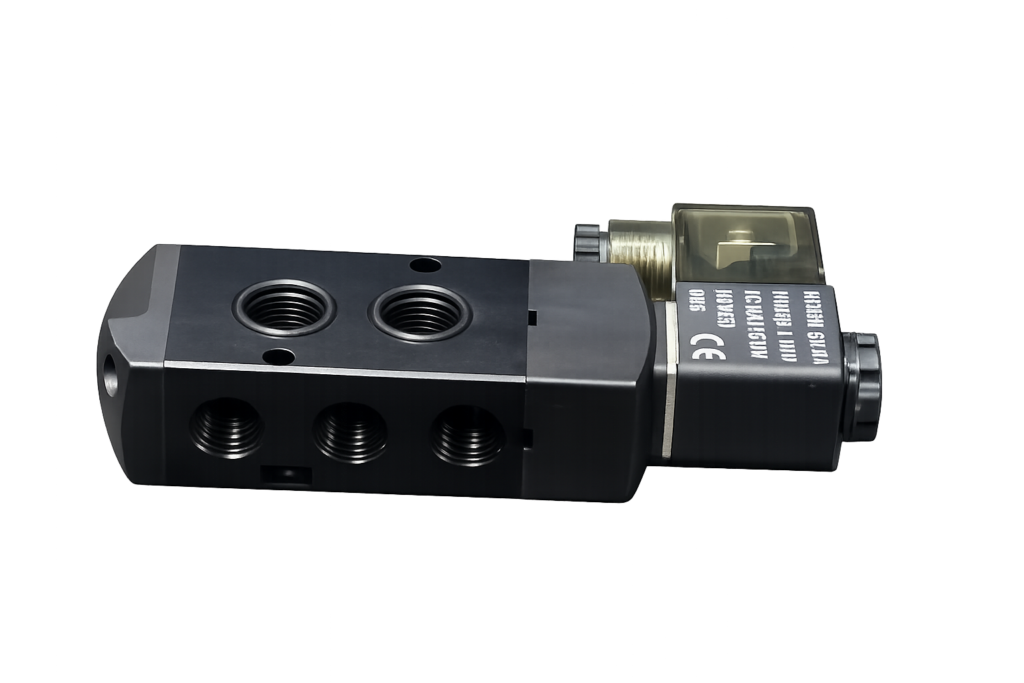
ALIS Valves is a Solenoid Valve Manufacturer and Supplier in India, offering…
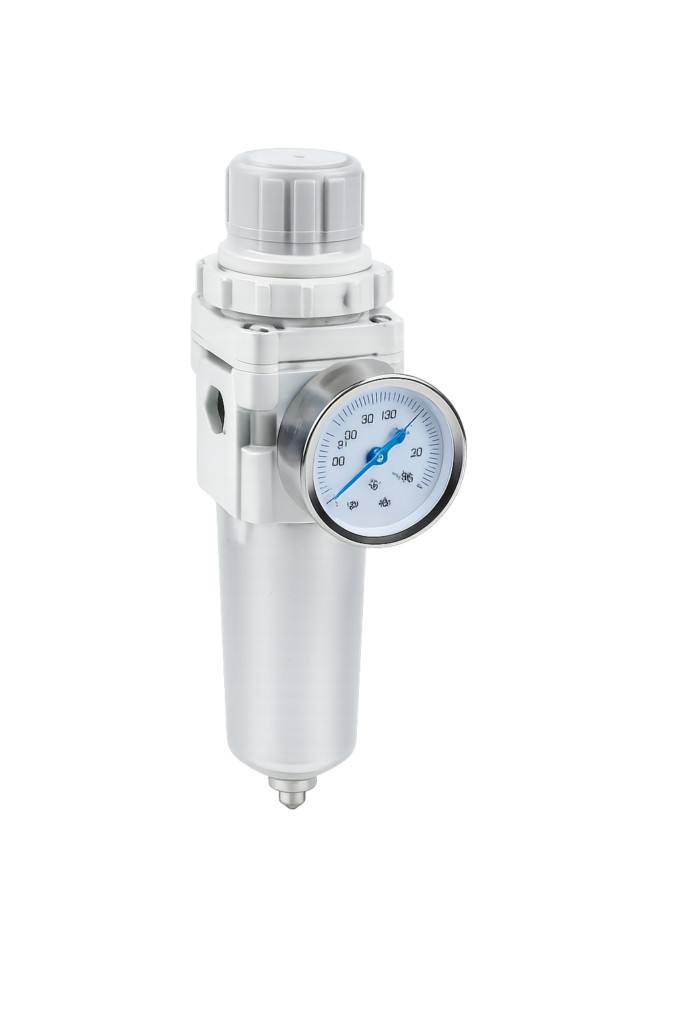
Alis Valves is a trusted Air Filter Regulator (AFR) Manufacturer Supplier in…
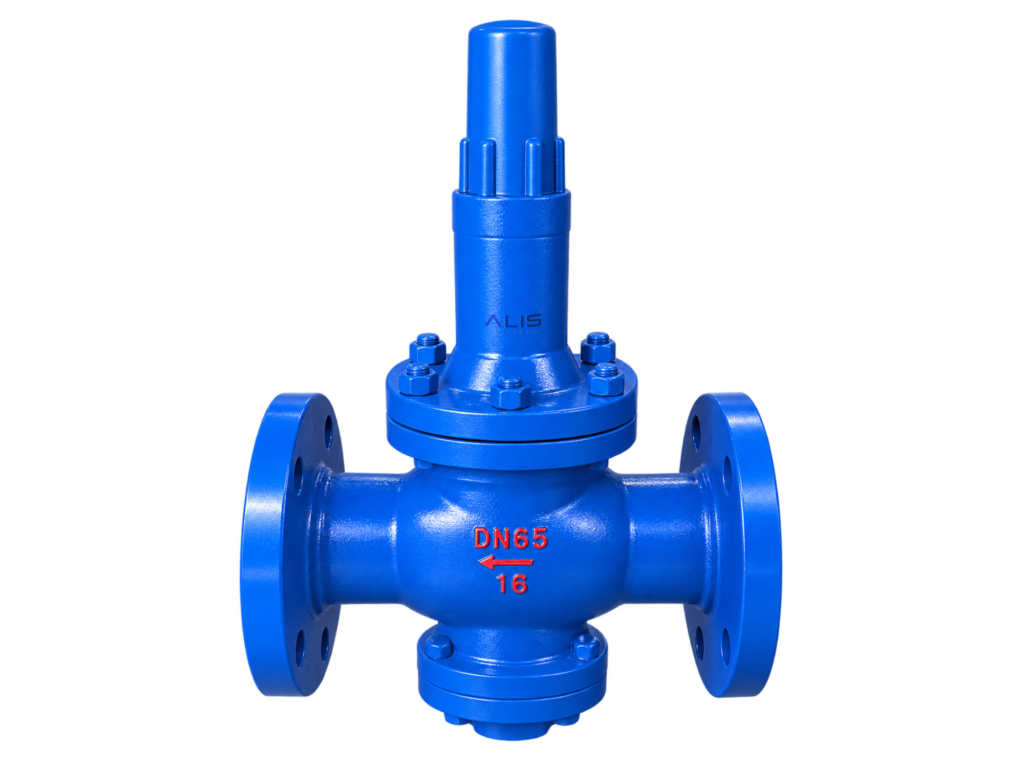
Alis Valves offers Direct Acting Pressure Reducing Valve Manufacturer Supplier India designed…
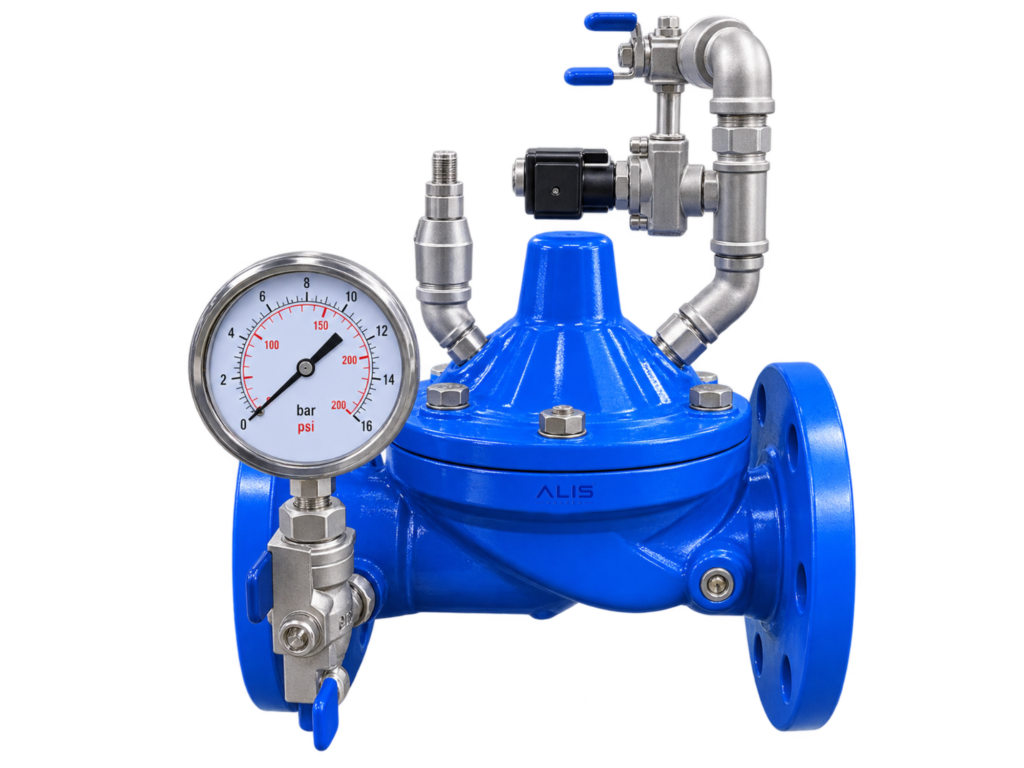
Alis Valves offers high-quality Water Pressure Reducing Valve Manufacturer Supplier in India…
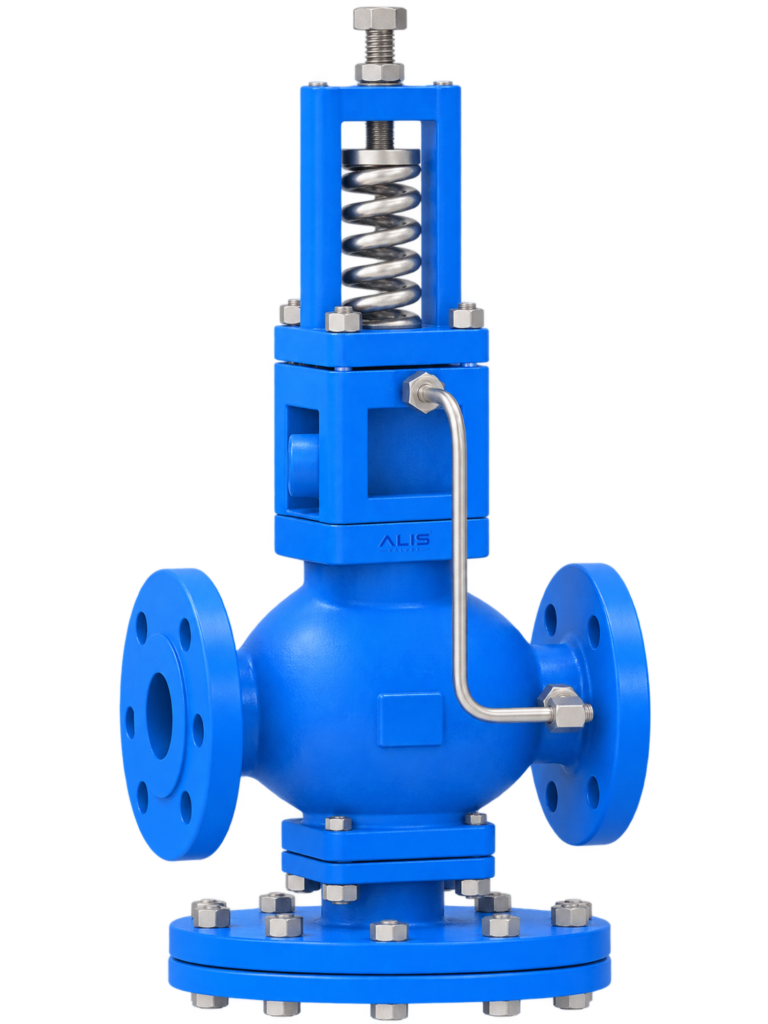
Alis Valves offers high-performance Steam Pressure Reducing Valve Manufacturer Supplier in India…
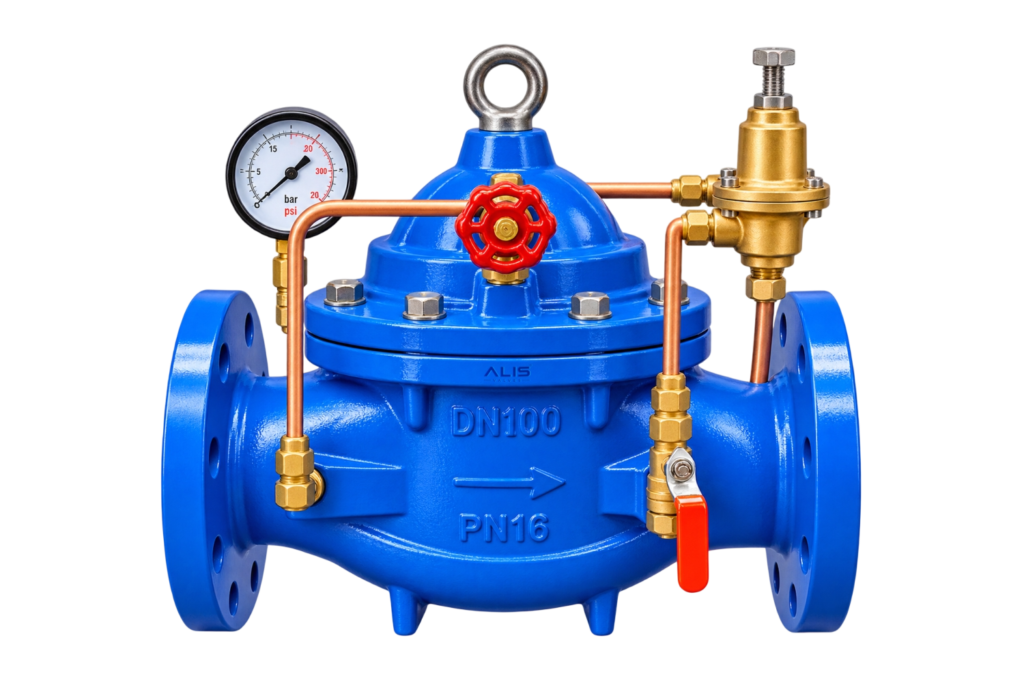
Alis Valves offers Pilot Operated Pressure Reducing Valve Manufacturer Supplier in India…