
Cement
Engineered valve solutions tailored for critical Cement operating processes.

Alis Valves is an Pneumatic Closing Check Valve Manufacturer Supplier in India Offering designed to prevent reverse flow in piping systems with controlled pneumatic closing operation. It provides reliable flow isolation and helps reduce sudden backflow, making it suitable for water treatment, industrial process lines, pumping systems, chemical plants, and other automated applications.
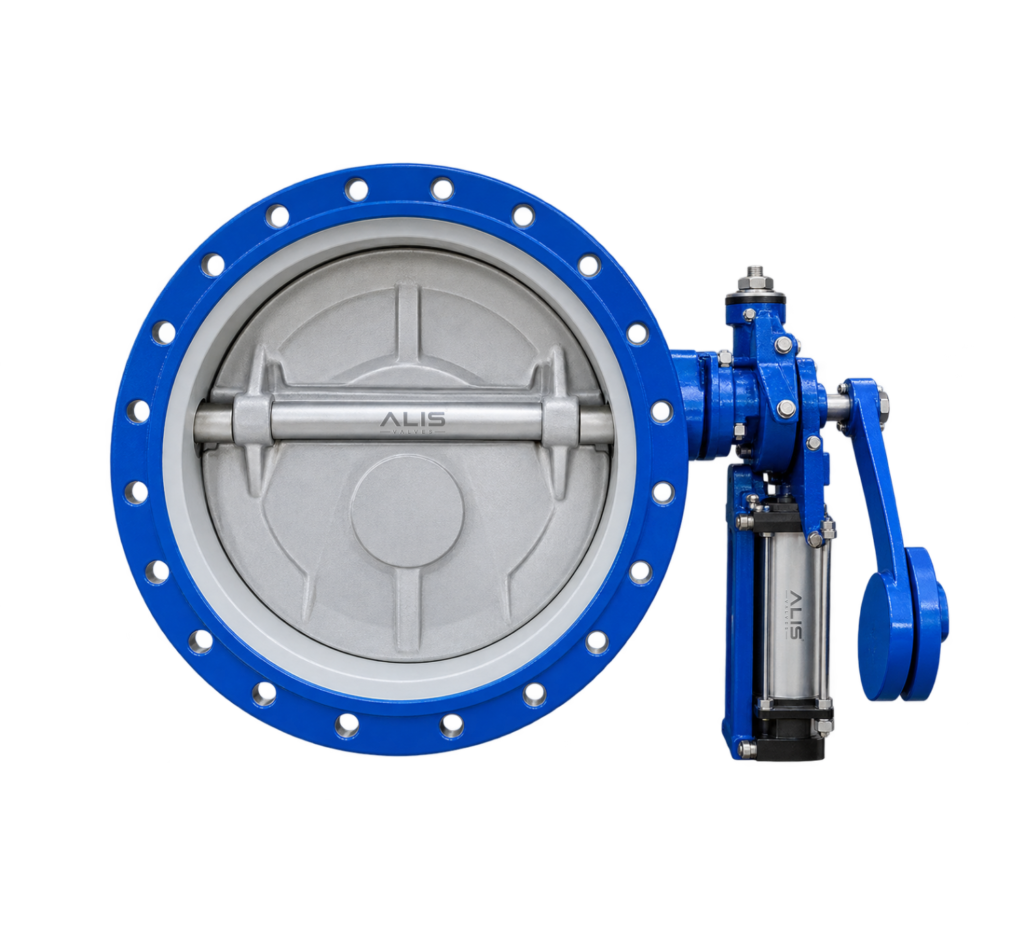
ALIS Valves manufactures and supplies Pneumatic Closing Check Valves in India for industrial applications where preventing reverse flow is essential. These valves use a pneumatic-assisted closing mechanism to help control valve closure and reduce the risk of sudden backflow in pipelines.
They are suitable for applications such as water treatment plants, pumping stations, chemical processing units and industrial piping systems. By helping prevent reverse flow, a Pneumatic Closing Check Valve can support the protection of pumps, pipelines and connected equipment. The right valve depends on factors such as operating pressure, flow conditions, fluid type, valve size and material requirements.
At ALIS Valves, we understand that every application has different operating needs. Our team can help you identify a suitable valve configuration based on your process requirements and project specifications. Contact us to discuss your application and find the right solution for your system.
Size Range
DN25–DN500 (1"–20")
Pressure Rating
PN10 / PN16 / PN25 / PN40 / Class 150
Body Material
Cast Iron / Ductile Iron / Carbon Steel / Stainless Steel
Disc/Poppet Material
SS / Carbon Steel / Ductile Iron
Seat Material
EPDM / NBR / PTFE / Metal
Pilot Air Pressure
As per actuator/control design
Closing Mechanism
Pneumatic / Pilot-Assisted Closing
Function
Reverse Flow / Backflow Prevention
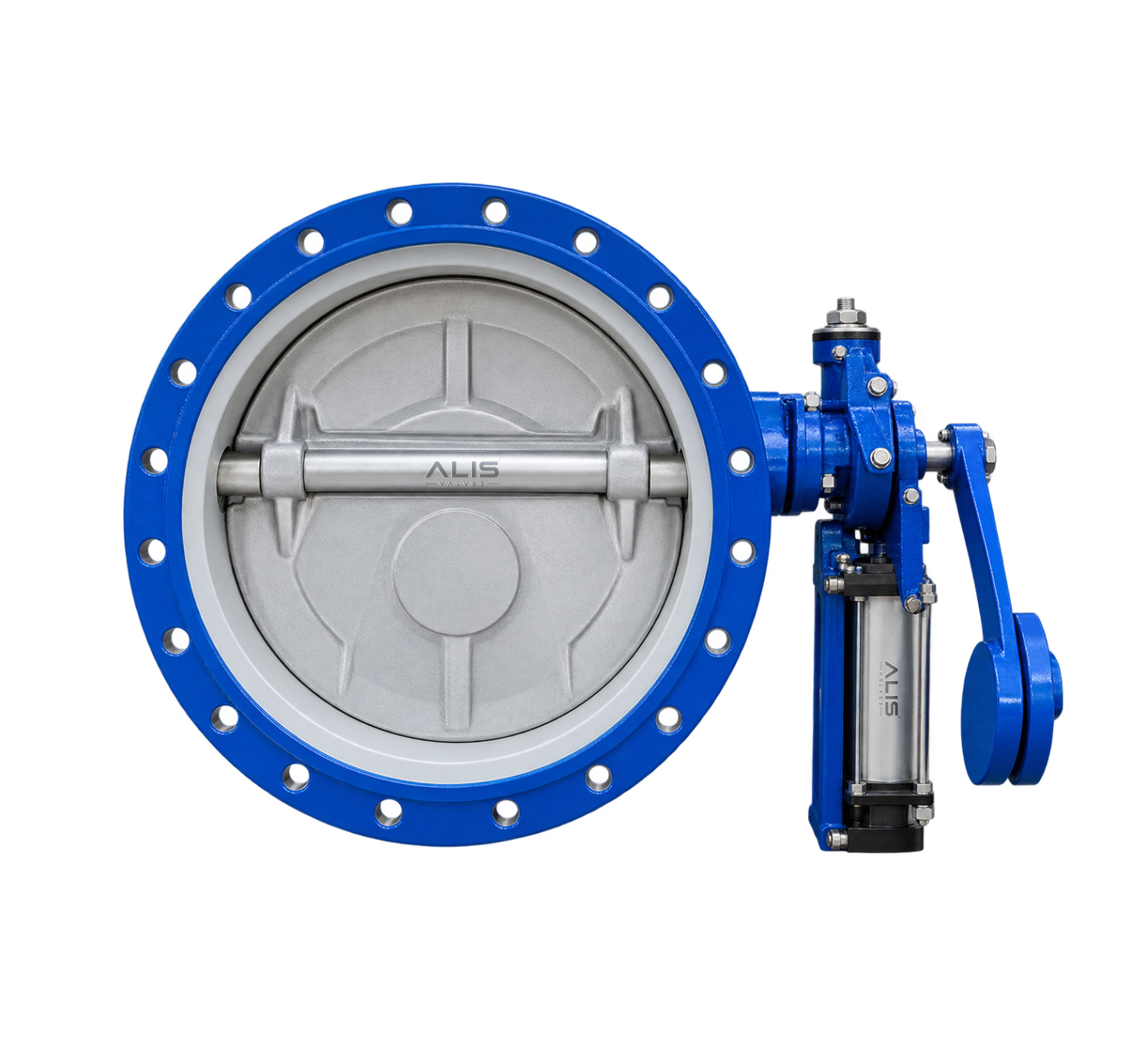
Engineered valve solutions tailored for critical Cement operating processes.
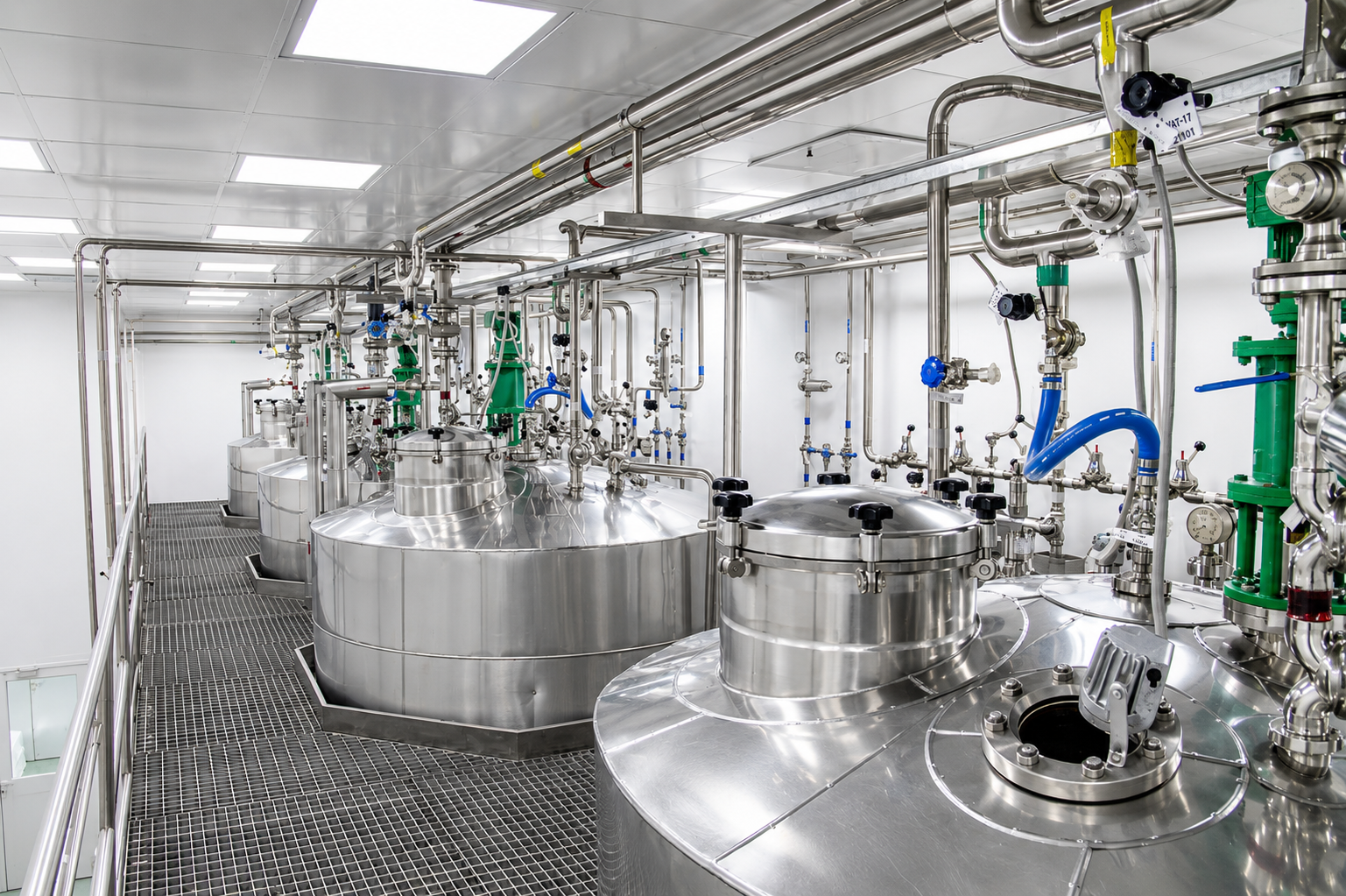
Engineered valve solutions tailored for critical Chemical operating processes.

Engineered valve solutions tailored for critical Data centres operating processes.

Engineered valve solutions tailored for critical Fertilizer operating processes.

Industrial Valves for Ammonia Applications Industrial valves used in ammonia systems are selected according…
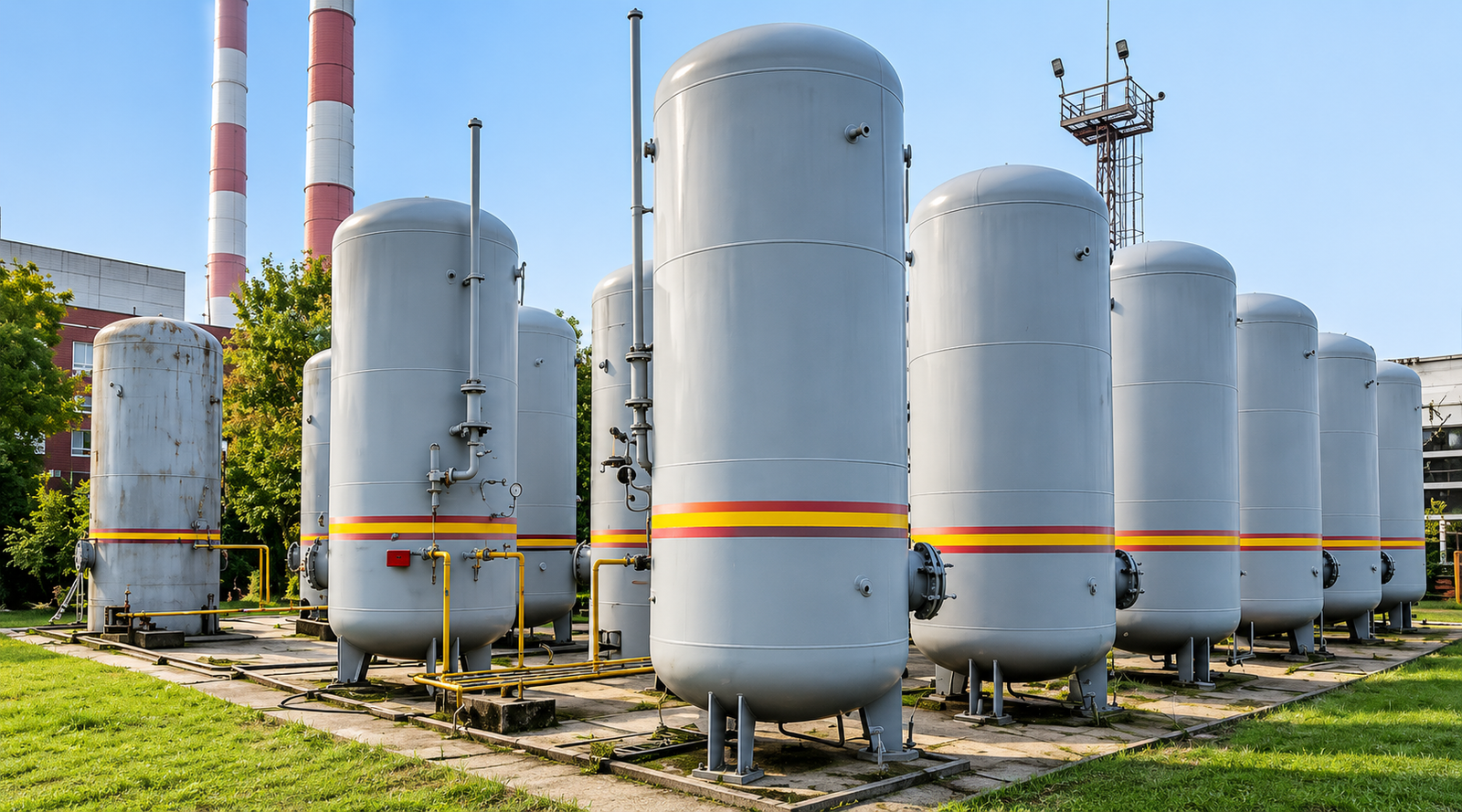
High-performance flow automation engineered for CO₂ operations.
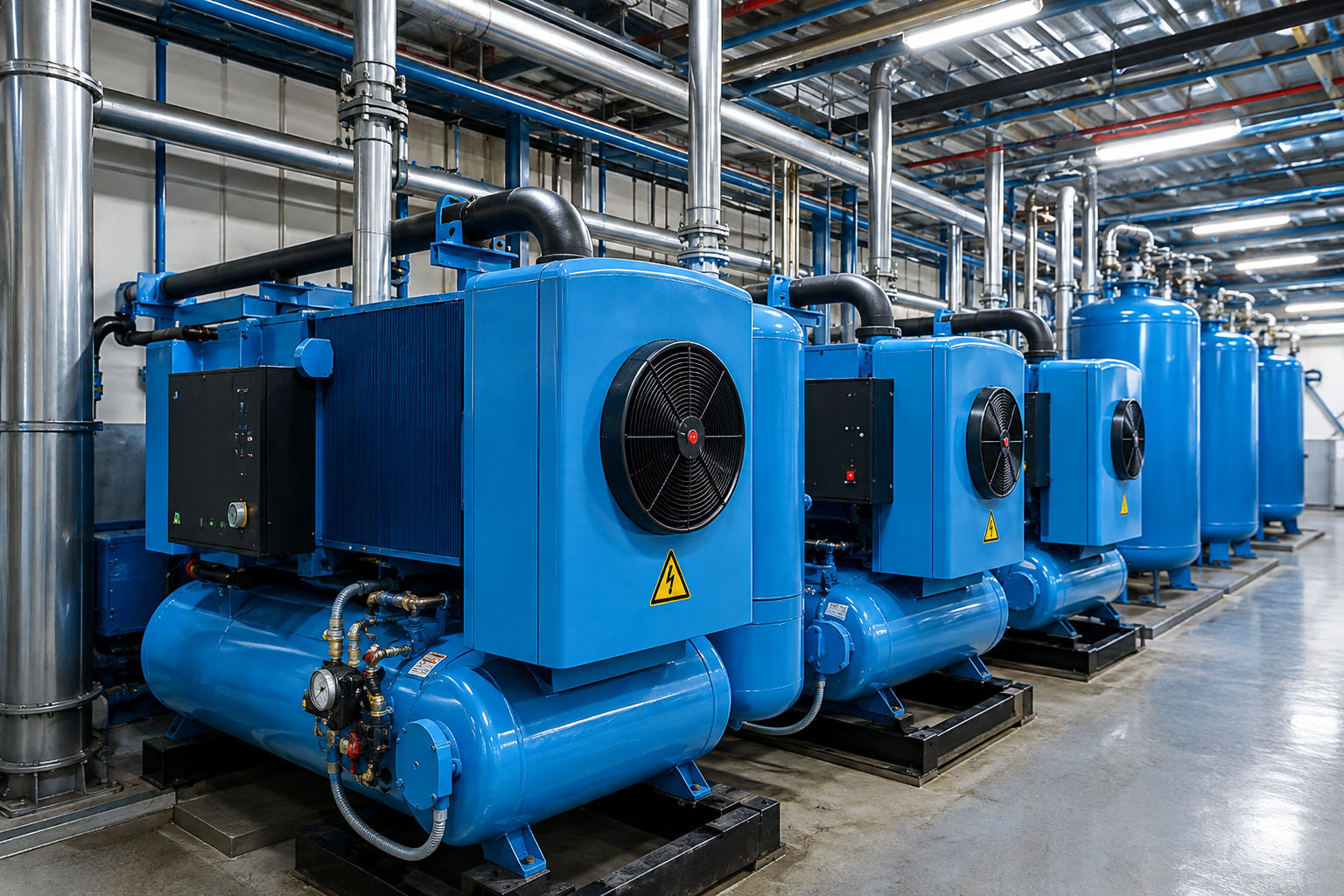
High-performance flow automation engineered for Compressed Air operations.
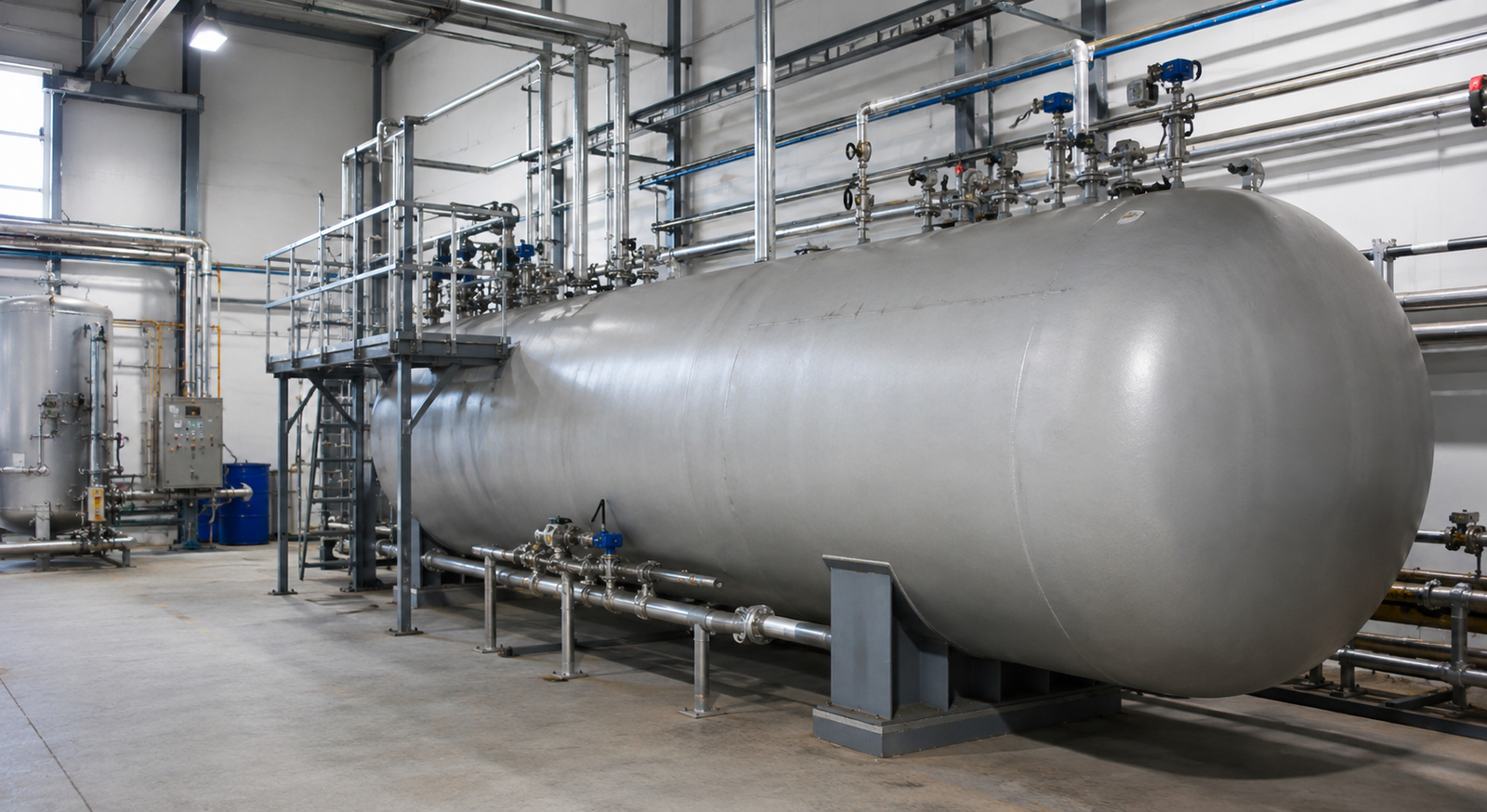
High-performance flow automation engineered for Cryogenic operations.
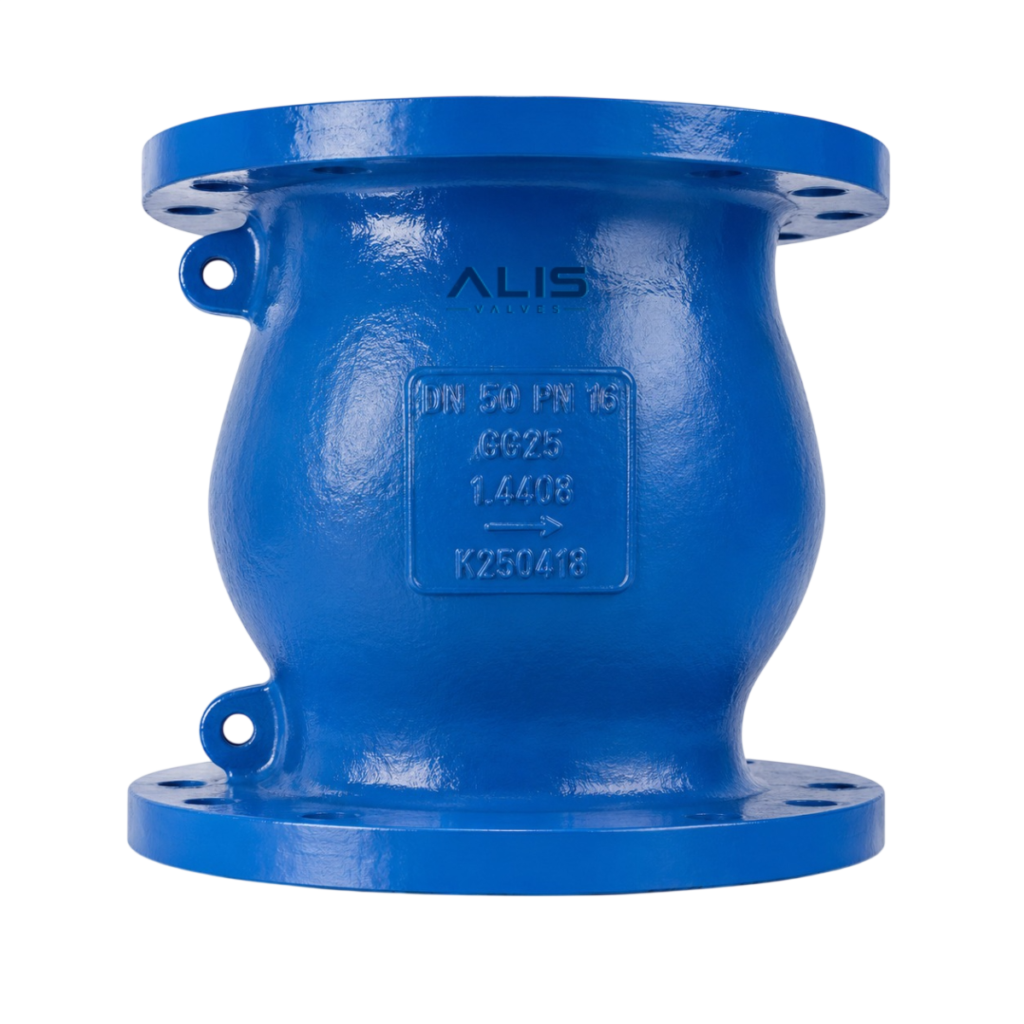
Axial Flow Check Valve Manufacturer Supplier in India is designed for reliable…
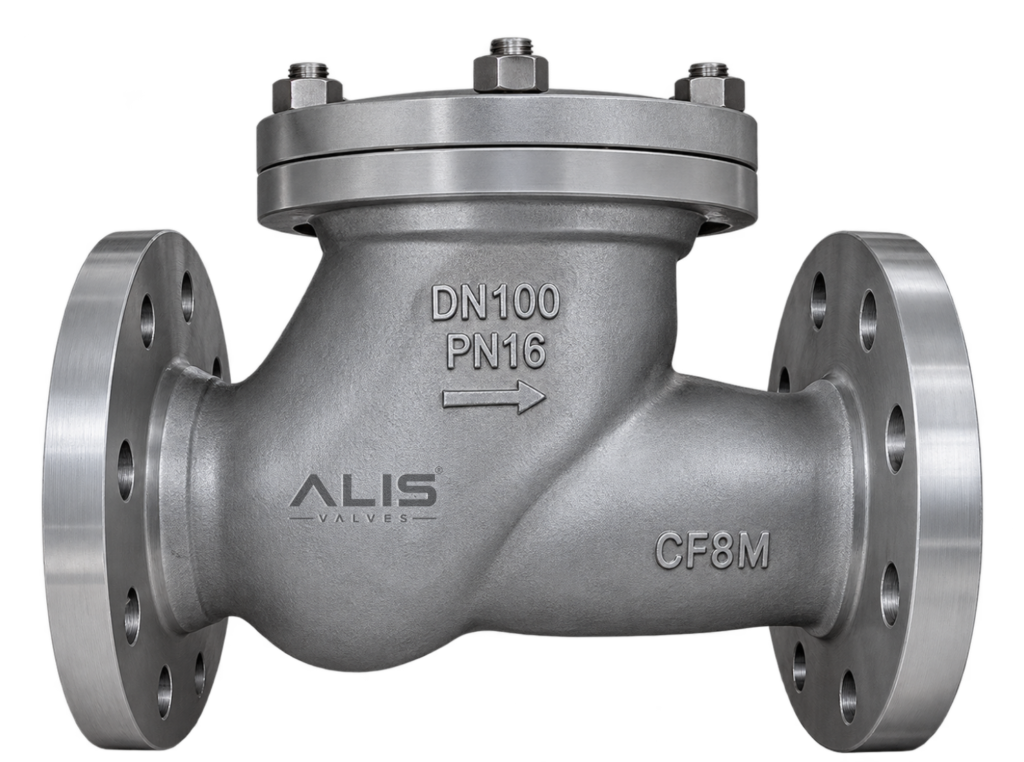
Ball Check Valve is designed to prevent reverse flow in pipelines using…
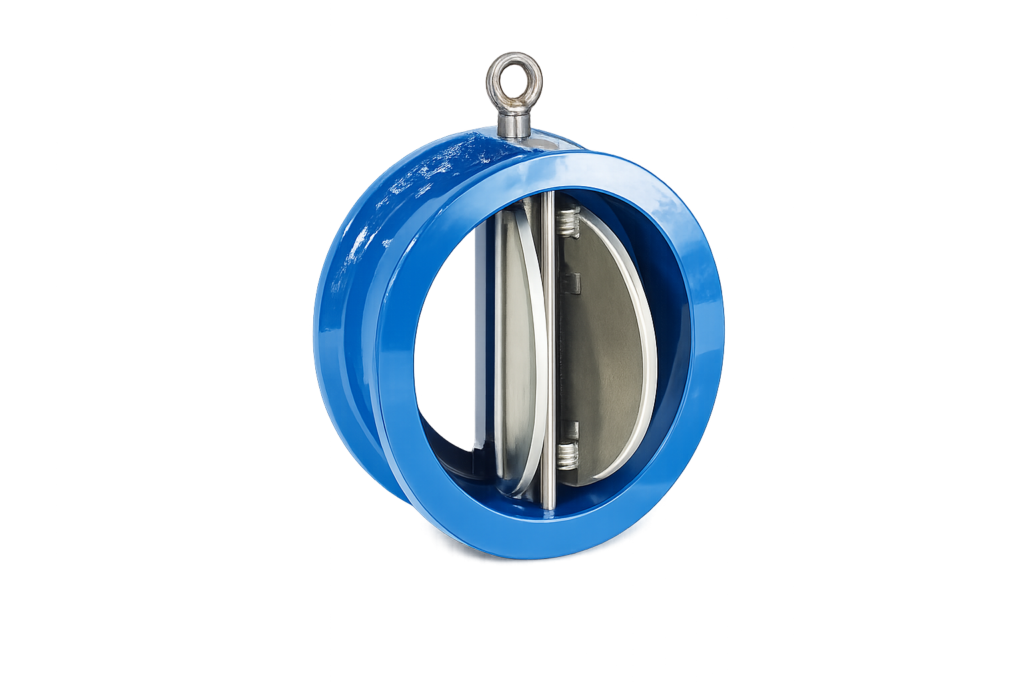
Alis Valves is a leading Dual Plate Check Valve Manufacturer & Supplier…
Alis Valves is an Pneumatic Closing Check Valve Manufacturer Supplier in India…