Cement
Engineered valve solutions tailored for critical Cement operating processes.

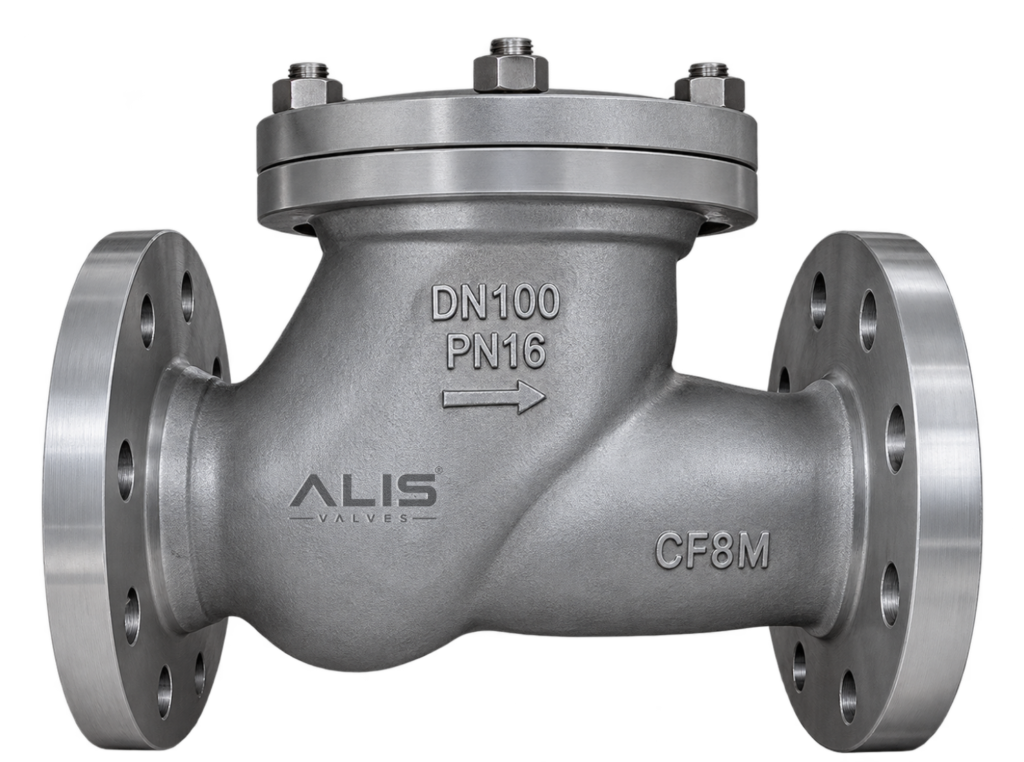
ALIS Valves is a Single Disc Swing Check Valve Manufacturer in India, offering reliable non-return valve solutions for industrial pipeline systems. The Single Disc Swing Check Valve is designed to prevent reverse flow while allowing fluid to pass in one direction. It features a single hinged disc that opens under forward flow pressure and automatically returns towards the seat when flow decreases or reverses. Also known as a Single Disc Check Valve or Swing Type Check Valve, it provides reliable backflow prevention with low flow resistance when properly sized. These industrial swing check valves are suitable for water treatment, oil and gas, chemical processing, power generation and general industrial applications.
The Single Disc Swing Check Valve is a non-return valve designed to allow fluid flow in one direction and prevent reverse flow within industrial pipeline systems. It operates automatically through the movement of a single hinged disc, eliminating the need for external actuation or manual operation.
The valve is commonly used in applications where backflow prevention is essential to protect pumps, pipelines, equipment and process systems.
Construction and Working Principle
The Single Disc Swing Check Valve consists of a valve body, a single disc, hinge or pivot assembly, seat and cover arrangement. The disc is mounted inside the valve body and moves around its hinge point according to the direction and velocity of fluid flow.
During forward flow, the fluid pressure pushes the disc away from the seating surface, allowing the medium to pass through the valve. When the flow decreases or reverses, the disc moves back towards the seat under the influence of reverse-flow pressure, gravity and the valve’s mechanical arrangement.
The disc contacts the seating surface to restrict reverse flow. Closing performance depends on valve orientation, disc weight, hinge design, fluid characteristics and operating conditions.
Design Features
Single-disc construction for automatic non-return operation.
Hinged disc arrangement for forward flow movement.
Automatic closure when reverse-flow conditions develop.
No external power or actuator required.
Low flow resistance when correctly sized and fully open.
Available with different body, disc and seating material options, depending on design.
Suitable for selected liquid and gas pipeline applications.
Seat Material
Metal Seated / Soft Seated, as designed
Hinge Material
Hinge Material
End Connection
Flanged / Other available configurations
Disc Material
Cast Iron / Ductile Iron / Carbon Steel / Stainless Steel
Body Material
Cast Iron / Ductile Iron / Carbon Steel / Stainless Steel
Operation
Self-Actuated by Fluid Flow
Disc Arrangement
Single Disc
Closing Mechanism
Reverse-flow pressure and disc arrangement
Cracking Pressure
Minimum differential pressure required to initiate disc opening
Pressure Drop
Depends on flow rate, valve size and internal geometry
Reverse Leakage
Depends on seat design and operating conditions
Engineered valve solutions tailored for critical Cement operating processes.
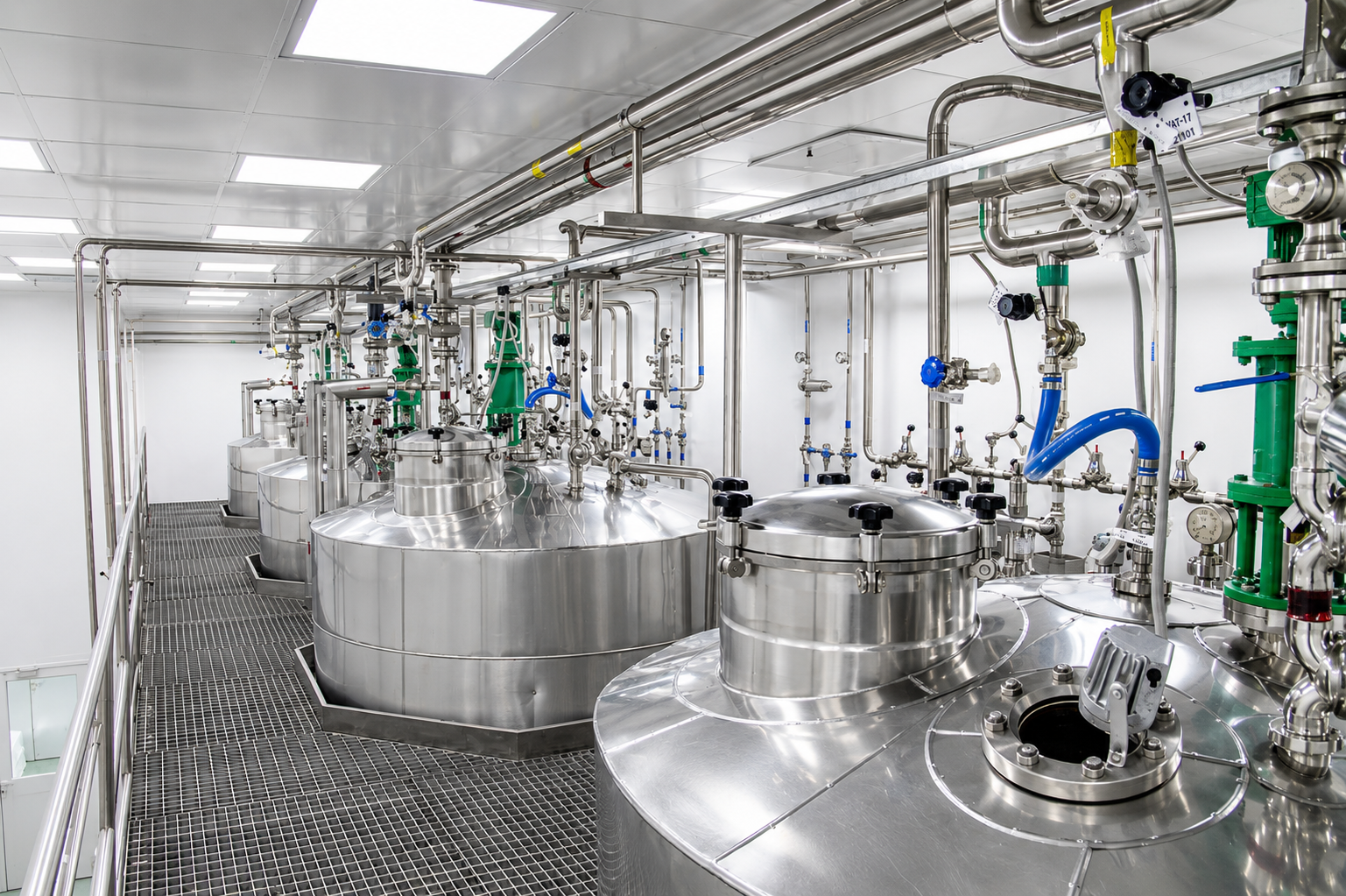
Engineered valve solutions tailored for critical Chemical operating processes.

Engineered valve solutions tailored for critical Data centres operating processes.

Engineered valve solutions tailored for critical Fertilizer operating processes.

High-performance flow automation engineered for Ammonia operations.
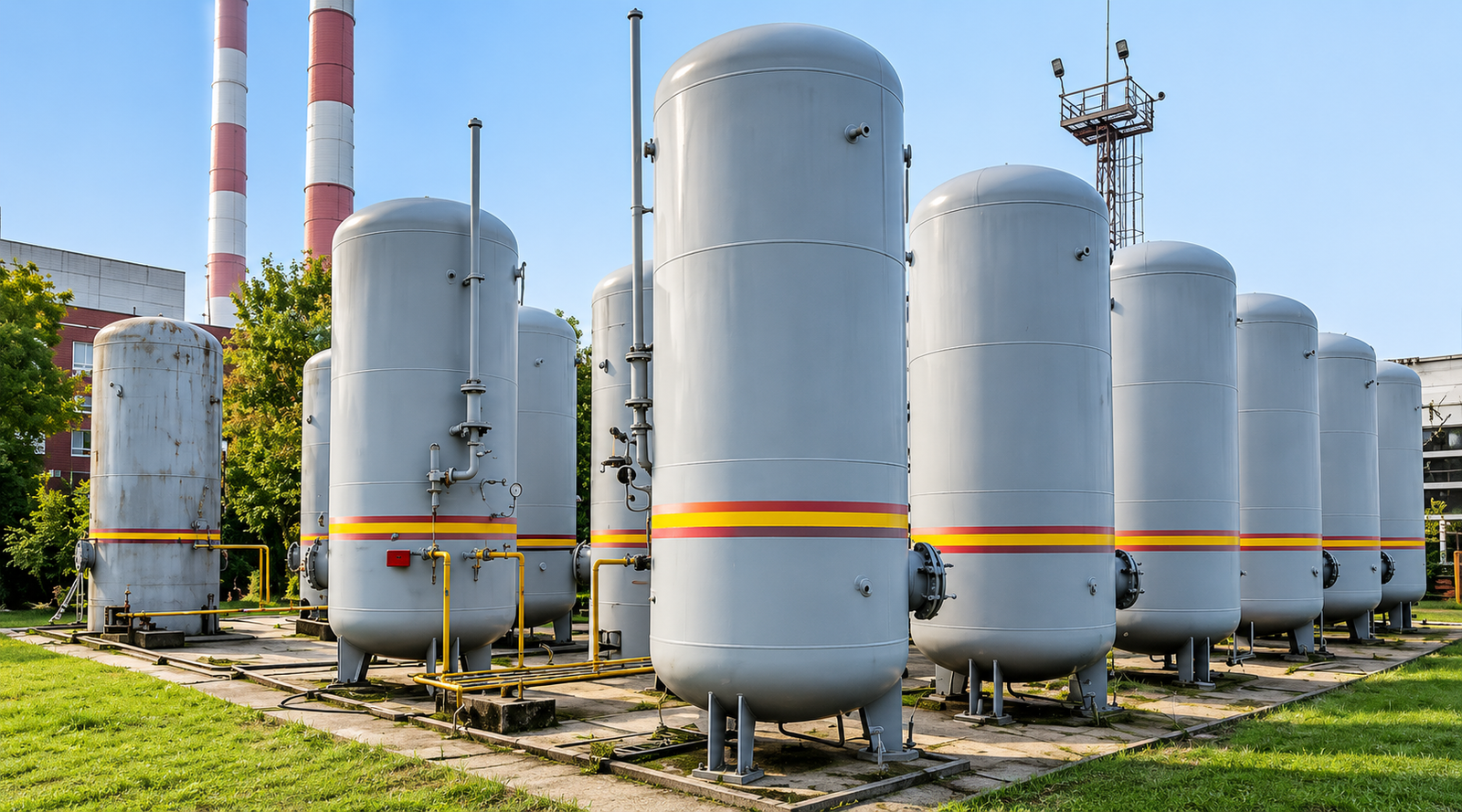
High-performance flow automation engineered for CO₂ operations.
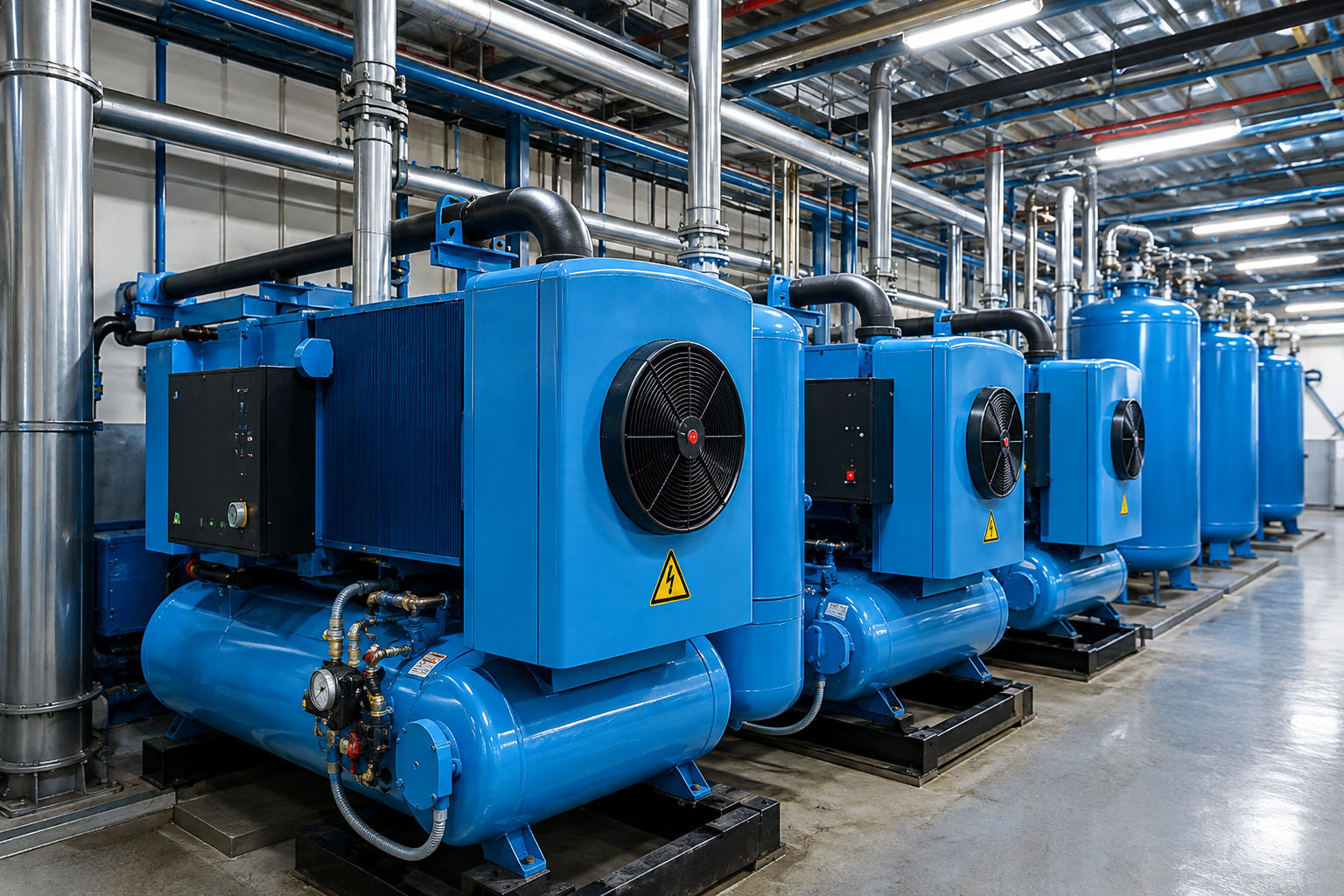
High-performance flow automation engineered for Compressed Air operations.
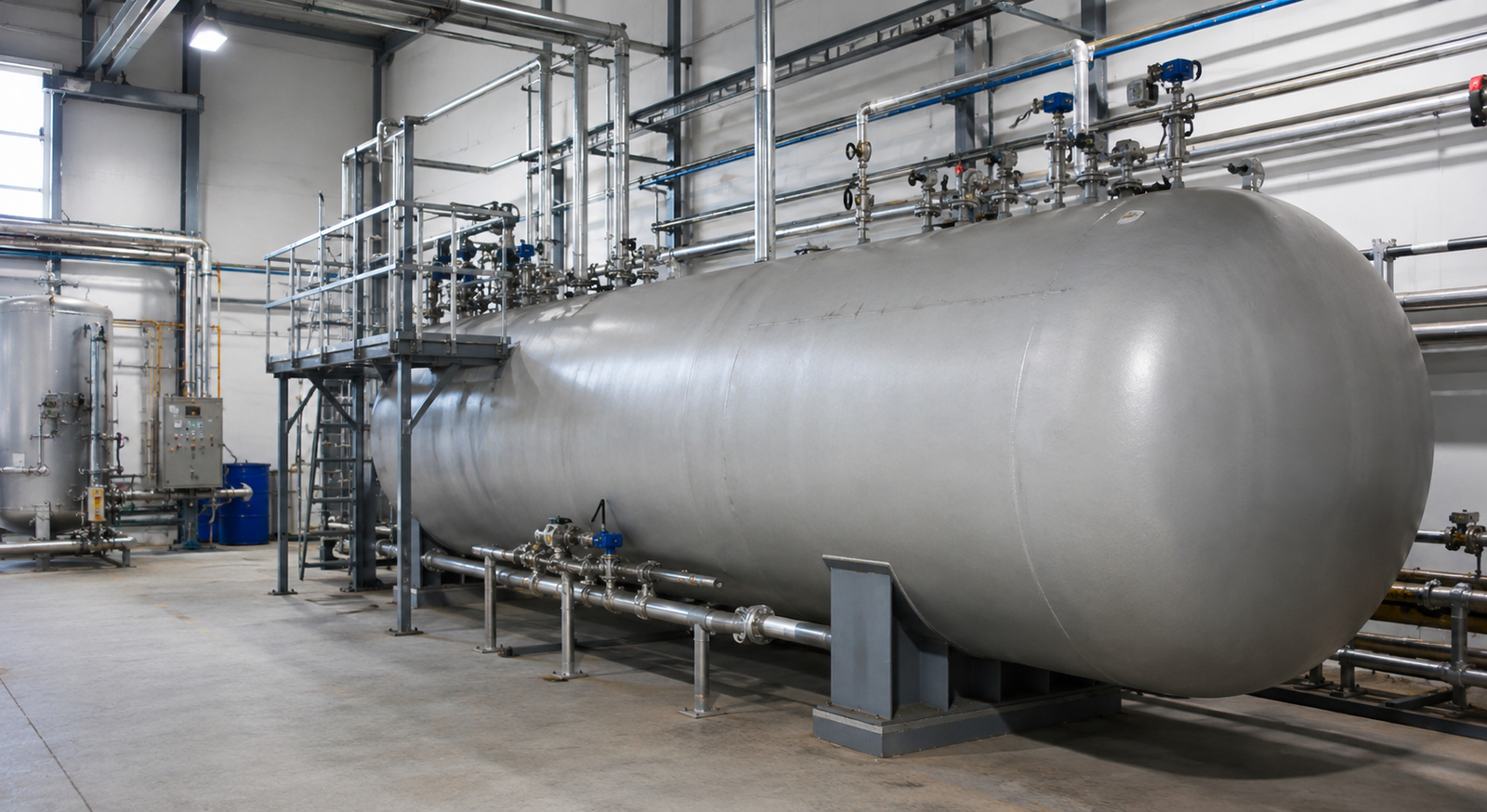
High-performance flow automation engineered for Cryogenic operations.
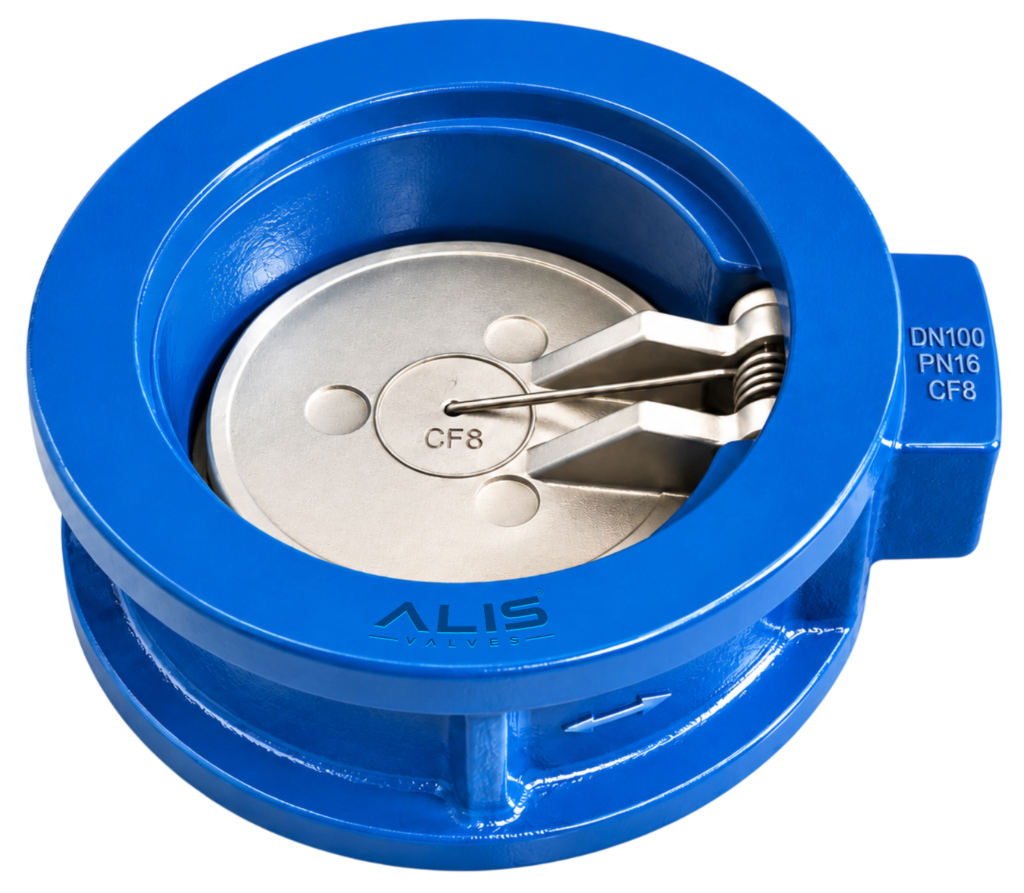
Single Disc Swing Check valve
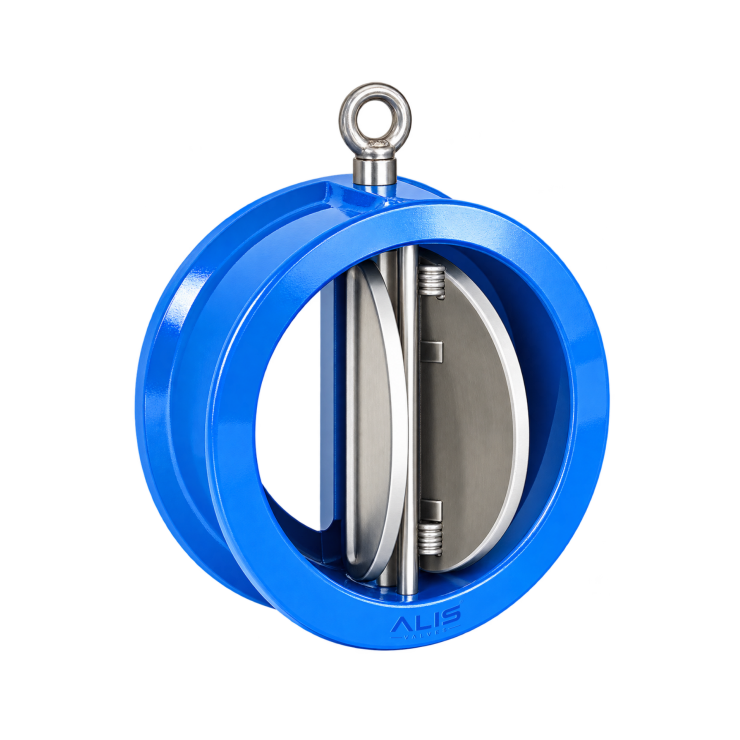
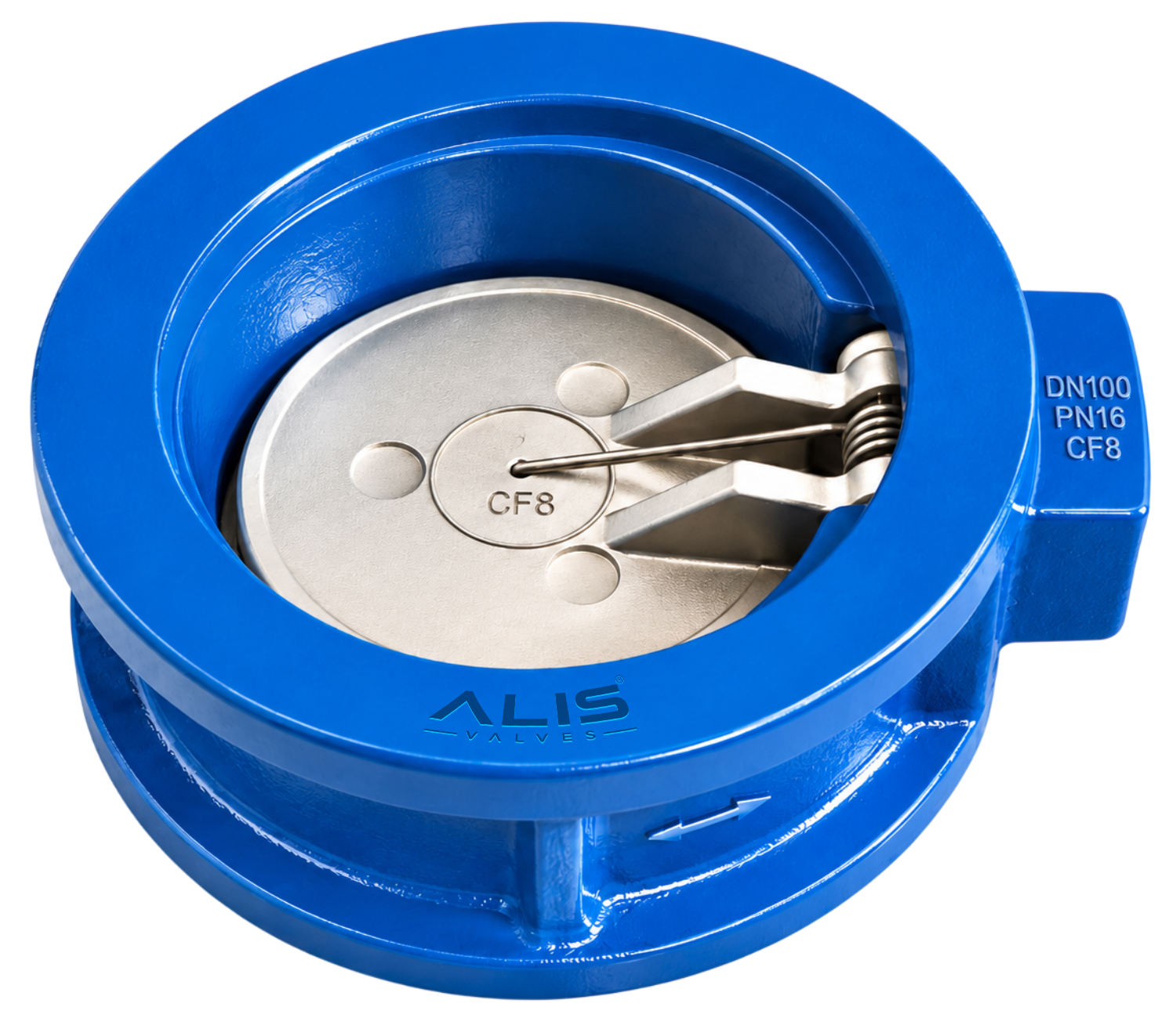
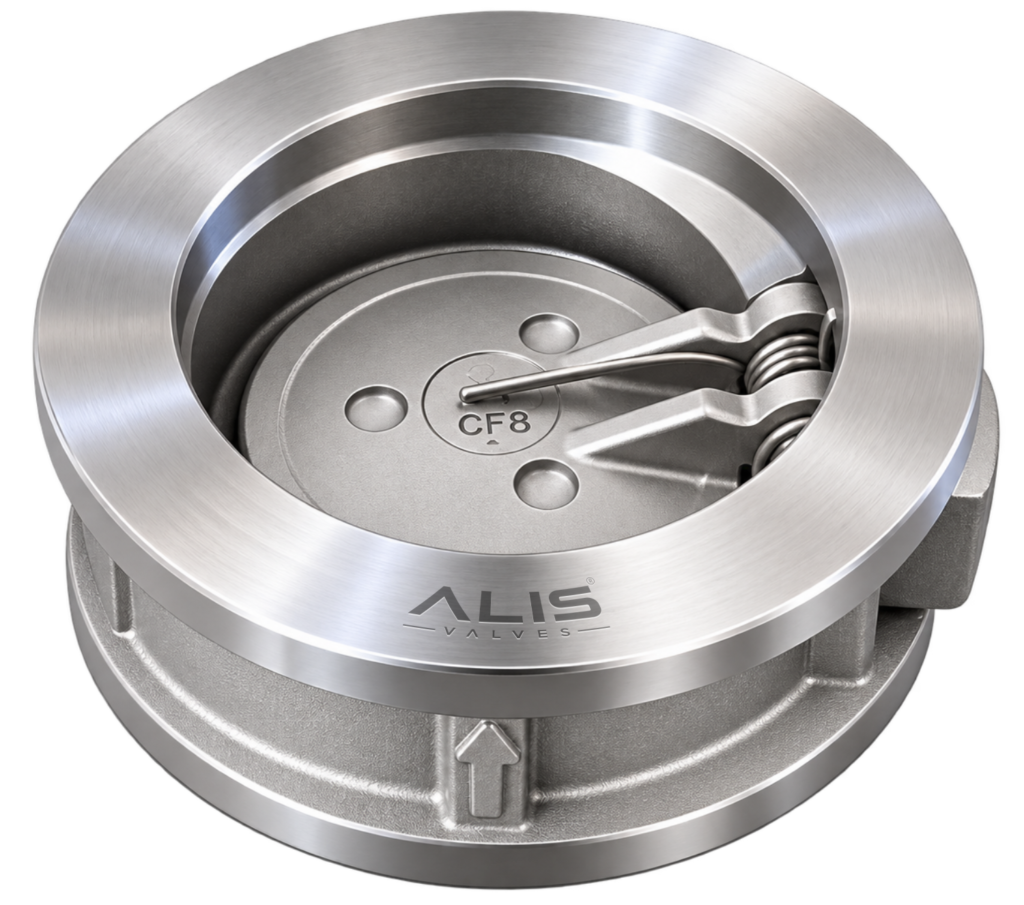
Alis Valves is a leading Dual Plate Check Valve Manufacturer & Supplier…
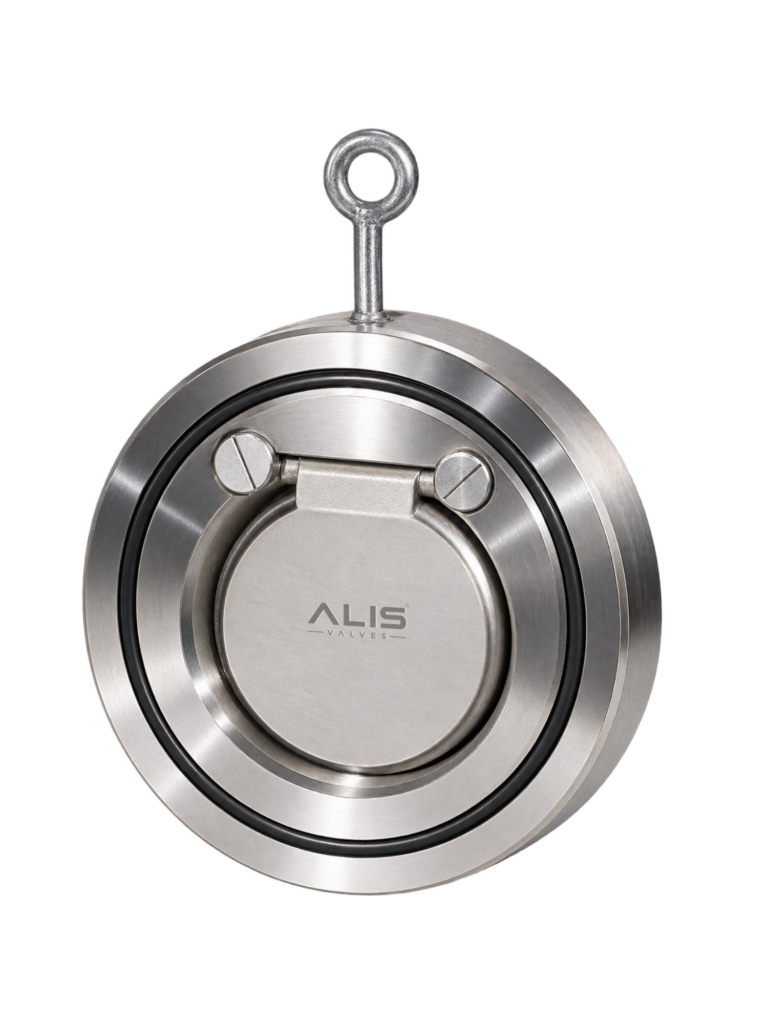
Alis Valves offers high-performance Wafer Type Disc Check Valve Manufacturer and Supplier…
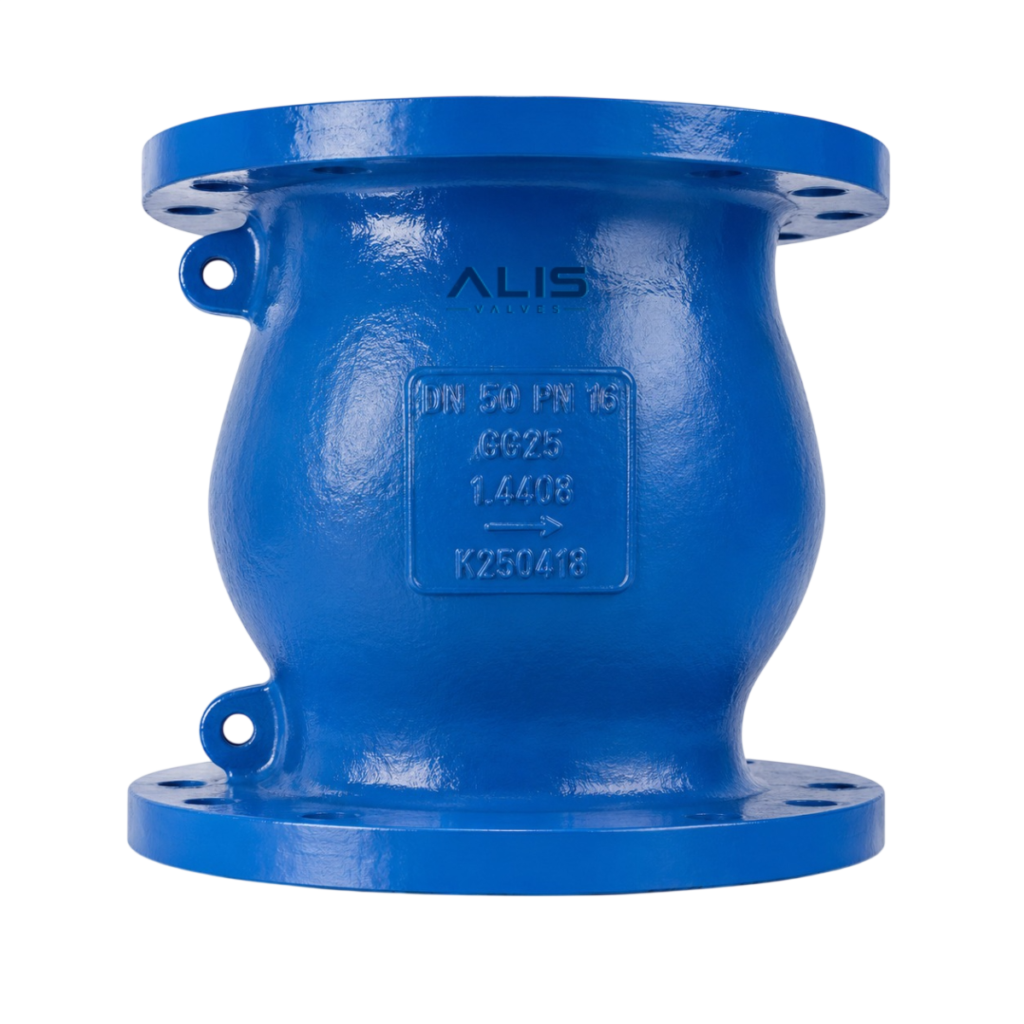
Axial Flow Check Valve Manufacturer Supplier in India is designed for reliable…